






Business Logistics: Istanbul to Iranian Cities
The trade corridor between Turkey and Iran represents one of the most historically significant and economically vital routes in the Middle East. As globalization continues to reshape supply chains, Business Logistics: Istanbul to Iranian Cities has evolved from simple trucking routes into a sophisticated network of multi-modal transportation systems. Istanbul, serving as the bridge between Europe and Asia, acts as a primary consolidation point for goods destined for major Iranian commercial centers like Tehran, Tabriz, Mashhad, and Shiraz. For enterprises operating in this region, understanding the complexities of cross-border movement, customs regulations, and the strategic importance of transit hubs is essential for maintaining a competitive edge.
Whether it is the transport of industrial machinery, automotive parts, or high-demand consumer goods, the logistics framework must be robust. Companies looking for a reliable logistics company in Istanbul often prioritize speed, safety, and transparent tracking. The journey from the bustling warehouses of Istanbul to the industrial parks of Tehran involves navigating diverse geographical terrains and rigorous administrative procedures. This article explores the depths of this logistics network, highlighting the key strategies that businesses use to streamline their operations across these borders while integrating regional hubs like Dubai and Muscat into their broader supply chain strategy.
The Evolution of Trade Between Istanbul and Tehran
Historically, the Silk Road laid the foundation for the commerce we see today. In the modern era, the relationship between Turkey and Iran has been characterized by a high volume of bilateral trade. Istanbul serves as the primary gateway for European goods entering the Iranian market. Business Logistics: Istanbul to Iranian Cities involves more than just moving containers; it requires a deep understanding of the regulatory environment and the capacity to handle fluctuating trade volumes. Asadi Express Cargo has been at the forefront of this evolution, providing tailored solutions that bridge the gap between Turkish suppliers and Iranian distributors.
The demand for efficient transport has led to the development of specialized economic zones and bonded warehouses in both countries. For businesses in Tehran, sourcing raw materials from Turkey is often more cost-effective than importing from further afield, provided the logistics costs are managed effectively. This trade is not a one-way street; Iranian exports, including petrochemicals and agricultural products, frequently move toward Istanbul for further distribution into European markets, utilizing professional freight forwarding solutions to ensure timely delivery and compliance with international standards.
Primary Transport Methods for Business Logistics: Istanbul to Iranian Cities
Choosing the right mode of transport is a critical decision in any logistics plan. The choice depends on the nature of the cargo, the budget, and the required transit time. For the Istanbul-Iran route, three primary methods dominate the industry.
Road Freight and Land Transportation
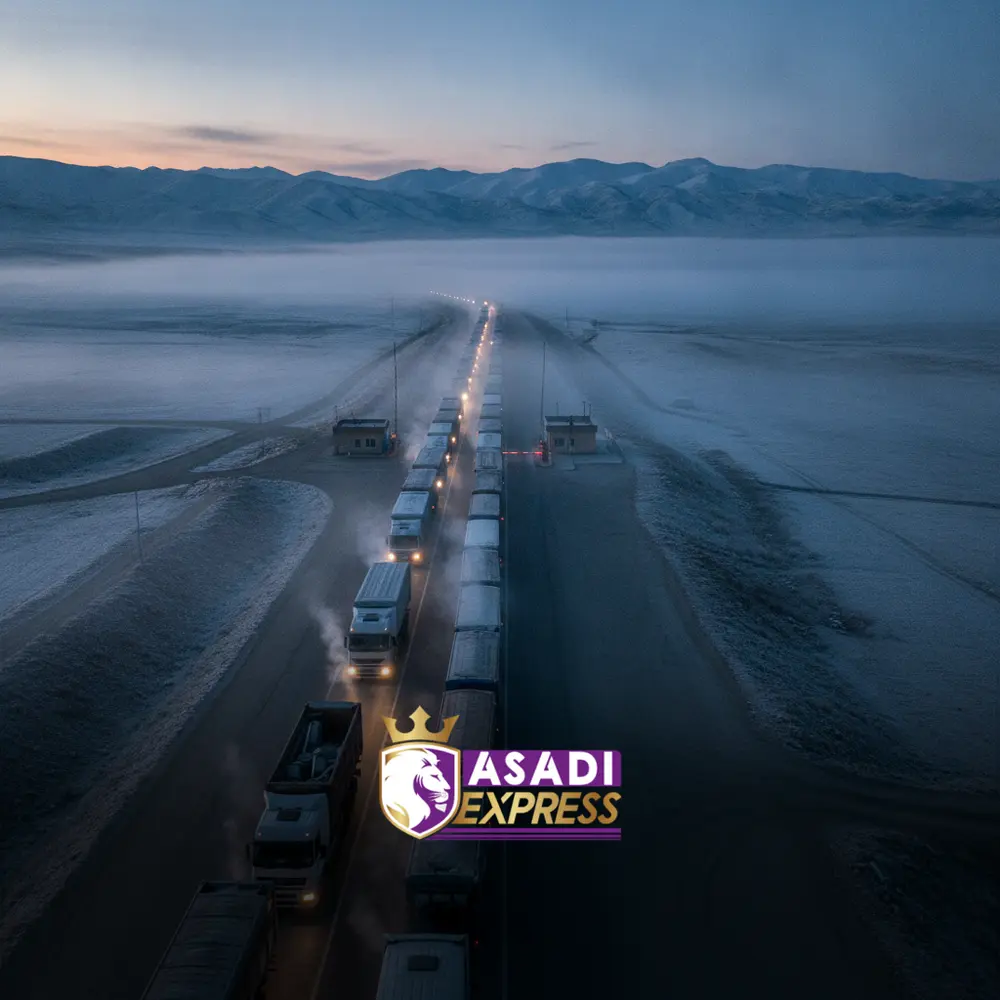
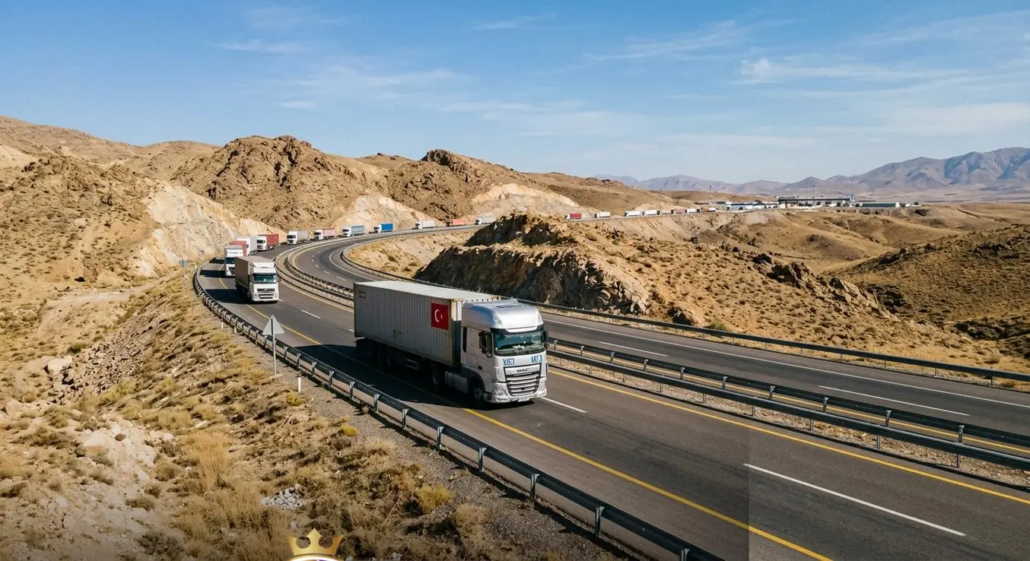
Land transport remains the most popular choice for Business Logistics: Istanbul to Iranian Cities due to the shared land border and an extensive network of highways. The Gürbulak-Bazargan border crossing is the most active point of entry. Utilizing road freight services allows for door-to-door delivery, which is particularly beneficial for medium-sized enterprises that do not have the volume for full rail or sea shipments. Trucks departing from Istanbul can typically reach Tehran within 5 to 7 days, depending on customs queues. This method offers the flexibility of Less than Truckload (LTL) and Full Truckload (FTL) options, making it ideal for everything from textiles to heavy equipment.
Air Freight Forwarding
When time is of the essence, air freight is the preferred solution. Major carriers operate daily flights from Istanbul Airport (IST) and Sabiha Gökçen (SAW) to Imam Khomeini International Airport (IKA) in Tehran. For high-value items, electronics, or urgent medical supplies, air freight and sea freight UAE providers often coordinate with Turkish partners to create a seamless link. While more expensive than land transport, the security and speed of air cargo significantly reduce the risk of inventory stockouts for critical business operations in cities like Isfahan and Shiraz.
Rail Freight Connectivity
Rail logistics is gaining traction as a sustainable and cost-effective alternative for bulk commodities. The “Trans-Asia Railway” initiative has improved the connectivity between Istanbul and Tehran, allowing for the movement of heavy industrial goods and minerals. While rail transit times can be longer and less flexible than road transport, it offers a stable pricing structure that is less susceptible to fuel price fluctuations. This is particularly advantageous for long-term industrial projects and government-backed infrastructure developments in the Iranian interior.
Logistics Hubs: Connecting Istanbul with Dubai and Muscat
In the broader context of Middle East logistics solutions, Istanbul does not operate in a vacuum. It is part of a triangular trade network involving the United Arab Emirates and Oman. Many businesses use Dubai as a secondary redistribution hub. A shipping company in Dubai might receive goods from Istanbul via sea or air, which are then re-exported to southern Iranian ports like Bandar Abbas. This multi-hub strategy allows for greater flexibility in navigating regional trade sanctions or logistical bottlenecks.
Furthermore, cargo services in Dubai and cargo services Muscat Oman provide essential support for businesses that require door to door cargo UAE services. By integrating Istanbul’s manufacturing prowess with Dubai’s world-class logistics infrastructure, companies can optimize their supply chains. For instance, a shipment might originate in Istanbul, move by land to a port, and then utilize ocean freight forwarding to reach Jebel Ali before being sent to its final destination in the GCC or Iran. This interconnectedness ensures that even if one route faces delays, alternative paths via Abu Dhabi or Sharjah remain viable.
Customs Regulations and Compliance in Iranian Freight
Navigating the customs landscape is often the most challenging aspect of Business Logistics: Istanbul to Iranian Cities. Both Turkey and Iran have specific documentation requirements that must be met to avoid costly delays at the border. Essential documents typically include the Commercial Invoice, Packing List, Certificate of Origin, and the Bill of Lading or CMR for road transport. Asadi Express Cargo assists businesses in preparing these documents, ensuring that all “TIR Carnets” and transit declarations are accurately filed.
Customs clearance in Iran requires a local partner or a specialized customs broker who understands the “EPL” (Electronic Packing List) system. Businesses must also be aware of the “Standard Organization of Iran” (ISIRI) requirements for certain categories of goods. Failure to comply with these standards can result in goods being held at the border for weeks, incurring significant demurrage charges. Expert freight forwarding UAE and Turkish firms often provide “pre-clearance” consultations to help clients understand tariff codes and potential import restrictions before the cargo even leaves the warehouse in Istanbul.
Commercial Shipping from Istanbul to Tehran and Shiraz
While Tehran is the primary destination for most commercial cargo, cities like Shiraz and Tabriz represent significant markets in their own right. Shipping from Shiraz to UAE or receiving cargo from Istanbul to Shiraz requires a logistics partner with a strong domestic network within Iran. Shiraz, being a hub for the oil, gas, and electronic industries, often requires specialized handling for oversized or sensitive equipment.
Logistics providers must manage the “Last Mile” delivery with precision. After the cargo from Turkey to the Middle East reaches the central hubs, it is often transferred to smaller vehicles for distribution into city centers where heavy truck access may be restricted. This level of detail is what separates a standard carrier from a high-tier logistics partner. Businesses in Abu Dhabi and Sharjah who trade with Iranian entities often look for these comprehensive end-to-end solutions to ensure their products reach the shelves or factories in Shiraz and Tehran without damage or discrepancy.
The Impact of E-commerce on Regional Logistics
The rise of e-commerce has transformed Business Logistics: Istanbul to Iranian Cities. There is an increasing demand for “Express Cargo” and small-parcel delivery. Consumers in Tehran and other major cities are frequently ordering Turkish fashion and home goods through online platforms. This shift has necessitated the development of more agile logistics solutions that can handle high volumes of small shipments rather than just traditional bulk containers.
Logistics companies are now investing in automated sorting centers and sophisticated “Track and Trace” technology. For a business operating between Istanbul and the UAE, having real-time visibility of cargo from Tehran to Dubai is no longer a luxury—it is a requirement. Integration with local delivery partners in Iran ensures that even a small parcel from a boutique in Istanbul can reach a doorstep in Tehran with the same reliability as a B2B industrial shipment. This democratization of logistics is fostering a new wave of entrepreneurship across the Turkey-Iran-UAE trade corridor.
Risk Management and Insurance in Middle East Logistics
Operating in the Middle East requires a proactive approach to risk management. Political shifts, currency fluctuations, and regional tensions can all impact the flow of goods. Savvy business leaders incorporate insurance as a non-negotiable component of their Business Logistics: Istanbul to Iranian Cities strategy. Cargo insurance protects against theft, damage during transit, and unforeseen “General Average” events in sea freight.
Moreover, choosing a partner that understands the nuances of Middle East logistics solutions provides an added layer of security. Reliable firms maintain high standards of vehicle maintenance and driver training to minimize accidents on the long highway stretches between Istanbul and the Iranian border. By conducting regular audits of their supply chain, businesses can identify potential vulnerabilities—such as a reliance on a single border crossing—and develop contingency plans that might involve alternative routes through Oman or the UAE.
Frequently Asked Questions
How long does cargo take from Istanbul to Tehran?
On average, road freight takes 5 to 7 days, while air freight can be completed in 24 to 48 hours, including customs processing time. Factors such as weather conditions and border congestion at Gürbulak can influence these timelines.
What are the most common goods shipped from Turkey to Iran?
Major imports into Iran from Turkey include machinery, plastic raw materials, textiles, automotive components, and processed food products. Turkey’s strong manufacturing base makes it a primary supplier for the Iranian industrial and retail sectors.
Do I need a local partner in Iran for customs clearance?
Yes, having a local entity or a specialized customs broker in Iran is highly recommended. They are familiar with the local regulations, the EPL system, and can facilitate the payment of duties and taxes in the local currency, ensuring a smoother transition through customs.
Can I ship goods from Istanbul to Iran via Dubai?
Absolutely. This is a common strategy for businesses looking to utilize Dubai’s advanced logistics infrastructure. Goods can be shipped to Dubai and then re-exported to Iranian ports like Bandar Abbas via sea freight, providing an alternative to the direct land route.
Is it possible to track my shipment in real-time?
Most modern logistics providers offer GPS tracking and online portals where businesses can monitor the status of their cargo. This visibility is crucial for managing inventory and providing accurate delivery estimates to end customers.
Conclusion: Optimizing Your Logistics Strategy
Mastering Business Logistics: Istanbul to Iranian Cities requires a blend of local expertise, regional connectivity, and technical proficiency. As the trade landscape continues to shift, the ability to move goods efficiently between these two economic powerhouses remains a cornerstone of success for many international enterprises. By leveraging the strengths of multiple transport modes and integrating hubs like Dubai, Abu Dhabi, and Muscat, businesses can build resilient supply chains that withstand regional challenges.
For those seeking a partner that combines deep regional knowledge with a commitment to excellence, Asadi Express Cargo offers the comprehensive support needed to navigate these complex routes. From handling cargo from Tehran to Dubai to managing large-scale shipping from Shiraz to UAE, the right logistics partner ensures that your business stays moving. Whether you are a small start-up or a multinational corporation, investing in high-quality logistics today is the key to unlocking the vast potential of the Middle East market tomorrow. Contact us today to learn how we can streamline your shipping operations and provide the professional freight forwarding solutions your business deserves.
More articles