






Groupage Cargo: Turkey to Iran Solutions for Efficient Middle East Logistics
The movement of goods across borders in the Middle East has evolved significantly, with the Turkey-to-Iran corridor emerging as a vital artery for regional trade. For businesses and individuals who do not have enough volume to fill an entire truck or container, groupage cargo—also known as Less than Truckload (LTL)—offers a cost-effective and highly flexible solution. This method allows multiple shippers to share the same transport space, drastically reducing overhead costs while maintaining high standards of delivery speed. In the complex landscape of international trade, navigating the logistics from Istanbul to Tehran or from Izmir to Tabriz requires deep local knowledge and a robust network of transport hubs.
As the regional economy becomes more integrated, the demand for consolidated shipping has expanded beyond traditional borders. Groupage is no longer just about moving a few pallets; it is about providing a scalable logistics framework that connects Turkish manufacturers with Iranian retailers and further extends into the bustling markets of the United Arab Emirates and Oman. By understanding the intricacies of the groupage cargo Turkey to Iran solutions, shippers can optimize their supply chain, ensure compliance with evolving customs regulations, and leverage the strategic positioning of major logistics hubs like Dubai and Muscat.
The Strategic Importance of Groupage Cargo in the Turkey-Iran Corridor
Groupage cargo is the backbone of small to medium enterprise (SME) trade between Turkey and Iran. Because Turkey serves as a primary manufacturing hub for textiles, machinery, and automotive parts, and Iran represents a massive consumer market, the need for frequent, smaller shipments is constant. Instead of waiting weeks to accumulate enough goods for a Full Truckload (FTL), groupage allows for weekly or even bi-weekly departures. This keeps inventory flowing and reduces the need for expensive warehousing in crowded urban centers like Tehran or Istanbul.
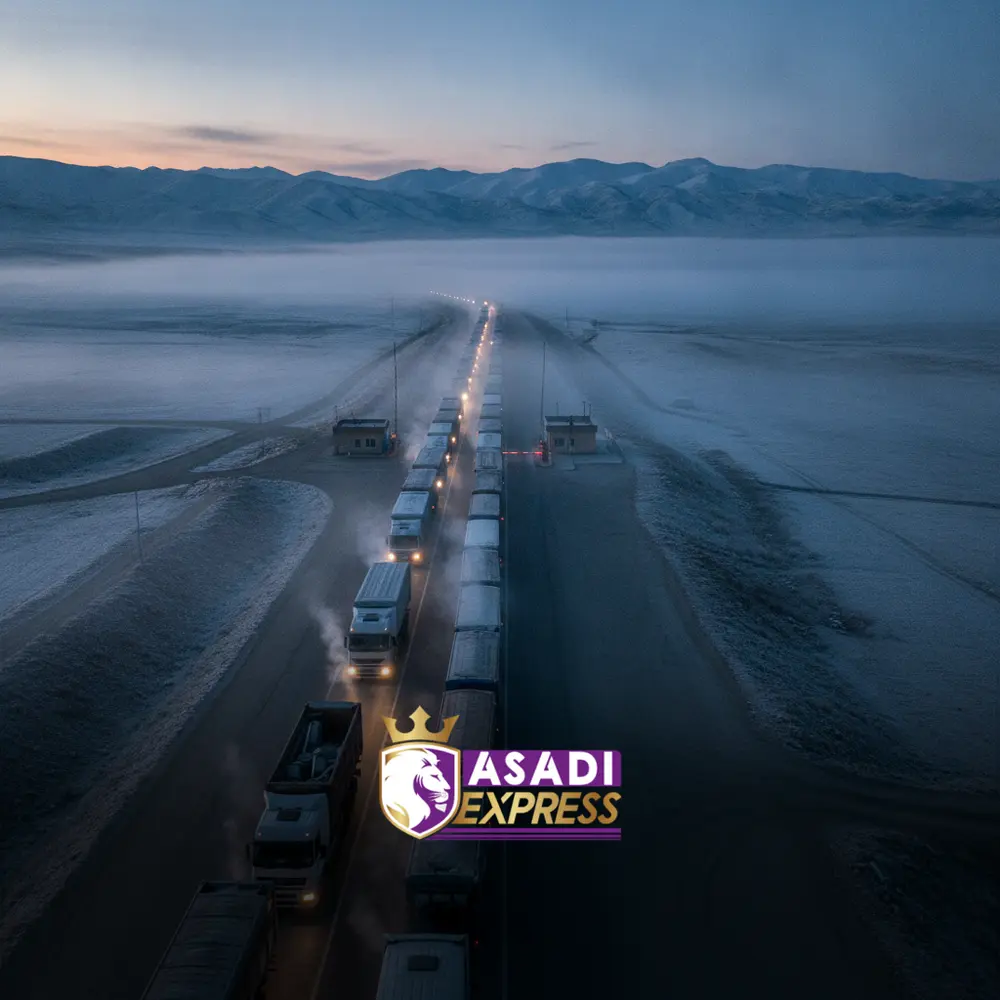
From a geographical perspective, the land route between Turkey and Iran is the most direct way to bypass the high costs associated with air freight for heavy goods. However, the efficiency of this route depends heavily on the consolidation process. Goods are typically collected from various Turkish provinces and brought to a central warehouse. Here, a professional shipping between Iran and Turkey service provider organizes the cargo based on destination, weight, and customs categories. This organized approach ensures that once the truck reaches the Bazargan-Gurbulak border crossing, the documentation is synchronized, minimizing delays at one of the busiest land borders in the region.
The Role of Istanbul as a Logistics Powerhouse
Istanbul is not just a city; it is a global bridge between Europe and Asia. For any firm operating as a logistics company in Istanbul, the ability to manage groupage for the Iranian market is a hallmark of expertise. The city’s infrastructure supports massive consolidation centers where cargo from across the European Union and domestic Turkish factories is merged. This strategic advantage allows for competitive pricing, as the sheer volume of goods moving toward Iran allows for better negotiation with carriers and more frequent scheduling.
Furthermore, Istanbul’s proximity to major ports and airports allows for multi-modal logistics. A shipment might arrive from Germany via sea, be consolidated in Istanbul, and then sent via groupage to Tehran. This level of complexity is why choosing an experienced partner is critical. Modern logistics providers in Turkey now utilize advanced tracking systems, allowing shippers in Shiraz or Mashhad to monitor their goods’ progress from the moment they leave the Turkish warehouse.
Extending the Network: From Turkey to UAE and Beyond
While the primary focus may be Turkey to Iran, the logistics ecosystem often links these shipments to the broader GCC region. Many businesses use Iran as a transit point or manage their regional operations from Dubai. Consequently, Turkey to UAE freight services have become increasingly sophisticated. Goods originating in Turkey can be moved to Iranian ports like Bandar Abbas and then shipped via sea to Jebel Ali, or moved entirely via land through Iraq and Kuwait, depending on the current geopolitical climate and speed requirements.
In this context, the UAE serves as a critical re-export hub. A business might import groupage cargo from Istanbul, store it in a free zone in Sharjah or Abu Dhabi, and then redistribute it. Having access to high-quality cargo services in Dubai ensures that the final leg of the journey—whether it is to a warehouse in Al Quoz or a retail outlet in Dubai Mall—is handled with the same precision as the international transit. This interconnectedness is what makes Middle East logistics a unique challenge and opportunity for global traders.
Logistics in Abu Dhabi and Sharjah
While Dubai often takes the spotlight, Abu Dhabi and Sharjah play essential roles in the logistics chain. Abu Dhabi’s Khalifa Port is a rising star in sea freight, offering state-of-the-art facilities that can handle overflow from other regional hubs. For groupage cargo coming from Turkey through sea-land combinations, Abu Dhabi provides a strategic entry point for goods destined for the western UAE. Similarly, Sharjah’s land transport links make it a preferred hub for regional distribution to the Northern Emirates and Oman. By diversifying the entry points, logistics providers can avoid congestion and offer faster “door to door” delivery times for their clients.
Comprehensive Land Transportation and Consolidation Services
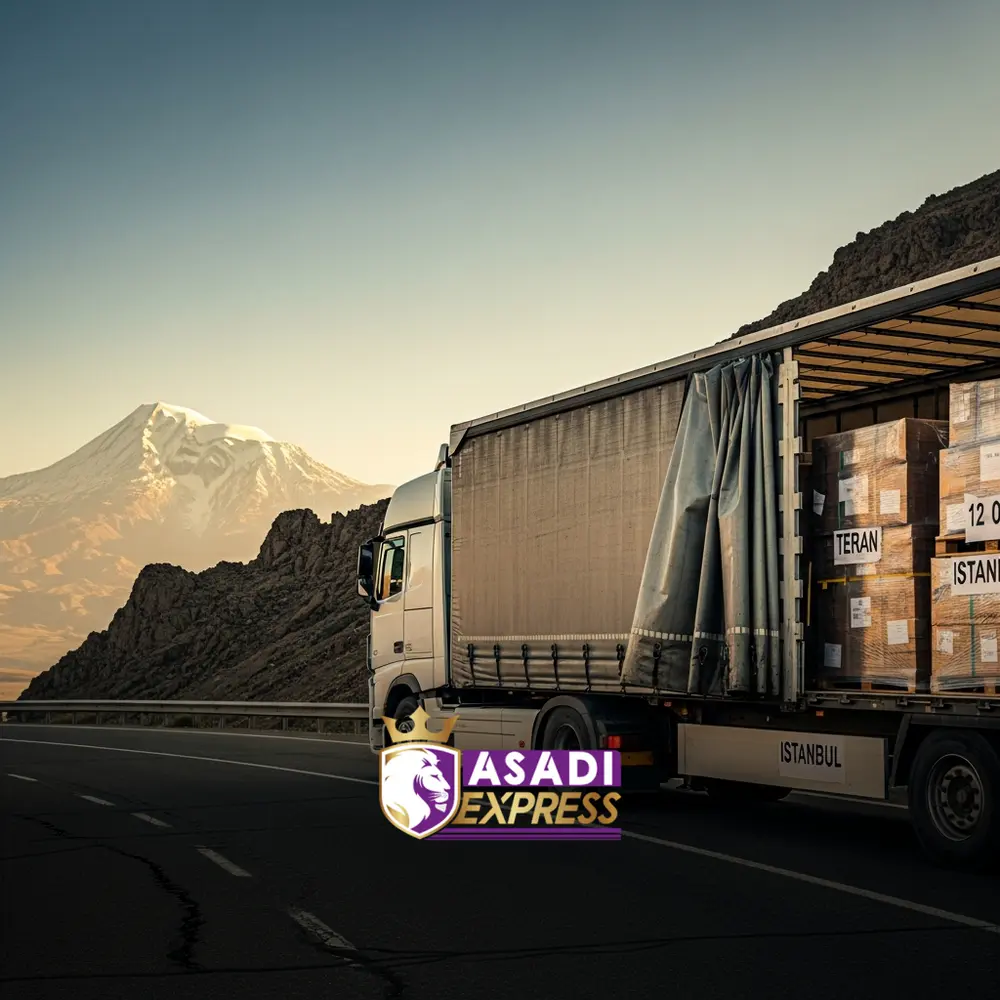
The success of groupage cargo Turkey to Iran solutions rests on the reliability of land transportation. Unlike sea freight, which can be subject to long port delays, or air freight, which is cost-prohibitive for many commodities, land transport offers a middle ground of speed and economy. Standard transit times from Istanbul to Tehran via groupage typically range from 7 to 10 days, including customs clearance, making it an ideal choice for fashion, electronics, and industrial spares.
Consolidation services involve more than just packing a truck. They include:
- Professional palletizing and crating to prevent damage during transit.
- Labeling in accordance with Iranian import regulations (including Persian language requirements where necessary).
- Temporary warehousing in Istanbul for shippers who need to wait for multiple suppliers.
- Cargo insurance to protect against the unique risks of cross-border land travel.
Asadi Express Cargo excels in these areas, ensuring that small shipments receive the same level of care and security as large-scale industrial projects. Their expertise in the region allows them to navigate the nuances of the Tehran customs landscape, providing peace of mind to both the consignor and the consignee.
Customs Clearance: The Hurdles of Tehran and Beyond
Customs is often the most difficult part of the Turkey-to-Iran shipping process. Iran has specific import laws, tariff structures, and restricted items lists that change frequently. A professional logistics provider must handle the “Commercial Invoice,” “Packing List,” and “Certificate of Origin” with extreme accuracy. For groupage cargo, this is even more complex because a single truck might contain goods for fifteen different importers, each requiring individual clearance. If one shipment has incorrect paperwork, it can potentially delay the entire truck.
This is why established providers maintain strong relationships with customs brokers at the Bazargan border and the various “Shahryar” customs terminals in Tehran. By pre-clearing documents and ensuring all “HS Codes” are correctly assigned, they reduce the risk of inspections and fines. This expertise is equally valuable when handling cargo from Tehran to Dubai, where the transition from Iranian to UAE regulations requires a different set of documentation and compliance standards.
Diverse Shipping Options: Air Freight and Sea Freight UAE
While land transport is the king of groupage between Turkey and Iran, there are times when air freight and sea freight UAE routes are more appropriate. For urgent shipments—such as pharmaceutical supplies or critical machinery parts—air cargo from Istanbul to Tehran IKA airport is the preferred method. Conversely, for very heavy or bulky goods that are not time-sensitive, sea freight from Turkish ports like Ambarli or Mersin to Bandar Abbas offers the lowest possible cost per ton.
Asadi Express Cargo integrates these multi-modal options into their service portfolio. For example, a client in Muscat might need goods from Turkey. The most efficient route could involve sea freight to Dubai and then land transportation to Oman. By offering a “one-stop-shop” approach, they simplify the process for the customer, who only has to deal with a single point of contact for a journey that spans multiple countries and transport modes. This is particularly beneficial for those looking for cargo services Muscat Oman, as it connects the Omani market directly to the Turkish manufacturing base through a reliable Iranian and Emirati transit network.
Shipping from Shiraz to UAE: A Specialized Route
Southern Iran, particularly the Fars province, has long-standing trade ties with the UAE. Shipping from Shiraz to UAE is a frequent requirement for agricultural products, hand-knitted carpets, and minerals. Groupage services in this region often focus on consolidating cargo in Shiraz before sending it to the port of Bandar Abbas or via air from Shiraz International Airport. This localized expertise ensures that regional specialties reach the markets of Dubai and Sharjah in peak condition, further demonstrating the versatility of modern Middle Eastern logistics networks.
Real-World Use Cases for Groupage Cargo Solutions
To understand the value of these services, we can look at several common scenarios where groupage cargo Turkey to Iran solutions are indispensable:
1. The E-commerce Boutique in Tehran
An online retailer in Tehran sources high-end Turkish fashion from several different suppliers in Istanbul. None of the orders are large enough for a full truck. By using a consolidation service, the retailer can have all their orders gathered at an Istanbul warehouse, packed into a single groupage shipment, and delivered to their door in Tehran. This keeps their shipping costs low and their inventory fresh.
2. Industrial Spare Parts for Abu Dhabi
A construction firm in Abu Dhabi needs specialized drill bits manufactured in Turkey. While the main shipment goes by sea, they need a small batch urgently. A groupage land service via Iran offers a faster alternative to sea freight without the extreme cost of air freight, ensuring the project stays on schedule.
3. Household Relocation for Expats
Families moving between these regions often require specialized household moving services. A family moving from Istanbul to Muscat might not have enough furniture to fill a 40-foot container. Groupage allows them to pay only for the space their belongings occupy, making international relocation much more affordable. This service is particularly popular for those moving toward the UAE or Oman, where high-quality door to door cargo UAE services can handle the final unpacking and setup.
Why Choose a Specialized Freight Forwarding UAE Partner?
The complexities of Middle Eastern trade mean that a general logistics provider might struggle with the specific challenges of the Turkey-Iran-UAE triangle. A dedicated freight forwarding UAE specialist understands the “Intercoms,” the insurance requirements, and the cultural nuances of doing business in Istanbul, Tehran, and Dubai. They provide a layer of security that is essential when moving goods through multiple jurisdictions.
Asadi Express Cargo has built a reputation for reliability in this niche. As a leading shipping company in Dubai, they bridge the gap between Turkish suppliers and Middle Eastern buyers. Their investment in modern warehouses and a fleet of tracked vehicles ensures that groupage cargo is not just “sent” but “managed” from start to finish. Whether it is a single pallet or a complex multi-load project, their focus on customer service and operational excellence sets them apart in a competitive market.
Frequently Asked Questions (FAQ)
1. How long does groupage shipping from Turkey to Iran take?
Typically, land-based groupage from Istanbul to Tehran takes between 7 and 10 days. This includes time for consolidation in Turkey and customs clearance at the Iranian border. Factors like weather, border congestion, and the speed of document processing can influence this timeline.
2. What items are prohibited in groupage cargo to Iran?
Prohibited items generally include alcohol, pork products, certain types of media, and weapons. Additionally, there are strict regulations on dual-use technology and certain luxury goods. It is always best to consult with your logistics provider to ensure your specific “HS Code” is permitted for import into Iran.
3. Can I track my groupage shipment?
Yes, modern logistics providers offer digital tracking. You can monitor your cargo’s status from the Istanbul warehouse, through the border crossing, and finally to the destination warehouse in Tehran or its final delivery in the UAE or Oman.
4. Is insurance necessary for groupage shipments?
Highly recommended. While every precaution is taken, international land transit involves handling and border crossings that carry inherent risks. Cargo insurance provides financial protection against damage or loss, giving shippers peace of mind.
5. How are groupage costs calculated?
Costs are usually based on “Chargeable Weight,” which considers both the actual weight and the volumetric weight of the goods. For groupage, you also pay a share of the documentation and handling fees, which makes it much cheaper than booking an entire vehicle for a small load.
Conclusion: Optimizing Your Supply Chain
The landscape of Middle East logistics is defined by its dynamism and its challenges. For those looking to move goods between Turkey, Iran, and the UAE, groupage cargo Turkey to Iran solutions represent the pinnacle of efficiency and cost-effectiveness. By leveraging the power of consolidation, businesses can maintain lean inventories, reduce waste, and respond quickly to market demands in cities like Tehran, Dubai, and Muscat.
Choosing the right partner is the final piece of the puzzle. With a dedicated shipping company in Dubai like Asadi Express Cargo, you gain access to a network that spans the entire region. From door to door cargo UAE services to complex land transportation routes through Turkey and Iran, their expertise ensures that your business stays moving. Don’t let logistics be a barrier to your growth. Embrace the flexibility of groupage and connect with the world’s most vibrant markets today. Contact our team to receive a tailored quote and experience a new standard in regional shipping.
More articles