






Optimized Logistics: Turkey to Iran Corridors and Beyond
The bridge between Europe and Asia has historically been defined by the trade routes connecting Turkey and Iran. In the modern era, “Optimized Logistics: Turkey to Iran Corridors” represents more than just a path for goods; it is a sophisticated network of infrastructure, regulatory frameworks, and technological advancements that facilitate the movement of billions of dollars in trade. As businesses in Istanbul look toward the consumer markets in Tehran and Shiraz, and eventually the re-export hubs in Dubai, the demand for a seamless shipping company in Dubai and Turkey has never been higher. This corridor serves as a vital artery for industrial machinery, textiles, and consumer electronics, requiring precise coordination to navigate the complex geopolitical and geographical landscape of the Middle East.
For modern enterprises, optimizing these corridors means reducing lead times and minimizing costs through strategic freight forwarding UAE and Turkish partnerships. The logistics chain involves multiple stages, from the initial pick-up in industrial zones like Gebze or Dudullu to the final delivery in the bustling markets of the Iranian plateau. By leveraging multimodal transport—combining road, rail, and sometimes air—logistics providers can offer flexible solutions that adapt to the shifting needs of the market. Understanding the nuances of this corridor is essential for any business aiming to establish a footprint in the regional trade ecosystem.
The Strategic Importance of the Turkey-Iran Trade Route
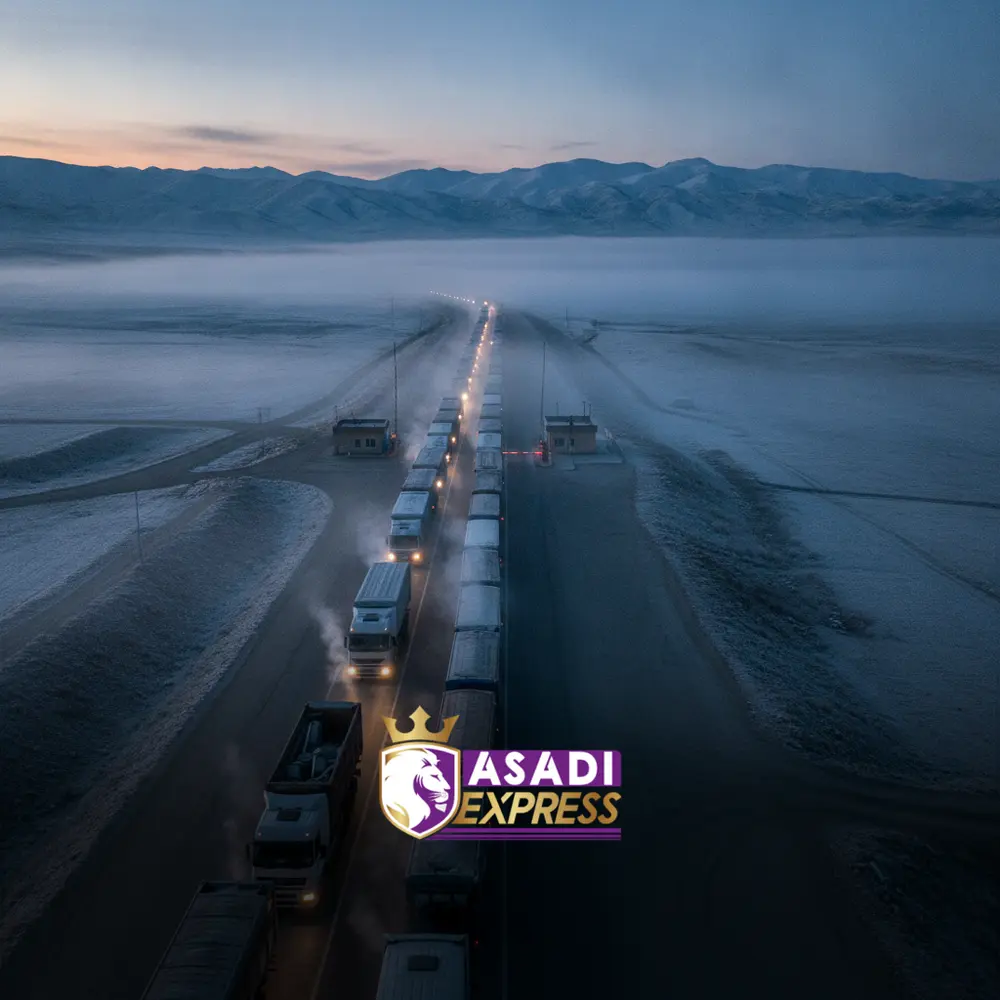
The Turkey-Iran corridor is the primary land gateway for goods moving from the European Union into the Middle East. Istanbul, acting as a massive logistics hub, coordinates the flow of trucks and containers toward the Bazargan border, the busiest crossing between the two nations. A professional logistics company in Istanbul must manage not only the physical movement of cargo but also the extensive documentation required for customs clearance. This route is not isolated; it integrates deeply with the wider region, often serving as the first leg for goods eventually destined for cargo services Muscat Oman or the Southern Gulf states.
Optimization in this context refers to the use of TIR Carnets and other international transit agreements that allow for smoother border crossings. When logistics are optimized, the transit time from Istanbul to Tehran can be reduced significantly, allowing for “just-in-time” inventory management for Iranian manufacturers. This efficiency is crucial for maintaining the supply chain of raw materials and intermediate goods that fuel the regional economy. Furthermore, the corridor supports the export of Iranian petrochemicals and agricultural products back into Turkey and the wider Mediterranean basin.
Key Logistic Hubs: Istanbul, Tehran, and Shiraz
Istanbul serves as the western anchor of this corridor. Its proximity to European markets and its advanced port facilities make it the ideal starting point for international shipments. On the other end, Tehran serves as the primary distribution center for northern and central Iran. However, the logistics network extends further south to Shiraz, a city that plays a pivotal role in connecting the interior of Iran to the Persian Gulf. For businesses, shipping from Shiraz to UAE represents a critical link in the southern logistics chain, bridging the gap between Iranian production and the global markets accessible through Dubai.
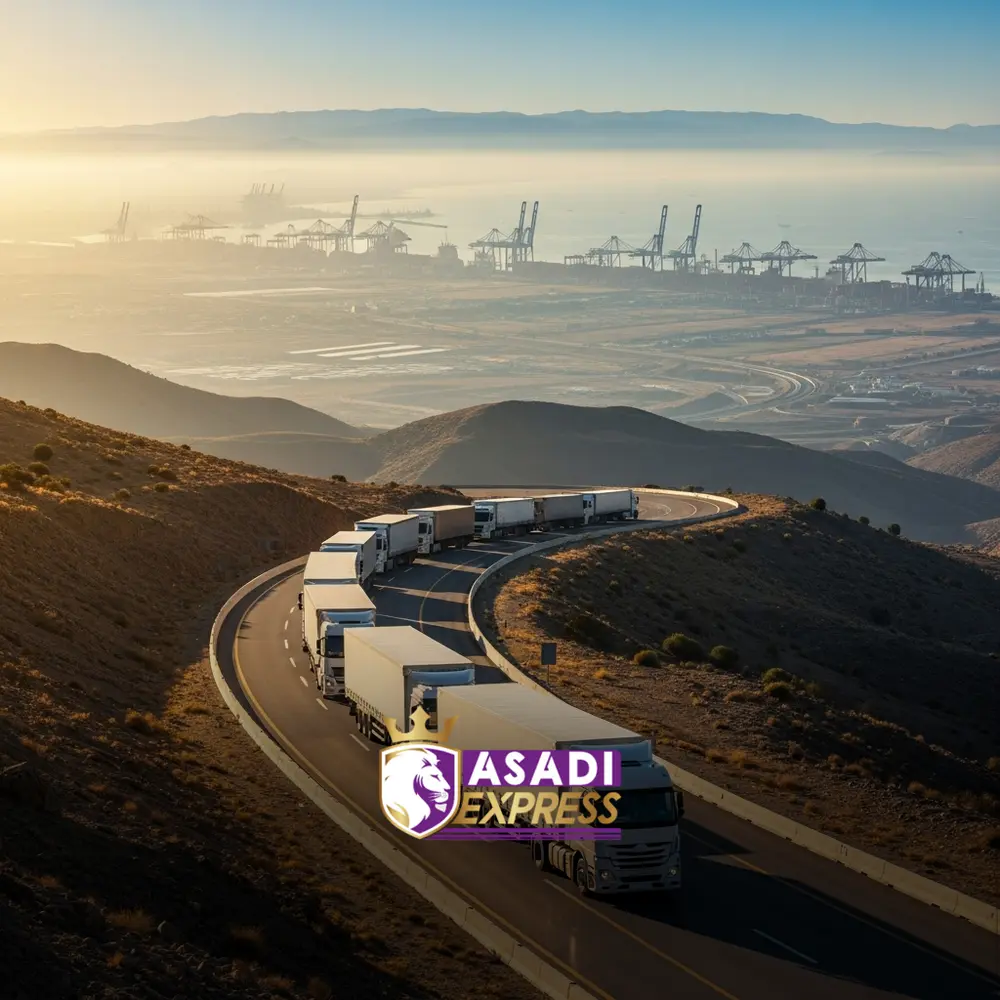
These hubs are interconnected by a network of highways that are constantly being upgraded to handle heavy-duty freight. The role of a road freight solutions provider is to ensure that vehicles are equipped to handle the diverse terrain, from the mountainous regions of Eastern Anatolia to the arid plains of central Iran. By maintaining a presence in these key cities, logistics firms can provide localized support, ensuring that “Optimized Logistics: Turkey to Iran Corridors” remains a reality for their clients.
Multimodal Transportation: Air Freight and Sea Freight UAE
While road transport dominates the Turkey-Iran corridor, multimodal solutions are essential for high-value or time-sensitive goods. In many cases, cargo may be trucked from Turkey to Iranian ports like Bandar Abbas, where it is then loaded onto vessels bound for the United Arab Emirates. The synergy between air freight and sea freight UAE services allows for a highly flexible supply chain. For instance, a shipment might travel by land to Tehran and then be moved via rapid air freight to Dubai or Abu Dhabi to meet an urgent deadline.
Asadi Express Cargo specializes in managing these complex transitions, ensuring that the integrity of the cargo is maintained across different modes of transport. Sea freight remains the most cost-effective method for bulk commodities, while air freight is reserved for electronics, pharmaceuticals, and luxury items. By combining these methods, businesses can balance cost and speed, creating a customized logistics strategy that meets their specific requirements in the competitive Middle Eastern market.
The Role of Dubai in Regional Distribution
Dubai acts as the central nervous system for logistics in the Middle East. Most goods moving through the Turkey-Iran corridor eventually find their way into the UAE’s ecosystem, either for local consumption or for re-export to Africa and Southeast Asia. The availability of world-class cargo services in Dubai makes it the preferred destination for regional headquarters. From the Jebel Ali Free Zone (JAFZ) to Dubai South, the infrastructure is designed to handle massive volumes of freight forwarding UAE operations with maximum efficiency.
Whether it is cargo from Tehran to Dubai or transit shipments from Istanbul, the UAE provides a stable and efficient environment for trade. The integration of “Optimized Logistics: Turkey to Iran Corridors” with Dubai’s logistics infrastructure allows for a seamless flow of goods that supports the economic goals of all involved nations. For companies looking to expand, having a reliable logistics solutions partner in Dubai is not just an advantage; it is a necessity.
Real-Use Cases: Personal and Business Shipping
Logistics is not just about industrial containers; it is also about the personal and small-business needs that drive daily trade. Consider the case of an expatriate moving from Turkey to the UAE. They require a specialized service that can handle household goods with care. The demand for freight services from Turkey to the Gulf has grown as the regional workforce becomes more mobile. These personal shipments require the same level of optimization as commercial cargo to ensure they arrive safely and on time.
In the business sector, e-commerce has revolutionized the Turkey-Iran-UAE triangle. Small businesses in Istanbul now sell directly to customers in Dubai and Abu Dhabi. This necessitates door to door cargo UAE services that can manage everything from warehouse pickup in Turkey to final delivery in Sharjah or Muscat. Asadi Express Cargo provides the necessary bridge for these entrepreneurs, offering tracking and customs support that simplifies the international shipping process. This “last-mile” efficiency is what truly defines an optimized corridor in the 21st century.
Optimizing the Iran to UAE Cargo Route
The maritime and land routes connecting Iran and the UAE are among the busiest in the region. Optimization here involves navigating the regulatory requirements of both nations while maintaining a fast transit time. For companies involved in Iran to UAE cargo, the focus is often on the frequent ferry and dhow services that run between Bandar Abbas and Sharjah or Dubai. By synchronizing land transport in Iran with these maritime schedules, logistics providers can offer a continuous flow of goods that minimizes port storage fees and delays.
This route is particularly important for perishable goods. Fresh produce from the fertile regions of Iran must reach the supermarkets of Abu Dhabi and Dubai within days. This requires refrigerated transport and priority customs handling—two pillars of an optimized logistics strategy. Utilizing a Iran to UAE cargo specialist ensures that these sensitive supply chains remain unbroken, even during peak demand seasons.
Challenges and Regulatory Compliance in Middle East Logistics
Operating within the “Optimized Logistics: Turkey to Iran Corridors” framework is not without its challenges. The primary obstacles include fluctuating currency values, changing customs regulations, and geopolitical tensions. A successful shipping company in Dubai must be adept at risk management, providing clients with alternative routes and contingency plans. Compliance with international sanctions and local trade laws is non-negotiable and requires a dedicated legal and logistics team to monitor daily updates.
Furthermore, the physical infrastructure, while improving, can still face bottlenecks at border crossings like Gurbulak. Digitalization is the key to overcoming these hurdles. By implementing electronic data interchange (EDI) and blockchain-based tracking, the industry is moving toward a paperless environment that reduces human error and accelerates the clearing process. For any logistics company in Istanbul or Tehran, investing in these technologies is the only way to remain competitive in a rapidly evolving market.
Security and Cargo Safety
Cargo safety is a paramount concern when transiting multiple borders. Theft, damage, and loss are risks that must be mitigated through comprehensive insurance and robust tracking systems. High-value shipments moving along the Turkey-Iran corridor often require GPS-enabled seals and 24/7 monitoring. By prioritizing security, Asadi Express Cargo ensures that clients have peace of mind, knowing their investments are protected from the point of origin in Turkey to the final destination in the UAE or Oman.
The Future of Logistics in the Turkey-Iran-UAE Triangle
Looking ahead, the “Optimized Logistics: Turkey to Iran Corridors” will likely see further integration with the Belt and Road Initiative (BRI) and the International North-South Transport Corridor (INSTC). These global projects aim to connect the Indian Ocean to northern Europe via the Persian Gulf and Turkey. As these routes mature, the importance of freight forwarding UAE as a transshipment hub will only increase. We can expect to see more investment in rail infrastructure, which offers a more sustainable and cost-effective alternative to road transport for long-haul journeys.
Sustainability will also become a core component of optimization. As the global maritime and logistics industries move toward “green” fuels and electric transport vehicles, the Turkey-Iran corridor will need to adapt. Forward-thinking companies are already exploring ways to reduce their carbon footprint, such as optimizing route planning to reduce fuel consumption and utilizing eco-friendly packaging materials. The future of logistics in this region is one that is not only fast and reliable but also environmentally responsible.
Frequently Asked Questions
What is the average transit time from Turkey to Iran by road?
Typically, road transport from Istanbul to Tehran takes between 5 to 7 days, depending on the speed of customs clearance at the Bazargan border. For shipments moving further south to Shiraz or toward the UAE, an additional 3 to 4 days may be required.
How does customs clearance work for cargo from Tehran to Dubai?
Goods are usually cleared at the port of exit in Iran (such as Bandar Abbas) and then again at the port of entry in the UAE (such as Jebel Ali or Khalid Port). Utilizing an experienced shipping company in Dubai helps expedite this process through proper documentation and pre-filing of entries.
Can I ship personal household items from Turkey to the UAE?
Yes, many logistics providers offer specialized services for household moving. This includes packing, loading, international transit, and door to door cargo UAE delivery. It is important to provide a detailed inventory list for customs purposes in both countries.
What are the benefits of using a multimodal logistics approach?
Multimodal transport allows you to take advantage of the strengths of different shipping methods. For example, using land transport for the long haul from Turkey to Iran and then air freight and sea freight UAE for the final leg can balance costs while ensuring timely delivery for urgent items.
Are there size or weight restrictions for cargo in these corridors?
Standard shipping containers (20ft and 40ft) are the norm, but oversized cargo can be accommodated through flat-rack containers or specialized heavy-lift trucks. Each country has specific axle-weight limits for road transport that must be adhered to during the planning phase.
Conclusion: Partnering for Success
Optimizing the logistics corridors between Turkey, Iran, and the UAE requires more than just trucks and ships; it requires a deep understanding of the local markets, a commitment to technological innovation, and a reliable network of partners. Whether you are seeking cargo services in Dubai, looking for a logistics company in Istanbul, or need to manage complex freight forwarding UAE requirements, the key is to choose a partner that values efficiency and transparency. By focusing on the “Optimized Logistics: Turkey to Iran Corridors,” businesses can unlock new opportunities in some of the world’s most dynamic markets.
Ready to streamline your regional supply chain? Whether it’s moving industrial equipment from Turkey or managing shipping from Shiraz to UAE, we are here to help. Contact a global shipping provider today to receive a customized quote and experience the difference that professional, optimized logistics can make for your business. Let us handle the complexities of the Middle East trade routes while you focus on your growth.
More articles