









TÜRKİYE → IRAN · FTL / LTL
Commercial freight from Istanbul and other Turkish cities to Iran starts with a precise cargo brief: commodity, gross weight, package dimensions, collection address and final destination. Asadi Express assesses your enquiry to define the transport method, equipment and service scope. Cargo acceptance and dispatch remain subject to documents, carrier acceptance and current conditions.
Quick submission opens in a window on the cargo portal itself, not on a separate registration page. Verify your contact number and provide complete shipment details. Submitting a request does not reserve a truck, confirm cargo acceptance or fix the price; the final rate and conditions require confirmation.
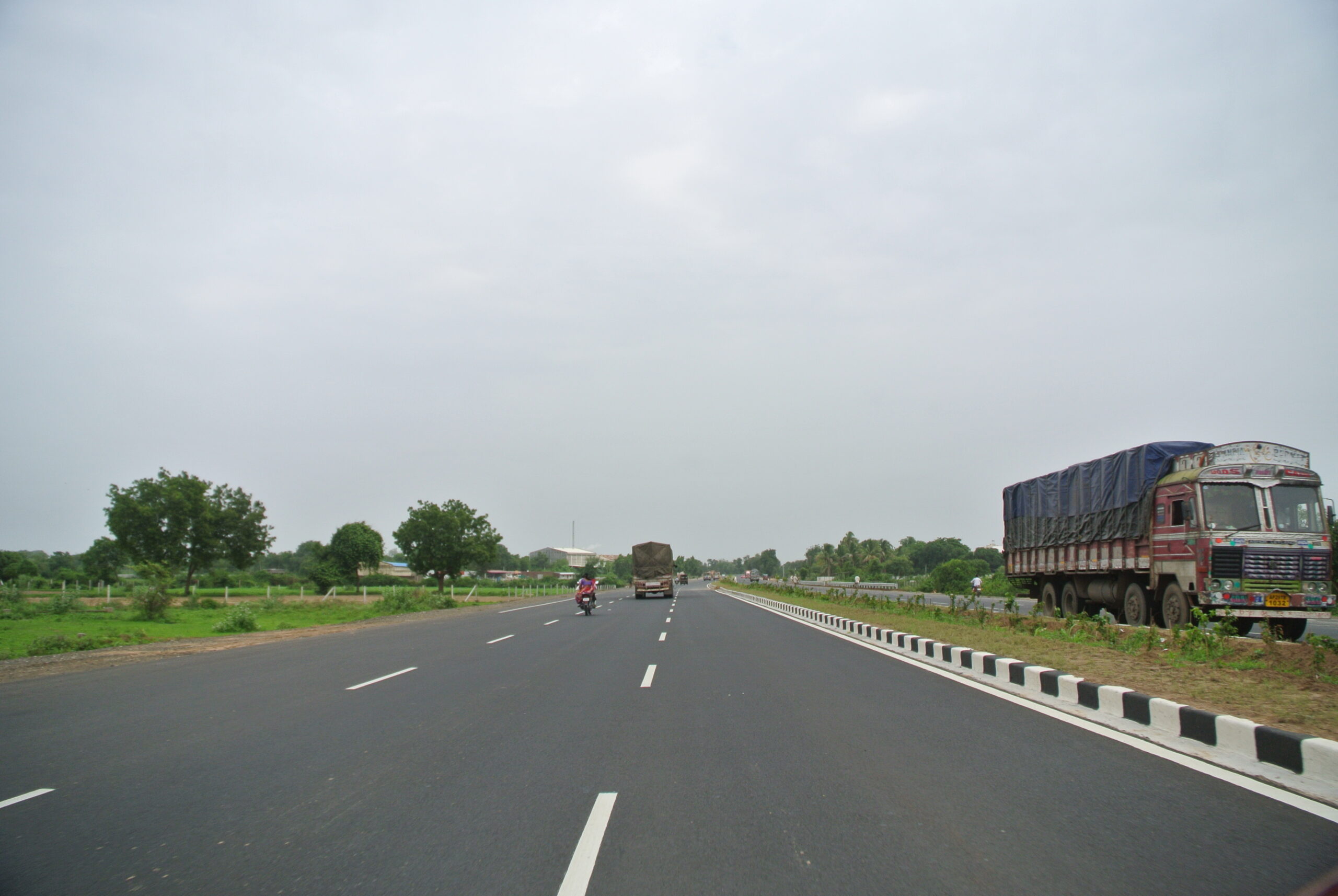
From your Turkish supplier to the Iranian destination
Specify the exact loading address in Istanbul, Bursa, Izmir, Ankara or another city, plus the unloading address in Iran. Collection, consolidation, main carriage, customs services and inland delivery must be defined separately in the quotation. Door-to-door scope applies only when every required stage has been assessed and agreed.
Gürbulak–Bazargan is a key Türkiye–Iran road corridor. Describing it does not confirm that the border is open today or promise a particular crossing. Border conditions, queues, commodity and vehicle restrictions, weather and carrier acceptance must be rechecked near dispatch.
Full truckload or commercial groupage?
Full truckload (FTL) can suit cargo requiring dedicated space or a specific loading sequence. Less-than-truckload (LTL) and consolidation can be assessed for smaller consignments, subject to cargo compatibility and an available operating plan. Provide the ready date, stackability and any requirement for a single delivery.
Compare the complete service, not just the line-haul price. Collection, storage, reloading, packing, waiting, customs services and final delivery may be separate. Groupage does not imply daily departures or a fixed delivery time.
Choose equipment around the actual cargo
Curtainsiders may suit packaged general cargo requiring side access, with a suitable securing plan. Enclosed vehicles may suit consignments needing a closed body. Refrigerated equipment requires an agreed temperature range, pre-cooling, permitted interruption limits and temperature-recording arrangements.
Standard or high-cube containers on suitable chassis may be assessed for some consignments; extra height does not mean extra permitted weight. Heavy or abnormal cargo needs technical and route review and any necessary permits. Payload depends on the selected vehicle, axle limits, road rules, weight distribution and usable space. There is no single fixed payload for every trailer.
Cargo acceptance and restricted goods
Packaged commercial goods, parts, machinery, textiles and raw materials are examples of enquiries, not a list of automatically accepted goods or proof of company shipment history. Chemicals, batteries, liquids and dangerous goods require accurate identification, relevant safety data and classification before quoting.
Steel and other metals are examples for conditional assessment only. Applicable export/import rules, sanctions, parties, end use, carrier acceptance and payment arrangements must be screened. Available truck space does not establish that a transaction is lawful. No route or inaccurate description may be used to evade restrictions.
Documents and loading preparation
Prepare the commercial invoice, packing list, seller and buyer details, precise commodity description, package count, net and gross weights, dimensions, value and manufacturing origin. HS classification, export/import permissions, origin documents and product certificates require case-specific review with qualified parties.
Coordinate road documents such as CMR and transit procedures such as TIR where applicable with the carrier. TIR does not guarantee customs clearance. Agree packing, pallets, securing, forklift or crane access, warehouse hours and package-count responsibilities before loading. Cargo and packaging photographs assist preliminary assessment.
Rates, timing and insurance boundaries
Rates depend on the actual route, weight and volume, equipment, document readiness, season, delays and service scope. Ask for the currency, rate validity, inclusions, exclusions, tax and duty responsibilities and waiting charges. No fixed transit-day promise is made without shipment-specific confirmation.
Cargo insurance and carrier liability are different. Check declared value, deductibles, exclusions, geographic scope and route risks against the proposed policy. This page does not promise all-risk coverage or guaranteed customs clearance. Reverse-direction Iran-to-Turkey shipments need their own regulatory and documentary assessment.
Frequently asked questions
What do I need for a quotation?
Commodity description, package count and dimensions, gross weights, photographs, ready date, loading/unloading addresses and special requirements.
Does every trailer have the same payload?
No. Vehicle ratings, axle limits, route rules and the load plan determine the permitted load.
Does a portal request confirm a booking?
No. Cargo acceptance, the price and the operating plan require separate confirmation.
Is there another option for urgent goods?
Air or combined transport may be assessed against cargo suitability, actual capacity and documents. This page does not announce a confirmed service or fixed transit time.
Sources and scope
IRU supports corridor context, not live border status. OFAC illustrates metals-related regulatory risk, not a legal opinion on your transaction. Shipment-specific review of current rules is required before acceptance.
IRU — Türkiye–Iran corridor, 13 August 2026 · OFAC FAQ 666 — metals-sector sanctions
Routes


