







Your Comprehensive Guide to Moving Household Goods to Iran
Relocating to a new country is a monumental life event, and when that destination is the culturally rich and historically significant land of Iran, the logistics involved require meticulous planning. Moving household goods to Iran involves navigating complex international regulations, understanding regional transport corridors, and choosing a partner that understands the nuances of Middle Eastern logistics. Whether you are relocating for a new career opportunity in Tehran, returning to your roots in Shiraz, or managing a cross-border transition from hubs like Dubai or Istanbul, understanding the mechanics of international shipping is essential for a stress-free move.
The process of moving personal effects across borders is significantly different from commercial shipping. It requires a deep understanding of customs exemptions, prohibited items, and the specific documentation needed by Iranian authorities. In this guide, we will explore the various facets of relocating your life to Iran, from selecting the right freight methods to managing the intricacies of door to door cargo UAE services and beyond. With the right information, your transition to the Persian heartland can be as seamless as a local move.
Choosing the Best Shipping Method: Air Freight vs. Sea Freight
One of the first decisions you will face when moving household goods to Iran is the mode of transport. The choice between air and sea freight depends largely on your budget, the volume of your belongings, and your timeline. For those moving from the UAE or Turkey, both options are readily available through any reputable shipping company in Dubai or Istanbul.
The Speed of Air Freight
If you are relocating with a smaller volume of goods or need your essential items to arrive quickly, air freight is the preferred choice. Major airports in Tehran and Shiraz serve as primary gateways for international air cargo. While more expensive than sea transport, air freight offers unmatched security and speed, often reducing the transit time to just a few days. This is particularly useful for expats who need to set up their homes immediately upon arrival.
The Capacity of Sea Freight
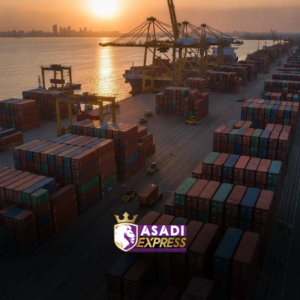
For a full household move, including furniture, large appliances, and personal vehicles, sea freight is the most cost-effective solution. Most household cargo enters Iran through major ports like Bandar Abbas. From there, goods are transported by land to major cities. Utilizing air freight and sea freight UAE services allows you to mix these modes—sending essential items by air and the bulk of your home by sea to balance cost and convenience.
Navigating Customs and Regulations for Household Goods
Iran has specific regulations regarding the importation of used household goods and personal effects. Generally, Iranian citizens returning after a period of living abroad and foreigners with valid residence permits are allowed to import their used household items. However, there are strict rules to prevent these items from being used for commercial purposes. Documentation is key; you will typically need a packing list, a copy of your passport, a work permit or residence visa, and a bill of lading.
It is important to note that certain items are prohibited or require special permission. These include alcohol, specific types of telecommunications equipment, and materials deemed culturally sensitive. A professional freight forwarding UAE expert can help you audit your packing list to ensure compliance with Iranian customs, preventing delays at the port of entry. Understanding the flow of cargo from Tehran to Dubai and the reverse route helps logistics providers anticipate potential bottlenecks in the customs clearance process.
The UAE to Iran Corridor: Dubai, Abu Dhabi, and Sharjah
The United Arab Emirates serves as one of the primary transit hubs for cargo moving into Iran. If you are living in Dubai, Abu Dhabi, or Sharjah, you have access to some of the most sophisticated logistics networks in the world. Many residents choose to utilize shipping between Iran and Dubai because of the proximity and the frequency of both sea and air departures. Cargo services in Dubai are highly specialized, offering everything from professional packing to temperature-controlled storage.
When moving from the UAE, many logistics providers offer a comprehensive “door to door” service. This means they will wrap your furniture in Abu Dhabi, handle the export documentation in Sharjah, manage the sea transit from Jebel Ali, and finally deliver and unpack your goods in your new home in Tehran. This end-to-end management is crucial for busy professionals who cannot afford to manage multiple contractors across different countries.
Relocating from Turkey: The Istanbul to Tehran Route
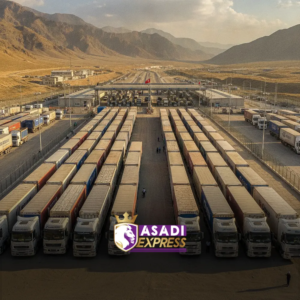
Turkey has become a significant hub for regional relocation, especially for those moving between Europe and the Middle East. If you are searching for a logistics company in Istanbul to handle your move to Iran, you will find that land transport is a very viable and popular option. Trucking services provide a direct link from Turkish cities to the Iranian border, offering a middle ground between the speed of air and the cost of sea freight.
For those managing a complex move, Asadi Express Cargo provides the expertise needed to handle multi-country transitions. When you require household moving from Turkey to Iran, the process involves navigating the transit through various borders. Professional movers ensure that your furniture is protected against the vibrations of long-haul trucking and that all transit visas for the cargo are in order before the journey begins. This route is also essential for those shipping goods from Turkey to other Gulf nations via Iran.
Logistics Solutions in Oman: Moving to Muscat and Beyond
Oman is another critical node in Middle Eastern logistics, with Muscat serving as a growing gateway for regional trade. For families moving household goods between Iran and Oman, the maritime routes are the most efficient. Cargo services Muscat Oman offer specialized handling for personal effects, ensuring that the unique maritime conditions of the Gulf of Oman are accounted for in the packing process. The route involving Dubai to Muscat cargo often acts as a feeder for larger shipments heading toward the Iranian coast.
The relationship between Omani and Iranian ports has strengthened, making the transition smoother for expats moving between these two nations. Whether you are sending a few boxes or a full container, the logistics infrastructure in Muscat is equipped to handle the demands of international relocation, providing a reliable link for those moving south from Tehran or north from the UAE.
Business, E-commerce, and Personal Cargo Use Cases
The demand for moving goods to Iran isn’t limited to just household furniture. There are several scenarios where specialized logistics become necessary:
Personal Effects and “Excess Baggage”
Many travelers find that their airline’s baggage allowance is insufficient for a long-term move. In these cases, shipping from Shiraz to UAE or vice versa for smaller shipments of clothes, books, and personal electronics is more economical than paying airline fees. This “small cargo” approach allows for flexibility and ensures your most prized possessions are handled with care by a dedicated shipping company.
E-commerce and Small Business Stock
Entrepreneurs moving to Iran may also need to transport business inventory or e-commerce stock. This requires a hybrid approach where household goods are moved alongside commercial samples. Professional freight forwarding UAE services can help segregate these items to ensure that the personal effects qualify for duty exemptions while the commercial goods are properly declared for taxes.
Relocation for Corporate Entities
When a corporation relocates its staff, the volume of cargo can be immense. Asadi Express Cargo excels in managing these high-volume transitions, ensuring that employee’s homes are moved efficiently so they can focus on their professional responsibilities. For high-level moves involving Turkey to UAE freight and Iranian connections, having a single point of contact simplifies the entire corporate relocation strategy.
Packing Tips for Long-Distance Relocation
The success of moving household goods to Iran depends heavily on the quality of packing. International transit involves multiple handlings—from the truck to the warehouse, into a container, onto a ship or plane, and then through the reverse process at the destination. Use heavy-duty, double-walled boxes for fragile items and ensure all furniture is wrapped in “bubble-blanket” or high-grade corrugated paper. Label every box clearly with its contents and the room it belongs to in the new house, but avoid listing high-value items like “jewelry” on the outside of the box for security reasons.
If you are shipping items that are sensitive to heat, such as fine art or leather furniture, consider the climate of the transit route. Moving goods through Dubai or Muscat in the summer months requires climate-controlled storage to prevent damage. A reputable shipping company in Dubai will offer these specialized facilities as part of their relocation package. To get started with your customized moving plan, you can reach out for professional freight forwarding UAE advice from experienced consultants.
Frequently Asked Questions
1. Can I ship my car to Iran with my household goods?
Yes, it is possible to ship a vehicle to Iran, but it is subject to very strict regulations and high import duties. Generally, only certain models and year ranges are allowed, and special permits from the Ministry of Industry, Mine, and Trade are often required. It is highly recommended to consult with a specialist before including a vehicle in your move.
2. How long does it take to ship from Dubai to Tehran?
Air freight can take between 3 to 7 days, including customs clearance. Sea freight to Bandar Abbas followed by road transport to Tehran typically takes 3 to 5 weeks, depending on the frequency of sailings and the speed of the customs process at the port.
3. Are my goods insured during the move?
Most professional logistics providers offer “Goods in Transit” insurance. It is vital to ensure you have comprehensive marine insurance that covers the full replacement value of your items from the moment they leave your old home until they are delivered to your new one in Iran.
4. Do I need to be present in Iran for customs clearance?
In most cases, the owner of the goods (or a legally authorized representative with a power of attorney) must be present in the country to complete the clearance process, as your original passport and residence documents must be presented to the authorities.
5. Can I move my electronics and appliances?
Yes, you can move household appliances, but keep in mind that Iran uses a 220V/50Hz electrical system with European-style plugs. Ensure your appliances are compatible or that you have high-quality transformers and adapters ready for your arrival.
Conclusion
Moving household goods to Iran is a journey that spans across borders, cultures, and complex regulatory landscapes. From the bustling ports of the UAE to the historic streets of Istanbul, the regional logistics network is the backbone that makes these transitions possible. By choosing the right shipping method, preparing your documentation diligently, and partnering with an expert like Asadi Express Cargo, you can turn a daunting international relocation into a well-managed and successful project. Whether you need cargo services in Dubai, land transport from Turkey, or maritime solutions in Oman, the key to success lies in professional planning and local expertise. For a seamless experience tailored to your specific needs, trust Asadi Express Cargo to bridge the gap between your old home and your new beginning in Iran.
More articles