






Navigating Legal Requirements for Turkey-Iran Logistics
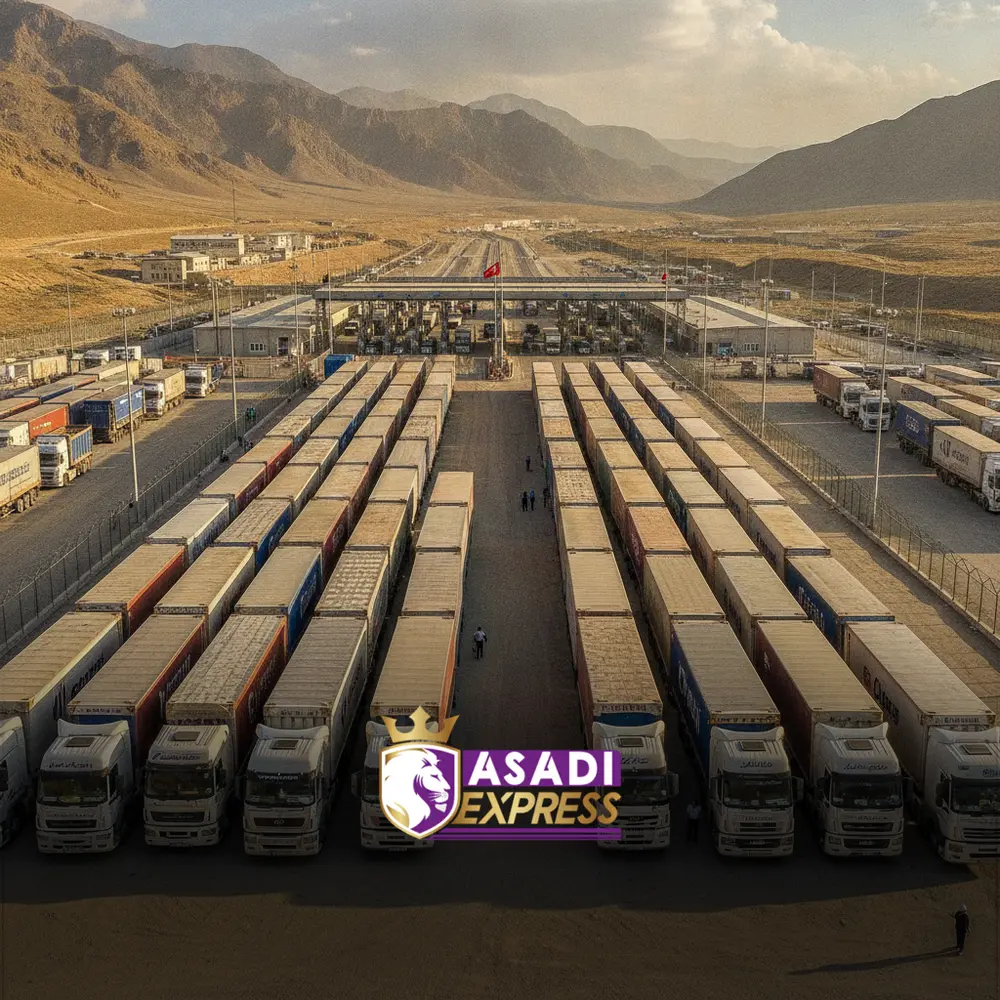
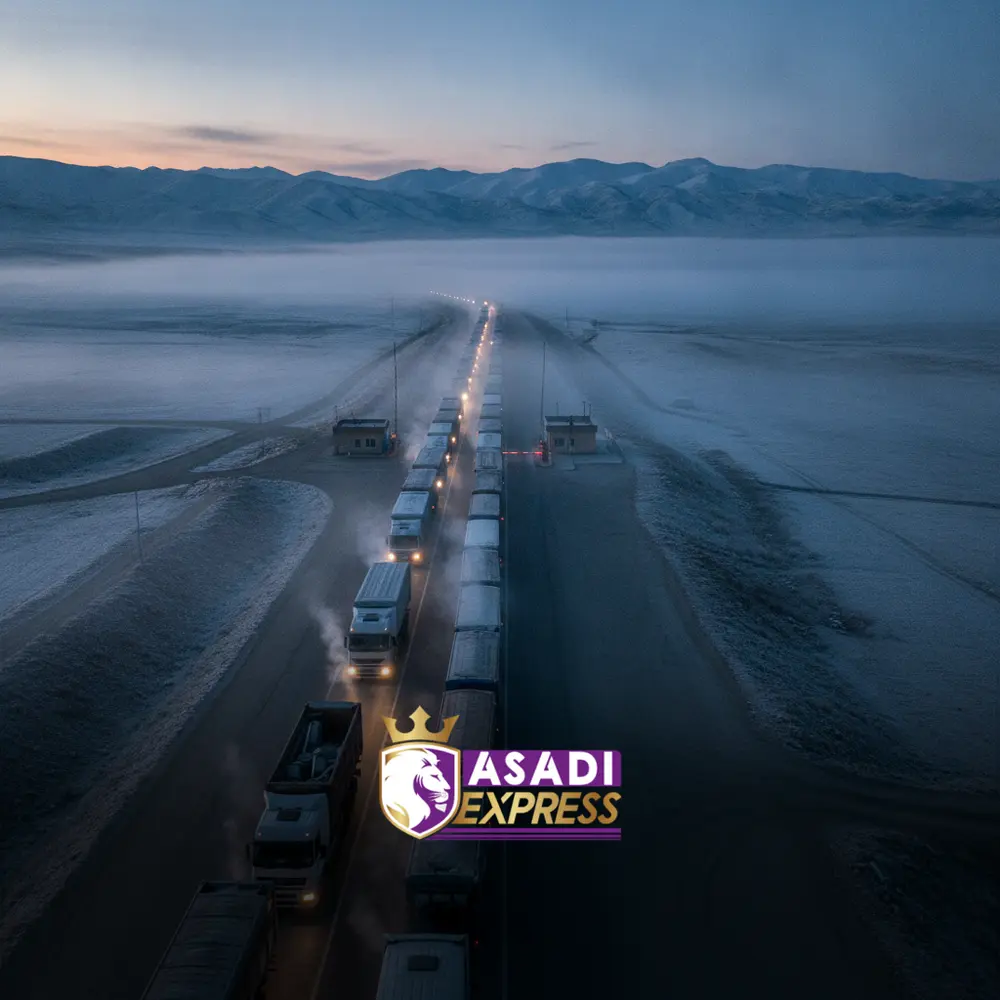
I recall standing at the Bazargan-Gürbulak border crossing at four in the morning, watching a fleet of heavy-duty Scania trucks line up as the freezing wind whipped across the Anatolian plateau. The drivers were huddled in the warmth of the customs office, clutching folders of yellowing manifests and transit documents, waiting for the shift change. It is here, amidst the heavy scent of diesel and the bureaucratic clatter of stamps, that the reality of Turkey-Iran logistics hits you. It is not just about the weight of the cargo or the horsepower of the engines; it is entirely defined by the intricate dance of customs regulations, transit permits, and the constant flux of trade policy between these two regional powers.
The legal framework governing this route is demanding. Whether you are moving textile machinery from Istanbul or electronics through the transit hubs, the paperwork requires absolute precision. Even a minor discrepancy in the Harmonized System code or a missing stamp on the CMR note can lead to weeks of detention at the border. Managing this complexity requires more than just trucks; it requires a deep understanding of the bilateral agreements that govern road transport and transit trade in this volatile corridor.

Essential Documentation for Cross-Border Transit
Moving goods across the border involves a series of non-negotiable documents that prove the legality of your freight. The TIR Carnet system remains the backbone of this trade, allowing vehicles to transit through signatory countries with a minimum of interference. You must ensure that your TIR Carnet is not only valid but correctly filled out for each leg of the journey. If you are operating under different regimes, the documentation shifts toward standard export declarations and the specific transit documents required by the Iranian customs authorities.
The Certificate of Origin is another point of frequent contention. Customs officials at both ends of the route verify these documents to ensure compliance with trade sanctions and preferential tariff agreements. In my years arranging shipments between Tehran and Dubai, I have seen too many containers held up because a company treated a commercial invoice like an afterthought. You must verify every detail on these forms against the physical cargo manifest before the truck even departs the warehouse in Istanbul.
It is worth noting that cargo regulations are not static. Policy changes occur frequently, often without much warning, which forces logistics managers to stay updated on the latest circulars from the ministries of commerce in both Ankara and Tehran. Working with cargo and transportation Turkey to Dubai UAE Oman routes provides a helpful framework for understanding how these document standards are applied across the broader Middle Eastern region.
Customs Compliance and Border Protocols
The Gürbulak border is a study in controlled chaos. When your truck arrives, the Iranian customs agents perform a physical inspection of the cargo against the digital declaration already submitted by your agent. This digital matching is critical. If your cargo weight deviates by more than a few kilograms, or if the commodity description lacks the specific technical specifications demanded by Iranian import quotas, the shipment gets diverted to a physical storage area. These areas are costly and difficult to manage remotely.
You must also account for the mandatory insurance requirements. While CMR insurance covers the carrier’s liability, you are responsible for ensuring that the goods themselves are covered for the entirety of the land transit. This is particularly relevant when dealing with specialized equipment or high-value electronics. Many shippers mistakenly believe that standard road insurance covers every eventuality, but you should verify that your policy specifically covers transit through border zones where theft or damage risks are statistically higher.
One of the biggest hurdles involves the conversion of currency and payment protocols. Since traditional banking channels can be complex, many companies rely on specialized logistics partners who understand the local financial nuances. When you plan your supply chain, it is wise to consult with experts who handle shipping between Iran and Turkey to ensure your financial documentation is as robust as your physical manifest.
Navigating Sanctions and Restricted Goods
The geopolitical environment means that certain commodities are subject to stringent dual-use regulations. You cannot simply ship raw metals, specialized chemicals, or high-tech components without demonstrating they have no military application. The Iranian customs authority maintains a list of restricted items that is updated regularly. If your business model involves these categories, you should expect additional vetting that can last for several days at the border.
When dealing with sensitive goods, the transparency of your documentation is your best defense. You need a clear paper trail that connects the original manufacturer, the seller, and the final consignee. If any link in that chain is obscured or improperly documented, the cargo can be seized pending further investigation. This adds a layer of risk that necessitates high-level compliance planning before a single box is loaded onto a trailer.
For businesses looking to integrate these complex routes with their broader operations in the UAE, utilizing reliable freight forwarding services remains the most effective way to stay ahead of regulatory shifts. Asadi Express Cargo often provides the necessary oversight to ensure that your shipments are aligned with international standards while moving efficiently through these specific regional checkpoints.

Logistical Strategy for Regional Hubs
Logistics in this part of the world rarely follows a straight line. Many traders in Iran prefer to utilize Dubai as a consolidation hub, moving goods from Istanbul to Dubai first, and then transshipping them across the Persian Gulf into the southern ports of Iran. This strategy is often legally cleaner because it allows you to utilize established free zone regulations in the UAE to handle customs clearance before moving the cargo forward. It splits the regulatory burden, making it easier to manage the Turkey-Iran transit as two distinct parts of a larger chain.
When you shift your perspective to using the UAE as a buffer, you gain access to more diverse shipping options. For instance, you might choose to move your cargo from Istanbul by land and then switch to sea freight from a Jebel Ali terminal. This reduces the time spent on the notoriously congested border roads and provides a more predictable transit schedule. It also opens up options for bulkier cargo that might not be suitable for the arduous overland haul through the mountains.
Of course, this strategy relies on local connections. You need a partner who can manage the sea-to-land handoff efficiently. Companies that focus on shipping from China to Dubai frequently utilize these same hub-and-spoke models, which proves that the infrastructure exists to support complex multi-modal movements if you organize the documentation correctly.
Handling Personal and Household Effects
Moving personal household goods between Turkey and Iran involves a completely different set of legal hurdles. Unlike commercial freight, where the focus is on duties and tariffs, personal moving requires detailed packing lists that itemize every single household item. You are essentially dealing with personal customs clearance, which is often more tedious than moving a container of spare parts. The Iranian authorities require a declaration of residency or valid work permit credentials to authorize the tax-free entry of personal items.
You must ensure that the packing list is not just a summary. If you list three boxes of kitchenware, you need to be prepared to clarify exactly what that means. I have seen families lose their entire household shipment because they failed to properly declare a small collection of antique books or electronics that fell into a prohibited or restricted category. Accuracy here is not just about logistics; it is about protecting your personal property during a move.
Asadi Express Cargo regularly assists with these types of specialized transfers, handling the specific permits required for personal belongings. This level of service ensures that the transition between countries is handled by professionals who understand exactly what the customs officers are looking for during an inspection.
Frequently Asked Questions
Can I use my private car to transport my business goods across the border? No, that is a quick way to have your goods confiscated and your vehicle impounded. Commercial cargo must be moved through licensed transit companies that have the proper bonded registrations to handle customs clearance at the border, as individual vehicles lack the legal status to carry freight manifests.
What is the typical transit time for a truck moving from Istanbul to Tehran? Under perfect conditions, you are looking at roughly five to seven days. However, you must account for seasonal factors like heavy snow in the mountains or public holidays when border offices might operate on reduced staff. It is safer to plan for ten days to avoid frustration.
Is there a benefit to using sea freight instead of road transport for this route? Road transport is usually faster if the border is clear, but sea freight is often cheaper for high-volume or heavy items. Many businesses find that ocean freight forwarding is more reliable when they are dealing with non-perishable goods that do not require urgent delivery, especially when the overland route is experiencing high traffic volume or geopolitical friction.
How do I prove the value of my cargo to customs? You must provide a certified commercial invoice that matches your packing list and your proof of payment. If the value seems suspiciously low to the customs agent, they will use their own database to assign a valuation, which will almost certainly result in you paying higher duties than necessary.
Final Steps for Your Logistics Planning
The legal landscape of Turkey-Iran logistics is not designed to stop trade, but it is designed to strictly regulate it. If you approach your shipments with a mindset that prioritizes transparency and meticulous documentation, you will navigate the border crossings with far fewer issues. Every form you fill out correctly is an investment in the timely arrival of your goods.
Do not wait for a shipment to be held up at the border to verify your compliance status. Take the time to audit your supply chain against the current regulations for both nations before the manifest is signed. If you find the regulatory requirements overwhelming, reach out to an experienced team to review your logistics plan and identify potential bottlenecks before your cargo enters the pipeline.
More articles