






Essential Documentation Guide for Turkey to Iran Cargo
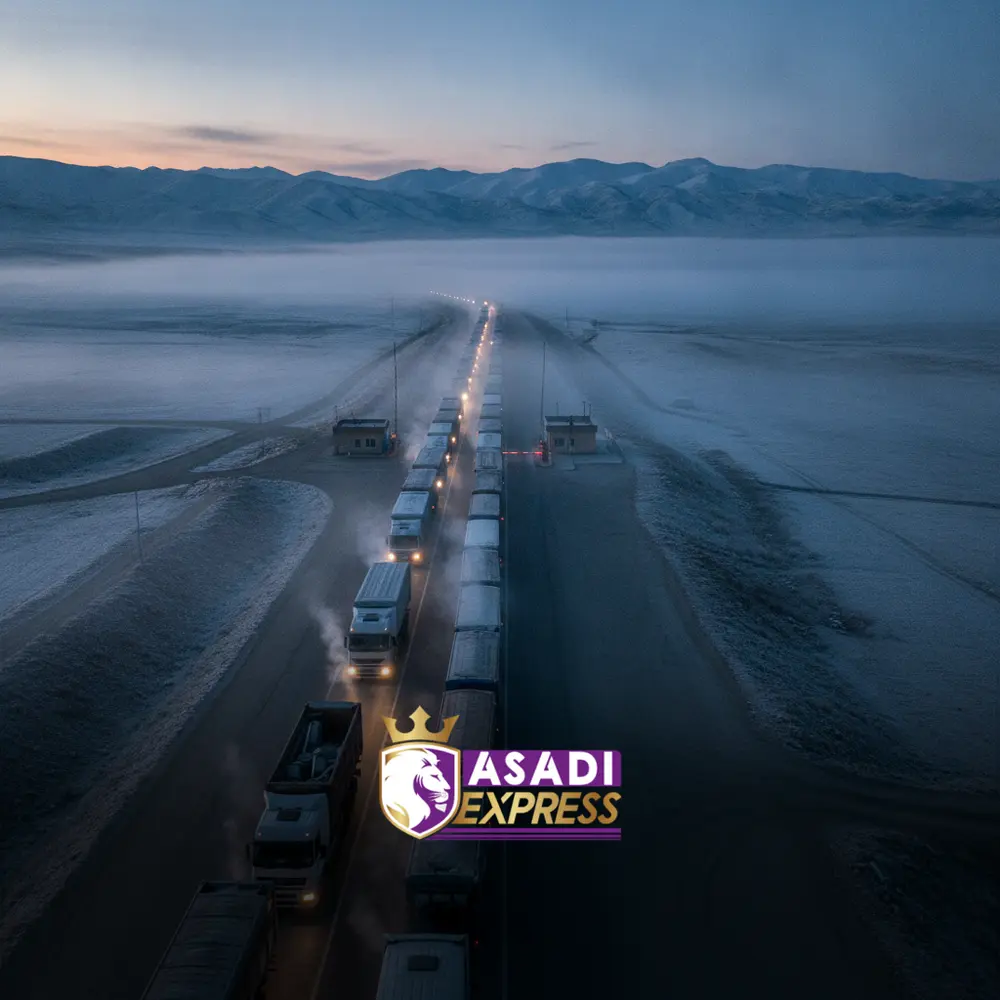
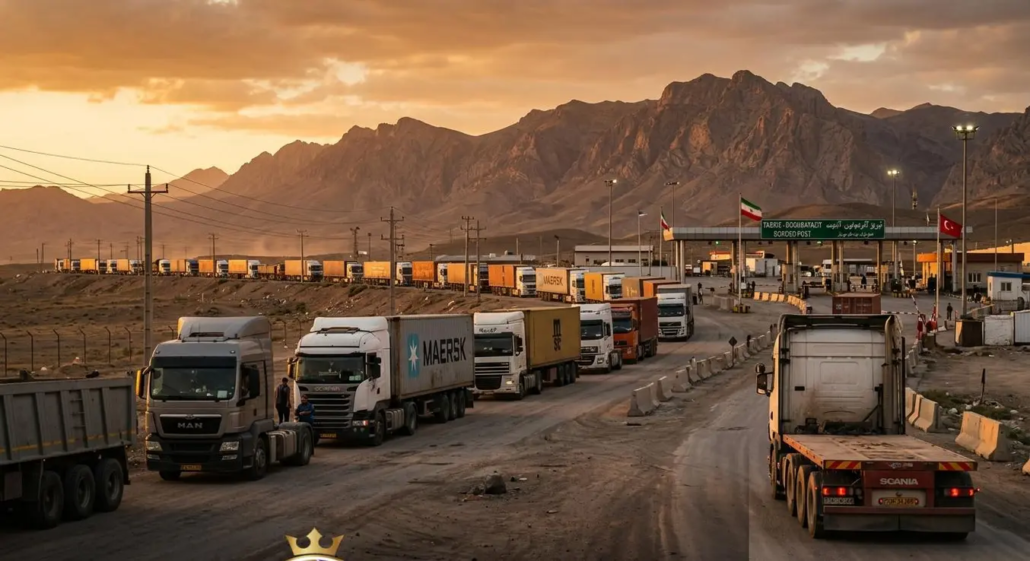
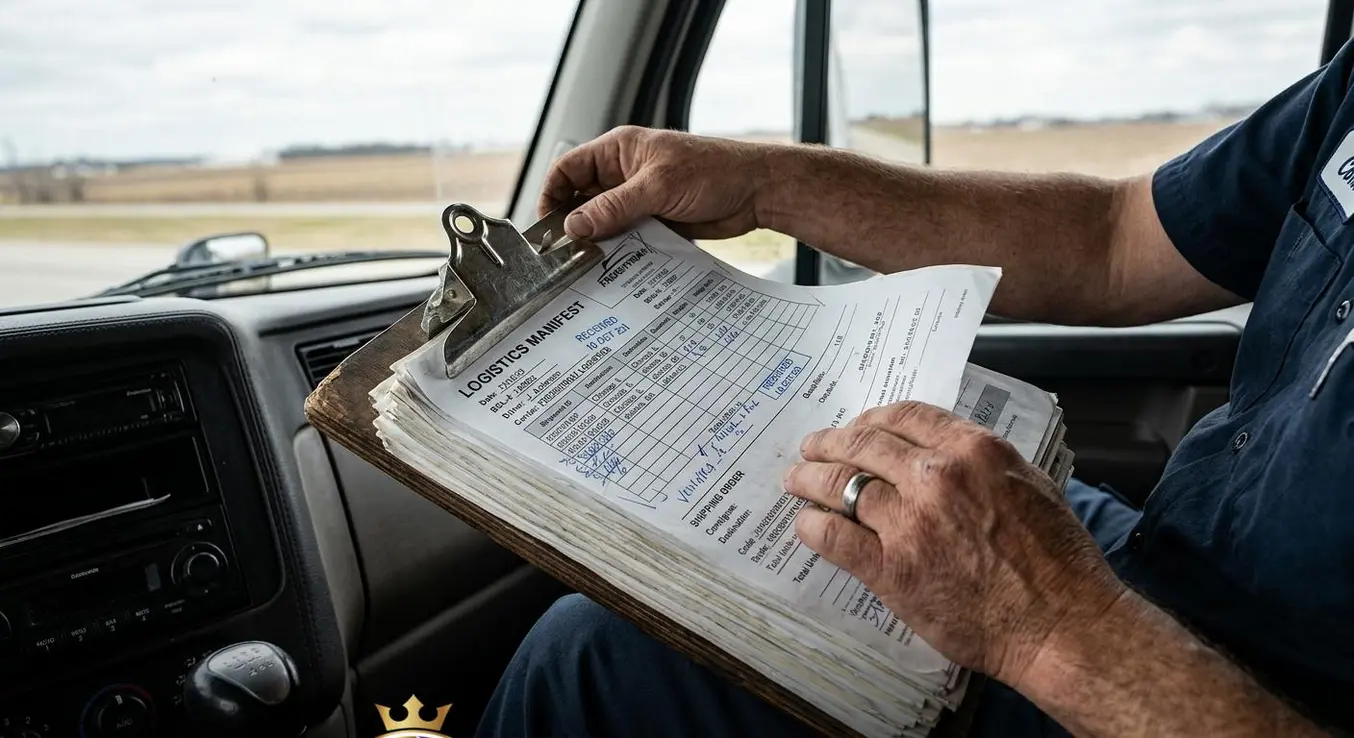
The customs office at the Gürbulak border crossing is often a scene of controlled chaos. You might see a queue of trucks stretching back for kilometers, drivers sipping tea while clutching thick folders of manifest documents, and customs officers methodically inspecting transit papers. I remember standing there in the biting cold a few years back, watching a driver from Istanbul realize his CMR note had a minor discrepancy in the cargo weight, effectively freezing his entire load for three days. That is the reality of moving freight across this specific corridor: the goods are ready, but the paperwork dictates the pace.
Moving goods between Turkey and Iran is not just about finding a reliable truck or a competitive rate. It is a game of extreme precision regarding regulatory compliance. Whether you are moving industrial machinery from the industrial zones of Istanbul or textiles destined for the markets in Tehran, the documentation requirements remain the backbone of the operation. If your paperwork is out of sync, your shipment sits idle at the border, incurring detention charges and missing critical delivery windows for your buyers.
Understanding the Core Documents for Cross-Border Logistics
When you start organizing a shipment from Turkey to Iran, you must treat your document file as the most valuable part of the cargo. The CMR note is your primary document for road transport, essentially acting as the contract between the sender, the carrier, and the receiver. It details the nature of the goods, their weight, and the agreed delivery destination. Without a clean, signed CMR, the truck cannot even exit the Turkish customs zone, let alone cross into Iran.
Beyond the CMR, the commercial invoice and packing list are non-negotiable. These documents must match perfectly. Even a discrepancy of a few kilograms or a mismatch in the description of items can lead to a red flag from border authorities. For those looking at broader regional shipping options, it is worth reviewing shipping between Iran and Turkey to understand how different cargo categories impact the customs documentation required at these specific land ports.
Pro-forma invoices are another hurdle that many exporters overlook. In the context of Iran, these are often required by the buyer to secure their import license or currency allocation from the central bank. If your pro-forma is issued incorrectly, the buyer cannot process the payment, and your cargo remains stuck in a warehouse in Turkey. Always ensure that the description of the goods aligns with the HS codes, as these codes are the universal language that customs officials in both countries use to assess duties and taxes.
Managing Transit Documentation and Border Compliance
The journey from a facility in Istanbul to a warehouse in Tehran involves crossing multiple jurisdictional boundaries. The Transit Declaration, or T1 form, is essential for goods moving under bond. This document ensures that the taxes for the goods are suspended while they are in transit across Turkey. The driver must carry this document at all times, and it is the responsibility of the freight agent to ensure it is accurately filed with the Turkish customs authorities before the vehicle ever hits the highway.
One detail that frequently trips up new exporters is the Certificate of Origin. Both Turkish and Iranian customs have specific expectations regarding how these are stamped and verified. If you are shipping industrial parts, you might need extra certification from the local Chamber of Commerce in Turkey to verify the source of the components. This added step adds time to the front-end planning, but it saves weeks of bureaucratic headache during the actual transit process.
In my years arranging shipments between Tehran and Dubai and through the Turkish border, I have learned that transparency is the best defense against delays. When you provide your freight forwarder with the correct documentation early, they can perform a pre-check to spot inconsistencies. This proactive stance is exactly what Asadi Express Cargo focuses on when handling complex land movements through the Middle East.
The Critical Role of Packaging and Cargo Labeling
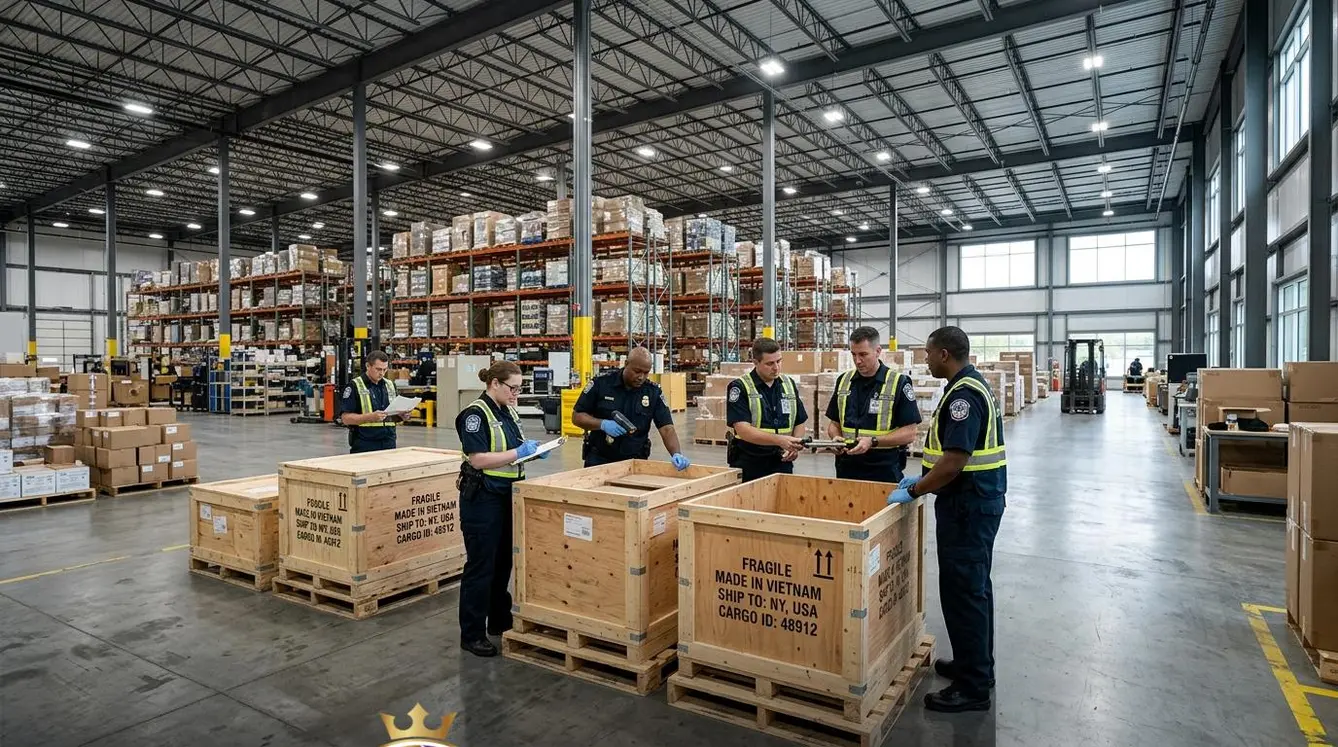
It is not enough for the paper to be right if the physical cargo does not match the description. I once saw a shipment of electrical components flagged at the border because the outer crates had labels in a different language than what was listed on the packing list. The customs officer decided that the mismatch was enough of a risk to perform a full physical inspection, which meant unloading the entire truck into a shed. This process took four days and ruined the schedule for the local distributor in Tehran.
Your labeling should include clear markings on all sides of the pallet or crate. Include the consignee information, the gross and net weight, and the unique tracking number assigned by your transport provider. If the cargo consists of hazardous materials or fragile items, those symbols must be visible and standard. Consistency across the physical tags and the digital manifests is a requirement for anyone serious about professional logistics.
Many clients often wonder how this process differs when they are dealing with different transport modes or destinations within the Gulf region. For instance, learning about air freight forwarding services can be an eye-opener when you need to move high-value, time-sensitive documents or samples that simply cannot wait for the long-haul transit times associated with trucking routes.
Navigating Import Licenses and Iranian Customs Regulations
Iran has a complex system of import regulations that change depending on the nature of the goods. Certain items require a specific import permit from the Ministry of Industry, Mine, and Trade. If your cargo hits the border and you do not have this permit, the goods can be held, or in some cases, returned to the origin at your expense. It is imperative that your Iranian buyer has confirmed the status of their import licenses before the truck departs from Turkey.
Financial documentation is equally important. Since currency controls are active, the link between the customs declaration and the banking system must be solid. When Asadi Express Cargo coordinates these movements, we emphasize that the customs declaration value must match the commercial invoice value. Any attempt to minimize declared value to save on duty can lead to severe fines and permanent blacklisting of the importer in the Iranian customs system.
This is a serious business environment where accuracy is the only way to ensure growth. You must have a local partner who understands these nuances. If your goal is to expand your supply chain, it is useful to see how professional land transportation teams handle the coordination between different national bureaucracies to keep the wheels moving across international borders.
Logistics Documentation for Specialized Cargo
Moving household goods or specialized industrial equipment requires an even deeper level of scrutiny. For household moves, you are often dealing with personal items that do not have the standard commercial invoices, which necessitates a detailed packing inventory list with values for each item. Customs in both Turkey and Iran look for a clear distinction between commercial freight and personal belongings to assess the appropriate taxes.
For industrial equipment, you might need technical manuals or installation guides to be attached to the manifest to prove that the goods are for legitimate business use. If the items are used, you must have proof of the equipment age and condition, as this affects the valuation for customs duties. The documentation must clearly state the item is a used asset to avoid being taxed at the rate of new, retail-price equipment.
If you find that your business needs to consolidate multiple types of cargo or manage smaller shipments, you might consider looking into ocean freight forwarding as a cost-effective alternative for heavy machinery that doesn’t need to move at the speed of a land truck. Building a diverse logistics strategy often involves using land, air, and sea modes in tandem, provided each documentation file is tailored to the specific requirements of that route.
Handling Challenges and Common Documentation Pitfalls
The biggest pitfall remains the assumption that everything will just go through because it has in the past. Documentation standards evolve. The customs software in Iran, known as the EPL system, is frequently updated, and requirements for digital signatures or specific electronic forms can change overnight. Staying in touch with your customs broker is the only way to ensure your cargo documents are compliant with the latest version of the system.
Sometimes, the documentation for a shipment can be perfect, but the truck itself lacks the required permits for the route. You need to ensure the carrier has all the necessary cross-border transit authorizations. Asadi Express Cargo ensures that every vehicle assigned to a route is fully vetted for both technical capability and the correct documentation for international transit. It is vital to remember that when you hire a carrier, you are also hiring their paperwork expertise.
If you are looking for further information on how to optimize your supply chain, you can always visit the official company website to view the full range of solutions that can assist in managing these complex cross-border logistics requirements. Ensuring your documentation is perfect is the single most effective way to avoid the stress and extra costs of border delays. Every document must serve a purpose and must be accurate, as even a small error in the paperwork can become a major obstacle to your business success.
Frequently Asked Questions
What is the most common reason for a cargo delay at the Turkish-Iranian border? The most common issue is a mismatch between the commercial invoice and the actual cargo on the truck. If the customs agent finds a discrepancy in the item count or the declared value, the entire shipment is held for manual verification, which can take days or weeks.
Do I need to be physically present to clear my cargo? No, but you do need a licensed customs broker on the ground. You must authorize them to represent your interests and process the declarations. Attempting to handle the process without a local expert is almost guaranteed to end in a documentation error.
Is there a specific way to pack goods for long-haul land transport? Yes, the cargo should be palletized and wrapped in a way that allows for easy inspection by customs officers. If they have to break down the entire shipment to count the items, they will not repack it with the same care you would expect. Clear, logical, and accessible packing is part of your documentation strategy.
When you are ready to move your cargo from Turkey to Iran, ensure your documents are prepared at least a week before the expected loading date. Review your invoices, verify your import licenses, and check that your carrier has valid transit permissions. By taking these steps, you minimize your risk of unexpected border delays and ensure your goods arrive in the condition you promised your customers. Logistics is a precise science, and your paperwork is the most important tool you have to guarantee the result.
More articles