






Navigating Taxes and Duties for Shipping Turkey to Oman
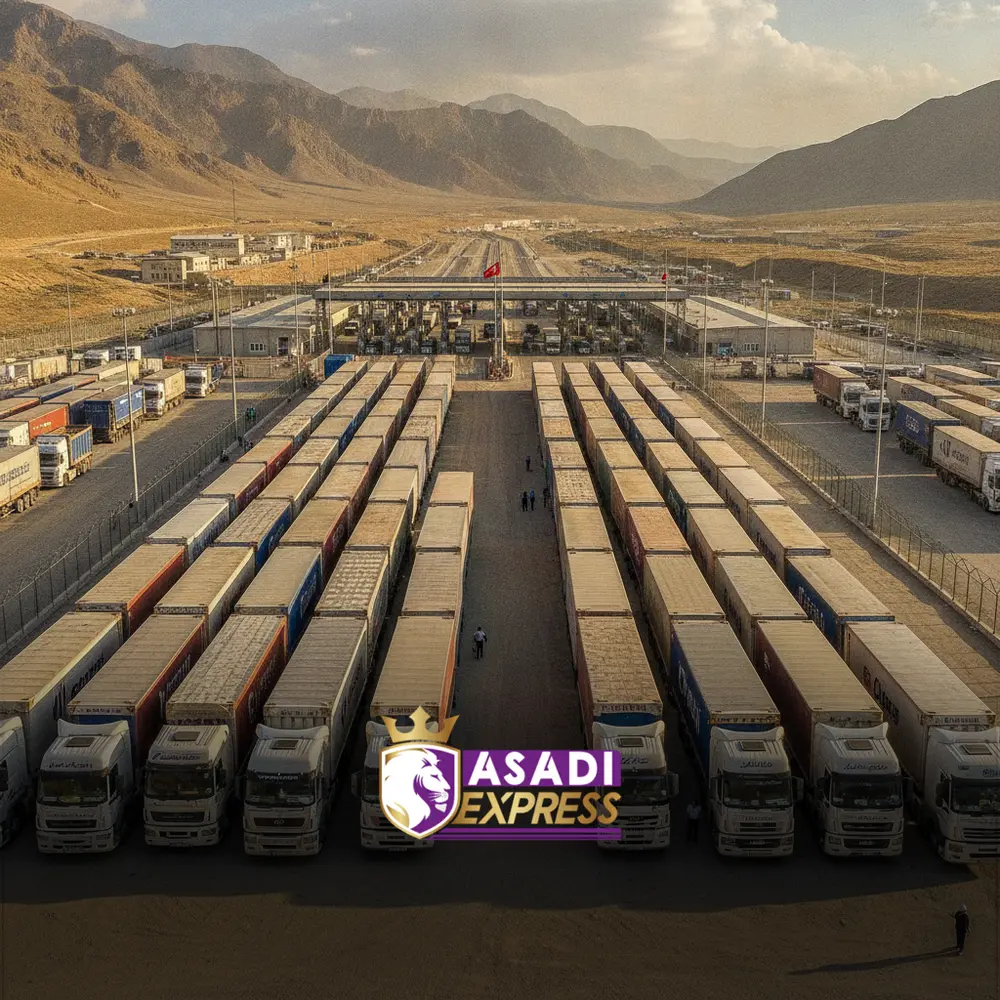
The customs broker in a crowded office near the border crossing between Turkey and Iran pulls a heavy file from his desk, rubbing his eyes after a long morning of reconciling HS codes for a client moving textiles to Muscat. Behind him, the roar of trucks idling in the yard is constant, a reminder that every crate of cargo holds more than just goods; it holds the financial weight of fluctuating tariffs, administrative duties, and the persistent risk of unforeseen customs holds. You rarely see the full picture of a shipment by looking at a spreadsheet alone. It takes an intimate understanding of how goods flow across these borders to keep the taxes and duties from eating into your margins.
Understanding the tax landscape when moving cargo from Turkey to Oman requires more than just checking a general tariff list. You are dealing with a complex interplay of the GCC customs union regulations, bilateral trade agreements, and the specific classification of your commodities. Whether you are dealing with industrial machinery or high-end retail goods, the duty structure is the primary gatekeeper for your supply chain. If you miscalculate the landing cost, the price of your goods in Muscat might suddenly become uncompetitive. It happens more often than traders care to admit, usually because they underestimated the impact of local import levies alongside the standard customs duty.

Customs Classification and Tariff Structures
At the heart of every import into Oman lies the Harmonized System code. This is the international language of trade, yet it is where most disputes occur at the Omani border. When shipping from Turkey, you must ensure your documents are precise. A slight variance in how your goods are described can mean the difference between a five percent duty and a fifteen percent penalty or restricted entry. I have sat in enough transit offices to know that when an agent in Muscat questions an HS code, the clock starts ticking on your storage fees, and those costs are often higher than the original tax differential.
The GCC customs union simplifies many things, but Oman retains its own specific requirements for documentation and certification. When your shipment arrives, it is not just about paying the duty; it is about proving the origin. Turkey and Oman maintain a steady trade relationship, yet you must provide a valid Certificate of Origin to benefit from any potential trade facilitation. Without this, you are effectively paying the standard third-party rate, which is rarely optimized for your specific trade volume. Keep your paperwork digitized and centralized so that your clearing agent in the Middle East has everything they need before the vessel even docks at Port Sultan Qaboos.
Efficiency in logistics is rarely about speed alone. It is about how well you integrate your documentation with the land transportation networks that move goods from Turkey through transit points into the GCC. You cannot treat customs as a separate activity from the physical movement of cargo. If your goods are stuck in a customs warehouse because of a clerical error on a commercial invoice, your land transport team is burning money while waiting for clearance. Aligning your logistics provider with your customs strategy is the only way to minimize these hidden overheads.
The Role of Value Added Tax and Local Levies
The introduction of Value Added Tax in Oman changed the math for almost every importer. It is no longer just about the percentage of duty paid at the port. You now have a two-tier challenge: the customs duty on entry and the VAT application that impacts your cash flow. For many businesses, the key is knowing which goods qualify for deferment or special exemptions, particularly if the cargo is part of a larger project or meant for re-export. Re-exporting from Oman to other GCC markets is a distinct business strategy, but it requires a clean entry record to avoid double taxation scenarios.
Consider the typical journey of an appliance shipment from an Istanbul factory. It traverses Turkey, crosses the border into Iran, and eventually moves toward the southern coast. Each leg of this trip requires adherence to local transit bond regulations. When the goods finally enter the Omani zone, the duty is assessed on the CIF value, which includes the cost of insurance and the freight fees paid to move it from Istanbul to Muscat. Every invoice you receive for the logistics leg becomes part of the taxable base. This is why managing your total logistics expenditure is essential for controlling the final tax burden.
Managing the flow of cargo from Tehran to the coastal hubs requires the same level of scrutiny that we apply to Turkish imports. Many of our clients at Asadi Express Cargo use the shipping between Iran and Oman route to consolidate goods before distributing them throughout the region. By understanding the duty exemptions and the specific bilateral protocols between these neighbors, you can often find a more cost-effective way to route your goods. It is rarely just about the shortest route on a map, but rather the route with the fewest tax complications.
Documentation Requirements for Turkish Exports
If you have ever had to explain to a customs officer why your packing list does not match the actual count of pallets in a container, you know the sinking feeling of a pending inspection. When shipping from Turkey, the export documentation must be bulletproof. This includes the commercial invoice, the packing list, and the aforementioned Certificate of Origin. These are not mere formalities. They are the primary tools customs officials use to determine the risk profile of your cargo. If your documentation is messy, expect a physical inspection.
Physical inspections are the greatest enemy of a predictable shipping schedule. They cause delays, increase warehouse handling fees, and often result in damage to the cargo during the unloading and reloading process. To prevent this, ensure that your weight and volume declarations are exact. Never round up or down to make the math look easier. A disparity of a few kilograms can trigger an automated alert in the Omani customs system, which leads to a manual review of your shipment. We emphasize this to every client because consistency in the documentation phase is the easiest way to avoid additional scrutiny.
Professional cargo handling is the best insurance against customs delays. When you work with a reliable partner, they act as a buffer, ensuring that the paperwork is reviewed by local agents before it hits the official desks in Oman. Asadi Express Cargo has refined this process over many years of moving freight between the Mediterranean and the Gulf. Linking your logistical movement to a cargo and transportation Turkey to Dubai, UAE, and Oman strategy ensures that your goods move across borders as a single, cohesive project rather than a series of disjointed steps.
Managing Transit Risks and Insurance
One aspect of the tax landscape that is frequently ignored until it is too late is the relationship between insurance value and customs duties. In many jurisdictions, the insurance premium is included in the assessable value of the goods for duty purposes. While it might seem like a small detail, if you have a large shipment, it can lead to a surprise increase in the total tax bill. Always confirm the valuation method used by the destination port so you can prepare your finances accordingly.
Risk is not just about breakage or theft. It is about the financial risk of non-compliance. In my years arranging shipments between Tehran and Dubai, I have seen perfectly good shipments sit for weeks because of minor errors in the importer of record documentation. You must ensure that the entity listed as the importer is legally allowed to clear goods in Oman. Using an agent with a strong footprint in Muscat helps verify that your importer profile is active and in good standing with the local tax authorities before the goods are even shipped.
For those expanding their trade operations, it is worth exploring how you can integrate your regional inventory management with your shipping logistics. When you are balancing shipments between various regional hubs, it helps to see the full picture. You can learn more about managing your supply chain across different corridors by reviewing our homepage to see the full breadth of our regional coverage. Integrating your logistical planning allows you to choose the most tax-efficient entry point for your specific volume of goods, potentially saving significant capital over the course of a fiscal year.
Strategic Planning for Bulk and High-Value Cargo
Bulk shipments, especially those involving heavy machinery or industrial equipment, require a different approach to duties than consumer electronics. Projects often qualify for temporary import status or duty-free exemptions if the equipment is intended for specific types of development or infrastructure work. Navigating these exceptions requires an early application and a clear plan presented to the authorities. Do not wait until the goods arrive at the port to ask about project-specific duty waivers.
High-value goods, conversely, carry a different set of risks. They are subjected to higher security protocols and, depending on the nature of the items, may attract luxury taxes or specialized excise duties. It is imperative that you conduct a thorough audit of your inventory before it leaves the warehouse in Turkey. Knowing the classification of every individual SKU prevents a situation where a single component of a large shipment blocks the clearance of the entire container. Your goal is a smooth exit from customs, not a protracted negotiation over individual item categories.
Managing the flow of goods into the GCC requires a partner who understands the nuance of the local markets. Our team at Asadi Express Cargo focuses on making the complex movement of goods feel manageable through clear communication and accurate documentation. When you ship, you are not just sending cargo; you are managing a financial transaction that depends on precise timing. If you are also moving household goods or business equipment, you should look into specialized household moving from Turkey to Iran, Oman, and UAE to ensure your personal assets are handled with the same regulatory care as commercial freight.
Frequently Asked Questions
What is the most common reason for a shipment being delayed at the Omani border? It is almost always an issue with the documentation accuracy. If the description of the goods on the commercial invoice does not match the information on the Certificate of Origin, or if the HS codes are inconsistent, the customs officers will hold the shipment for review. These delays are rarely about the goods themselves and almost always about a mismatch in paperwork.
Are there ways to legally minimize the import duties when shipping from Turkey? Yes, through the correct application of regional trade agreements and by ensuring your goods are correctly classified under the most favorable HS codes allowed by law. If you are importing items for specific industrial projects, you may also qualify for duty exemptions. The key is to secure these approvals before the shipment arrives at the port, not after.
Does the transit route through third countries affect the duties in Oman? Generally, if the goods are simply in transit through a country, it does not change their origin status. However, you must ensure that the transit documents are clearly marked and that the goods remain in a bonded environment. If the cargo is opened or altered while in transit through another country, it might lose its eligibility for certain trade preferences, which could lead to a higher duty assessment upon arrival.
What happens if my goods arrive and the duty amount is higher than I anticipated? Once the assessment is made, you generally have to pay the duty to release the goods from the port. If you believe the classification was incorrect, you can appeal the assessment, but this is a long and difficult process. It is far more effective to engage a customs broker who understands the local Omani tariff schedules to perform a pre-shipment review of your commercial documents.
Optimizing Your Shipping Strategy
Logistics in the Middle East is a game of margins and details. Every kilometer traveled and every form filled out represents an opportunity to save or lose money. The tax environment is stable for those who respect the rules and perform the due diligence, but it can be punitive for those who approach it with a casual attitude. The key to successful shipping between Turkey and Oman lies in preparation, consistency, and having a local partner who knows the landscape.
Start by auditing your current shipping documentation against the latest Omani import regulations. If you identify a gap in your knowledge regarding HS codes or duty exemptions, address it before the next load leaves your warehouse. We provide end-to-end support for businesses looking to streamline this process, from initial cargo collection in Istanbul to the final delivery in Muscat. To discuss the specific tax implications of your next shipment and to develop a compliant, efficient routing plan, reach out to our team at Asadi Express Cargo and we will walk you through the regulatory requirements for your specific cargo type.
More articles