
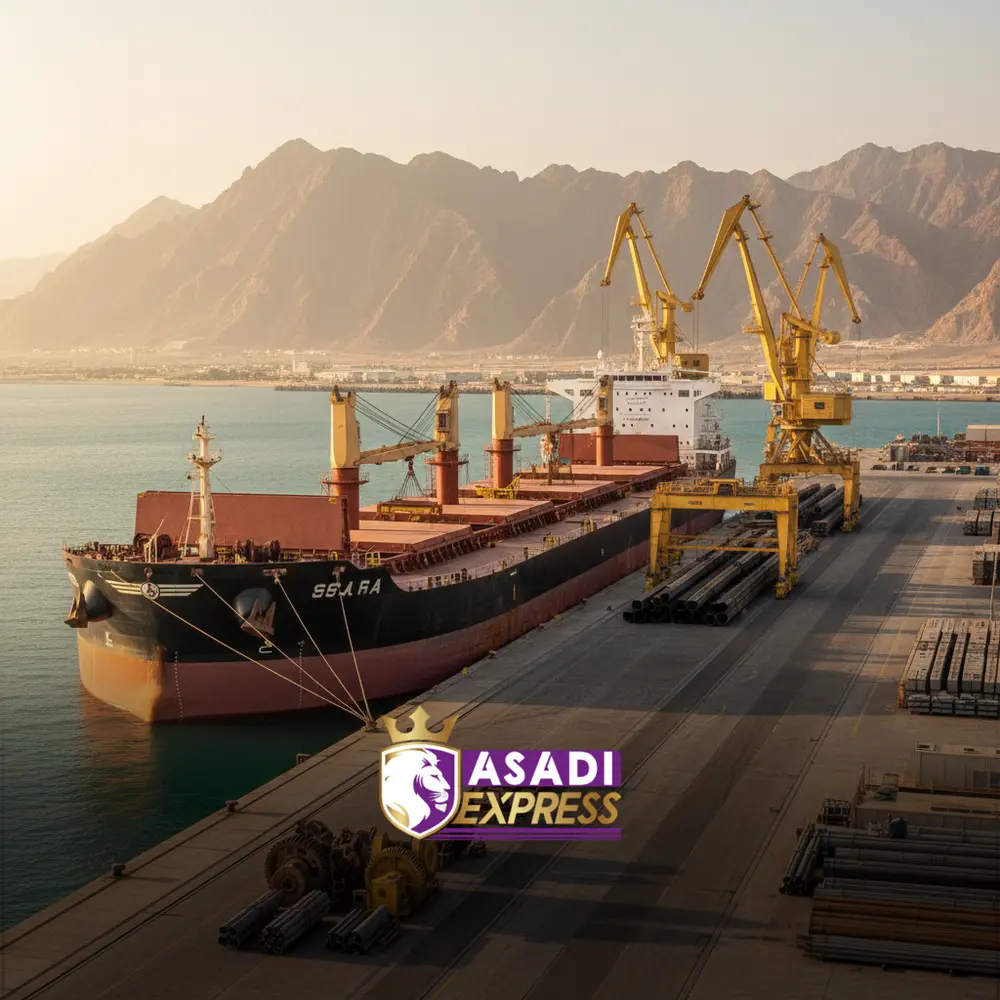
Bulk Cargo Solutions: Istanbul to Muscat
Bulk Cargo Solutions: Istanbul to Muscat
The trade corridor connecting Turkey and the Sultanate of Oman represents one of the most dynamic logistics routes in the Middle East and Western Asia. As globalization continues to bridge the gap between industrial hubs and consumer markets, the demand for “Bulk Cargo Solutions: Istanbul to Muscat” has seen an unprecedented rise. Istanbul, serving as the gateway between Europe and Asia, provides a strategic departure point for raw materials, construction supplies, and heavy machinery destined for the growing economy of Muscat. Understanding the complexities of this route—from navigating maritime regulations in the Persian Gulf to managing overland transit through diverse territories—is essential for any business looking to optimize its supply chain.
Operating a seamless logistics operation across such vast distances requires more than just transport; it necessitates a deep understanding of regional customs, port infrastructure, and multi-modal transport strategies. Whether you are moving dry bulk, liquid bulk, or breakbulk shipments, the transition from the industrial districts of Istanbul to the port of Muscat demands precision. For many businesses, utilizing a shipping company in Dubai acts as a central pivot point, allowing for consolidated cargo management and efficient transshipment. This article explores the multifaceted world of large-scale logistics, focusing on how companies can leverage professional expertise to ensure their goods arrive safely and on time.
The Strategic Importance of the Istanbul-Muscat Route
The geographical stretch from the Bosphorus to the Gulf of Oman is a lifeline for various industries. Istanbul is not just a cultural capital; it is a primary manufacturing hub for textiles, automotive parts, and construction materials. On the other end, Muscat serves as a critical entry point for the Omani market, which is currently undergoing significant diversification under its “Vision 2040” plan. Consequently, Bulk Cargo Solutions: Istanbul to Muscat have become a priority for stakeholders involved in infrastructure development and energy projects.
To facilitate these movements, a Turkey to Dubai and Oman transport services network has been established, offering both maritime and land-based options. While sea freight remains the most cost-effective method for bulk quantities, land routes through neighboring countries offer speed for specific types of non-perishable goods. Managing these routes requires a logistics company in Istanbul that understands the specific documentation needed for transit through various borders, ensuring that delays are minimized at every checkpoint.
Furthermore, the integration of these routes often involves major logistics hubs in the UAE. Many shipments from Turkey are first routed through the Jebel Ali Port in Dubai before being forwarded to Muscat. This multi-stage process highlights the importance of working with a partner who can provide freight forwarding UAE expertise, managing the complexities of customs clearance and temporary warehousing if required. Asadi Express Cargo has built a reputation for handling such intricate movements, ensuring that the heavy lifting of logistics is managed with professional care.
Types of Bulk Cargo and Their Logistics Requirements
When discussing Bulk Cargo Solutions: Istanbul to Muscat, it is vital to distinguish between the different categories of bulk goods. Unlike containerized shipping, bulk cargo is often transported in large, unpackaged quantities. This requires specialized equipment and vessels, such as bulk carriers or tankers, and unique handling procedures at both the port of origin in Istanbul and the destination in Muscat.
Dry Bulk Cargo
Dry bulk includes commodities such as grains, coal, iron ore, and cement. For the construction boom in Muscat and other Omani cities, the import of raw materials from Turkey is frequent. Handling dry bulk requires moisture-controlled environments and specialized loading equipment like conveyors and cranes. Ensuring the integrity of these materials during the long voyage through the Mediterranean, Suez Canal, and Arabian Sea is a core component of high-quality cargo services Muscat Oman.
Breakbulk and Project Cargo
Many large-scale industrial projects require the transport of “breakbulk” items—goods that are too large for standard containers, such as turbines, large pipes, or heavy machinery. This type of shipment often utilizes professional ocean freight forwarding to manage the heavy-lift requirements. Shipping such items from Istanbul to Muscat often involves detailed engineering studies to ensure the cargo is secured correctly on the deck or in the hold of the vessel.
Multi-Modal Transport: Sea, Land, and Air Freight
Efficiently moving large volumes of goods requires a mix of transport modes. While sea freight is the backbone of bulk cargo, other methods play supporting roles depending on the urgency and nature of the shipment. For instance, while most bulk items move via the ocean, urgent components or specialized machinery might require air freight forwarding services to bridge the gap and keep a project on schedule.
The sea route from Istanbul involves passing through the Suez Canal, a critical chokepoint in global trade. From there, vessels navigate the Red Sea and enter the Gulf of Aden before reaching the Arabian Sea. This route is favored for its ability to handle thousands of tons in a single voyage. However, for shipments that are time-sensitive, some companies look toward land transportation solutions that traverse the Middle East. Although land routes can be more complex due to border crossings in various jurisdictions, they offer a directness that sea travel sometimes lacks.
In the context of the GCC, “cargo services in Dubai” often serve as the secondary leg for these shipments. Goods arriving from Turkey via sea can be offloaded in the UAE and then transported via truck to Muscat. This door to door cargo UAE service model is highly popular among businesses that want a single point of contact for their entire logistics chain, covering the distance from the factory floor in Istanbul to the warehouse in Muscat.
Navigating Customs and Regional Regulations
One of the most significant challenges in Bulk Cargo Solutions: Istanbul to Muscat is the regulatory landscape. Each country along the transit path has specific requirements regarding duties, taxes, and prohibited items. For shipments originating in Turkey and destined for Oman, several layers of bureaucracy must be managed. This is where the value of an experienced freight forwarder becomes apparent.
For example, shipments passing through the UAE or Iran require specific transit permits. If a shipment involves cargo from Tehran to Dubai or shipping from Shiraz to UAE as part of a larger regional consolidation, the paperwork must reflect the origin and destination clearly to avoid legal complications. Asadi Express Cargo specializes in these regional nuances, ensuring that every manifest and bill of lading is perfectly aligned with local laws in Istanbul, Dubai, and Muscat.
Customs clearance in Muscat requires the electronic submission of documents through the “Bayan” system. Ensuring that all bulk cargo is classified correctly under the Harmonized System (HS) codes is crucial. Errors in classification can lead to significant fines or the impounding of goods, which can be disastrous for bulk shipments where storage costs at the port are high. Professional logistics providers ensure that all air freight and sea freight UAE and Oman regulations are strictly followed.
Hubs of Excellence: Istanbul, Dubai, and Muscat
The success of Bulk Cargo Solutions: Istanbul to Muscat depends heavily on the infrastructure of the ports involved. Istanbul’s Ambarli Port and the Port of Haydarpasa are well-equipped to handle large-scale exports. These ports serve as the starting point for Turkey’s industrial output, providing deep-water berths for large bulk carriers.
As the cargo moves south, Dubai acts as the premier logistics hub of the world. With Jebel Ali Port and Dubai World Central, the city provides unmatched connectivity. Many businesses choose to utilize a shipping company in Dubai to manage their Middle East logistics solutions, benefiting from the city’s free zones and advanced warehousing capabilities. From Dubai, the final leg to Muscat can be completed via sea or a relatively short road trip across the UAE-Oman border, often through the Al Wajajah or Hatta border crossings.
Finally, Muscat’s Port Sultan Qaboos and the nearby Port of Sohar are modern facilities designed for efficiency. Sohar, in particular, has become a major destination for bulk cargo, offering deep-water access and a dedicated food zone and iron/steel hub. These facilities ensure that when bulk cargo arrives from Istanbul, it can be discharged quickly and transported to its final destination within the Sultanate.
Use Cases: Who Benefits from Istanbul to Muscat Shipping?
The diversity of industries utilizing Bulk Cargo Solutions: Istanbul to Muscat is vast. By analyzing real-world applications, we can see how professional logistics management impacts different sectors.
Construction and Infrastructure
Oman’s infrastructure projects, including new highways and residential complexes in Muscat, rely heavily on Turkish steel and cement. These materials are moved in massive quantities, requiring specialized bulk carriers. A delay in these shipments can stall multi-million dollar projects, making the reliability of the logistics partner paramount.
Manufacturing and Raw Materials
Turkish manufacturers often export chemicals and plastic raw materials to Omani factories. These shipments frequently utilize sea freight due to the volume. By employing door to door cargo UAE services, these manufacturers can ensure their raw materials reach the Omani industrial zones without needing to manage multiple subcontractors.
E-commerce and Retail Consolidation
While typically associated with smaller parcels, the e-commerce boom has led to “bulk retail” movements. Large shipments of furniture or home goods from Istanbul are sent to distribution centers in Dubai or Muscat. These are then broken down for local delivery, showcasing how bulk cargo techniques are adapted for the retail sector.
Why Choose Asadi Express Cargo for Your Bulk Needs?
In the complex world of international trade, having a trustworthy partner is the difference between profit and loss. Asadi Express Cargo provides comprehensive Bulk Cargo Solutions: Istanbul to Muscat, leveraging years of experience in the Middle Eastern and Turkish markets. Our team understands that bulk shipping is not just about moving weight; it is about managing time, risk, and regulatory compliance.
We provide integrated solutions that include cargo services in Dubai, ensuring that if your shipment needs to transit through the UAE, it is handled with the highest standards of efficiency. From managing cargo from Tehran to Dubai to overseeing large-scale Turkey to UAE freight, our network is designed to support your business’s growth. We take pride in our ability to offer competitive rates for air freight and sea freight UAE, tailored specifically to the unique needs of bulk cargo shippers.
Frequently Asked Questions
1. What is the typical transit time for bulk cargo from Istanbul to Muscat?
Transit times vary based on the mode of transport. Sea freight typically takes between 18 to 25 days, depending on vessel schedules and Suez Canal transit times. Land-sea combinations via the UAE can sometimes reduce this if synchronized correctly with local trucking schedules.
2. Do I need a local agent in Muscat to receive bulk cargo?
Yes, having a local clearing agent or a logistics partner with a presence in Oman is highly recommended. They will handle the Bayan system requirements and ensure that the cargo is cleared through customs and ready for inland transport once it arrives at the port.
3. Can Asadi Express Cargo handle hazardous bulk materials?
Yes, we have the expertise to manage various types of cargo, including those classified as dangerous goods. This requires specific documentation and specialized vessels or containers, all of which can be managed through our comprehensive logistics network.
4. How are shipping costs calculated for bulk cargo?
Bulk cargo costs are generally calculated based on the weight (tonnage) or volume, whichever is greater, alongside factors like fuel surcharges, port handling fees, and any specialized equipment required for loading or unloading.
5. Is insurance necessary for bulk shipments?
Absolutely. Given the high value and the risks associated with long-distance maritime or land transport, comprehensive cargo insurance is essential to protect your investment against unforeseen events during transit.
Conclusion: Streamlining Your Middle East Supply Chain
The journey from the historic ports of Istanbul to the modern terminals of Muscat is a testament to the thriving trade relations in the region. By utilizing specialized Bulk Cargo Solutions: Istanbul to Muscat, businesses can tap into new markets, reduce their operational overheads, and ensure a steady flow of goods. Whether you are moving construction materials, industrial machinery, or retail commodities, the key to success lies in choosing a logistics partner who understands the terrain.
From the bustling streets of Istanbul and the industrial zones of Tehran to the logistics hubs in Dubai, Abu Dhabi, and Sharjah, the Middle East offers a wealth of opportunities for those who can navigate its logistical challenges. Asadi Express Cargo remains committed to providing world-class shipping and freight forwarding services that connect these vital economic centers. If you are ready to optimize your shipping routes and experience the benefits of professional “cargo services Muscat Oman,” contact us today for a tailored consultation and quote. Let us help you move your business forward, one shipment at a time.


Leave a Reply
Want to join the discussion?Feel free to contribute!