
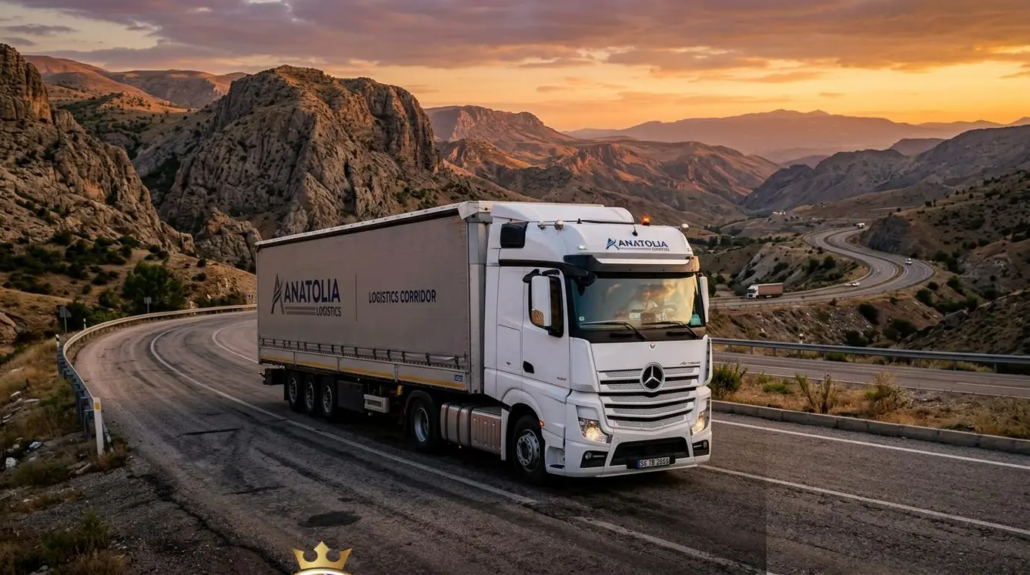
Daily Cargo Departures: Istanbul to Tehran
Daily Cargo Departures: Istanbul to Tehran – Optimizing the Middle East Logistics Corridor
The trade bridge between Turkey and Iran stands as one of the most historical and economically vital corridors in the Middle East. With Istanbul serving as a primary industrial and commercial hub and Tehran acting as the massive consumption and distribution center of Iran, the demand for reliable Daily Cargo Departures: Istanbul to Tehran has never been higher. This route is not just about moving goods; it is about maintaining the flow of raw materials, consumer electronics, textiles, and industrial machinery that fuel the regional economy. For businesses operating across these borders, understanding the nuances of transit times, customs regulations, and multimodal transport options is essential for maintaining a competitive edge.
As logistics networks become more integrated, the connection between Turkey and Iran also serves as a gateway to the wider Gulf region. Goods arriving in Tehran from Istanbul often find their way to other major cities like Shiraz or are further exported to the United Arab Emirates and Oman. This interconnectivity requires a sophisticated logistics company in Istanbul that can handle the complexities of cross-border documentation while ensuring that daily schedules are met without delay. Whether it is road freight crossing the Bazargan border or air cargo landing at Imam Khomeini International Airport, the efficiency of this route dictates the success of thousands of enterprises.
The Strategic Importance of the Istanbul to Tehran Route
Istanbul is uniquely positioned as a transcontinental city, making it the perfect staging ground for cargo heading East. The city’s proximity to European manufacturing centers and its own robust production capabilities make it a magnet for Iranian importers. When we discuss Daily Cargo Departures: Istanbul to Tehran, we are looking at a system designed for high-frequency trade. Daily departures mean that businesses do not have to hold excessive inventory; they can rely on a “just-in-time” delivery model that reduces warehousing costs in Tehran and other Iranian hubs.
The transit route typically involves traversing the vast Anatolian landscape before reaching the Gurbulak-Bazargan border crossing. This specific gateway is the busiest land port between the two nations. A professional freight forwarder understands that daily departures are only as good as the border clearance speed. Therefore, experienced operators coordinate closely with customs brokers to ensure that trucks are not stalled, allowing for a seamless transition from Turkish roads to the Iranian highway network that leads directly into the heart of Tehran. For those looking for broader regional support, Turkey to Iran shipping solutions provide the necessary infrastructure to manage these high-volume requirements effectively.
Land Transport: The Backbone of Daily Departures
Road freight remains the most popular method for shipping between Istanbul and Tehran due to its cost-effectiveness and flexibility. Standard trailers, refrigerated trucks, and low-bed carriers for oversized cargo depart Istanbul daily. The journey usually takes between 4 to 6 days, depending on customs queues at the border. This reliability is why many companies prefer comprehensive land transportation services to move everything from heavy industrial components to delicate retail goods.
Asadi Express Cargo specializes in managing these land-based routes, ensuring that every vehicle is tracked and every shipment is accounted for. By offering groupage (LTL) and full truckload (FTL) options, the logistics chain remains accessible for both small businesses sending a few pallets and large corporations moving entire factory lines. The integration of GPS tracking and real-time updates has transformed the Istanbul-Tehran land route into a transparent and highly predictable service.
Modes of Transport: Choosing Between Road and Air Freight
While road transport is the workhorse of the corridor, air freight and sea freight UAE standards have influenced the Middle East to expect faster turnaround times for high-value items. When “daily” isn’t fast enough, air cargo becomes the primary choice. Istanbul’s world-class airports, including Istanbul Airport (IST), offer multiple daily flights to Tehran. This is particularly useful for pharmaceuticals, high-end electronics, and urgent spare parts that cannot afford a 5-day road transit.
Choosing the right mode depends on the nature of the cargo and the budget. Road transport offers door-to-door convenience, which is often more efficient for bulk shipments. However, for those operating in the fast-paced markets of the UAE or Oman, integrating air freight forwarding into their strategy allows them to move goods from Istanbul to Tehran, and then perhaps further to Dubai, in a fraction of the time. This multimodal approach is common for luxury goods and time-sensitive industrial components.
The Role of Groupage in Daily Cargo Operations
Not every shipment requires a full 13.6-meter trailer. This is where groupage or “Less than Truckload” (LTL) services become vital. Daily departures are made possible by consolidating shipments from multiple clients into a single vehicle. This shared-cost model allows small and medium-sized enterprises (SMEs) in Tehran to source products from Istanbul without paying for an entire truck. It democratizes international trade, allowing a small boutique in Tehran to receive fresh shipments of Turkish textiles every week through consistent cargo from Tehran to Dubai and Istanbul networks.
Expanding the Network: Istanbul to the UAE and Oman
The logistics expertise developed on the Istanbul-Tehran route often extends into the Arabian Peninsula. Many businesses utilize the Turkey-Iran corridor as a transit point for goods destined for the GCC. For instance, Turkey to UAE freight services often leverage the same high-frequency departure models to move goods through Iran and then via sea across the Persian Gulf to reaching ports in Sharjah or Jebel Ali.
Dubai, as a global logistics hub, plays a massive role in this ecosystem. Companies often require a shipping company in Dubai that can coordinate the arrival of goods from Istanbul through various transit points. Whether the final destination is Abu Dhabi, Sharjah, or the growing market in Muscat, Oman, the principles of daily cargo departures remain the same: speed, security, and documentation accuracy. The ability to offer door to door cargo UAE services from a starting point in Istanbul is a hallmark of a truly regional logistics leader.
Logistics in Dubai and Beyond
In the UAE, the demand for high-quality cargo services in Dubai is driven by the city’s status as a re-export capital. Goods arriving from Istanbul via Tehran can be processed in Dubai’s free zones before being sent to Africa or Southeast Asia. This makes freight forwarding UAE a critical component of the Turkish-Iranian trade link. Furthermore, the route from Dubai to Muscat cargo is a natural extension for Turkish exporters looking to tap into the Omani market, utilizing the well-established road networks of the Emirates.
Shipping to Iran from the UAE
The reverse route is equally active. UAE to Iran shipping and cargo services Muscat Oman frequently handle consumer goods and electronics that are initially imported into the UAE and then distributed to Iranian cities. It is common for a shipping from Shiraz to UAE service to be part of a larger circular trade route where Turkish machinery goes to Iran, and Iranian agricultural products or minerals move toward the UAE and Oman.
Specialized Logistics Solutions for Modern Trade
Modern trade requires more than just moving a box from point A to point B. It requires specialized solutions such as temperature-controlled transport for perishables and secure handling for high-value cargo. Asadi Express Cargo has invested heavily in these areas, providing specialized containers and trailers that meet international standards for safety and hygiene. This is particularly important for the food and beverage industry, which relies on the Istanbul-Tehran route for the delivery of fresh Turkish dairy and confectionery products.
Furthermore, the rise of e-commerce has necessitated a shift in how Daily Cargo Departures: Istanbul to Tehran are managed. Last-mile delivery is now a significant focus. When a package leaves Istanbul, the customer in Tehran expects to be able to track it in real-time. This level of transparency is now being applied to B2B cargo as well. By using comprehensive land transportation services, shippers can see exactly where their goods are, whether they are crossing the mountains of Eastern Turkey or approaching the suburbs of Tehran.
Navigating Customs and Documentation
The biggest hurdle in Middle East logistics is often not the distance, but the paperwork. Shipping between Turkey and Iran requires a deep understanding of the “Green Card” system, CMR conventions, and the specific import regulations of the Iranian Customs Administration. A single error in a commercial invoice or a packing list can lead to days of delays at the border, ruining the “daily departure” promise.
Experienced freight forwarders provide a buffer against these risks. They handle the T1 and T2 transit documents for Turkish territory and manage the complex “Kotyat” and “Bill of Lading” requirements for Iran. For goods continuing to the UAE, they must also manage the freight forwarding UAE protocols, ensuring that customs duties are correctly calculated and that all security clearances are obtained for the sea crossing from Bandar Abbas to Sharjah or Dubai.
Use Cases: Success Stories in Regional Shipping
To understand the impact of these services, let’s look at a few real-world scenarios:
- The Industrial Manufacturer: A factory in Istanbul produces specialized automotive parts. By utilizing daily departures, they can send small batches to assembly plants in Tehran every day. This keeps the assembly line moving without requiring a massive warehouse on-site in Iran.
- The E-commerce Aggregator: A Dubai-based company sources Turkish fashion brands. They use a shipping company in Dubai to manage the transit from Istanbul to Tehran by road, then air freight from Tehran to Dubai to ensure the latest trends are on the shelves in the Mall of the Emirates within a week.
- The Personal Relocation: An expat moving from Istanbul to Muscat, Oman. They require a logistics company in Istanbul that can handle household goods, navigating three sets of customs (Turkey, Iran, UAE/Oman) to deliver their life safely to their new home.
The Future of Istanbul-Tehran Logistics
The future of this route lies in digitalization and infrastructure investment. There are ongoing talks to improve the rail connection between the two cities, which would offer an even more sustainable and cost-effective daily departure model. Additionally, the integration of blockchain for documentation could reduce border wait times from days to hours. As these technologies mature, the logistics company in Istanbul of tomorrow will be a tech-driven entity as much as a transport-driven one.
Asadi Express Cargo remains at the forefront of these developments. By maintaining a fleet of modern vehicles and employing a team that speaks the local languages of Istanbul, Tehran, and Dubai, they ensure that the human element of logistics—communication and problem-solving—is never lost in the automated process. For any business looking to expand, the Istanbul-Tehran corridor is a proven path to growth, provided it is managed by experts.
Frequently Asked Questions
1. How long does daily cargo from Istanbul to Tehran typically take?
By road, the transit time is usually between 4 to 6 days. This includes the time required for customs clearance at the border. Air freight is significantly faster, usually taking only 24 to 48 hours from airport to airport.
2. Can I ship personal items and household goods on this route?
Yes, many logistics providers offer specialized services for personal effects. This is often done via groupage (LTL) to keep costs down for individuals moving between Turkey, Iran, and the UAE.
3. What are the main border crossings for this route?
The primary crossing is the Gurbulak-Bazargan border. It is the most equipped for handling high volumes of international cargo and is the main gateway for daily departures between the two countries.
4. Does Asadi Express Cargo provide door-to-door service?
Absolutely. We manage the entire process from pickup in Istanbul to final delivery in Tehran, including all customs brokerage and local distribution within Iran or further to the UAE and Oman.
5. Is insurance available for my cargo?
Yes, comprehensive transit insurance is highly recommended for this route to protect against any unforeseen circumstances during the long-distance haul through various terrains.
Conclusion: Your Partner in Middle East Logistics
Navigating the complex trade routes of the Middle East requires more than just a truck; it requires a strategic partnership. The Daily Cargo Departures: Istanbul to Tehran service is a lifeline for businesses that demand consistency, speed, and reliability. By choosing a partner like Asadi Express, you are gaining access to a network that spans from the streets of Istanbul to the ports of Dubai and the markets of Muscat. We pride ourselves on being a premier shipping company in Dubai and a leader in Turkish-Iranian logistics, ensuring that your cargo—no matter how large or small—reaches its destination with precision. Contact us today to streamline your supply chain and experience the difference that expert freight forwarding can make for your business.
Daily Cargo Departures: Istanbul to Tehran – Optimizing the Middle East Logistics Corridor
The trade bridge between Turkey and Iran stands as one of the most historical and economically vital corridors in the Middle East. With Istanbul serving as a primary industrial and commercial hub and Tehran acting as the massive consumption and distribution center of Iran, the demand for reliable Daily Cargo Departures: Istanbul to Tehran has never been higher. This route is not just about moving goods; it is about maintaining the flow of raw materials, consumer electronics, textiles, and industrial machinery that fuel the regional economy. For businesses operating across these borders, understanding the nuances of transit times, customs regulations, and multimodal transport options is essential for maintaining a competitive edge.
As logistics networks become more integrated, the connection between Turkey and Iran also serves as a gateway to the wider Gulf region. Goods arriving in Tehran from Istanbul often find their way to other major cities like Shiraz or are further exported to the United Arab Emirates and Oman. This interconnectivity requires a sophisticated logistics company in Istanbul that can handle the complexities of cross-border documentation while ensuring that daily schedules are met without delay. Whether it is road freight crossing the Bazargan border or air cargo landing at Imam Khomeini International Airport, the efficiency of this route dictates the success of thousands of enterprises.
The Strategic Importance of the Istanbul to Tehran Route
Istanbul is uniquely positioned as a transcontinental city, making it the perfect staging ground for cargo heading East. The city’s proximity to European manufacturing centers and its own robust production capabilities make it a magnet for Iranian importers. When we discuss Daily Cargo Departures: Istanbul to Tehran, we are looking at a system designed for high-frequency trade. Daily departures mean that businesses do not have to hold excessive inventory; they can rely on a “just-in-time” delivery model that reduces warehousing costs in Tehran and other Iranian hubs.
The transit route typically involves traversing the vast Anatolian landscape before reaching the Gurbulak-Bazargan border crossing. This specific gateway is the busiest land port between the two nations. A professional freight forwarder understands that daily departures are only as good as the border clearance speed. Therefore, experienced operators coordinate closely with customs brokers to ensure that trucks are not stalled, allowing for a seamless transition from Turkish roads to the Iranian highway network that leads directly into the heart of Tehran. For those looking for broader regional support, Turkey to Iran shipping solutions provide the necessary infrastructure to manage these high-volume requirements effectively.
Land Transport: The Backbone of Daily Departures
Road freight remains the most popular method for shipping between Istanbul and Tehran due to its cost-effectiveness and flexibility. Standard trailers, refrigerated trucks, and low-bed carriers for oversized cargo depart Istanbul daily. The journey usually takes between 4 to 6 days, depending on customs queues at the border. This reliability is why many companies prefer comprehensive land transportation services to move everything from heavy industrial components to delicate retail goods.
Asadi Express Cargo specializes in managing these land-based routes, ensuring that every vehicle is tracked and every shipment is accounted for. By offering groupage (LTL) and full truckload (FTL) options, the logistics chain remains accessible for both small businesses sending a few pallets and large corporations moving entire factory lines. The integration of GPS tracking and real-time updates has transformed the Istanbul-Tehran land route into a transparent and highly predictable service.
Modes of Transport: Choosing Between Road and Air Freight
While road transport is the workhorse of the corridor, air freight and sea freight UAE standards have influenced the Middle East to expect faster turnaround times for high-value items. When “daily” isn’t fast enough, air cargo becomes the primary choice. Istanbul’s world-class airports, including Istanbul Airport (IST), offer multiple daily flights to Tehran. This is particularly useful for pharmaceuticals, high-end electronics, and urgent spare parts that cannot afford a 5-day road transit.
Choosing the right mode depends on the nature of the cargo and the budget. Road transport offers door-to-door convenience, which is often more efficient for bulk shipments. However, for those operating in the fast-paced markets of the UAE or Oman, integrating air freight forwarding into their strategy allows them to move goods from Istanbul to Tehran, and then perhaps further to Dubai, in a fraction of the time. This multimodal approach is common for luxury goods and time-sensitive industrial components.
The Role of Groupage in Daily Cargo Operations
Not every shipment requires a full 13.6-meter trailer. This is where groupage or “Less than Truckload” (LTL) services become vital. Daily departures are made possible by consolidating shipments from multiple clients into a single vehicle. This shared-cost model allows small and medium-sized enterprises (SMEs) in Tehran to source products from Istanbul without paying for an entire truck. It democratizes international trade, allowing a small boutique in Tehran to receive fresh shipments of Turkish textiles every week through consistent cargo from Tehran to Dubai and Istanbul networks.
Expanding the Network: Istanbul to the UAE and Oman
The logistics expertise developed on the Istanbul-Tehran route often extends into the Arabian Peninsula. Many businesses utilize the Turkey-Iran corridor as a transit point for goods destined for the GCC. For instance, Turkey to UAE freight services often leverage the same high-frequency departure models to move goods through Iran and then via sea across the Persian Gulf to reach ports in Sharjah or Jebel Ali.
Dubai, as a global logistics hub, plays a massive role in this ecosystem. Companies often require a shipping company in Dubai that can coordinate the arrival of goods from Istanbul through various transit points. Whether the final destination is Abu Dhabi, Sharjah, or the growing market in Muscat, Oman, the principles of daily cargo departures remain the same: speed, security, and documentation accuracy. The ability to offer door to door cargo UAE services from a starting point in Istanbul is a hallmark of a truly regional logistics leader.
Logistics in Dubai and Beyond
In the UAE, the demand for high-quality cargo services in Dubai is driven by the city’s status as a re-export capital. Goods arriving from Istanbul via Tehran can be processed in Dubai’s free zones before being sent to Africa or Southeast Asia. This makes freight forwarding UAE a critical component of the Turkish-Iranian trade link. Furthermore, the route from Dubai to Muscat cargo is a natural extension for Turkish exporters looking to tap into the Omani market, utilizing the well-established road networks of the Emirates.
Shipping to Iran from the UAE
The reverse route is equally active. UAE to Iran shipping and cargo services Muscat Oman frequently handle consumer goods and electronics that are initially imported into the UAE and then distributed to Iranian cities. It is common for a shipping from Shiraz to UAE service to be part of a larger circular trade route where Turkish machinery goes to Iran, and Iranian agricultural products or minerals move toward the UAE and Oman.
Specialized Logistics Solutions for Modern Trade
Modern trade requires more than just moving a box from point A to point B. It requires specialized solutions such as temperature-controlled transport for perishables and secure handling for high-value cargo. Asadi Express Cargo has invested heavily in these areas, providing specialized containers and trailers that meet international standards for safety and hygiene. This is particularly important for the food and beverage industry, which relies on the Istanbul-Tehran route for the delivery of fresh Turkish dairy and confectionery products.
Furthermore, the rise of e-commerce has necessitated a shift in how Daily Cargo Departures: Istanbul to Tehran are managed. Last-mile delivery is now a significant focus. When a package leaves Istanbul, the customer in Tehran expects to be able to track it in real-time. This level of transparency is now being applied to B2B cargo as well. By using comprehensive land transportation services, shippers can see exactly where their goods are, whether they are crossing the mountains of Eastern Turkey or approaching the suburbs of Tehran.
Navigating Customs and Documentation
The biggest hurdle in Middle East logistics is often not the distance, but the paperwork. Shipping between Turkey and Iran requires a deep understanding of the “Green Card” system, CMR conventions, and the specific import regulations of the Iranian Customs Administration. A single error in a commercial invoice or a packing list can lead to days of delays at the border, ruining the “daily departure” promise.
Experienced freight forwarders provide a buffer against these risks. They handle the T1 and T2 transit documents for Turkish territory and manage the complex requirements for Iran. For goods continuing to the UAE, they must also manage the freight forwarding UAE protocols, ensuring that customs duties are correctly calculated and that all security clearances are obtained for the sea crossing from Bandar Abbas to Sharjah or Dubai.
Use Cases: Success Stories in Regional Shipping
To understand the impact of these services, let’s look at a few real-world scenarios:
- The Industrial Manufacturer: A factory in Istanbul produces specialized automotive parts. By utilizing daily departures, they can send small batches to assembly plants in Tehran every day. This keeps the assembly line moving without requiring a massive warehouse on-site in Iran.
- The E-commerce Aggregator: A Dubai-based company sources Turkish fashion brands. They use a shipping company in Dubai to manage the transit from Istanbul to Tehran by road, then air freight from Tehran to Dubai to ensure the latest trends are on the shelves in the Mall of the Emirates within a week.
- The Personal Relocation: An expat moving from Istanbul to Muscat, Oman. They require a logistics company in Istanbul that can handle household goods, navigating three sets of customs (Turkey, Iran, UAE/Oman) to deliver their life safely to their new home.
The Future of Istanbul-Tehran Logistics
The future of this route lies in digitalization and infrastructure investment. There are ongoing talks to improve the rail connection between the two cities, which would offer an even more sustainable and cost-effective daily departure model. Additionally, the integration of blockchain for documentation could reduce border wait times from days to hours. As these technologies mature, the logistics company in Istanbul of tomorrow will be a tech-driven entity as much as a transport-driven one.
Asadi Express Cargo remains at the forefront of these developments. By maintaining a fleet of modern vehicles and employing a team that speaks the local languages of Istanbul, Tehran, and Dubai, they ensure that the human element of logistics—communication and problem-solving—is never lost in the automated process. For any business looking to expand, the Istanbul-Tehran corridor is a proven path to growth, provided it is managed by experts.
Frequently Asked Questions
1. How long does daily cargo from Istanbul to Tehran typically take?
By road, the transit time is usually between 4 to 6 days. This includes the time required for customs clearance at the border. Air freight is significantly faster, usually taking only 24 to 48 hours from airport to airport.
2. Can I ship personal items and household goods on this route?
Yes, many logistics providers offer specialized services for personal effects. This is often done via groupage (LTL) to keep costs down for individuals moving between Turkey, Iran, and the UAE.
3. What are the main border crossings for this route?
The primary crossing is the Gurbulak-Bazargan border. It is the most equipped for handling high volumes of international cargo and is the main gateway for daily departures between the two countries.
4. Does Asadi Express Cargo provide door-to-door service?
Absolutely. We manage the entire process from pickup in Istanbul to final delivery in Tehran, including all customs brokerage and local distribution within Iran or further to the UAE and Oman.
5. Is insurance available for my cargo?
Yes, comprehensive transit insurance is highly recommended for this route to protect against any unforeseen circumstances during the long-distance haul through various terrains.
Conclusion: Your Partner in Middle East Logistics
Navigating the complex trade routes of the Middle East requires more than just a truck; it requires a strategic partnership. The Daily Cargo Departures: Istanbul to Tehran service is a lifeline for businesses that demand consistency, speed, and reliability. By choosing a partner like Asadi Express, you are gaining access to a network that spans from the streets of Istanbul to the ports of Dubai and the markets of Muscat. We pride ourselves on being a premier shipping company in Dubai and a leader in Turkish-Iranian logistics, ensuring that your cargo—no matter how large or small—reaches its destination with precision. Contact us today to streamline your supply chain and experience the difference that expert freight forwarding can make for your business.


Leave a Reply
Want to join the discussion?Feel free to contribute!