





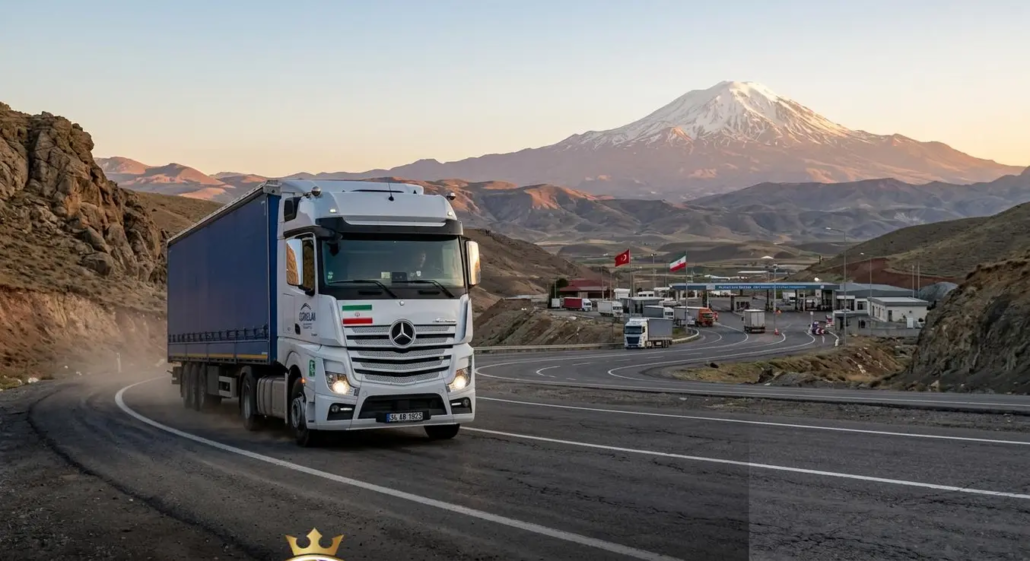
Land Freight Services: Turkey to Iran Border and Middle East Logistics
The movement of goods across international borders requires a sophisticated understanding of geography, regulation, and timing. Land freight services between the Turkey and Iran border serve as a cornerstone for trade in the Middle East, connecting the industrial hubs of Europe and Anatolia with the growing markets of the Persian Gulf. As businesses seek more cost-effective and reliable methods to transport industrial equipment, consumer goods, and raw materials, the land corridor from Istanbul to Tehran has become more vital than ever. This route not only facilitates bilateral trade but also acts as a primary transit path for goods heading toward Dubai, Abu Dhabi, and Muscat. Navigating this landscape requires the expertise of a seasoned logistics company in Istanbul that understands the complexities of border crossings and customs clearance.
In the modern global economy, efficiency is the difference between profit and loss. For companies operating in the UAE, utilizing the overland route from Turkey through Iran offers a unique alternative to sea freight, often providing faster transit times for specific types of cargo. Whether it is shipping from Shiraz to UAE or moving machinery from Istanbul to the border, the strategic importance of this land bridge cannot be overstated. By leveraging a network of experienced carriers and regional hubs, businesses can ensure their supply chains remain resilient in the face of global shipping fluctuations.
The Strategic Role of the Turkey-Iran Land Freight Corridor
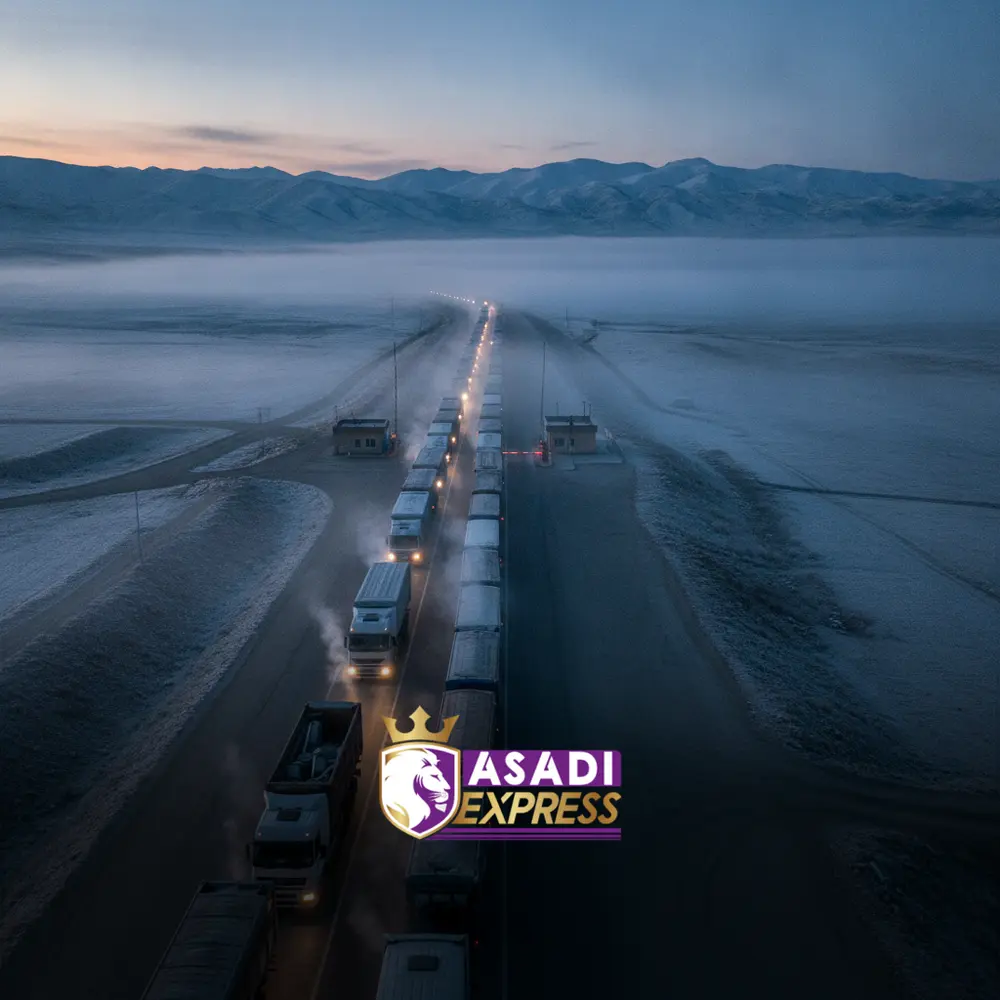
The land freight services Turkey to Iran border operations are centered around several key transit points, the most prominent being the Gürbulak-Bazargan crossing. This border is the primary gateway for trucks traveling from Western Turkey and Europe into the heart of Iran. From a logistics perspective, this route is essential for maintaining the flow of goods between the Mediterranean and the Middle East. For a shipping company in Dubai, coordinating with partners at this border ensures that cargo destined for the Emirates moves smoothly through the Iranian plateau before reaching the ports for the final leg of the journey.
Logistics providers must manage a variety of factors, including vehicle permits, road tolls, and varying fuel costs across different territories. The transit from Istanbul to Tehran involves crossing diverse terrain, requiring vehicles that are well-maintained and drivers who are familiar with international transit laws. This corridor is not just about the two nations it connects; it is a vital part of the broader Middle East logistics solutions that support the economies of the UAE, Oman, and beyond. By optimizing these land routes, freight forwarders can offer more competitive pricing for door to door cargo UAE services, making it easier for businesses in Sharjah and Abu Dhabi to source products from Turkish manufacturers.
Furthermore, the development of infrastructure on both sides of the border has significantly improved the efficiency of land transportation. Modernized customs facilities and expanded highway networks mean that delays, while still a factor to consider, are being minimized. This reliability is why many choose to work with a global logistics provider that can offer real-time tracking and comprehensive insurance for high-value shipments moving across these borders. The integration of these land routes with maritime and air hubs creates a multi-modal system that is the backbone of regional trade.
Integrating Land Freight with Cargo Services in Dubai
While the land journey may begin in Turkey and pass through the Iran border, the destination is often the bustling commercial centers of the United Arab Emirates. Cargo services in Dubai are designed to handle the influx of goods arriving from various international routes, including the overland path through Iran. Once goods cross the Turkey-Iran border and reach southern Iranian ports like Bandar Abbas, they are often loaded onto feeder vessels for a short transit to Jebel Ali or Port Rashid. This combination of land and sea freight is a hallmark of efficient freight forwarding UAE strategies.
For businesses in the UAE, the ability to tap into Turkish markets through land freight offers a significant advantage. Turkey is a major producer of textiles, automotive parts, and food products, all of which are in high demand in Dubai and Abu Dhabi. By utilizing professional land transportation services, companies can bypass the longer lead times associated with traditional deep-sea shipping routes from European ports. This speed to market is crucial for seasonal items or urgent industrial components needed for projects in the construction or energy sectors.
Asadi Express Cargo offers tailored solutions for those looking to bridge the gap between Turkey and the Persian Gulf. By specializing in the intricacies of the Turkey-Iran border and the subsequent transit to the UAE, they provide a seamless experience for importers and exporters. This expertise is particularly valuable when dealing with cargo from Tehran to Dubai, where understanding the specific documentation required by both Iranian and Emirati authorities is essential for avoiding costly delays at the port of entry.
Customs Clearance at the Bazargan and Esendere Borders
Customs clearance is often the most challenging aspect of land freight services. At the Turkey-Iran border, specifically at Bazargan and Esendere, documents must be meticulously prepared. This includes commercial invoices, packing lists, certificates of origin, and the TIR carnet, which simplifies the transit of goods across multiple borders. A knowledgeable logistics company in Istanbul will handle these details on behalf of the client, ensuring that all regulatory requirements are met before the truck even reaches the border station.
The Esendere-Sero border crossing is another important alternative, particularly for cargo destined for the northwestern regions of Iran or for shipments that need to avoid the heavier traffic at Bazargan. Each crossing has its own set of procedures and operational hours. Understanding these nuances is a key part of successful shipping from Turkey to Iran and ensures that the delivery schedule remains on track. For UAE-based companies, having a partner who can manage these border dynamics is invaluable for maintaining a steady supply of goods.
Multi-modal Connections: Land, Sea, and Air
In many cases, land freight is just one piece of the puzzle. A comprehensive logistics strategy often involves air freight and sea freight UAE connections to reach final destinations in Muscat or even further afield. For example, a shipment might travel by truck from Istanbul to the Iran border, continue by road to Tehran, and then be flown to Dubai International Airport for urgent delivery. Alternatively, for larger volumes, the land-sea route via Bandar Abbas to Sharjah is a popular and cost-effective choice.
The flexibility of multi-modal transport allows for better risk management. If one route faces congestion, an experienced freight forwarder can pivot to an alternative path, such as shifting from land-sea to an all-land route through various transit agreements. This level of adaptability is what defines top-tier Middle East logistics solutions. It ensures that whether the cargo is a single pallet or a full truckload, it reaches its destination with maximum efficiency and minimum cost.
Specialized Logistics for Business and Personal Cargo
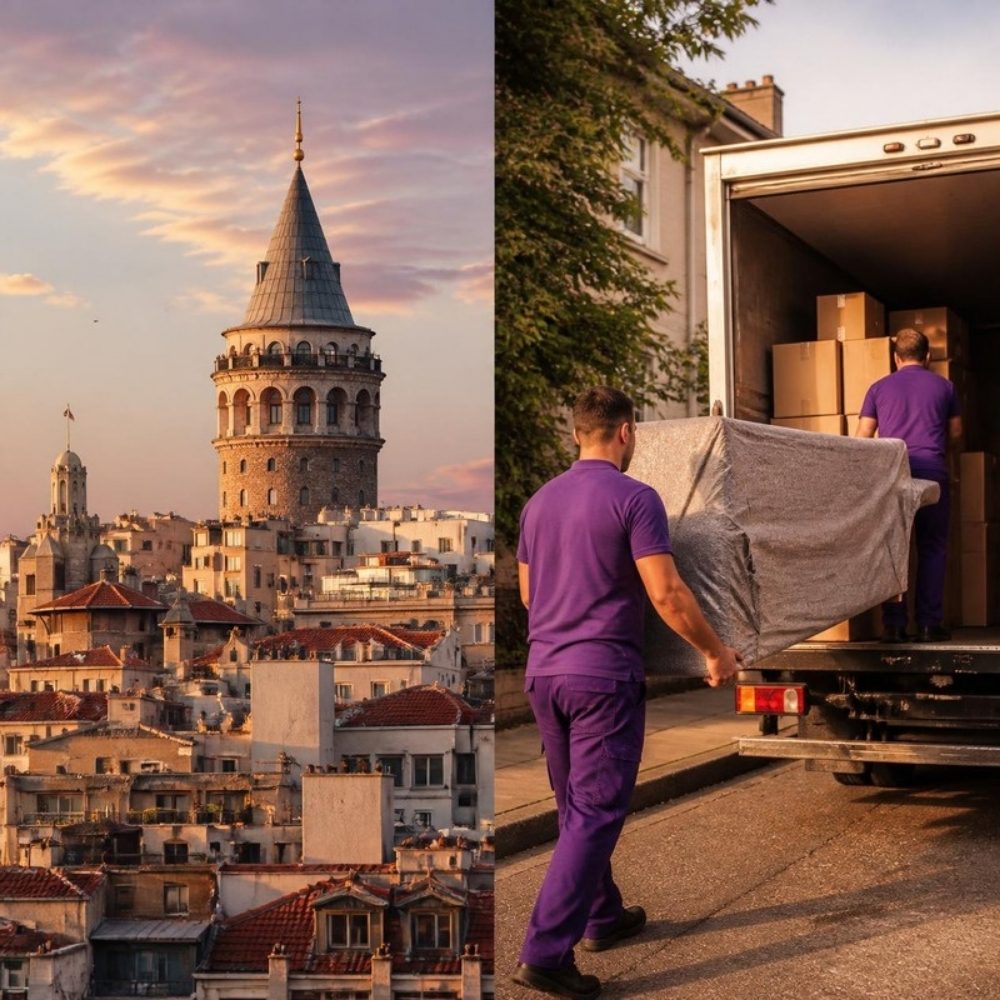
The demand for land freight services is not limited to large-scale commercial entities. There is a significant market for specialized household moving and personal cargo, particularly for expatriates moving between Turkey, Iran, and the UAE. Door to door cargo UAE services have expanded to include full relocation packages, where professional packers handle everything from furniture to fragile personal items. This requires a high degree of coordination, as personal effects are subject to different customs regulations than commercial merchandise.
Business shipping, on the other hand, often involves “Project Cargo”—oversized or extremely heavy items that cannot be transported via standard containers. Shipping such items across the Turkey-Iran border requires specialized trailers and often escorts or special permits from the ministries of transport in both countries. This is where the local knowledge of a shipping company in Dubai becomes critical. They can coordinate with the land freight teams in Turkey to ensure the route is surveyed for height and weight restrictions, ensuring the safe passage of the machinery to its final site in Abu Dhabi or Muscat.
For e-commerce businesses, the land route offers a way to maintain inventory levels without the high costs of frequent air shipments. By establishing optimized freight routes connecting Turkey and Dubai, e-commerce platforms can offer a wider range of products to UAE consumers with reasonable delivery times. This logistics backbone supports the retail growth seen in the region, providing a reliable link to the diverse manufacturing base located in Turkey.
Logistics Hubs: From Istanbul to Tehran and Muscat
The journey from Turkey to the Iran border passes through several major logistics hubs. Istanbul serves as the primary collection point, where goods from all over Europe and Western Turkey are consolidated. From there, trucks move eastward through Ankara and Erzurum before reaching the border. On the Iranian side, Tabriz and Tehran act as major distribution and transit centers. For goods continuing to the UAE or Oman, these cities are vital stopovers where cargo may be cross-docked or inspected before the final leg to the coast.
In Oman, cargo services Muscat Oman are increasingly integrated with these regional land routes. As the Port of Sohar and the Port of Salalah grow in importance, the land connection through the UAE to the Iranian border provides Omani businesses with a direct link to the Turkish market. This regional integration is a key component of the “Belt and Road” and other international trade corridor initiatives that seek to connect the Mediterranean with the Arabian Sea.
Trust Asadi Express Cargo for your regional shipping needs, as they understand the importance of these hubs. By maintaining a presence in key cities like Tehran and Dubai, they ensure that every shipment—whether it is cargo from Tehran to Dubai or a transit shipment from Istanbul—is handled with local expertise. This network-centric approach allows for faster problem-solving and better communication throughout the shipping process.
Security and Cargo Insurance in Middle East Transit
Security is a paramount concern for any international shipment. Moving goods through the Turkey-Iran border and across the varied landscapes of the Middle East requires robust security protocols. Professional logistics providers implement strict driver vetting, GPS tracking of all vehicles, and secure parking at designated rest stops. Additionally, comprehensive cargo insurance is essential. While land freight is generally safe, insurance provides peace of mind against unforeseen events like road accidents or natural delays.
For high-value items, such as electronics or luxury goods being shipped to Dubai, enhanced security measures are often used. This may include sealed containers with electronic locks that alert the headquarters if tampered with. By focusing on security, a logistics company in Istanbul can protect the interests of both the sender and the receiver, ensuring that the reputation of the trade corridor remains strong.
The Future of Land Freight in the Region
The future of land freight services between Turkey, Iran, and the UAE looks promising, with ongoing investments in digital customs platforms and “smart” border technology. These advancements aim to reduce the paperwork burden and speed up the physical inspection of trucks. As these technologies become more widespread, we can expect to see even faster transit times and lower costs for shipping from Shiraz to UAE and other regional routes. The drive toward more sustainable logistics is also leading to the exploration of greener trucking technologies and more efficient route planning to reduce carbon footprints.
Furthermore, the potential for expanded rail links between Turkey and Iran could complement existing land freight services. A rail-road combination would allow for even larger volumes of goods to be moved with high efficiency. However, for the foreseeable future, the flexibility of truck-based land freight remains the preferred choice for most businesses requiring door-to-door delivery across the Middle East. If you are looking for alternatives to traditional trucking, you may also explore comprehensive air freight solutions for your most time-sensitive shipments.
Frequently Asked Questions
How long does land freight take from Turkey to the Iran border?
On average, the journey from Istanbul to the Bazargan border takes approximately 3 to 5 days, depending on weather conditions and traffic. Once at the border, customs clearance can take anywhere from a few hours to a couple of days, depending on the accuracy of the documentation and the current volume of trucks at the station.
What documents are required for shipping from Turkey to the UAE via land?
For a smooth transit, you will typically need a Commercial Invoice, Packing List, Certificate of Origin, and a Bill of Lading or CMR (International Consignment Note). For the Iranian transit portion, a TIR Carnet is highly recommended to facilitate movement through customs without the need for extensive inspections at every provincial border.
Can I ship personal household items through this route?
Yes, many people use land freight for moving household goods from Turkey to Iran, the UAE, or Oman. It is often more cost-effective than air freight for heavy furniture. However, you must ensure that you have a detailed inventory list and that all items are used, as new items may be subject to commercial import duties.
Is insurance included in the land freight service?
Standard freight quotes often include a basic level of carrier liability, but it is highly recommended to purchase comprehensive “All-Risk” cargo insurance. This ensures that the full value of your goods is protected against damage, theft, or loss during the entire journey from Turkey to your final destination in the UAE or Oman.
Conclusion: Choosing Your Logistics Partner
Navigating the land freight services Turkey to Iran border requires more than just a truck; it requires a partner with deep regional roots and a commitment to excellence. The complexity of Middle East logistics—from the busy streets of Istanbul to the ports of Dubai—demands a proactive approach to freight forwarding. By selecting a partner that offers integrated solutions, businesses can overcome the challenges of cross-border trade and capitalize on the vast opportunities within the region. Whether you are moving industrial machinery or consumer electronics, the right logistics strategy will ensure your cargo arrives safely and on time.
For those ready to optimize their supply chain and explore the benefits of professional shipping, Asadi Express Cargo is here to help. Our team specializes in bridging the gap between Turkey, Iran, and the UAE, providing reliable door-to-door service and expert customs handling. Don’t let the complexities of international borders slow your business down. Contact us today to receive a customized quote and discover why we are the preferred choice for companies across the Middle East. To learn more about our full range of services and our company history, please visit Asadi Express and let us handle your next shipment with the care it deserves.
More articles