
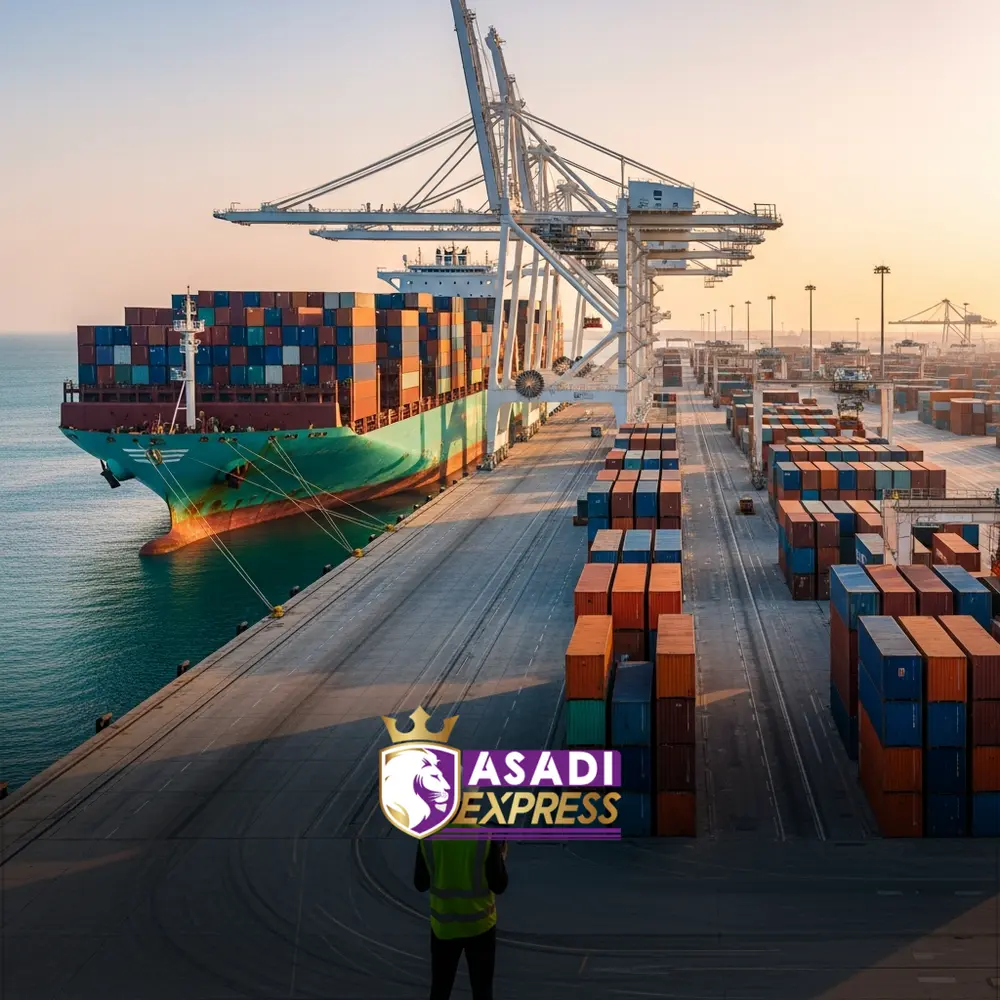
Your Gateway to Trade: Turkey and Oman
Your Gateway to Trade: Turkey and Oman
The global trade landscape is undergoing a significant transformation, with the Middle East and Eurasia becoming the focal point of new commercial corridors. At the heart of this shift lies a burgeoning economic relationship between the Republic of Turkey and the Sultanate of Oman. As businesses look for diversification and more resilient supply chains, understanding the logistics of this route is essential. Whether you are an exporter based in Istanbul looking to penetrate the Arabian Peninsula or a business owner in Muscat seeking high-quality Turkish textiles and machinery, establishing a reliable “Your Gateway to Trade: Turkey and Oman” is the first step toward sustainable growth. This corridor is not just about moving goods; it is about the seamless integration of freight forwarding UAE networks with Omani ports and Turkish industrial centers.
The logistical complexity of shipping between these two nations requires more than just a standard transport service. It demands a sophisticated understanding of regional regulations, customs procedures in cities like Dubai and Muscat, and the ability to pivot between air, sea, and land modes of transport. For many, the journey begins in the industrial heartlands of Turkey, transits through the major logistics hubs of the UAE, and finally reaches the thriving markets of Oman. In this context, Your Gateway to Trade: Turkey and Oman represents a strategic bridge that connects the manufacturing prowess of the West with the growing consumer demand and infrastructure of the Gulf Cooperation Council (GCC) countries.
The Strategic Trade Corridor Between Turkey and Oman
Turkey has long served as a bridge between Europe and Asia, and its role as a manufacturing powerhouse is undisputed. From automotive parts and electronics to high-end fashion and food products, Istanbul and other industrial hubs produce goods that are in high demand across the Middle East. On the other end, Oman is strategically positioning itself as a premier logistics hub through its Vision 2040 initiative, leveraging its unique geographical location outside the Strait of Hormuz. When we talk about Your Gateway to Trade: Turkey and Oman, we are looking at a route that benefits from both Turkey’s production capacity and Oman’s modern port facilities in Muscat, Sohar, and Salalah.
To navigate this corridor effectively, businesses often rely on a shipping company in Dubai to act as a transshipment mediator. Dubai’s world-class infrastructure and its proximity to both Turkey and Oman make it an indispensable link. Many shipments originating from Turkey utilize the freight forwarding UAE infrastructure to optimize costs and reduce transit times before making the final leg of the journey to the Sultanate. This regional synergy ensures that cargo flows remain uninterrupted, even during periods of global supply chain volatility.
Turkey’s Role as a Global Supplier
The industrial zones of Istanbul, Bursa, and Izmir are the engines driving Turkish exports. For Omani traders, these cities offer a treasure trove of high-quality products at competitive price points. However, the challenge lies in moving these goods over thousands of kilometers. This is where specialized cargo and transportation from Turkey to the UAE and Oman becomes vital. Specialized logistics providers understand the nuances of Turkish export documentation and the specific requirements for different types of cargo, from perishable foodstuffs to heavy industrial equipment.
Oman’s Logistics Vision 2040
The Sultanate of Oman is investing billions in its infrastructure to become a global logistics leader. Muscat is no longer just a capital city; it is a central node in a network that connects Africa, Asia, and Europe. By utilizing cargo services Muscat Oman, businesses can tap into a highly efficient distribution network that serves the entire GCC. The Omani government’s focus on streamlining customs and enhancing port throughput makes it an attractive destination for Turkish goods seeking a foothold in the Arabian Peninsula.
Navigating Logistics Routes: Sea, Air, and Land
Successful trade depends on choosing the right mode of transport. The route between Turkey and Oman offers several options, each with its own set of advantages regarding speed, cost, and safety. Establishing Your Gateway to Trade: Turkey and Oman means having the flexibility to choose between air freight for urgent electronics and air freight and sea freight UAE combinations for bulk commodities. Asadi Express Cargo has been instrumental in helping businesses identify the most cost-effective routes that minimize transit delays while maximizing security.
Ocean Freight Logistics
For large-scale shipments, sea freight remains the most economical choice. Containers leaving the Port of Ambarli in Istanbul or the Port of Mersin travel through the Mediterranean, the Suez Canal, and around the Arabian Peninsula to reach Muscat or Salalah. Leveraging ocean freight forwarding services allows businesses to manage Full Container Load (FCL) and Less than Container Load (LCL) shipments with ease. This mode is ideal for heavy machinery, construction materials, and retail goods that do not require immediate delivery.
Air Freight Solutions
When time is of the essence, air freight is the preferred method. Istanbul Airport (IST) is one of the busiest cargo hubs in the world, offering direct connections to Muscat International Airport. This route is essential for high-value items, pharmaceuticals, and time-sensitive documents. While more expensive than sea freight, the speed of delivery—often within 24 to 48 hours—provides a significant competitive advantage for businesses operating in fast-paced markets.
Land Transportation and Multimodal Options
In some cases, a combination of land and sea transport is used to navigate the geography of the Middle East. Trucks can move goods from Turkey through Iraq or Jordan into the GCC, though this route is often subject to geopolitical shifts. A more common “land” element is the door to door cargo UAE service, where goods are trucked from Jebel Ali Port in Dubai to various destinations in Oman. Utilizing efficient land transportation ensures that the final mile of delivery is handled with the same care as the international leg, providing a seamless experience for the end-user.
The Role of Dubai as a Regional Logistics Hub
No discussion of Middle Eastern trade is complete without mentioning Dubai. As a global nexus for commerce, Dubai serves as the primary gateway for goods moving between Turkey and Oman. The city’s cargo services in Dubai are world-renowned for their efficiency and technology-driven solutions. For many Omani businesses, Dubai is the warehouse of the region. Turkish goods are often stored in Dubai’s free zones before being distributed to Muscat, Abu Dhabi, or Sharjah.
Using a shipping company in Dubai allows for the consolidation of goods. A trader in Muscat might buy small quantities from several different Turkish suppliers. These can be gathered in a Dubai warehouse and then sent as a single shipment to Oman, significantly reducing the cost of freight forwarding UAE. Furthermore, the route for shipping between Dubai and Oman is one of the most active in the region, with daily departures and a well-established customs protocol that facilitates rapid transit.
Cargo from Iran to the Gulf: Connecting the Dots
The logistics network in the Middle East is deeply interconnected. While the focus is often on Turkey and Oman, the role of Iran cannot be ignored. Geographically, Iran sits between Turkey and the GCC, and its ports serve as vital transit points. For example, cargo from Tehran to Dubai often utilizes Iranian ports like Bandar Abbas to cross the Persian Gulf. This historical trade route remains a cornerstone of regional commerce, often complementing the Turkey-Oman corridor.
Similarly, shipping from Shiraz to UAE provides an alternative path for goods moving toward the Sultanate of Oman. Many logistics providers manage complex routes that involve cargo from Tehran to Dubai, which then transitions into the Omani market. This interconnectedness underscores the importance of choosing a reliable shipping partner who understands the entire regional landscape, from the streets of Tehran and Shiraz to the ports of Muscat and Salalah.
Specialized Cargo Services and Door-to-Door Solutions
The modern business environment demands convenience. This has led to the rise of door to door cargo UAE and Oman services, where the logistics provider handles everything from the initial pickup in Istanbul to the final delivery in a Muscat office. This “Your Gateway to Trade: Turkey and Oman” approach removes the burden of logistics from the business owner, allowing them to focus on sales and operations. Asadi Express Cargo prides itself on offering these comprehensive solutions, ensuring that customs clearance, documentation, and local transport are all managed under one roof.
Door-to-door services are particularly beneficial for small and medium-sized enterprises (SMEs) that may not have dedicated logistics departments. By outsourcing to a professional logistics company in Istanbul or Dubai, these businesses can access the same global reach as large corporations. Whether it is cargo services Muscat Oman or distribution within the UAE, a holistic service model ensures that goods are tracked in real-time and delivered safely.
Real Use Cases: Personal Cargo, Business Shipping, and E-commerce
The trade corridor between Turkey and Oman serves various needs, ranging from massive industrial projects to individual relocations. Let us look at how different sectors utilize these services:
- Business Shipping: A construction firm in Muscat requires specialized marble from Turkey. They utilize ocean freight forwarding services to move heavy containers from Izmir to Sohar Port, using a shipping company in Dubai to manage the regional logistics.
- E-commerce: A Turkish fashion brand expands its reach to the UAE and Oman. They use air freight and sea freight UAE hubs to store inventory in Dubai, fulfilling orders to Abu Dhabi, Sharjah, and Muscat via door to door cargo UAE networks.
- Personal Effects: An expat moving from Istanbul to Muscat requires a reliable way to ship household goods. They look for a provider offering a “Your Gateway to Trade: Turkey and Oman” service that includes packing, shipping, and customs clearance at both ends.
- Industrial Logistics: Oil and gas equipment from Turkey is needed for Omani refineries. This requires highly specialized freight forwarding UAE expertise to handle oversized cargo and ensure it meets the Sultanate’s strict safety standards.
In all these scenarios, Asadi Express Cargo acts as a vital link, providing the expertise needed to navigate the complexities of international trade. By offering comprehensive cargo solutions, the company ensures that whether it is a single box or a fleet of containers, the journey is smooth and transparent.
Frequently Asked Questions (FAQ)
1. How long does shipping take from Turkey to Oman?
Transit times vary depending on the mode of transport. Air freight typically takes 1-3 days. Sea freight usually takes between 15 to 25 days, depending on the port of origin in Turkey and whether the vessel stops at transshipment hubs like Jebel Ali in Dubai.
2. What are the main customs requirements for Omani imports?
Imports into Oman require a commercial invoice, a packing list, a certificate of origin, and a bill of lading or airway bill. Certain goods may require additional permits from Omani ministries. Working with a professional logistics company in Istanbul or Muscat ensures all paperwork is in order.
3. Can I track my cargo during transit?
Yes, most modern logistics providers offer real-time tracking. Whether you are using cargo services in Dubai or direct shipping from Turkey, you will receive a tracking number that allows you to monitor your shipment’s progress through every stage of the journey.
4. Is door-to-door cargo available for all cities in Oman?
Yes, major logistics providers offer door to door cargo UAE and Oman services covering all major Omani cities, including Muscat, Salalah, Sohar, and Nizwa. This includes the “Your Gateway to Trade: Turkey and Oman” service model which handles the entire supply chain.
Conclusion: Strengthening the Trade Link
As we have explored, the trade route between Turkey and Oman is more than just a path for goods; it is a vital artery of economic cooperation. By establishing a robust “Your Gateway to Trade: Turkey and Oman,” businesses in both nations can unlock new opportunities for growth and collaboration. From the bustling markets of Istanbul to the strategic ports of Muscat, the potential for expansion is immense. However, success in this corridor requires a deep understanding of local logistics, from cargo services in Dubai to the intricacies of freight forwarding UAE.
In an era where supply chain reliability is paramount, choosing the right partner is the most important decision you will make. Whether you are moving cargo from Tehran to Dubai or shipping industrial components from Turkey to Muscat, expertise matters. By leveraging specialized air freight and sea freight UAE services and comprehensive door-to-door solutions, you can ensure your business remains competitive in a globalized world. The future of Middle Eastern trade is bright, and those who master the logistics of the Turkey-Oman gateway will be at the forefront of this exciting evolution.


Leave a Reply
Want to join the discussion?Feel free to contribute!