





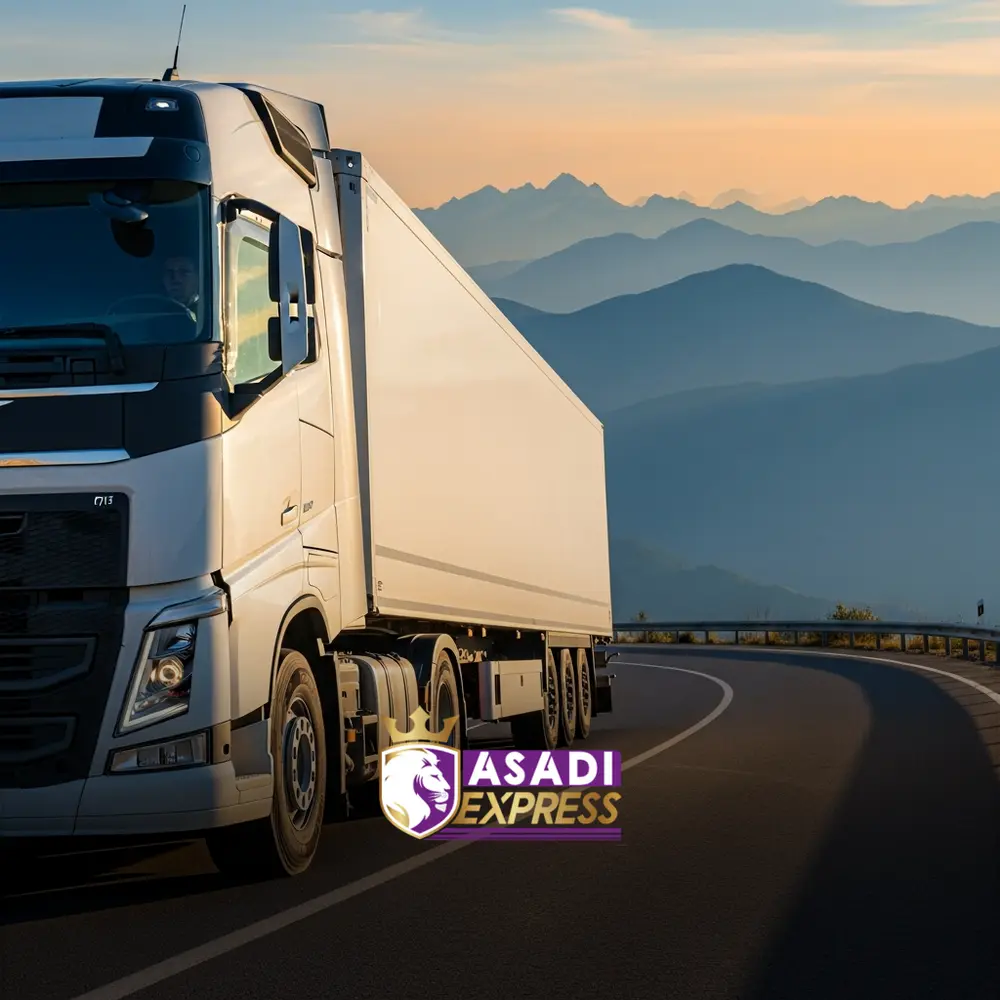
Reliable Land Transport: Istanbul to Tehran: The Ultimate Guide to Middle East Logistics
The geopolitical and economic landscape of the Middle East has long been defined by its trade routes. Among the most critical of these is the corridor connecting the cultural and commercial heart of Turkey to the industrial and administrative center of Iran. Providing reliable land transport: Istanbul to Tehran is not merely about moving goods from point A to point B; it is about sustaining a vital lifeline for businesses, expatriates, and industrial sectors that rely on the seamless flow of commodities across the Anatolian plateau and into the Iranian highlands. As trade volumes increase, the demand for sophisticated logistics solutions that bridge these two massive economies has never been higher. This route serves as a gateway for European goods entering the Middle East and a primary exit for regional products heading toward the West.
In the modern era, the complexity of cross-border trade requires more than just a fleet of trucks. It demands a deep understanding of customs regulations, regional security, and the geographical challenges of the terrain. Whether you are a business looking to restock inventory in a bazaar or a multinational corporation shipping heavy machinery to an infrastructure project, finding a reliable land transport: Istanbul to Tehran solution is the cornerstone of a successful supply chain. This article explores the intricacies of this route, the logistical frameworks involved, and how regional hubs like Dubai and Muscat play a secondary but vital role in this expansive network.
The Strategic Importance of the Istanbul-Tehran Trade Corridor
Istanbul sits at the crossroads of Europe and Asia, making it a natural logistics company in Istanbul hub for the entire region. When we look at the trade map, Tehran represents the primary destination for a vast array of consumer electronics, automotive parts, and textiles originating from Turkish factories or European manufacturers using Turkey as a transit point. The land route is often preferred over air or sea due to its cost-effectiveness and the ability to handle high-volume cargo without the prohibitive costs of air freight.
Reliable land transport: Istanbul to Tehran facilitates a bilateral exchange that supports thousands of jobs. For Iranian businesses, this route is the most direct access point to Western markets. Conversely, for Turkish exporters, the Iranian market offers a massive consumer base of over 80 million people. The transit typically passes through the Gurbulak-Bazargan border, which remains one of the busiest land crossings in the region. Navigating this bottleneck requires a shipping company in Dubai with regional reach or a specialized Turkish-Iranian carrier that understands the rhythm of border operations and the documentation required to prevent costly delays.
Infrastructure and Route Dynamics: Navigating the Terrain
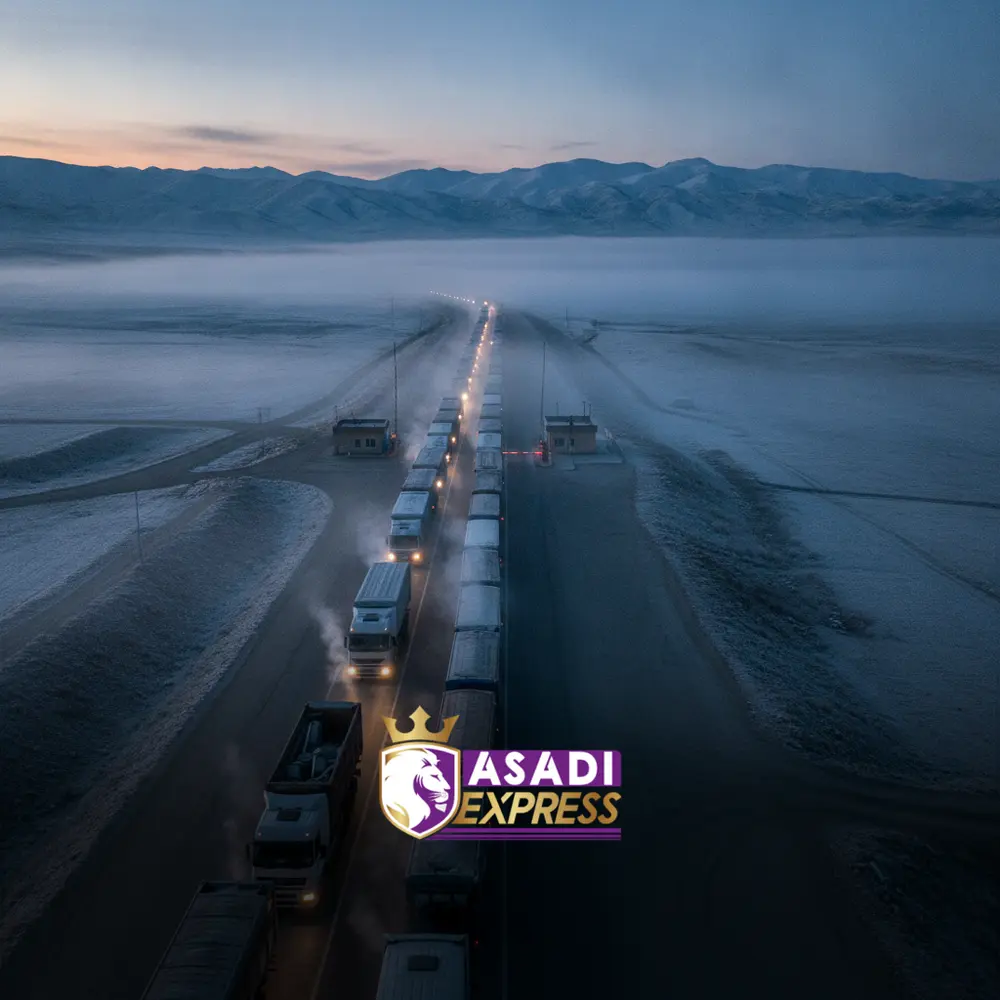
The journey from the Bosphorus to the Alborz mountains covers approximately 2,400 kilometers. The terrain is varied, ranging from the modern highways of Western Turkey to the mountainous passes of Eastern Anatolia. During the winter months, these passes can become treacherous, requiring specialized equipment and experienced drivers who are accustomed to sub-zero temperatures and high altitudes. This is where the “reliable” aspect of reliable land transport: Istanbul to Tehran becomes most evident. A professional logistics provider ensures that vehicles are winterized and that contingency plans are in place for weather-related closures.
Once the cargo crosses into Iran, the road network continues to be robust, leading directly into the capital. Many shipments do not stop in Tehran but continue to other major cities. For instance, we often see shipping from Shiraz to UAE or vice versa, where the Istanbul-Tehran leg is just the first part of a larger regional journey. Understanding these multi-stage journeys is essential for companies looking to optimize their cross-border trucking solutions across the Middle East.
The Role of Asadi Express Cargo in Modern Logistics
In the competitive world of international shipping, Asadi Express Cargo has established itself as a leader by focusing on transparency and reliability. By utilizing modern tracking technologies and maintaining a diverse fleet, the company ensures that the promise of reliable land transport: Istanbul to Tehran is met with precision. They bridge the gap between small-scale shippers and large industrial players, providing the same level of care for a single pallet as they do for a full truckload (FTL).
Middle East Logistics Solutions: Beyond the Direct Route
While the focus is often on the direct link between Turkey and Iran, the broader context of Middle East logistics solutions cannot be ignored. Often, Istanbul is a starting point for goods that eventually find their way to the Arabian Peninsula. Integrated networks allow for cargo to move from Turkey to Iran, and then onward via sea or air to the UAE and Oman. This interconnectivity is vital for businesses that operate across multiple jurisdictions.
For example, a shipment of industrial components might travel via land from Istanbul to Tehran, and then be redirected as cargo from Tehran to Dubai. This multimodal approach allows for flexibility in the face of changing political or economic conditions. Having a partner that can manage bilateral trade shipping services between Turkey and Iran while also understanding the nuances of the Gulf market is an invaluable asset for any international trader.
Cargo Services in Dubai and Their Connection to Turkey
Dubai serves as the premier freight forwarding UAE hub, acting as a redistribution center for the entire Middle East. Many goods that arrive in Tehran via land from Istanbul are destined for the Jebel Ali Free Zone or other logistics parks in the UAE. The synergy between Turkish land transport and cargo services in Dubai creates a powerful trade triangle. Goods can be consolidated in Istanbul, moved to Tehran, and then shipped to Dubai for final distribution to Africa or Southeast Asia.
Furthermore, the demand for door to door cargo UAE services has seen a surge. Customers in Abu Dhabi or Sharjah often order specialized Turkish goods, and the most efficient way to fulfill these orders is through a combination of land transport to Iran and then a short sea hop across the Persian Gulf. This route often proves faster than traditional maritime shipping from Turkish ports like Ambarli or Mersin, which must navigate the Suez Canal and the entire Arabian Peninsula.
Specialized Shipping: From Household Goods to Industrial Machinery
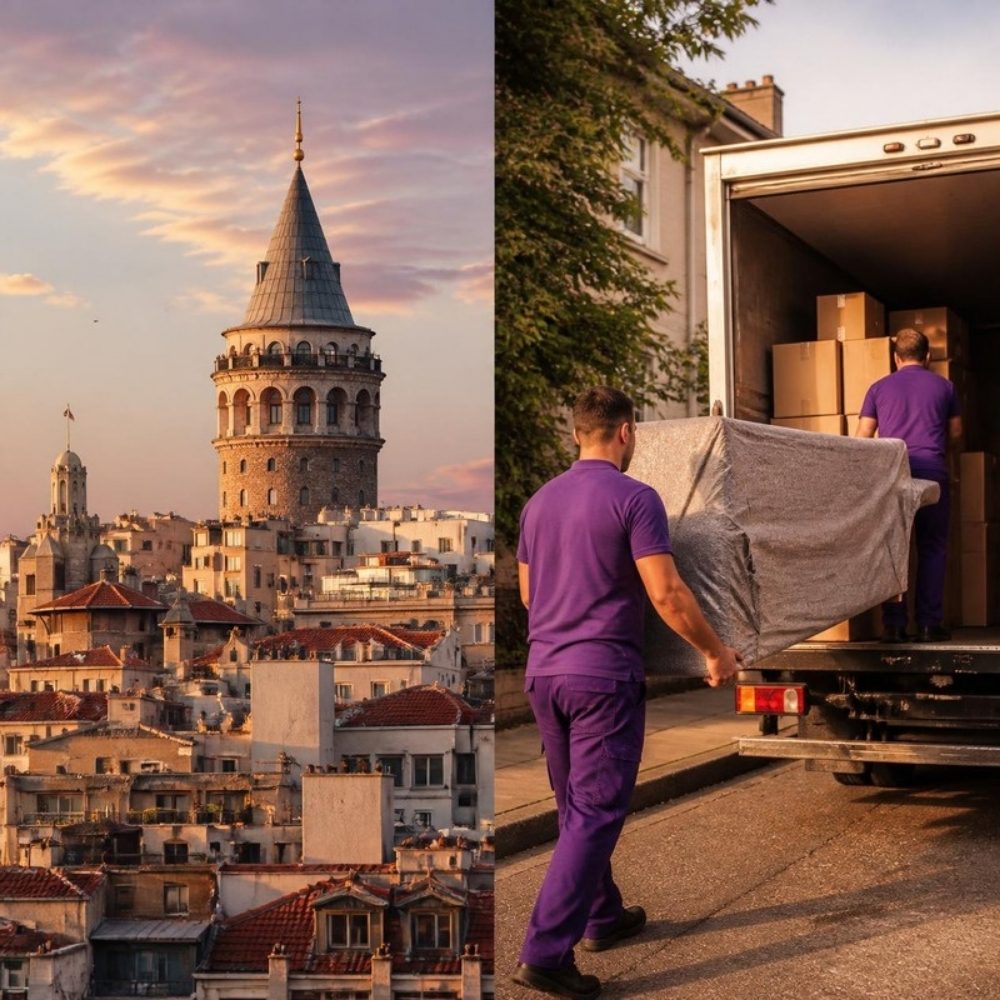
Not all cargo is equal. The requirements for moving sensitive electronic equipment are vastly different from those for moving raw materials or household furniture. For families relocating across the region, expert furniture and household moving services are essential. Reliable land transport: Istanbul to Tehran must include options for specialized packing, climate-controlled environments, and “white-glove” delivery services.
Industrial sectors, such as oil and gas or construction, require heavy-lift capabilities. Moving oversized loads through the mountains of Eastern Turkey and Western Iran requires meticulous planning and often escorts. A reputable shipping company in Dubai or Istanbul will handle the permits, route surveys, and specialized trailers needed for such tasks. This specialized knowledge ensures that the cargo arrives safely and remains compliant with the local laws of every country it passes through.
Real Use Case: E-commerce and Retail Expansion
Consider a Turkish fashion brand looking to expand its footprint in Tehran and eventually Muscat. By utilizing reliable land transport: Istanbul to Tehran, the brand can maintain a lean inventory, sending weekly shipments to its Tehran flagship store. From there, it can use cargo services Muscat Oman to fulfill online orders for the Omani market. This agile supply chain is only possible with a logistics partner like Asadi Express Cargo, which can handle the multi-country documentation and varied transport modes seamlessly.
Navigating Customs and Compliance in Turkey and Iran
The biggest hurdle in any land transport operation is customs. Turkey and Iran both have rigorous inspection processes and specific documentation requirements, such as the TIR Carnet, which simplifies the transit of goods across borders. Without proper paperwork, a truck can be delayed for days or even weeks at the Bazargan border, negating the benefits of land transport. Utilizing a premier logistics hub with dedicated customs brokers is the only way to ensure a smooth transition.
Key documents usually include:
- Commercial Invoice and Packing List
- Certificate of Origin
- TIR Carnet or CMR (International Consignment Note)
- Insurance Certificates
- Sanction compliance declarations (where applicable)
A professional logistics provider will audit these documents before the truck even leaves Istanbul, ensuring that everything is in order for the Iranian customs officials. This proactive approach is what separates a standard trucking company from a truly reliable land transport: Istanbul to Tehran service provider.
Air Freight and Sea Freight UAE: The Multimodal Alternative
While land transport is the backbone of Turkey-Iran trade, there are times when air freight and sea freight UAE become necessary. If a shipment is time-sensitive, air cargo from Istanbul to Tehran is available, though at a much higher cost. Alternatively, for massive bulk commodities like grain or steel, sea freight from Turkey’s Mediterranean ports to Iran’s Bandar Abbas port might be considered. However, for the majority of general cargo, land remains the “Goldilocks” solution—offering the best balance of speed and price.
In the context of the wider region, many businesses use integrated freight corridors to manage their global shipping. This might involve sea freight from China to Dubai, followed by air freight to Tehran, or land transport from Istanbul to Tehran followed by sea freight to Muscat. The ability to pivot between these modes is a hallmark of sophisticated Middle East logistics solutions.
The Future of Logistics: Istanbul, Tehran, and the Gulf
As we look toward the future, several infrastructure projects are set to further enhance the reliability of land transport: Istanbul to Tehran. Improvements in road quality and the digitalization of customs procedures are expected to reduce transit times by up to 20%. Additionally, the growing economic ties between Turkey, Iran, the UAE, and Oman are driving the development of “economic corridors” that treat the entire region as a single logistical theater.
For businesses, this means that the logistics company in Istanbul they choose today must be ready for the challenges of tomorrow. They need a partner that understands not just the road to Tehran, but the entire ecosystem, including cargo services in Dubai and the emerging markets in Muscat. Asadi Express Cargo continues to invest in these routes, ensuring that their clients remain competitive in an ever-changing global market. By focusing on the core promise of reliable land transport: Istanbul to Tehran, they provide the stability that businesses need to grow.
Frequently Asked Questions (FAQ)
1. How long does land transport from Istanbul to Tehran typically take?
On average, the transit time for reliable land transport: Istanbul to Tehran is between 5 to 8 days. This includes the time spent at the border for customs clearance. Weather conditions in the winter and peak holiday seasons can occasionally extend this timeframe.
2. Can you handle personal effects and household moving on this route?
Yes, specialized services are available for household moving. These include professional packing, loading, and navigating the specific customs regulations regarding “used personal effects,” which differ from commercial cargo rules.
3. Is my cargo insured during the journey?
Reputable logistics providers offer comprehensive transit insurance. This covers the goods from the moment they are picked up in Istanbul until they are delivered in Tehran, protecting against theft, damage, or loss due to accidents.
4. Do you provide door-to-door delivery in Tehran?
Absolutely. Most reliable land transport: Istanbul to Tehran services are door-to-door. This means the cargo is collected from your warehouse or home in Turkey and delivered directly to the specified address in Tehran or other Iranian cities like Isfahan or Tabriz.
5. How do I track my shipment?
Modern logistics companies provide GPS tracking and regular status updates. You will be able to see when your cargo has reached the border, when it has cleared customs, and when it is out for final delivery.
Conclusion: Choosing Your Partner for Regional Success
Securing reliable land transport: Istanbul to Tehran is a strategic decision that affects your bottom line and your reputation. In a region where geographical and bureaucratic hurdles are common, the value of an experienced logistics partner cannot be overstated. By connecting the industrial power of Turkey with the markets of Iran and the broader Middle East, you open up a world of commercial possibilities. Whether your needs involve freight forwarding UAE, cargo services Muscat Oman, or the specialized transport of goods across the Anatolian plains, the right partner ensures your peace of mind.
If you are ready to streamline your supply chain and experience the highest standard of service in the industry, look no further than an international shipping expert. For all your regional needs, from Istanbul to the Gulf, trust Asadi Express Cargo to deliver your promises, one shipment at a time. Contact our team today to receive a customized quote and discover how we can optimize your Middle East logistics strategy.
More articles