
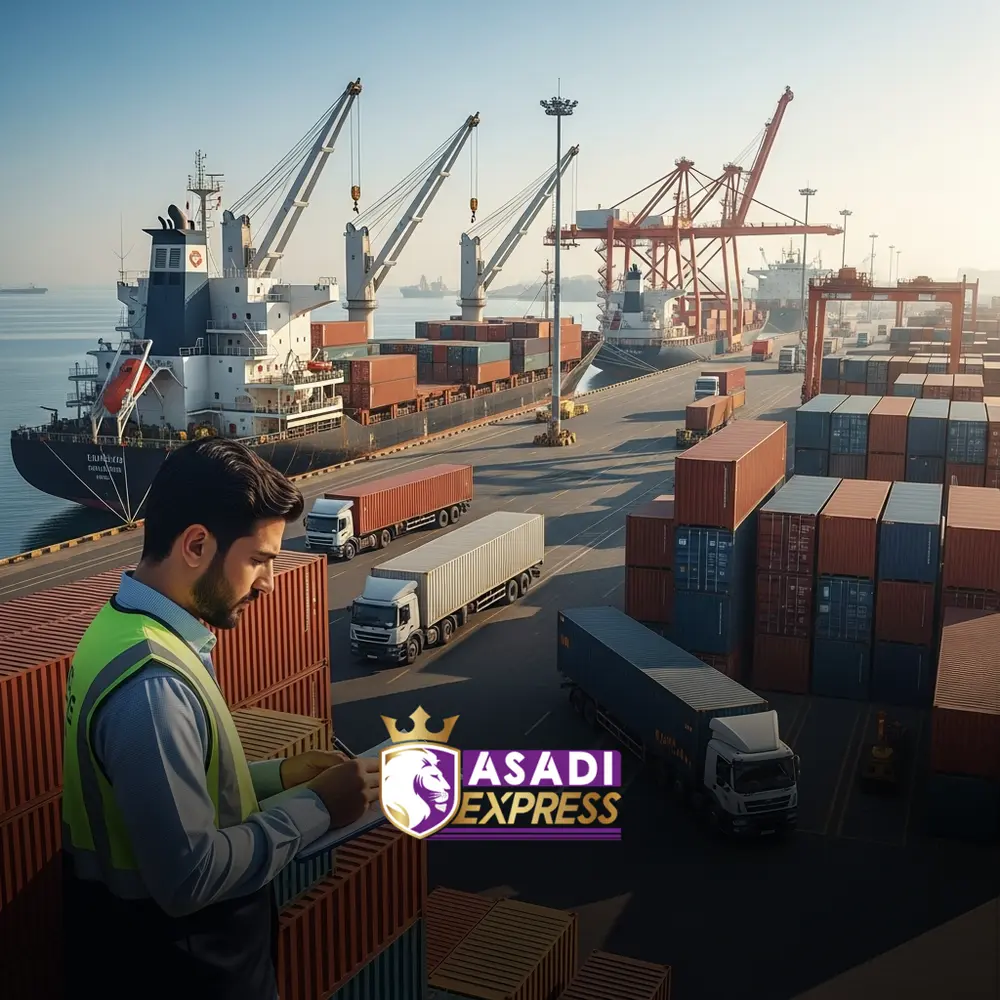
Shipping to Iran: Customs & Clearance Tips
Shipping to Iran: Navigating Customs & Clearance with Confidence
Walk into a freight forwarding office in Deira, Dubai, on any given morning, and you’ll hear the buzz: containers bound for Bandar Abbas, air cargo manifests for Tehran, and urgent queries about customs. Shipping to Iran isn’t just about loading a container or booking air freight space. It’s about understanding a complex, often nuanced, regulatory environment. The success of your cargo, whether it’s a critical industrial component or a parcel of consumer goods, hinges on how well you navigate Iranian customs and clearance procedures. Ignoring the specifics can lead to significant delays, unexpected costs, and even the confiscation of goods. This isn’t just paperwork; it’s a critical gateway to a vital regional market.

Understanding Iran’s Import Regulations and Sanctions Landscape
The landscape of import regulations in Iran is dynamic, shaped by both national policies and the ebb and flow of international relations. For anyone involved in freight forwarding UAE, especially when sending goods from Dubai, Abu Dhabi, or Sharjah, it’s crucial to recognize that Iran operates within a framework influenced by various international sanctions. While these sanctions primarily target specific sectors and entities, they invariably create a ripple effect on general trade, necessitating careful scrutiny of goods, origin, and end-use.
Iranian customs authorities adhere strictly to their import laws, which cover everything from permissible goods categories to required documentation and duty structures. Engaging a knowledgeable shipping company in Dubai with proven experience in Middle East logistics is not merely an option; it is an absolute necessity. These specialists understand the nuances, such as specific licensing requirements for certain commodities or the latest updates from the Iranian Customs Administration (IRICA). They are your eyes and ears on the ground, helping you anticipate challenges before they turn into costly problems. For comprehensive logistics solutions across various routes, consider exploring a partner with established regional expertise.
Essential Documentation for Smooth Shipping to Iran
At the heart of any successful shipment to Iran lies meticulous documentation. Incorrect or incomplete paperwork is the single biggest cause of delays at border crossings like Bazargan or at major ports like Shahid Rajaee. Imagine a consignment of textiles from Istanbul, destined for the Grand Bazaar in Tehran. Without the right documents, that cargo sits. The core documents required typically include:
- Commercial Invoice: This must be precise, detailing goods, value, quantity, and terms of sale (Incoterms). Ensure the declared value is realistic and verifiable.
- Packing List: An itemized list of goods in each package, crucial for inspection and inventory.
- Bill of Lading (for sea freight) or Air Waybill (for air freight): The contract of carriage and title to the goods.
- Certificate of Origin: Verifies where the goods were produced, often required for tariff purposes.
- Insurance Certificate: While optional, highly recommended.
Beyond these, certain goods might require additional permits from ministries such as Health, Agriculture, or Industry. For instance, pharmaceuticals or specific food items will need health certifications. Some documents might also need consular legalization or notarization, a step often overlooked by new shippers. This pre-clearance preparation is paramount, setting the stage for smooth transit of cargo from Dubai to Iran or any other origin.
Customs Valuation and Duty Calculation: What You Need to Know
Understanding how Iranian customs calculates duties and taxes is key to managing your shipping budget. Unlike some countries, Iran predominantly uses the CIF (Cost, Insurance, and Freight) value of goods as the basis for customs valuation. This means the value used for duty calculation includes not just the cost of the goods themselves, but also the cost of insurance and freight to the Iranian port of entry.
Duty rates vary significantly based on the Harmonized System (HS) code of your product. Correctly classifying your goods is critical, as a slight misclassification can lead to either overpayment of duties or penalties for under-declaration. Additionally, Iran imposes various other taxes, including value-added tax (VAT) and commercial benefit tax, on imported goods. These rates are published by IRICA and can be complex, often requiring an expert to interpret. For instance, importing consumer electronics will have a different tariff structure than industrial machinery or raw materials. A good freight forwarding UAE partner can provide estimates and guidance, helping you avoid surprises when your cargo arrives at a customs warehouse in Bandar Abbas or Mehrabad International Airport.
Navigating Restricted and Prohibited Goods Categories for Iran
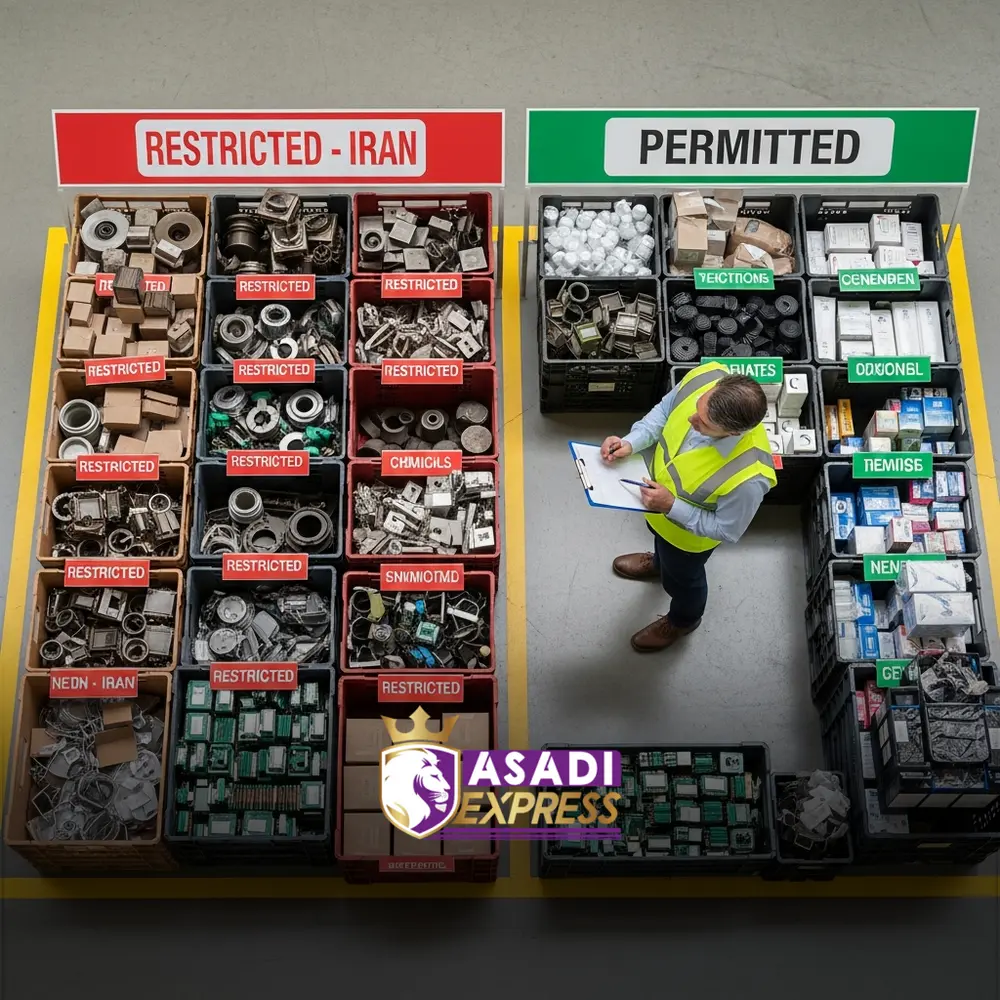
One of the most critical aspects of shipping to Iran, and often the most challenging, is understanding its classifications for restricted and prohibited goods. This is where many shipments encounter serious roadblocks. Iran maintains a strict list of items that cannot be imported, as well as those that require special permits or licenses. Goods falling into prohibited categories will be confiscated without recourse.
Common prohibited items include alcoholic beverages, certain types of literature, media deemed contrary to Islamic values, military-grade equipment, and specific dual-use technologies that could have military applications. Restricted items often include pharmaceuticals, certain chemicals, specific types of machinery, telecommunications equipment, and agricultural products, all of which require specific import licenses from relevant Iranian ministries.
In my years arranging shipments between Tehran and Dubai, I’ve seen firsthand how crucial pre-shipment verification is. If you’re sending anything beyond common, widely traded goods, you absolutely must verify its status with an Iranian customs broker or an experienced freight forwarder. This due diligence ensures your UAE to Iran shipping plans aren’t derailed by an item on a restricted list. This proactive approach applies whether you’re moving a full container of goods or just a smaller air freight consignment.
Efficient Clearance Procedures at Iranian Ports and Borders
The actual customs clearance process once your cargo arrives in Iran demands precision and swift action. At major entry points like Shahid Rajaee Port in Bandar Abbas for sea freight, or Imam Khomeini International Airport (IKIA) in Tehran for air cargo, the procedure typically involves several steps:
- **Arrival and Manifest Submission:** The carrier submits the manifest to customs.
- **Document Presentation:** Your local customs broker presents all required import documents.
- **Customs Inspection:** Goods may undergo physical inspection to verify quantity, type, and declared value against the documents.
- **Duty and Tax Payment:** Once documents are verified and goods inspected, calculated duties and taxes are paid.
- **Release:** Upon payment and final checks, customs issues a release order, allowing the cargo to proceed for onward transport.
This process can be expedited significantly by ensuring all documents are accurate and complete, and by working with a reputable customs broker who has established relationships and understands the local processes intimately. Delays often stem from incomplete paperwork, discrepancies between declared and actual goods, or misclassified items. For example, a container arriving from China to Dubai and then moving onwards to Iran needs its paperwork to be pristine at every handoff. We specialize in efficient land transport networks across the region, which often link these key maritime and air hubs with final destinations in Iran.
Specialized Considerations: Personal Effects and E-commerce Shipping to Iran
Household Moving to Iran
Relocating to Iran, especially from a place like Turkey to UAE or vice versa, involves a different set of customs rules for personal effects and household goods. These shipments are often treated differently from commercial cargo, with potential exemptions on duties for items owned and used for a certain period. However, strict adherence to item lists, proof of residency, and ensuring no prohibited items are included is paramount. Each item must be declared accurately, even down to books and media, to avoid complications. Specialized household moving services understand these unique requirements, ensuring a smoother transition for individuals and families. Asadi Express Cargo is often consulted for this delicate type of shipping.
E-commerce Logistics and Small Parcels
The rise of e-commerce has brought new demands for shipping to Iran, particularly for smaller, more frequent shipments. While large cargo shipments follow standard procedures, individual parcels often face increased scrutiny due to their diverse contents and high volume. E-commerce logistics to Iran require robust tracking, efficient last-mile delivery solutions, and a deep understanding of customs thresholds for individual packages. Companies looking to leverage this market need partners capable of handling aggregated shipments and streamlined clearance processes, minimizing delays that can frustrate end consumers in Tehran or Shiraz. Managing door to door cargo UAE for these smaller consignments needs agility and local expertise, right up to the final recipient’s doorstep.
Frequently Asked Questions About Shipping to Iran
Q1: How long does customs clearance typically take in Iran?
The time frame for customs clearance in Iran can vary a lot. For well-prepared commercial shipments with all documentation in order, it might take anywhere from 3 to 7 working days. However, if there are discrepancies, missing documents, or if the goods require special permits that haven’t been secured beforehand, it can stretch to weeks or even months. Having a skilled local agent really helps speed things up.
Q2: Can I send personal gifts to Iran?
Yes, you can generally send personal gifts to Iran, but there are strict rules. The value must be below a certain threshold (which can change), and you absolutely cannot send prohibited items like alcohol or certain types of media. It’s usually best to declare them clearly as “gifts” and list their contents accurately. Sometimes, even gifts might incur duties if their value is deemed too high.
Q3: What are the biggest risks when shipping to Iran?
The main risks include documentation errors leading to delays or penalties, misclassification of goods resulting in incorrect duties, and inadvertently shipping prohibited items which can lead to confiscation. Another significant risk is the fluctuating regulatory environment and the potential impact of international sanctions, which can sometimes change import/export feasibility. That’s why working with an experienced freight forwarding UAE company is so important.
Q4: Do I need a local partner for customs clearance in Iran?
Absolutely. While not legally mandatory for every type of shipment, having a local customs broker or agent in Iran is highly recommended. They possess the intricate knowledge of local laws, language, and procedures, which are crucial for smooth clearance. They can act on your behalf, liaise with customs officials, and resolve issues quickly. It’s essentially your guide through a complex system, making cargo services Muscat Oman to Shiraz or air freight from Istanbul to Tehran much simpler.
Conclusion: Your Reliable Partner for Shipping to Iran
Shipping to Iran presents a landscape of unique challenges, but it is by no means impenetrable. With meticulous preparation, a deep understanding of the regulatory framework, and the right logistics partner, you can ensure your goods reach their destination efficiently and compliantly. The complexity of Iranian customs and clearance demands expertise that goes beyond standard freight operations; it requires a partner with practical, on-the-ground experience in Iran and across the Middle East logistics sector.
If you’re planning your next shipment to Tehran, Shiraz, or any other Iranian city, or need advice on navigating customs for your cargo from Dubai to Iran, reach out to our team at Asadi Express Cargo. We provide comprehensive air freight and sea freight UAE solutions and specialize in making complex routes manageable. Let us help you streamline your shipping process and ensure your cargo moves without unnecessary hitches.


Leave a Reply
Want to join the discussion?Feel free to contribute!