






Customs Clearance: Turkey to Iran Explained
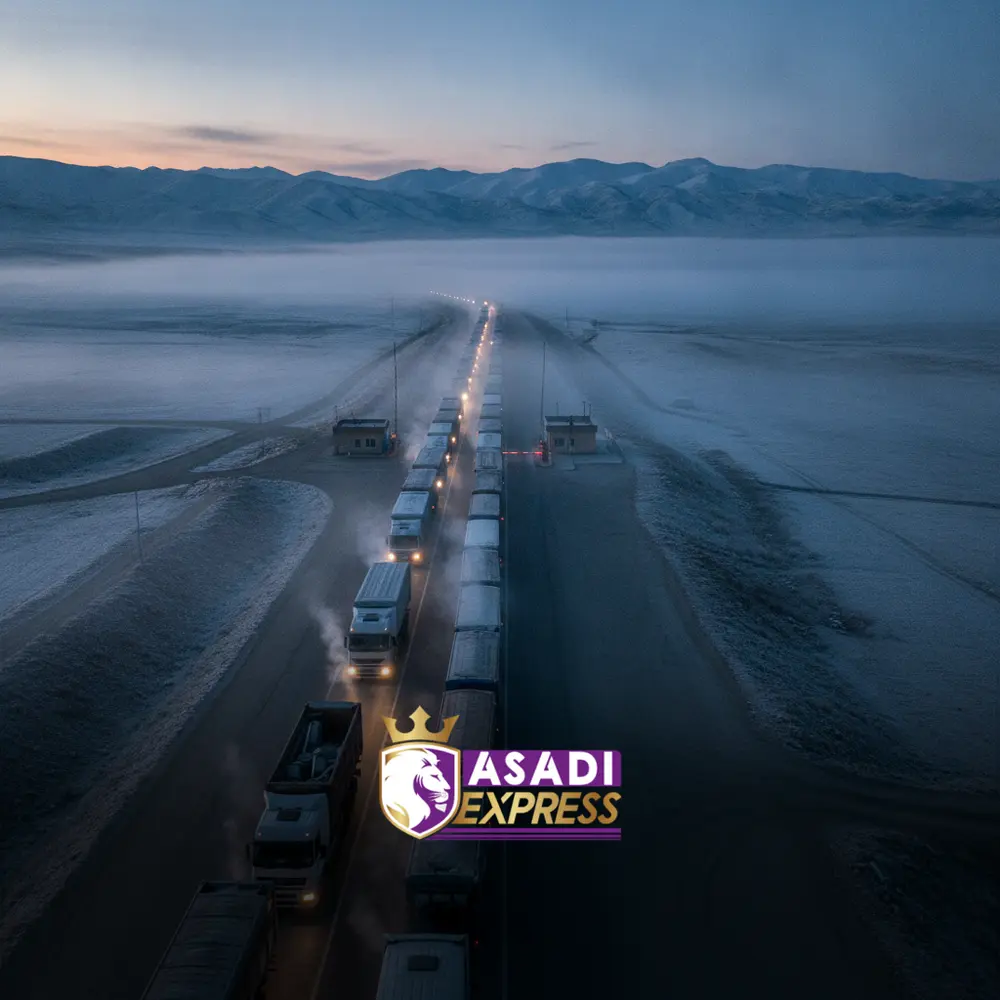
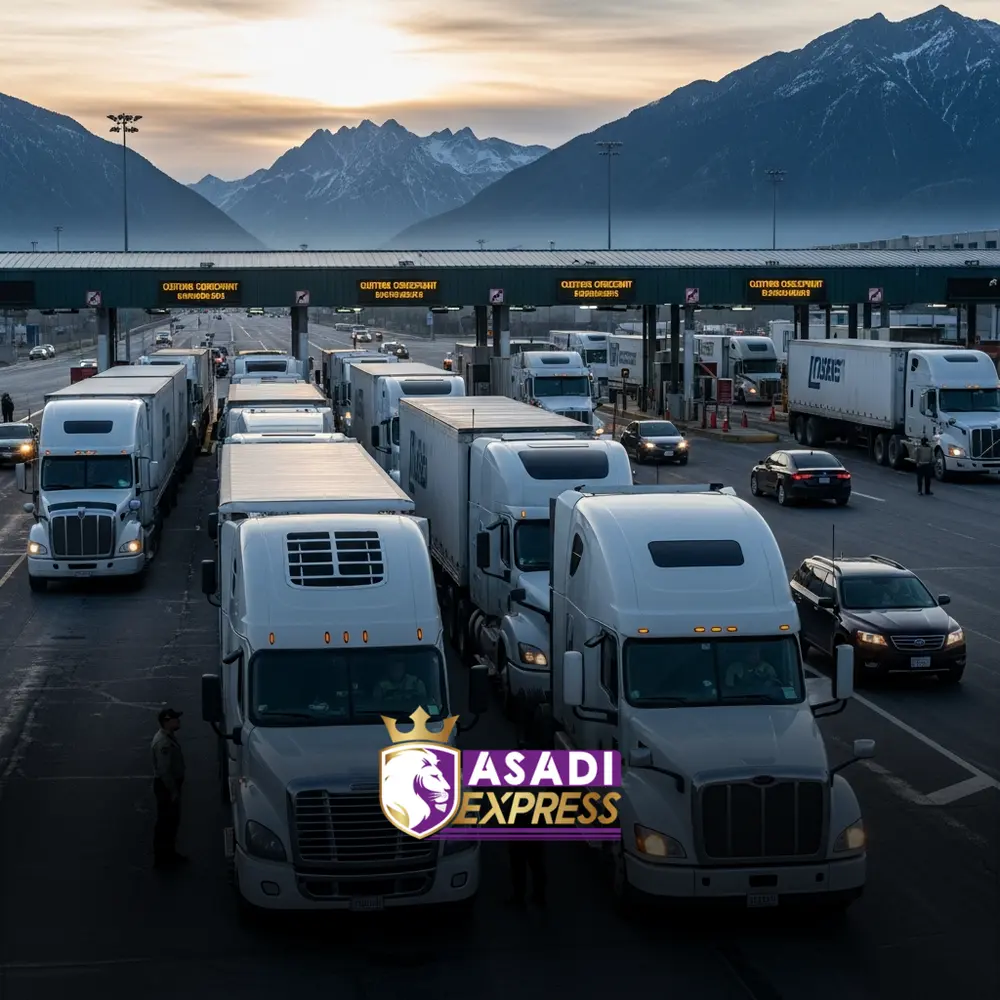
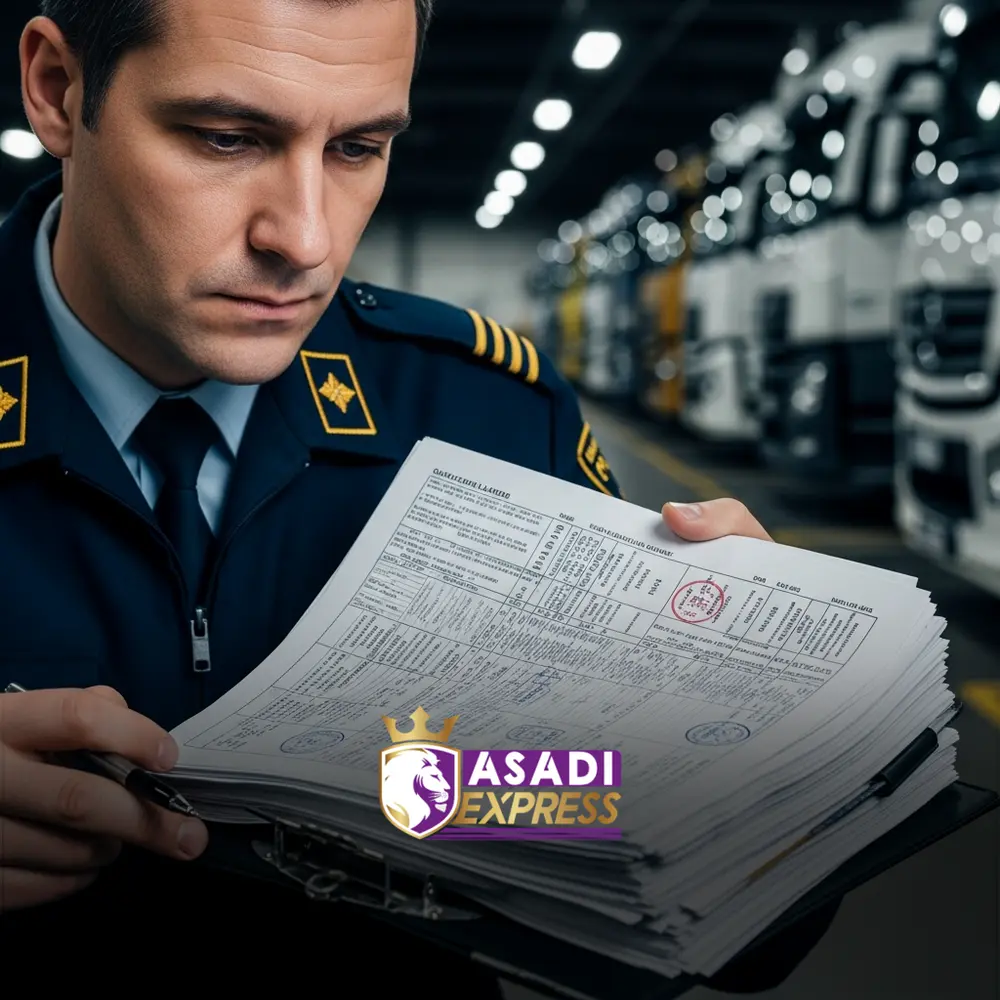
Standing in the customs zone at the Bazargan border crossing at three in the morning is a lesson in patience and precise documentation. The air is cold, the sound of idling heavy-duty trucks creates a low, constant hum, and the primary objective is keeping the cargo moving despite the rigid bureaucratic hurdles. A driver might have every document in order, yet a minor discrepancy in the certificate of origin or a missing stamp on the commercial invoice can lead to days of yard storage fees. Moving goods across this corridor involves navigating complex customs clearance: Turkey to Iran protocols that require more than just a truck and a driver.
Navigating the Regulatory Landscape Between Turkey and Iran
The trade route between Istanbul and Tehran is one of the most vital arteries for regional commerce, connecting the industrial might of Turkey with the markets of Iran. Logistics managers often underestimate the volatility of the border regulations here. Unlike shipping between European states, this corridor requires deep familiarity with both Turkish export exit declarations and the specific import licenses mandated by the Iranian Ministry of Industry, Mine and Trade. Whether you are moving industrial machinery for a plant in Shiraz or essential raw materials destined for a warehouse in Tehran, the paperwork must be flawless.
In my years arranging shipments between Tehran and Dubai, I have seen seasoned traders lose entire margins because they assumed a standard bill of lading would suffice for a specialized pharmaceutical shipment. Customs clearance is not a singular event; it is a cumulative process that starts the moment your goods leave a factory floor in Bursa or Izmir. You are dealing with two distinct legal frameworks that do not always align on tax treatment or commodity categorization. When your goods arrive at the border, the electronic data interchange must already be synced with the customs office, or you risk the dreaded red-channel inspection.
Success requires proactive planning rather than reactive problem-solving. This means verifying every HS code against current Iranian import regulations before the truck even reaches the border. For those managing complex international logistics, exploring comprehensive freight forwarding services can mitigate these risks significantly. When you anticipate the inspection requirements, you minimize the risk of your freight sitting under the desert sun for weeks on end.
Understanding the Documentation Lifecycle
Every shipment starts with a commercial invoice and a packing list, but these are merely the foundation. For Turkey to Iran routes, the Certificate of Origin is the most scrutinized piece of paper in the dossier. If the document is not properly certified by the local Chamber of Commerce, the Iranian customs office will treat the shipment as if it originated from a restricted jurisdiction, triggering tariffs that can double your cost of goods. Furthermore, the EORI number and the equivalent Turkish export registration must be perfectly reflected on every manifest.
Transit documents also play a massive role in the flow of your goods. TIR carnets are standard, but the specific insurance coverage for the cargo while it is held in bond is often overlooked. If your freight is destined for a free zone, the clearance procedure changes yet again, requiring a different set of guarantees from the Iranian side. It is a game of details where one digit in a value declaration can trigger a full-scale audit of your business records.
I always emphasize to our clients that the paperwork needs to be digitized well before the cargo arrives at the gate. If you rely on handwritten additions or last-minute changes to your shipping manifests, you are inviting delays. You must treat the customs declaration as the most important part of the cargo, equal in value to the physical items inside the container.
Optimizing Transit Times and Routes
The physical journey from Turkey to Iran is grueling for both machines and drivers. Most cargo moves via road, starting in Istanbul or Ankara and navigating through eastern Anatolia toward the border. This path is susceptible to seasonal disruptions, particularly heavy snow in the winter months, which can close mountain passes for days. Understanding these regional constraints is vital when promising delivery dates to your partners in Tehran or Tabriz.
Many shippers also look for multimodal options that involve sea legs to avoid land congestion. Exploring professional ocean freight forwarding can sometimes provide a more stable timeline when land borders are backed up. It is about balancing cost versus speed, particularly when dealing with perishable or high-value items. When you plan your route correctly, you gain a massive competitive advantage in the local market.
It is worth noting that the infrastructure on the Iranian side has seen significant investment, yet the clearance process remains inherently human-driven. Relationships with local agents on the ground often determine whether your truck enters the country on a Monday or a Thursday. Asadi Express Cargo operates by ensuring that every agent we deal with is well-versed in the latest policy shifts coming out of the customs ministries in both nations.
Managing Specialized and Household Cargo
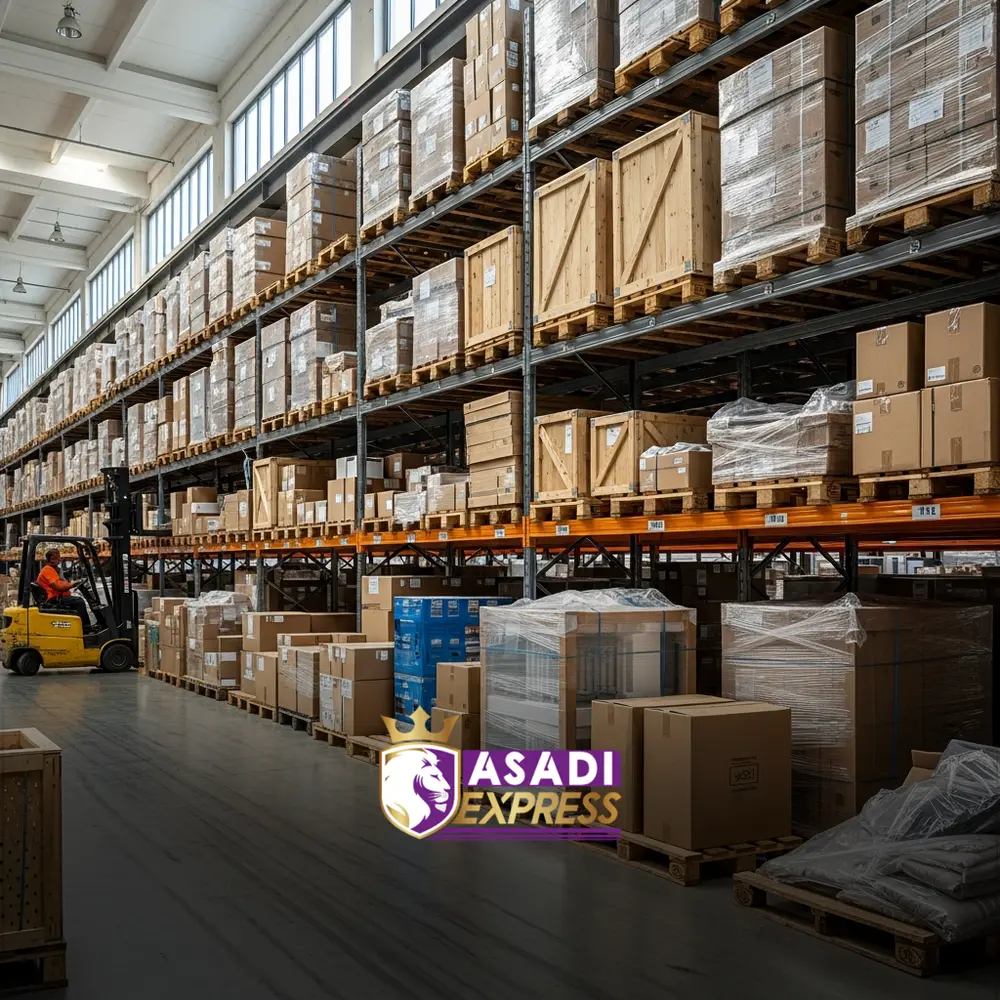
Moving household goods or specialized industrial equipment requires an entirely different approach than palletized consumer goods. Household moves often trigger a stricter personal effects inspection at the Iranian border, necessitating proof of residence and detailed inventory lists that match the volume of the container. If you are relocating, the administrative burden of clearance can be overwhelming without a partner who understands the nuance of import duties for personal items.
I recall a client who needed to ship delicate machinery components. The components were mislabeled on the initial entry form as general spare parts, causing the Iranian customs officials to stop the shipment for a laboratory analysis to determine the actual metal composition. It added three weeks of storage charges to the bill. Properly identifying your cargo for customs clearance: Turkey to Iran is the only way to avoid these costly administrative traps.
For those involved in international household relocations, look for partners who can handle specialized household moving needs safely. Handling these items requires more than just logistics expertise; it requires a deep sense of responsibility for the client’s most valuable possessions. Ensuring that the crates are labeled according to international standards is a small step that prevents massive headaches during the final inspection.
The Role of Free Zones and Intermediate Storage
Strategic use of free zones can significantly alter your duty exposure and storage overhead. Many companies choose to clear cargo in Iranian free trade zones before bringing them into the mainland, which allows for better cash flow management regarding tax payments. However, this adds a step to the logistics chain and requires careful documentation to prove that the goods meet the requirements for tax exemption upon final entry.
This is where deep regional knowledge becomes non-negotiable. If you are expanding your business, you might also find value in researching shipping between Iran and Dubai to understand how your logistics network can be diversified. A diverse network is a resilient one, especially when border policies shift with little warning. You should always have a contingency plan that allows for rerouting if the main customs artery becomes congested.
Consistency in customs handling is what separates a successful firm from one that constantly deals with delays. Asadi Express Cargo invests heavily in maintaining direct lines with customs brokers who understand the specificities of the Turkey-Iran trade corridor. This allows for rapid adjustments when a specific regulatory requirement changes overnight.
FAQ: Solving Common Customs Clearance Issues
What is the most frequent reason for cargo delays at the Turkish-Iranian border? Usually, it is a mismatch between the HS code on the commercial invoice and the actual content description provided to the customs authority. You must ensure that every single item listed is accurately classified. Vague descriptions like machine parts are a red flag that will almost certainly lead to an inspection.
Is it better to clear goods on the Turkish side or the Iranian side? This depends entirely on the Incoterms defined in your contract. Generally, your primary concern is the entry into the destination country, so focusing your efforts on the Iranian customs clearance is usually more critical. However, the exit from Turkey must be perfectly documented to avoid issues with VAT refunds and export compliance.
Can I ship personal household items along with commercial cargo? It is technically possible, but I strongly advise against it. Customs officials treat them differently, and having them mixed in the same container often leads to the entire shipment being held up while the authorities disentangle the personal items from the commercial goods. It is better to keep your personal moves separate from your business freight.
Do I need to be physically present at the border to clear my cargo? No, but you do need a trusted agent who holds a power of attorney to act on your behalf. Asadi Express Cargo acts as that intermediary, managing the interactions with the customs offices so you do not have to be there yourself. We keep the process moving while you focus on your business operations.
How do I know if my goods are restricted for entry into Iran? The list of restricted goods changes based on current economic policies and bilateral trade agreements. You should consult with your freight forwarder at least two weeks before the shipment departs to confirm that the items you are shipping are not currently under import quotas or bans. You can also view our main landing page to see the full range of logistics support we provide for regional trade.
Final Thoughts on Regional Logistics
Logistics is never just about moving a box from A to B; it is about the mastery of the space between those two points. The Turkey to Iran corridor is a testament to the resilience of international trade, requiring constant vigilance and a deep commitment to regulatory accuracy. You cannot afford to leave your customs documentation to chance or to someone who does not understand the unique, often frustrating, nuances of these specific border crossings.
If you are planning your next shipment, take the time to audit your documentation before the freight is packed. If you need a reliable partner to handle the complexities of your next transit, reach out to our team via our official contact channels to discuss your specific load requirements. Let us help you ensure that your cargo is handled with the precision required to succeed in this demanding corridor.
More articles