





How to Avoid Shipping Delays in Turkey
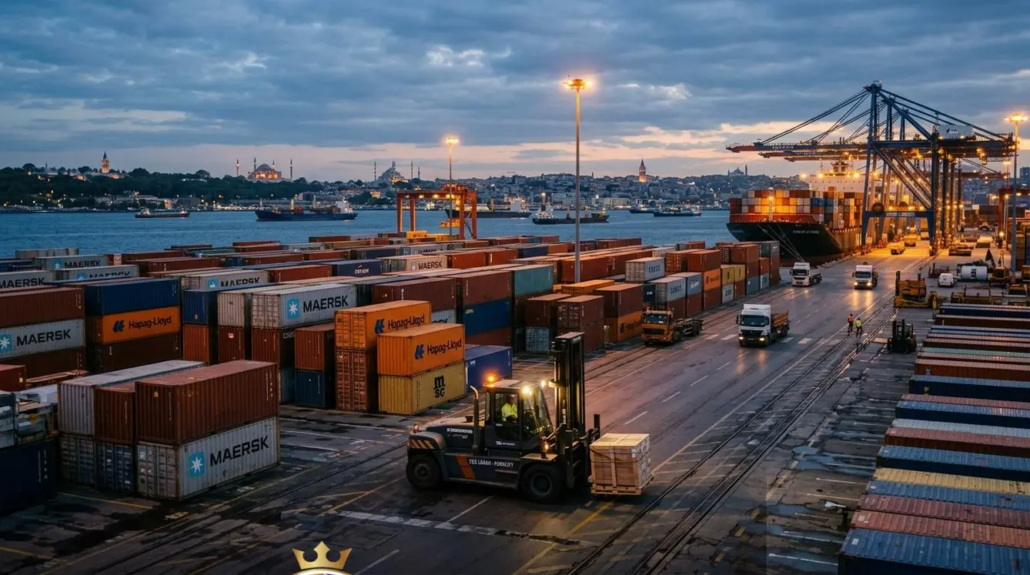
I still remember standing at a shipping terminal in the Pendik district of Istanbul at two in the morning, watching a driver argue with a customs official over a missing certificate of origin for a pallet of spare parts bound for Dubai. The air was cold, the queue of trucks stretched back toward the highway, and the entire logistical chain for that client had ground to a halt over a single piece of paper. It is a scene that plays out daily in the busy industrial corridors of Turkey, where the sheer volume of trade often outpaces the bureaucratic speed of border crossings.
Avoiding shipping delays in Turkey is not just about choosing the right carrier; it is about preemptive planning. When you are moving goods out of Istanbul or through the Turkish border gates, every document, label, and seal matters. Freight movement in this region remains complex, involving a mix of European standards and regional customs realities that can trip up even the most seasoned supply chain managers.
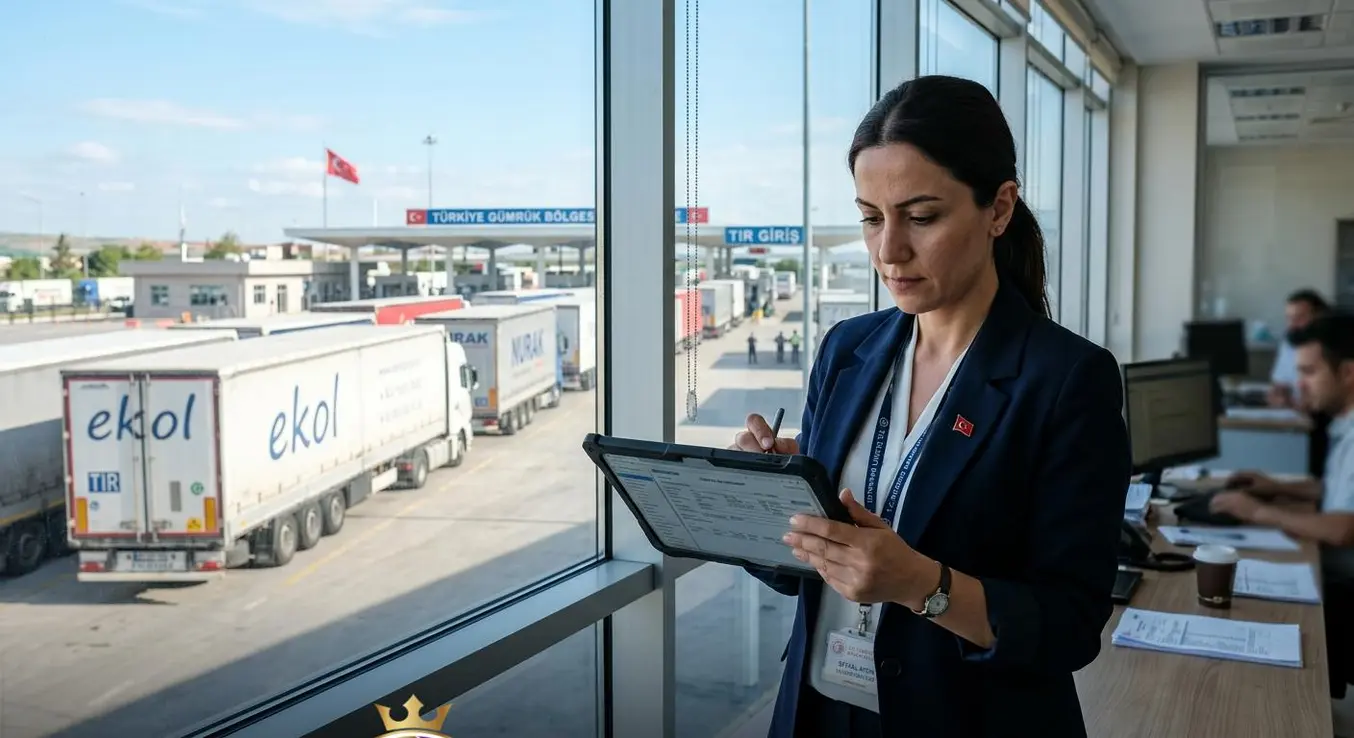
Navigating Customs Compliance for Turkish Exports
Customs clearance is the primary bottleneck for almost all Middle East logistics. When you are shipping goods from Turkey to the UAE or Oman, the Turkish customs authorities require absolute precision in your commercial invoices and packing lists. Any discrepancy between the weight noted on your paperwork and the actual physical weight registered on the scales at the border will lead to an immediate impoundment of your cargo. These inspections can last anywhere from three days to several weeks, effectively killing your delivery timeline.
Consistency in documentation is your best defense against such occurrences. In my years arranging shipments between Tehran and Dubai, I have seen far too many businesses attempt to bypass strict labeling requirements to save time, only to pay double in demurrage fees later. Make sure your Harmonized System codes are correctly assigned for every item in your shipment. Even a minor misclassification can trigger a red flag that halts the entire container at the exit gate.
Understanding the Reality of Transit Times
Transit times in the Middle East are often viewed with unrealistic optimism. When a freight forwarder quotes you a lead time from Istanbul to Tehran or Muscat, they are often assuming the best-case scenario at the border crossings. You must account for seasonal variations. During holiday periods, such as Ramadan or major Turkish public holidays, the volume of traffic at the land borders increases while the available workforce at customs offices decreases. This discrepancy creates a massive backlog that can add four to seven days to your transit expectations.
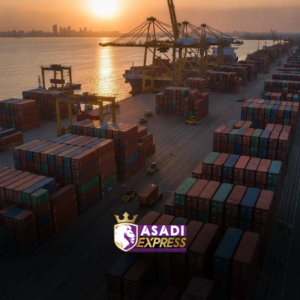
If you are shipping urgent cargo, rely on multimodal solutions. Sometimes, moving goods by land to a port and then switching to a sea route is faster than waiting for a direct road convoy to clear the bottlenecked checkpoints. For those looking to optimize their logistics routes, our ocean freight forwarding services can provide a more reliable timeline for non-perishable goods that do not require the speed of air travel but need a predictable delivery window.
Optimizing Land Transportation Protocols
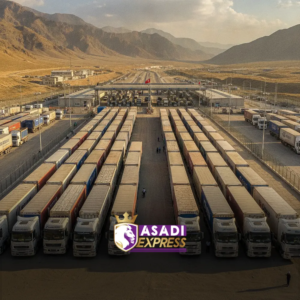
The road network between Turkey and the GCC is the backbone of regional trade, yet it is also the most vulnerable to external factors like weather and political shifts. During winter months, the high-altitude passes in Eastern Turkey can be closed due to heavy snow. If your goods are in transit, they are effectively frozen in place. You should always insist on a winter-grade transit plan if your cargo is moving through these regions between December and March.
Drivers also play a massive role in the success of your shipment. We ensure that our network of operators at Asadi Express Cargo is fully briefed on the latest border requirements. Communication with the driver is vital; they are your eyes and ears on the ground. If a specific border gate is reporting long queues, a proactive driver can pivot to an alternative route or a different customs entry point, provided the documentation is pre-cleared for those specific transit paths.
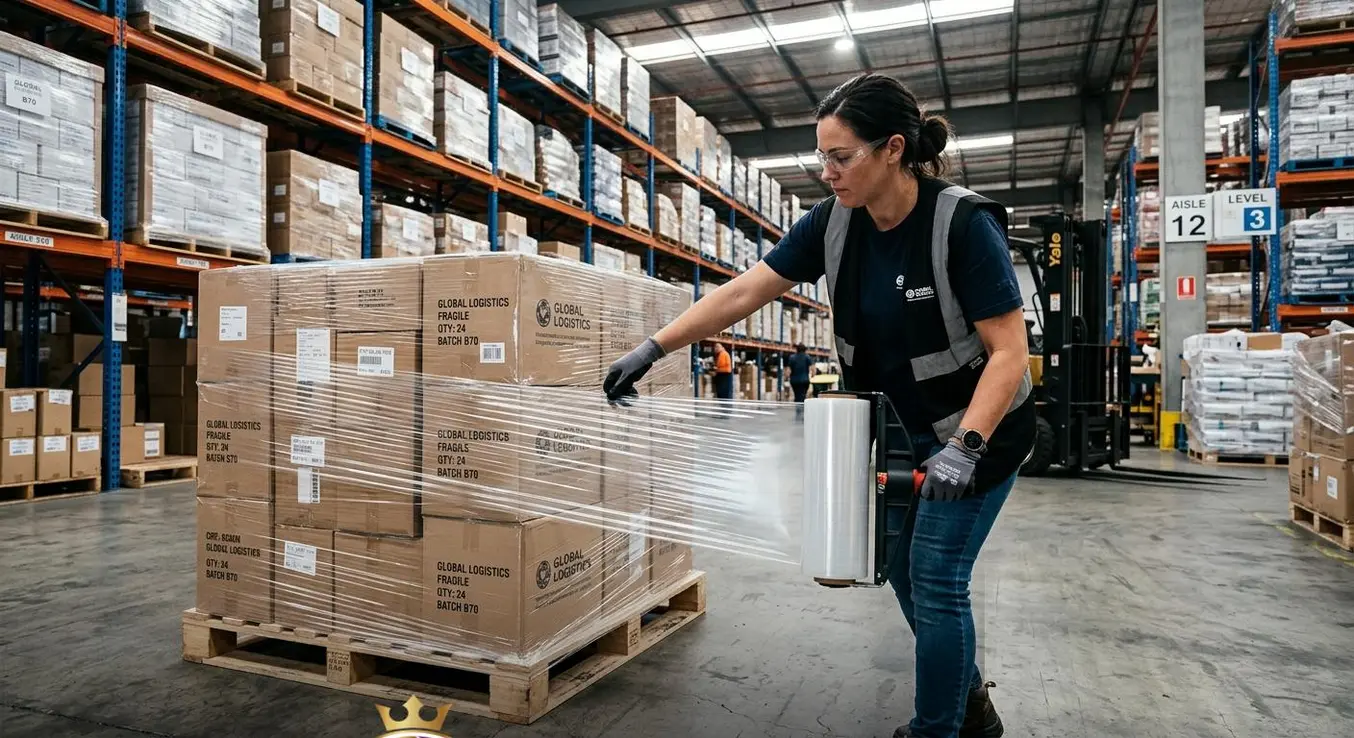
Strategic Packing to Prevent Border Inspections
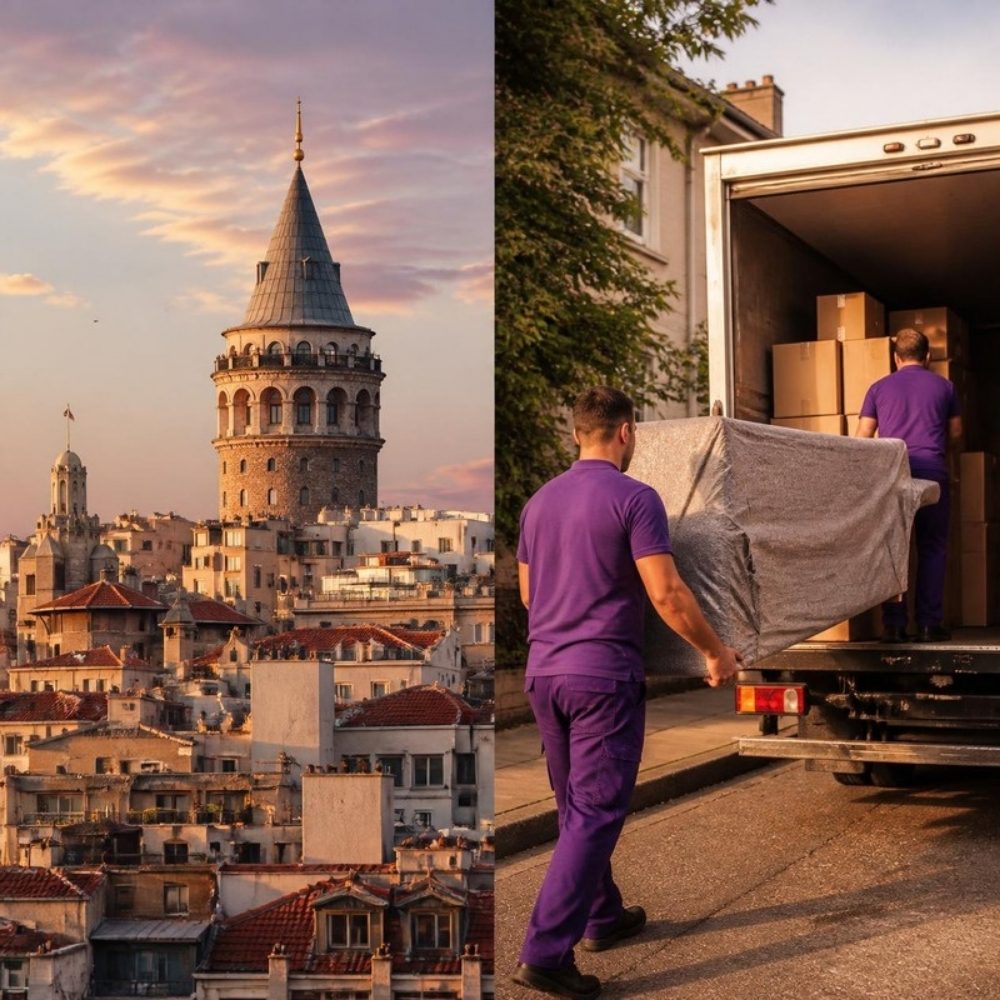
Packing for international shipping involves more than just stacking boxes on a pallet. Customs officers perform random physical inspections, and if your goods are poorly packed, they might not be resealed correctly, leading to breakage or theft. Always wrap your pallets in high-quality shrink wrap and use clear, durable labels that are printed in both English and Turkish. If your goods are destined for a specialized market, you might consider our specialized household moving services which utilize crates designed to withstand the rigors of long-haul land transport without compromising the integrity of the items inside.
Keep your hazardous materials or restricted goods segregated from general cargo. If a container is flagged because of a single mislabeled chemical drum, the entire shipment will be offloaded for a full physical inspection. This is the most common cause of multi-week delays that could have been avoided with better organization at the loading dock.
The Importance of Regional Expertise
Logistics in the Middle East requires a deep understanding of local relationships. Having a partner who understands the nuances of the Tehran to Dubai corridor is essential when navigating the shifting regulations between Iran, Turkey, and the UAE. Many companies find it useful to lean on existing infrastructure that has already mastered these complex transit loops. For businesses managing heavy volume, utilizing professional cargo and transportation networks reduces the risk of human error in documentation and scheduling.
Beyond the paperwork, regional knowledge means knowing which ports offer the fastest throughput for your specific goods. If you are shipping electronics, you may want a route that prioritizes air cargo to minimize handling, whereas industrial machinery might be better suited for specific Ro-Ro vessels. Expertise allows you to anticipate problems before they arrive at the customs house, rather than reacting to them after your cargo is already stuck in a yard.
Building Resilience into Your Supply Chain
No supply chain is immune to disruption, but you can certainly reduce the frequency and impact of these events. Always maintain a buffer in your delivery schedule. If your supplier in Istanbul promises goods in ten days, quote your own clients fifteen days. This five-day cushion absorbs the impact of minor customs delays or short-term border closures without affecting your business reputation.
Digital tracking is also non-negotiable in this industry. If you cannot track your shipment in real-time, you are flying blind. For those needing to maintain high-frequency logistics between major hubs, it is often helpful to review our range of freight services to see how integrated tracking can provide the visibility needed to intervene when a delay appears on the horizon. Asadi Express Cargo focuses on this kind of proactive monitoring to keep clients informed of their cargo status at every border crossing.
Frequently Asked Questions
How far in advance should I book my transport from Turkey to avoid delays? Ideally, you should initiate your booking at least two weeks before your cargo is ready. This allows time to verify that all export permits and certificates are in order, which is the most frequent cause of hold-ups at Turkish border gates.
Why does my cargo get stuck at the border even with all the paperwork? Often, it is a mismatch between the physical manifest and the electronic filing. Customs systems are highly automated, and even a minor weight difference or an unclear product description can trigger an automatic audit. This is why we double-check every detail before a truck even leaves the warehouse floor.
Is it better to use air or sea for urgent shipments from Istanbul to Dubai? If the shipment is truly urgent, air freight is the only option, but it comes with a higher cost. Sea freight is much more economical for bulk items, but you must account for port congestion in the UAE. For those considering the trade-offs, checking our frequently asked questions page can offer deeper insight into which mode of transport is currently most efficient based on current terminal traffic.
What should I do if my shipment is already delayed at a border? Communicate immediately with your forwarder. They should be able to contact the broker on the ground to determine if the issue is a missing document or a technicality that can be resolved with a letter of explanation. Avoid trying to intervene personally, as this often confuses the regulatory process for the officials involved.
Dealing with logistics in the Turkey-Middle East corridor is a game of patience and preparation. By ensuring your paperwork is perfect, maintaining a realistic buffer in your transit times, and working with partners who know the border personnel, you can keep your goods moving steadily. If you are struggling with recurring issues or need to audit your current route, send our team a detailed summary of your typical shipment profiles, and we will provide a breakdown of where you can tighten your processes to prevent future bottlenecks.
More articles