









Lightweight plastic kitchenware can still be expensive to ship when cartons waste space or arrive distorted. A useful transport plan starts with the finished product, its packing arrangement and the buyer’s receiving requirements. This guide concerns ordinary, new, empty plastic tableware and kitchenware. It does not cover resin, chemicals, scrap, waste, medical products or filled food containers, and does not confirm import permission.
Send the product list, material specification, packed-carton photographs, dimensions and gross weights for a shipment assessment.
Select the quick shipment request option in the portal. Phone verification is required to continue.
1. Define the finished article, not simply “plastic goods”
Specify bowls, plates, serving articles or household food-storage containers, their material, intended use, model, size and whether lids are included. Distinguish reusable articles from single-use products and disclose printing, coatings or multiple materials. Give piece counts by model and carton, not only the number of bags. A mixed assortment needs a traceable packing list so the buyer can check sizes and matched lids without opening every carton indiscriminately.
The exporter and importer should ask qualified customs specialists to verify Iranian export obligations, the exact Turkish GTİP, current duties and entry conditions for the actual article. Neither the material name nor a historical statistical category determines today’s classification. Check relevant parties, origin, intended use and transaction restrictions as part of the compliance review. “Ordinary cargo” describes handling needs; it is not a sanctions clearance or legal exemption.
2. What the historical trade data actually shows
WITS reports Turkey’s 2023 imports from Iran under statistical HS 392410 at US$567.87 thousand and 308,034 kg. This confirms a recorded historical flow, not current demand or permission. WITS/UN Comtrade data.
Do not treat that aggregate as Asadi Express shipments, a forecast or a promise that a particular model sells well. A present-day commercial decision needs the buyer’s specification and a shipment-specific compliance review. The statistical code in that dataset is not an instruction to declare every plastic article under the same code. Keep market context separate from the logistics quotation.
3. Food-contact claims need evidence for the actual use
Turkey’s agriculture ministry covers food-contact materials in its import information. It also publishes amendments to its plastics food-contact framework. The importer must check the currently applicable consolidated requirements.
Ask what specifications, conformity documentation, testing and labels are needed for this material and intended contact conditions. Claims such as microwave-safe, freezer-safe or suitable for hot food must not be invented from appearance or copied from another model. Make the manufacturer’s intended use and restrictions available to the reviewer. A recycling symbol alone is not the entire compliance file. This guide prescribes no migration threshold, test protocol or universal certificate.
4. Nested products save space only when the packing design works
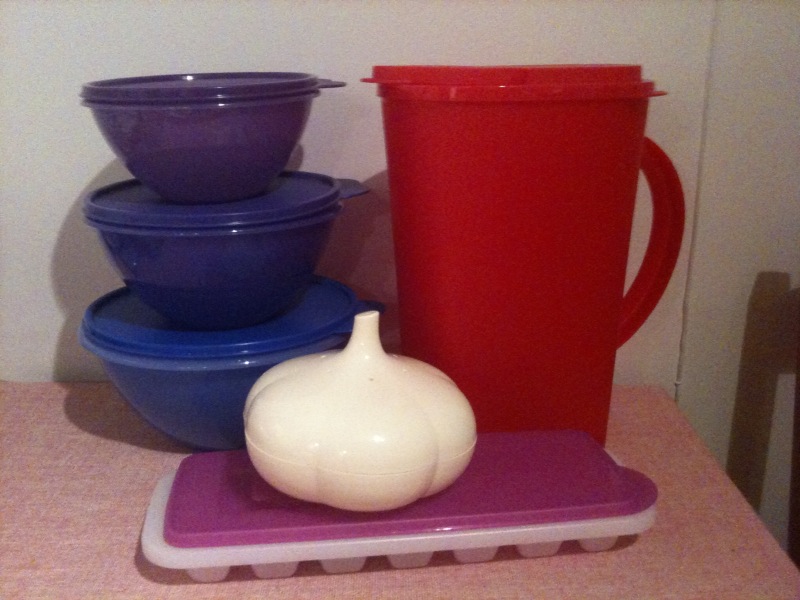
Ask the manufacturer to define how many articles may nest together and what protects decorated surfaces, rims and handles. A tightly compressed stack can be difficult to separate or may distort; a very loose stack can move during handling. Verify the proposed arrangement with a representative packed carton. Keep lids associated with the correct models, and label mixed cartons clearly. The retail pack may need an additional transport carton; attractive shelf packaging is not proof of transport strength.
Record the external dimensions of the completed carton, including any bulging, and its actual gross mass. For pallets, include the full loaded footprint and height. Do not assume a universal cubic-metre-to-kilogram conversion applies to every road quote. Ask how the carrier prices this shipment: space, weight, pallet positions or an agreed combination. A lighter product can occupy the same vehicle space as a heavier one.
Submit one completed carton and pallet example through the shipment panel. Ask for a quote based on measured packing, not an estimated piece count alone.
Select the quick shipment request option in the portal. Phone verification is required to continue.
5. Prevent deformation, dirt and incompatible consolidation
Obtain the manufacturer’s storage and transport limits and protect the goods accordingly; this page gives no universal temperature setting. Do not leave food-contact surfaces exposed to dirty handling. Inspect cartons and the loading compartment for wetness, odours and contamination evidence. Assess neighbouring cargo rather than assuming all dry goods are compatible. The supplier should decide whether protective liners or separators are needed for the specific product.
A pallet plan should address carton strength, stacking restrictions, weight distribution and restraint without crushing the contents. IMO’s CTU Code overview provides nonmandatory packing and securing context; it does not certify the proposed load. Confirm the lifting method and destination equipment. Stretch film and a fragile label cannot replace a suitable package and competent loading assessment.
6. Compare LTL and dedicated arrangements on handovers
For a smaller order, consolidated freight is an option to assess when compatible capacity is available. Ask about transfers, intermediate storage, whether pallets remain intact and who checks counts at each handover. Dedicated transport still needs a loading plan, customs coordination and a delivery appointment. Neither option guarantees zero damage or immediate clearance. Equipment and scheduling must be confirmed for the actual consignment.
A hypothetical example, not a client story: a mixed order reaches the buyer with a damaged carton and loose lids. Without model-level carton IDs, the receiver cannot quickly determine which sets are incomplete. Recording the packing arrangement and separating matched components before departure makes reconciliation easier. It does not determine liability by itself or remove the need to follow contract and insurance notification procedures.
7. Prepare a comparable quotation request
Provide product specifications, intended use, model quantities, packaging photos, carton and pallet dimensions, actual weights, values, origin city, delivery address, importer contact and readiness date. Ask whether pickup, palletization, extra handling, customs-service work, inspections, waiting, storage and unloading are included. Confirm who authorizes additional costs. Insurance scope and exclusions require separate review, not an assumption of full replacement coverage.
Asadi Express can receive these details for assessment of a feasible transport arrangement. Start with Iran–Turkey commercial freight and the trade preparation guide. Reviewed 15 November 2026. Historical trade is not a current admission decision; no duty rate, capacity or fixed delivery-time promise is made.
Use the customer panel or quotation form, or contact Artin: +90 538 396 3200 with the packing details.
Select the quick shipment request option in the portal. Phone verification is required to continue.
Routes


