






Trade Routes: Connecting Turkey and Oman – A Comprehensive Logistics Guide
The geopolitical and economic landscape of the Middle East and Eurasia is constantly shifting, yet one constant remains: the strength of the Trade Routes: Connecting Turkey and Oman. Over the past decade, the bilateral relationship between Ankara and Muscat has blossomed, fueled by a mutual desire for economic diversification and strategic cooperation. Turkey, serving as the bridge between Europe and Asia, and Oman, acting as a gateway to the Indian Ocean and the GCC, provide a powerful corridor for global commerce. This article explores the intricate logistics, shipping modes, and strategic hubs that define this growing trade artery.
Logistics in this region requires more than just moving goods from point A to point B; it necessitates a deep understanding of local regulations, cultural nuances, and the geographical challenges of the Arabian Peninsula. Whether it is industrial machinery moving from Istanbul to Muscat or consumer goods destined for the markets of Salalah, the infrastructure supporting these routes is more robust than ever. As both nations invest heavily in their transportation sectors, businesses are finding new opportunities to expand their reach across the Middle East.
The Strategic Evolution of Turkey-Oman Trade Corridors
Historically, the trade between the Anatolian peninsula and the southeastern tip of the Arabian Peninsula was conducted through ancient maritime and desert routes. Today, these pathways have been replaced by high-tech shipping lanes and rapid air corridors. The modern “Trade Routes: Connecting Turkey and Oman” are characterized by efficiency and reliability. Oman’s Vision 2040 and Turkey’s export-driven economic model have aligned to create a fertile ground for logistics companies and freight forwarders.
One of the primary drivers of this connection is the diversification of the Omani economy. While oil and gas remain central, the Sultanate has made significant strides in becoming a regional logistics hub. Ports like Sohar, Duqm, and Muscat (Mina Al Sultan Qaboos) are now major players in international maritime trade. Concurrently, Turkey has solidified its position as a manufacturing powerhouse, exporting everything from textiles and food products to construction materials and automotive parts to the Omani market. This synergy has necessitated high-quality cargo services in Muscat Oman to handle the influx of diverse commodities.
Primary Logistics Modes: Air, Sea, and Land Freight
Choosing the right transport mode is critical for any business operating along the Turkey-Oman corridor. Each method offers unique advantages depending on the urgency, budget, and nature of the cargo.
Air Freight from Istanbul to Muscat
For time-sensitive shipments, air freight is the preferred choice. Istanbul’s massive airport infrastructure serves as a global transit point, connecting Turkish manufacturers directly to Muscat International Airport. This mode is ideal for high-value items, perishables, and emergency spare parts. When businesses require speed, they often look for an experienced shipping company in Dubai or Istanbul that can manage the complex documentation required for rapid air transit. Air freight ensures that goods which might take weeks by sea arrive in just a few hours, maintaining the integrity of supply chains in fast-moving industries like retail and technology.
Sea Freight and Port Connectivity
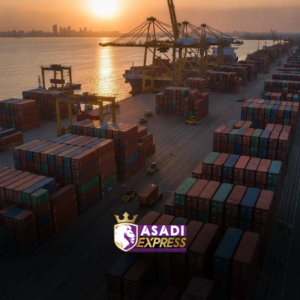
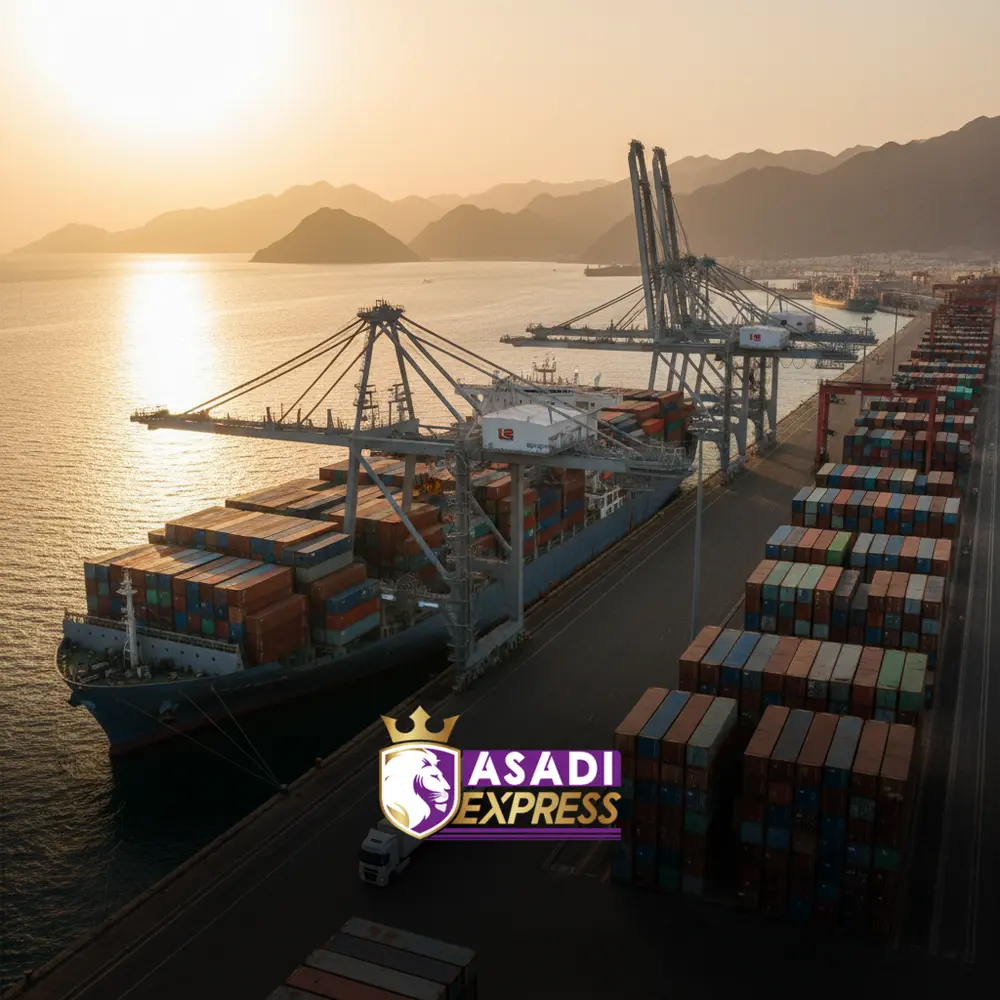
Sea freight remains the backbone of the “Trade Routes: Connecting Turkey and Oman,” especially for bulk commodities and heavy industrial equipment. Most maritime shipments originate from Turkish ports like Ambarli, Mersin, or Izmir and traverse the Suez Canal before reaching the Omani coast. Utilizing ocean freight forwarding services allows companies to ship large volumes of goods at a fraction of the cost of air travel. The strategic location of Oman’s ports allows for easy redistribution of goods to other GCC markets, making it a vital transshipment point for Turkish exports.
Multi-modal Land Transport
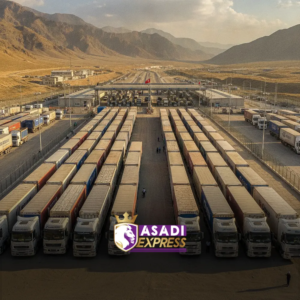
While a direct land bridge between Turkey and Oman involves crossing several borders, multi-modal solutions—combining road transport with sea or rail—are becoming more common. Goods can be trucked from Turkey through Iraq or Iran and then shipped via RORO (Roll-on/Roll-off) vessels to Omani ports. This approach offers a middle ground between the speed of air freight and the economy of sea freight. Asadi Express Cargo specializes in navigating these complex regional routes, ensuring that land-based logistics are handled with precision across different jurisdictions.
Navigating Customs and Documentation in the Middle East
Shipping between Turkey and Oman involves navigating the customs regulations of the Gulf Cooperation Council (GCC) and the specific import laws of Turkey. Every shipment must be accompanied by the correct documentation, including commercial invoices, certificates of origin, and packing lists. Failure to comply with these regulations can lead to costly delays at the port of entry.
For those shipping to the UAE or Oman, understanding the “Bayan” system and other digital customs platforms is essential. Professional freight forwarding UAE providers often assist Turkish exporters in ensuring their paperwork is in order before the cargo even leaves the warehouse. This proactive approach is what distinguishes a top-tier logistics company in Istanbul from a standard carrier. Accurate classification of goods under the Harmonized System (HS) codes is also vital for determining the correct duty rates and avoiding penalties.
Real-World Use Cases: Why Businesses and Individuals Choose This Route
The “Trade Routes: Connecting Turkey and Oman” serve a wide variety of clients, from multinational corporations to families relocating for work. Understanding these use cases helps highlight the versatility of modern logistics solutions.
Personal Household Moving for Expats
With the rise of international career opportunities, many individuals are moving between Turkey and the Sultanate of Oman. Relocating a home involves more than just packing boxes; it requires a logistics partner who understands the sentimental and financial value of personal belongings. Many families opt for household moving from Turkey to the Middle East to ensure their furniture and personal effects are handled with care. This specialized service includes door-to-door delivery, customs clearance, and insurance coverage, providing peace of mind during a major life transition.
Business Cargo and Industrial Shipping
Turkish construction firms are heavily involved in Omani infrastructure projects. This requires the regular shipment of heavy machinery, steel, and specialized building materials. For these businesses, cargo and transportation from Turkey to Oman must be seamless to avoid project delays. Reliable logistics providers offer project cargo services, which include oversized load handling and specialized equipment like flat-rack containers. By integrating Turkey-based manufacturing with Omani development goals, these trade routes contribute directly to the region’s physical growth.
E-commerce and Retail Logistics
The e-commerce boom in the Middle East has created a surge in demand for small-parcel shipping and “last-mile” delivery. Turkish fashion and home goods are particularly popular in Oman. Logistics providers are now offering consolidated shipping solutions, where multiple small orders are grouped together to reduce costs, making it easier for Omani consumers to access Turkish brands. This requires a robust network of door to door cargo UAE and Oman specialists who can manage the high volume of individual deliveries.
Regional Logistics Hubs: Connecting Istanbul, Dubai, and Muscat
To fully understand the trade flow, one must look at the regional hubs that support these routes. While the focus is on Turkey and Oman, the United Arab Emirates plays a significant role as a transit hub. Many shipments from Istanbul to Muscat pass through the logistical powerhouses of Dubai, Abu Dhabi, and Sharjah.
Dubai, in particular, serves as a central node for the entire Middle East. Goods arriving from Turkey may be stored in Jebel Ali Free Zone before being distributed to Muscat. The efficiency of shipping between Dubai and Oman makes this a popular choice for businesses that want to keep inventory close to their final destination. Similarly, cargo services in Dubai provide the necessary infrastructure to handle regional redistribution, allowing Turkish exporters to reach not just Oman, but the entire GCC efficiently.
Furthermore, the connection to Iran cannot be ignored. Routes involving cargo from Tehran to Dubai or shipping from Shiraz to UAE often intersect with the broader Turkey-Oman network. Istanbul serves as a northern gateway for these routes, creating a vast web of trade that links the Black Sea to the Arabian Sea. Asadi Express Cargo remains at the forefront of these regional connections, providing a professional logistics partner for businesses navigating these multifaceted corridors.
Choosing the Right Shipping Company for Middle East Logistics
Selecting a logistics partner is a strategic decision that can impact a company’s bottom line. When operating on the “Trade Routes: Connecting Turkey and Oman,” there are several factors to consider:
- Regional Expertise: Does the company understand the specific customs requirements of Istanbul and Muscat?
- Network Reach: Do they have offices or reliable agents in Dubai, Abu Dhabi, and Tehran?
- Service Variety: Can they handle both air freight and sea freight UAE requirements?
- Transparency: Do they provide real-time tracking and clear communication?
Working with a company that has a dedicated cargo and transportation from Turkey to Oman service ensures that your goods are in the hands of specialists. Asadi Express Cargo has built a reputation for excellence by focusing on these core pillars, ensuring that every shipment—regardless of size—reaches its destination on time and within budget. Their extensive global cargo network allows for seamless integration of various transport modes, providing a truly one-stop-shop for Middle Eastern logistics.
Future Outlook: The Turkey-GCC Economic Integration
The future of the “Trade Routes: Connecting Turkey and Oman” looks exceptionally bright. Recent diplomatic efforts have paved the way for Free Trade Agreements (FTAs) between Turkey and the GCC. Such agreements would reduce tariffs and simplify customs procedures, further boosting the volume of trade. As Oman continues to develop its “Special Economic Zones” like Duqm, Turkish investors are finding new ways to set up manufacturing bases within the Sultanate, further tightening the economic bonds between the two nations.
Additionally, the “Middle Corridor” and other international transit projects are likely to enhance the connectivity of the region. Istanbul will remain the primary collection point for European goods destined for the Gulf, while Muscat will continue to evolve as a deep-sea hub for goods moving toward East Africa and South Asia. The investment in rail networks across the GCC will also eventually provide a faster, land-based alternative to sea shipping, revolutionizing how we think about Turkey to UAE freight and Oman logistics.
Frequently Asked Questions (FAQ)
1. How long does it take to ship cargo from Turkey to Oman?
Shipping times vary greatly by mode. Air freight typically takes 1 to 3 days, while sea freight from Turkish ports to Muscat or Sohar can take between 15 and 25 days, depending on the vessel’s route and Suez Canal transit times.
2. What are the main products traded between Turkey and Oman?
Turkey primarily exports furniture, textiles, processed foods, and construction machinery to Oman. In return, Oman exports petroleum products, aluminum, and certain chemical products to the Turkish market.
3. Are there door-to-door shipping services available for this route?
Yes, many logistics providers offer comprehensive door to door cargo UAE and Oman services. This includes picking up the goods from the factory or home in Turkey and delivering them directly to the final address in Oman, including all customs clearance steps.
4. Do I need insurance for my shipment?
While not always legally required for all goods, it is highly recommended to have comprehensive cargo insurance. This protects your investment against unforeseen events during transit, whether by air, sea, or land.
5. Can I ship personal household items from Turkey to Oman?
Absolutely. There are specialized services for household moving that handle everything from professional packing and loading to navigating the specific customs exemptions available for personal effects in the Sultanate of Oman.
Conclusion: Strengthening Your Supply Chain
The Trade Routes: Connecting Turkey and Oman represent more than just a path for ships and planes; they are the lifeblood of a growing economic partnership. By understanding the various shipping modes, leveraging regional hubs like Dubai, and partnering with experienced logistics experts, businesses can thrive in this dynamic environment. Whether you are moving industrial cargo or personal belongings, the key to success lies in planning, compliance, and reliability.
If you are looking to expand your reach or simplify your shipping process across the Middle East, now is the time to act. Asadi Express Cargo is ready to help you navigate the complexities of international trade. Contact us today to receive a customized quote for your logistics needs and experience the difference that a dedicated, professional logistics partner can make for your business. Let us help you bridge the gap between Turkey and Oman with efficiency and care.
More articles