






Efficient Air Freight: Istanbul to Tehran – A Comprehensive Logistics Guide
The trade corridor between Turkey and Iran has historically been one of the most vital economic arteries in the Middle East. As global markets evolve and the demand for rapid delivery increases, the need for efficient air freight: Istanbul to Tehran has grown exponentially. Istanbul, serving as a massive bridge between Europe and Asia, acts as a primary consolidation hub for goods destined for the Iranian market. Similarly, Tehran stands as the industrial and administrative heart of Iran, requiring a steady influx of raw materials, consumer electronics, and specialized machinery. In this complex logistical landscape, businesses and individuals alike seek reliable methods to transport their goods across borders without the lengthy delays often associated with land or sea routes.
When discussing the movement of goods in the region, one cannot ignore the interconnectedness of the Middle East logistics sector. While the focus is often on the immediate route between Turkey and Iran, many of these shipments are part of a larger network that includes the United Arab Emirates and Oman. Modern commerce demands a level of agility that only air transport can provide. Whether it is a merchant in the Grand Bazaar of Istanbul sending textiles to a boutique in Tehran, or a multinational corporation moving sensitive components to an industrial park in Karaj, the efficiency of the supply chain is paramount. Efficient air freight: Istanbul to Tehran ensures that time-sensitive cargo avoids the topographical challenges and potential transit delays of the mountainous terrestrial routes connecting the two nations.
The Strategic Importance of the Istanbul-Tehran Cargo Route
Istanbul is home to some of the world’s most advanced aviation infrastructure, with Istanbul Airport (IST) and Sabiha Gökçen International Airport (SAW) serving as critical nodes for international trade. For any logistics company in Istanbul, these airports are the starting points for high-priority shipments. The flight time between Istanbul and Tehran is relatively short, typically under four hours, making air transit the most logical choice for high-value or perishable goods. This speed allows businesses to maintain “just-in-time” inventory levels, reducing the capital tied up in storage and warehousing.
On the receiving end, Tehran’s Imam Khomeini International Airport (IKA) handles the lion’s share of air cargo entering the country. The logistical synergy between these two cities facilitates a flow of trade that supports various sectors, from automotive parts to pharmaceuticals. By utilizing shipping between Iran and Turkey via air, companies can bypass the complexities of overland border crossings, which can sometimes be subject to seasonal weather disruptions or administrative bottlenecks. This reliability is why efficient air freight: Istanbul to Tehran remains the preferred choice for professional exporters.
Why Air Freight is the Gold Standard for Middle East Logistics
In the broader context of Middle East logistics solutions, air freight offers unparalleled security and speed. While land transport is cost-effective for bulk commodities, it cannot compete with the transit times of aviation. For businesses operating in competitive markets like Dubai, Abu Dhabi, and Sharjah, the ability to move goods quickly is a significant competitive advantage. Asadi Express Cargo understands that in the modern economy, “time is money.” By specializing in air freight forwarding, service providers can offer guaranteed delivery windows that help businesses meet their contractual obligations.
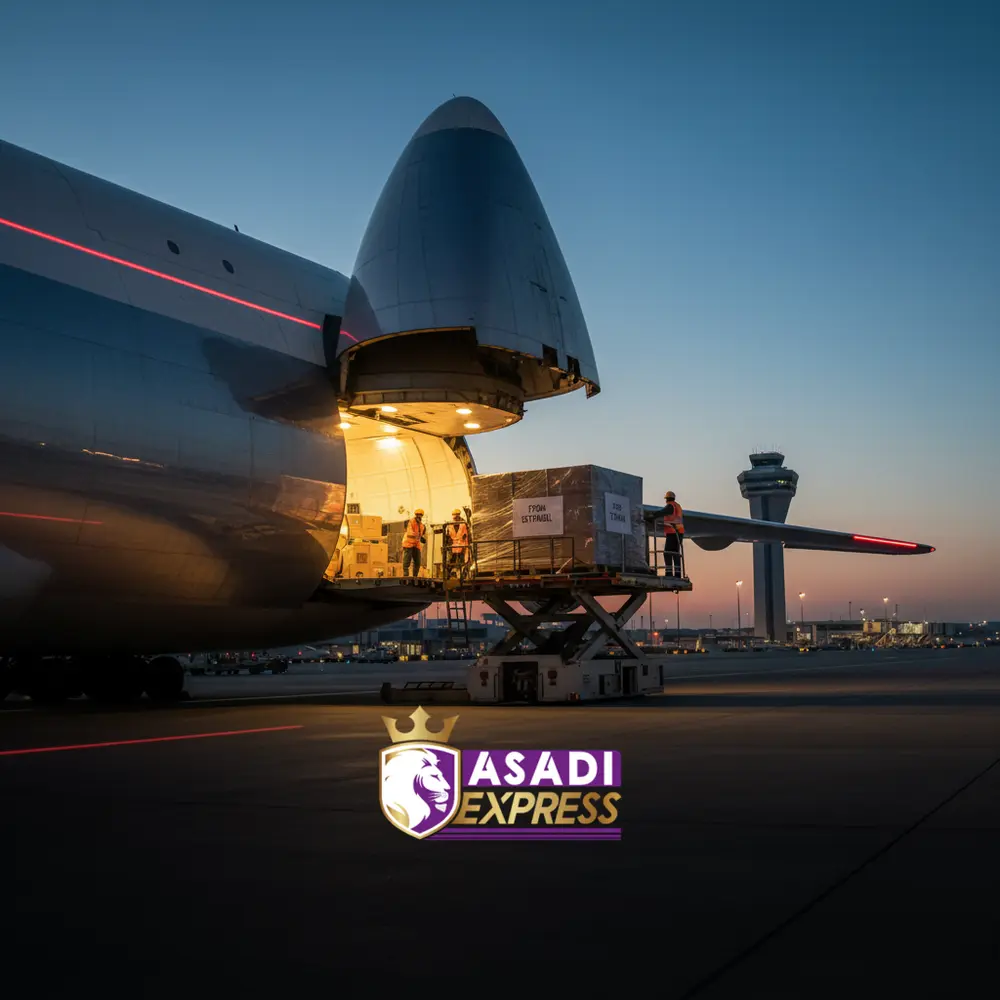
Furthermore, air cargo is subject to much more rigorous handling and security protocols than other modes of transport. This reduces the risk of theft, damage, or loss. For sensitive shipments—such as medical equipment or high-end electronics—the controlled environment of an aircraft cargo hold is essential. When looking for cargo services in Dubai or freight forwarding UAE, savvy clients prioritize providers who can demonstrate a seamless transition from Turkish hubs to the wider Persian Gulf region. The integration of technology in air logistics also allows for precise monitoring of goods throughout their journey.
Key Service Areas: Connecting Turkey, Iran, and the UAE
The modern logistics provider does not operate in a vacuum. A shipment starting in Istanbul might be destined for Tehran, but its administrative or financial hub might be a shipping company in Dubai. The UAE serves as the financial and logistical brain of the region, coordinating complex movements of goods across multiple borders. For instance, many businesses utilize Dubai as a re-export hub, where cargo from Tehran to Dubai is processed before being sent to international markets.
The geographical reach of a top-tier logistics firm must include the following key areas:
- Istanbul (Turkey): The primary gateway for European and Western goods entering the Middle East.
- Tehran (Iran): The central consumption and distribution point for the Iranian market.
- Dubai (UAE): The regional logistics powerhouse providing world-class freight forwarding UAE services.
- Muscat (Oman): An emerging player in the region, often served through cargo services Muscat Oman.
- Sharjah and Abu Dhabi (UAE): Vital industrial hubs that support the UAE’s diverse economy.
By maintaining a presence in these locations, a logistics company can offer comprehensive solutions, such as cargo services that span the entire Gulf and Anatolian regions. This connectivity is essential for the success of efficient air freight: Istanbul to Tehran, as it allows for the consolidation of goods and the optimization of cargo space.
Specialized Shipping Solutions: Personal and Commercial Cargo
Logistics isn’t just for large corporations; it is also a vital service for individuals and small business owners. Personal cargo services are frequently used by expatriates moving between cities like Istanbul, Tehran, and Dubai. Whether it is shipping household goods or sending gifts to family, the same principles of efficiency apply. Specialized household moving services ensure that fragile items are packed according to international standards and transported with care.
For commercial clients, the focus shifts to scalability and compliance. E-commerce platforms, for example, rely heavily on door to door cargo UAE and Turkey services to fulfill customer orders. A customer in Tehran ordering a specific product from a Turkish brand expects a delivery experience that is as smooth as a domestic purchase. To achieve this, Asadi Express Cargo implements streamlined processes that handle everything from the initial pick-up in Istanbul to the final delivery in Tehran or Shiraz. This end-to-end management is what defines high-quality logistics and cargo operations in the 21st century.
Commercial Use Case: Electronics and Machinery
Consider a manufacturing plant in Tehran that requires a specific sensor produced in Germany but stocked in an Istanbul warehouse. Every hour the machine is down, the plant loses thousands of dollars. By employing efficient air freight: Istanbul to Tehran, the sensor can be cleared through customs and delivered within 24 to 48 hours. This level of responsiveness is only possible through a dedicated air freight network.
Personal Use Case: Relocation and Family Cargo
An individual moving from Istanbul to start a new job in Dubai might need to send their personal effects. They would look for a shipping company in Dubai that has a strong partner network in Turkey. The cargo might fly from Istanbul to Tehran for a brief stopover or go directly to the UAE. Utilizing air freight and sea freight UAE options allows the individual to choose between speed (air) and cost (sea) for their various belongings.
Navigating Customs and Regulations in Tehran and Istanbul
One of the biggest hurdles in Middle East logistics is the complex web of customs regulations. Each country has its own set of rules regarding prohibited items, duties, and documentation. For efficient air freight: Istanbul to Tehran, having a logistics partner with local expertise in both Turkey and Iran is indispensable. They can assist with the preparation of commercial invoices, packing lists, and certificates of origin, ensuring that the cargo does not get stuck in a warehouse at Imam Khomeini International Airport.
Common requirements for shipping to Iran include:
- Detailed description of goods in English and Farsi.
- Accurate valuation for duty assessment.
- Compliance with Iranian import regulations and sanctions-related documentation.
- Proper labeling of hazardous materials if applicable.
A professional logistics company in Istanbul will perform a pre-shipment audit to ensure all paperwork is in order before the aircraft even leaves the tarmac. This proactive approach minimizes delays and avoids extra storage fees.
Comparing Transit Modes: Air vs. Land and Sea
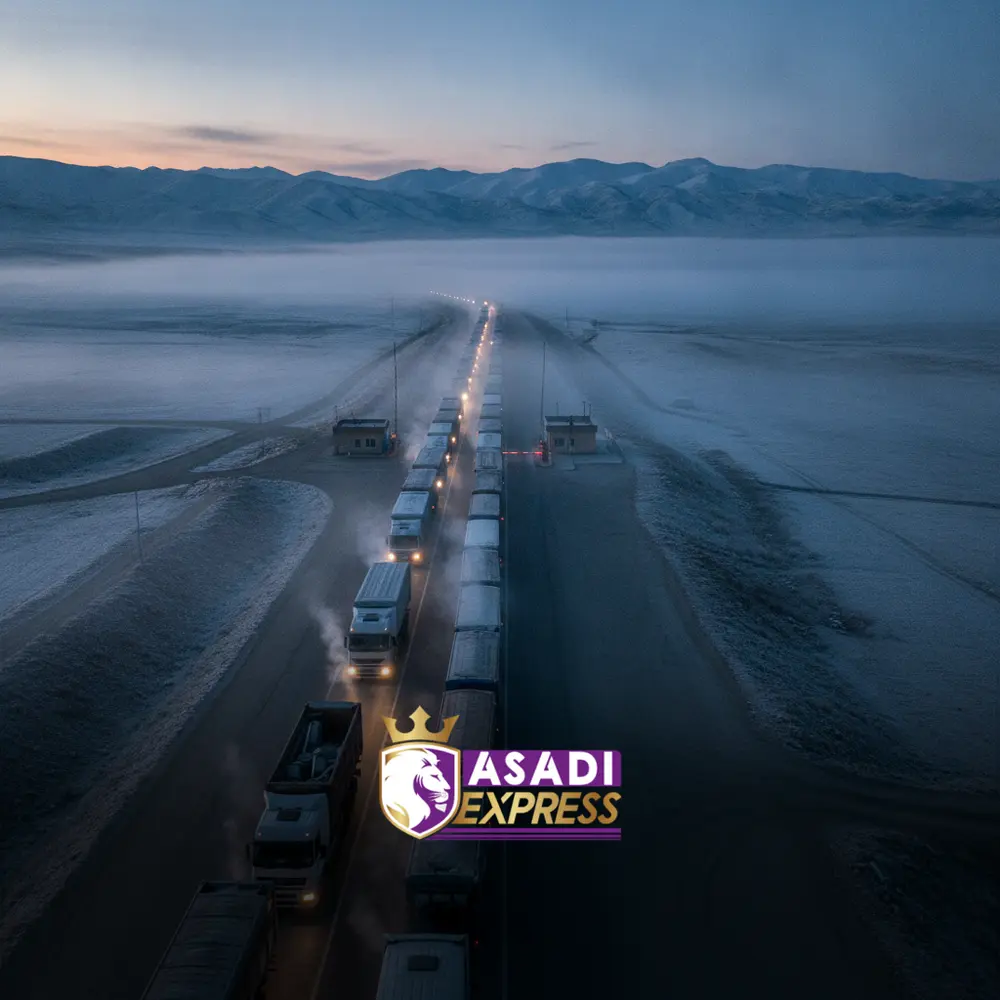
While the focus of this guide is air transit, it is helpful to understand how it compares to other modes. Land transport from Istanbul to Tehran involves driving through eastern Turkey and crossing the border at Gürbulak/Bazargan. While this is cheaper for heavy machinery or bulk raw materials, it can take 5 to 10 days depending on traffic and border queues. Sea freight is less common for direct Istanbul-Tehran routes but is frequently used for UAE to Iran shipping, where vessels move between Jebel Ali and Bandar Abbas.
However, when the priority is “Efficient Air Freight: Istanbul to Tehran,” air transport wins on every metric except price. The reduced risk of damage due to less handling and a smoother ride makes it the only viable option for fragile goods. Furthermore, the insurance premiums for air cargo are often lower than for land or sea freight because the time at risk is significantly shorter.
The Role of Technology: Tracking and Transparency
In the past, shipping a package across borders was a “black box” experience—you sent the item and hoped it arrived. Today, technology has transformed the industry. Customers now expect real-time updates. By using a cargo tracking system, both the sender and the receiver can see exactly where the shipment is, whether it is being cleared by customs in Tehran or is currently being loaded onto a plane in Istanbul.
This transparency builds trust, especially for high-value transactions. Asadi Express Cargo leverages these technologies to provide clients with peace of mind. Knowing that your cargo from Tehran to Dubai or Istanbul to Tehran is being monitored 24/7 allows business owners to focus on their core operations rather than worrying about their supply chain. This digital integration is a hallmark of modern Middle East logistics solutions.
Logistics Services in the GCC and Beyond
The reach of efficient logistics extends into the heart of the GCC. While the Istanbul-Tehran route is a primary focus, many shipments continue to or originate from Muscat, Dubai, and Abu Dhabi. For example, shipping from Shiraz to UAE often involves a combination of land and air transport to reach the bustling ports of the Emirates. The demand for cargo services Muscat Oman is also on the rise as Oman positions itself as a strategic alternative to the Strait of Hormuz.
For businesses, this means that a logistics partner should not just be a “trucking company” or an “airline agent,” but a comprehensive service provider. They should be able to handle cargo services in Dubai with the same level of expertise as they handle a warehouse in Istanbul. This regional expertise ensures that whether you are moving goods from Tehran to Dubai or from Istanbul to Muscat, the service remains consistent and professional.
Frequently Asked Questions (FAQ)
1. How long does air freight from Istanbul to Tehran usually take?
The flight itself is approximately 3.5 to 4 hours. However, when you include customs clearance and local delivery, the total door-to-door time for efficient air freight: Istanbul to Tehran typically ranges from 2 to 4 business days.
2. What items are prohibited from being shipped to Iran?
Prohibited items generally include alcohol, pork products, gambling equipment, and materials deemed offensive to local cultural values. Additionally, certain dual-use technologies may be restricted. It is always best to consult with your shipping company in Dubai or Istanbul for a current list of restricted items.
3. Is door-to-door cargo available for this route?
Yes, many providers offer door to door cargo UAE, Turkey, and Iran services. This includes picking up the goods from your location in Istanbul and delivering them directly to an address in Tehran, Shiraz, or other major cities.
4. How is the cost of air freight calculated?
Air freight costs are calculated based on either the actual weight or the volumetric weight (size) of the cargo, whichever is greater. This is known as the “chargeable weight.” Additional fees may include fuel surcharges, security fees, and customs brokerage charges.
Conclusion: Choosing the Right Partner for Your Cargo
The journey from the Bosphorus to the Alborz Mountains requires more than just a plane; it requires a sophisticated network of professionals, a deep understanding of regional regulations, and a commitment to customer service. Efficient air freight: Istanbul to Tehran is the backbone of trade between these two historic nations, providing the speed and security that modern commerce demands. By choosing a partner who understands the nuances of Middle East logistics solutions—from cargo services in Dubai to logistics company in Istanbul operations—you ensure that your goods are in safe hands.
Whether you are a business looking to optimize your supply chain or an individual sending a precious package to a loved one, the right logistics strategy makes all the difference. Experience the pinnacle of reliability with Asadi Express, your trusted gateway for shipping across Turkey, Iran, and the UAE. Don’t let borders slow you down; choose the efficiency and expertise that your cargo deserves.
More articles