






Commercial Shipping: Turkey to Iran Routes and Middle East Logistics Solutions
The trade corridor between Turkey and Iran stands as one of the most significant logistical lifelines in the Middle East. As a bridge between Europe and Central Asia, Turkey offers a robust infrastructure that facilitates the movement of billions of dollars in commercial goods annually. This route is not merely a bilateral connection; it is a vital segment of a broader network that involves major trade hubs such as Dubai, Muscat, and Istanbul. For businesses looking to scale, understanding the intricacies of commercial shipping from Turkey to Iran, and its subsequent links to the UAE and Oman, is essential for maintaining a competitive edge in the global market.
When discussing the movement of goods in this region, one must look at the primary gateways. Istanbul serves as the central node for a logistics company in Istanbul, managing everything from textiles to heavy machinery destined for Tehran or Tabriz. The geographic proximity of these two nations allows for a variety of transport modes, including road, rail, and air. However, the complexity of customs regulations and the need for specialized handling make it imperative for exporters to partner with experienced freight forwarders who understand the local landscape of both Anatolia and the Iranian Plateau.
Overview of Turkey to Iran Commercial Shipping Routes
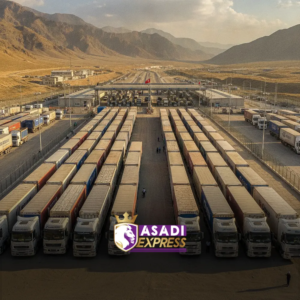
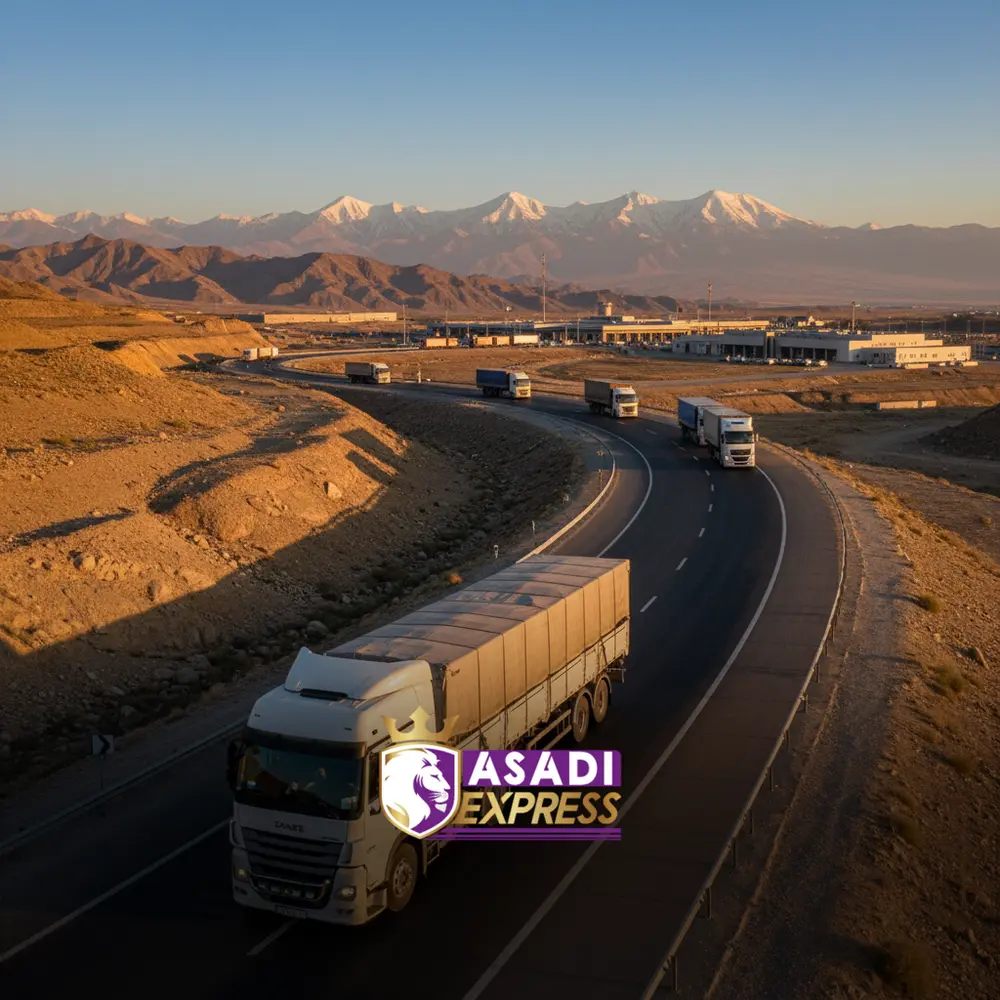
The primary land route for Turkey to Iran shipping passes through the Gurbulak-Bazargan border crossing. This is the busiest gateway, handling the majority of heavy-duty truck traffic. For commercial entities, this route represents the shortest transit time for land-based freight. Beyond Bazargan, goods are distributed to major industrial centers including Tehran, Isfahan, and Shiraz. The efficiency of this route often dictates the pricing of consumer goods in Iranian markets.
In addition to road transport, rail freight offers a sustainable and high-capacity alternative. The Van-Tabriz railway line allows for the bulk movement of industrial raw materials. While slower than road transport, it is significantly more cost-effective for large-scale shipments. Many businesses utilize a multimodal approach, combining rail for bulk transit and road for the final mile delivery to ensure that cargo from Tehran to Dubai or other regional destinations is managed with precision. Utilizing professional shipping between Iran and Turkey ensures that these border transitions are handled without unnecessary delays.
Key Logistics Hubs: From Istanbul to Tehran and Beyond
Istanbul is the heart of Turkish commerce. As a premier logistics company in Istanbul, a provider must manage high volumes of consolidated cargo (LTL) and full truckloads (FTL). From the warehouses of Istanbul, goods travel across the Turkish countryside, often stopping in Ankara or Erzurum before reaching the Iranian border. On the Iranian side, Tehran acts as the primary redistribution point. The capital city’s infrastructure is designed to handle massive inflows of commercial freight, which is then moved to southern ports or neighboring countries.
The logistics network extends further south to Shiraz and Bandar Abbas. These cities are crucial for companies engaged in shipping from Shiraz to UAE. By connecting the Turkish land routes with the Iranian maritime infrastructure, businesses can create a seamless flow of goods from Europe to the Persian Gulf. This interconnectedness is what defines modern Middle East logistics solutions, allowing for a diverse range of products to reach consumers in Abu Dhabi, Sharjah, and Dubai.
The Role of Freight Forwarding in the UAE and Oman
While the focus is often on the Turkey-Iran land bridge, the role of the United Arab Emirates as a global transit hub cannot be overstated. Much of the cargo that arrives in Iran from Turkey is eventually destined for re-export or integration into the UAE market. Freight forwarding UAE services specialize in managing this transition. Whether it is moving electronics from Istanbul to a retail outlet in the Dubai Mall or shipping industrial components to Abu Dhabi, the expertise of a local partner is vital.
Asadi Express Cargo plays a pivotal role in this ecosystem, providing the necessary bridge between Turkish suppliers and Middle Eastern distributors. By offering cargo services in Dubai that integrate with Turkish supply chains, they ensure that businesses can operate across borders without the typical friction associated with international trade. The synergy between a shipping company in Dubai and Turkish logistics providers creates a formidable trade network that spans thousands of miles.
Air Freight and Sea Freight UAE: Choosing the Right Mode
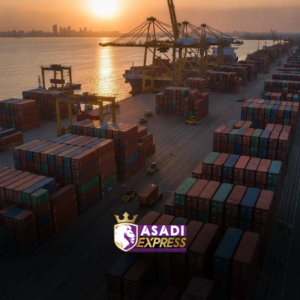
For urgent shipments, air freight and sea freight UAE options provide the necessary flexibility. High-value commercial goods often fly from Istanbul Airport (IST) directly to Dubai International (DXB) or Tehran IKA. This method reduces transit time from days to hours, which is critical for perishable goods or high-demand electronics. Conversely, for oversized cargo, sea freight remains the gold standard. Shipping containers from Turkish ports like Ambarli or Mersin to Jebel Ali in Dubai offers the lowest cost per unit for long-distance transit.
For many businesses, ocean freight forwarding is the preferred method for bulk commodities. When moving goods between Turkey and the broader GCC region, sea routes provide a reliable schedule and massive capacity. This is particularly relevant for the Turkey to UAE freight sector, where construction materials and automotive parts are frequently shipped via maritime containers to support the growing infrastructure in cities like Muscat and Sharjah.
Real Use Cases in Commercial Shipping
Commercial shipping is not a one-size-fits-all industry. Different sectors require tailored approaches to ensure their goods arrive safely and on time. Below are some common scenarios where specialized logistics play a crucial role.
Business Shipping and Industrial Cargo
Manufacturers in Turkey often export machinery and industrial spare parts to Iranian factories. These shipments require specialized flatbed trailers or heavy-lift capabilities. Once these parts reach Iran, they might be integrated into products that are then destined for the Omani market. Providing reliable cargo services Muscat Oman is essential for these industrial chains. A shipment might start in Istanbul, pass through Tehran, and finally be delivered via a Dubai to Muscat cargo route to reach its final destination in the Sultanate.
E-commerce and Small Parcel Logistics
The rise of e-commerce has led to an explosion in demand for door to door cargo UAE services. Consumers in Dubai or Abu Dhabi frequently order products from Turkish fashion brands. These small parcels are consolidated in Istanbul, flown to the UAE, and then delivered directly to the customer’s doorstep. This level of integration requires a sophisticated tracking system and a deep understanding of last-mile delivery dynamics in the Middle East. Asadi Express Cargo excels in these high-velocity environments, ensuring that even small shipments receive the same attention as large industrial loads.
Personal Cargo and Household Relocation
Beyond commercial trade, there is a significant demand for moving personal effects between Turkey, Iran, and the UAE. Families relocating from Istanbul to Dubai require comprehensive cargo services in Dubai to handle their furniture and household goods. This often involves navigating complex customs declarations for used personal items. Professional comprehensive logistics solutions are necessary to manage the packing, transit, and unpacking phases of such a move, ensuring a stress-free experience for the family.
Connecting the Region: Turkey, Iran, UAE, and Oman
The logistical map of the Middle East is increasingly integrated. A shipment leaving Turkey today might be destined for a warehouse in Sharjah, but its journey involves multiple touchpoints. The route from Turkey to UAE freight often transits through Iran due to the geographical efficiency of land transport combined with short sea crossings in the Gulf. This makes the Turkey-Iran-UAE corridor one of the most strategic paths for regional trade.
Furthermore, the connection to Oman is growing in importance. With the development of the Port of Sohar and the expanding economy in Muscat, cargo services Muscat Oman are becoming a staple for Turkish exporters. By utilizing a shipping company in Dubai as a regional hub, businesses can easily distribute goods arriving from Turkey across the entire Arabian Peninsula. This “hub and spoke” model relies on the efficiency of door to door cargo UAE networks to reach every corner of the market.
To further optimize these routes, many companies are now looking at specialized transport options that bypass traditional bottlenecks. For example, using Turkey to UAE freight services that offer direct transit through Iran can save significant time compared to purely maritime routes around the Arabian Peninsula. This strategic planning is where Asadi Express Cargo provides the most value, offering insights into the most efficient paths based on current geopolitical and economic conditions.
Navigating Customs and Regulations
One of the biggest challenges in commercial shipping between Turkey and Iran is the regulatory environment. Both countries have strict customs protocols that require accurate documentation, including certificates of origin, commercial invoices, and packing lists. For goods moving toward the UAE, additional compliance with Gulf Cooperation Council (GCC) standards is required. A logistics company in Istanbul must be well-versed in these requirements to prevent shipments from being held at the border.
Whether it is cargo from Tehran to Dubai or shipping from Shiraz to UAE, every transaction must be documented to satisfy both Iranian export laws and UAE import regulations. This is particularly important for air freight and sea freight UAE, where customs officials at airports and seaports operate with high levels of scrutiny. Working with a partner that offers global air freight services can help streamline this process, as they often have established relationships with customs authorities.
Key Documents for Turkey-Iran-UAE Shipping:
- Commercial Invoice (stamped by the Chamber of Commerce)
- Certificate of Origin
- Bill of Lading or Air Waybill
- Packing List
- Import/Export Permits (for restricted goods)
Frequently Asked Questions (FAQ)
1. How long does it take to ship cargo from Turkey to Iran by land?
On average, land transit from Istanbul to Tehran takes between 5 to 7 days, depending on border congestion at Gurbulak-Bazargan. For destinations further south, such as Shiraz, expect an additional 1 to 2 days.
2. Can I ship personal household items from Turkey to the UAE?
Yes, many providers offer door to door cargo UAE services for personal effects. This typically involves a sea container for furniture or air freight for smaller, more urgent items. Customs clearance for personal goods requires specific documentation like a copy of your residence visa.
3. What are the advantages of using Dubai as a transit hub for Turkish goods?
Dubai offers world-class infrastructure and tax-free zones like Jebel Ali. Using a shipping company in Dubai allows Turkish exporters to store goods centrally and distribute them rapidly to Oman, Saudi Arabia, and Kuwait using freight forwarding UAE networks.
4. Is air freight significantly more expensive than sea freight for this route?
Generally, yes. Air freight is calculated based on weight and volume, making it ideal for high-value or time-sensitive items. Sea freight is much cheaper for bulk cargo but has longer transit times. Most businesses use air freight and sea freight UAE services strategically to balance cost and speed.
Conclusion: Choosing Your Logistics Partner
The commercial shipping routes from Turkey to Iran and onward to the UAE and Oman represent a complex but rewarding trade landscape. Success in this region requires more than just trucks and ships; it requires a deep understanding of local customs, strategic route planning, and a commitment to reliability. Whether you are looking for a logistics company in Istanbul to start your journey or need cargo services in Dubai to manage your final distribution, the right partnership is key.
Asadi Express Cargo stands ready to assist businesses in navigating these vital trade lanes. With expertise in freight forwarding UAE and a strong presence in the Turkish and Iranian markets, we provide professional shipping services that bridge the gap between continents. From cargo services Muscat Oman to door to door cargo UAE, our solutions are designed to help your business grow in the dynamic Middle Eastern market. Contact us today to streamline your supply chain and experience the difference of a truly integrated logistics partner.
More articles