
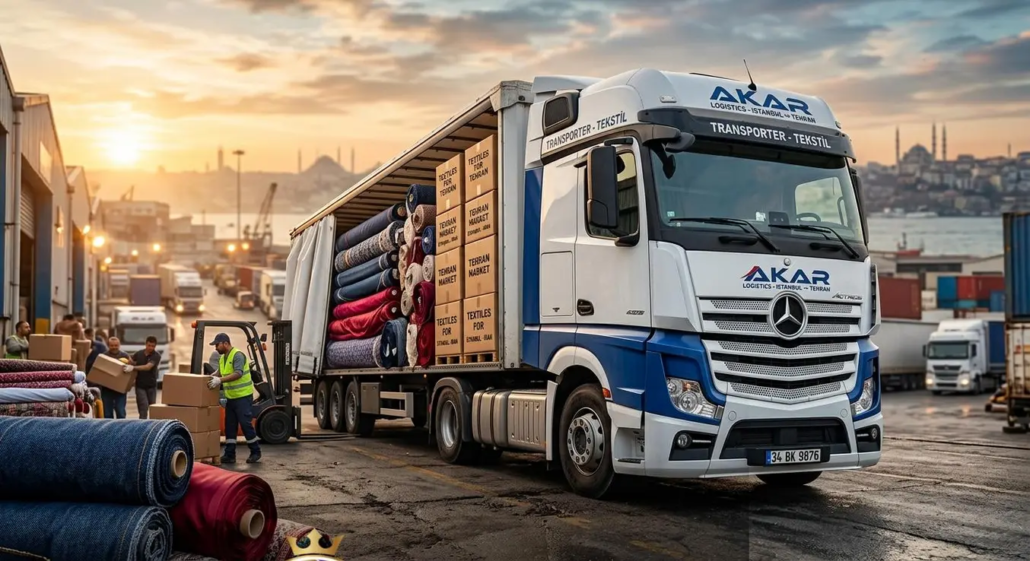
Textiles Logistics: Istanbul to Iranian Markets
Textiles Logistics: Istanbul to Iranian Markets
The textile industry remains one of the most vibrant and historically significant trade sectors connecting Turkey and its neighbors. When analyzing the flow of fashion, fabrics, and industrial textiles, the route from Istanbul to Tehran stands out as a critical artery of commerce. Navigating the complexities of textiles logistics: Istanbul to Iranian markets requires a deep understanding of regional regulations, transport infrastructure, and the unique demands of the Iranian consumer base. Whether it is high-end garments destined for boutiques in Tehran or bulk fabric rolls for manufacturing hubs in Tabriz, the logistics journey involves a sophisticated blend of road, air, and sea transport.
Istanbul serves as a global textile powerhouse, housing thousands of manufacturers and wholesalers in districts like Merter, Zeytinburnu, and Laleli. For Iranian businesses, sourcing from these hubs offers a competitive edge in quality and style. However, the success of this trade depends heavily on the efficiency of the supply chain. Establishing a seamless connection between Turkish suppliers and Iranian retailers involves more than just moving boxes; it requires a specialized approach to freight forwarding, customs clearance, and local distribution that bridges the gap between these two historic trading partners.
The Strategic Importance of Istanbul in Regional Textile Trade
Istanbul is not merely a city but a transcontinental bridge that has perfected the art of textile production and distribution over centuries. Its proximity to both European design standards and Middle Eastern market preferences makes it the ideal sourcing destination for Iranian importers. The “Textiles Logistics: Istanbul to Iranian Markets” corridor is fueled by the rapid production cycles of Turkish fast fashion and the enduring demand for high-quality Turkish upholstery and home textiles in Iran.
Logistics providers operating in this space must manage high volumes of goods that are sensitive to seasonal changes. Fashion trends move quickly, and a delay at a border crossing can mean the difference between a successful season and a warehouse full of unsold stock. Consequently, a professional logistics company in Istanbul must offer specialized solutions that include climate-controlled storage, precise inventory management, and rapid dispatch capabilities to ensure that goods reach Tehran, Shiraz, or Isfahan in peak condition.
The Role of Manufacturing Hubs and Export Districts
Within Istanbul, different districts cater to different segments of the Iranian market. While Laleli is famous for ready-to-wear apparel, districts like Osmanbey focus on high-end fashion and evening wear. Managing the logistics from these diverse points of origin requires a consolidated approach. Many importers utilize a shipping company in Dubai or Istanbul to gather smaller shipments into a single container or truckload, optimizing costs and simplifying the documentation process. This consolidation is a vital part of the supply chain, allowing small to medium-sized boutiques in Iran to access the same premium goods as larger wholesalers.
Logistics Infrastructure: Bridging Istanbul and Tehran
The primary mode of transport for the Textiles Logistics: Istanbul to Iranian Markets route is road freight. The distance between Istanbul and Tehran is approximately 2,400 kilometers, a journey that typically takes 5 to 7 days by truck. Road transport offers the flexibility of door-to-door delivery, which is essential for textile retailers who may not have the infrastructure to handle large-scale port collections. Large heavy-duty trucks frequently traverse the Anatolian plateau, entering Iran through the Bazargan border crossing.
For urgent shipments, such as a new collection launch or luxury items, air freight remains the preferred choice. Utilizing major hubs like Istanbul Airport (IST) and Tehran Imam Khomeini International Airport (IKA), goods can be transported within hours. This high-speed option is crucial for maintaining the competitive pace of the fashion industry. By leveraging efficient air freight and sea freight UAE and Turkey services, businesses can ensure that their most valuable cargo bypasses the potential delays of overland transit.
Customs Procedures and Compliance at the Iranian Border
The most challenging aspect of the Textiles Logistics: Istanbul to Iranian Markets route is navigating the Iranian customs landscape. Iran has specific regulations regarding textile imports to protect its local industry, including strict labeling requirements and varying tariff rates based on the type of fabric or garment. Successful logistics providers must assist clients in obtaining the necessary import licenses and ensuring that all Harmonized System (HS) codes are accurately declared to avoid heavy fines or seizures at the border.
Expanding the Reach: Middle East Logistics Solutions
While the direct route from Turkey to Iran is prominent, many businesses utilize regional hubs to manage their distribution more effectively. The UAE, particularly Dubai, plays a central role as a re-export hub for the entire Middle East. It is not uncommon for Turkish textiles to be shipped to Jebel Ali Port or Dubai Al Maktoum International Airport before being redistributed to Iran, Oman, or Qatar. This multi-hub strategy allows for greater flexibility in inventory management and financial transactions.
For companies looking for logistics services from Turkey to the UAE, the process involves sophisticated maritime and aerial routes. Once the goods arrive in the UAE, they can be staged in free zones before being sent as cargo from Tehran to Dubai or onward to other GCC countries. This regional interconnectedness is what makes the Middle East one of the most dynamic logistics environments in the world.
Connecting Muscat and Beyond
Oman is another growing market for Turkish textiles. The demand for cargo services Muscat Oman has seen a steady rise as the Sultanate diversifies its retail sector. By integrating Dubai to Muscat cargo routes into their supply chain, Turkish exporters can reach Omani consumers through a well-established road network that links the UAE and Oman. This highlights the importance of a freight forwarding UAE partner who understands the cross-border dynamics of the entire Gulf region.
Cargo Services in the UAE: A Hub for Regional Distribution
The UAE has invested billions in its logistics infrastructure, making it a “must-use” point for any international shipping strategy. Cargo services in Dubai are world-class, offering everything from automated warehousing to specialized garment-on-hanger (GOH) shipping. This is particularly relevant for the textile industry, where maintaining the shape and quality of finished clothing is paramount.
Whether it is door to door cargo UAE services for e-commerce or large-scale shipping from Shiraz to UAE for industrial textiles, the efficiency of the Emirates’ ports and airports is unmatched. Asadi Express Cargo understands these regional flows, ensuring that shipments moving between Turkey, Iran, and the UAE are handled with the highest level of professional care. By utilizing a shipping company in Dubai that specializes in regional trade, businesses can overcome the logistical hurdles of the Middle East with ease.
Logistics in Abu Dhabi and Sharjah
While Dubai is the primary hub, Abu Dhabi and Sharjah also play significant roles. Abu Dhabi’s Khalifa Port is becoming a major player in maritime trade, while Sharjah serves as a key gateway for air cargo. For a comprehensive freight forwarding UAE strategy, businesses should consider these alternative entry points to avoid congestion and optimize their distribution costs throughout the Emirates.
Real Use Cases: Personal, Business, and E-commerce
The Textiles Logistics: Istanbul to Iranian Markets corridor serves a wide range of clients, each with unique needs. Understanding these use cases helps in selecting the right transportation mode and service level.
1. Business Bulk Shipping: A large wholesaler in the Tehran Grand Bazaar orders 10 tons of denim fabric from a factory in Istanbul. The logistics provider manages the entire process: factory pickup in Turkey, transit via the Bazargan border, and final delivery to a warehouse in Tehran. This requires robust shipping between Iran and Turkey capabilities, including specialized trucks that protect the fabric from moisture and dust.
2. E-commerce and Personal Cargo: An Iranian expat living in Dubai buys high-quality Turkish home textiles online and wants them shipped to their family in Isfahan. They utilize a door to door cargo UAE service that handles the international shipping, customs, and last-mile delivery, providing a hassle-free experience for a single box of goods.
3. Luxury Fashion Retail: A high-end boutique in Abu Dhabi sources its seasonal collection from Istanbul designers. Because the items are high-value and time-sensitive, they use air freight. The garments are packed in specialized containers to ensure they arrive ready for the showroom floor. Asadi Express Cargo facilitates such specialized movements, ensuring that luxury goods are prioritized through customs and handling.
Specialized Handling of Goods
Beyond standard textiles, some shipments require even more care. This includes the transportation of specialized goods, such as delicate handmade carpets or antique fabrics. These items often have higher insurance requirements and need custom crating to prevent any damage during the long journey from Istanbul through the mountainous regions of Iran or across the sea to the UAE.
Optimization and Cost Management in Textile Logistics
Managing costs in the Textiles Logistics: Istanbul to Iranian Markets route is a constant challenge due to fluctuating fuel prices and varying currency exchange rates. To maintain profitability, businesses must look for comprehensive shipping solutions that offer transparency and efficiency. One way to optimize costs is through the use of “Less than Truckload” (LTL) shipping, where multiple shippers share space in a single vehicle, reducing the price for smaller consignments.
Furthermore, digital tracking has revolutionized the industry. Clients now expect real-time updates on their cargo from Tehran to Dubai or Istanbul to Tehran. Advanced logistics platforms allow shippers to monitor their goods’ location, temperature, and expected arrival time, providing peace of mind and allowing for better retail planning. Asadi Express Cargo prides itself on utilizing modern technology to keep clients informed at every stage of the journey.
Another critical factor is the selection of the right partners. A shipping company in Dubai with a strong global logistics network can offer competitive rates by leveraging their volume and established relationships with carriers. Whether it is navigating the UAE to Iran shipping lanes or managing shipping between Iran and Turkey, the right expertise can save thousands of dollars in unnecessary delays and fees.
Frequently Asked Questions (FAQ)
1. How long does it take to ship textiles from Istanbul to Tehran?
By road, the transit time is typically between 5 and 7 days, depending on customs clearance at the border. Air freight can reduce this to 24-48 hours, making it the best option for time-sensitive fashion collections.
2. What are the main customs requirements for importing textiles into Iran?
Importers must provide a detailed commercial invoice, a packing list, a certificate of origin, and an import license. Additionally, textiles must comply with Iranian labeling laws, and HS codes must be accurately declared to determine the correct tariff rate.
3. Can I ship textiles from Turkey to the UAE and then to Iran?
Yes, this is a common “re-export” strategy. Many businesses use comprehensive shipping solutions to bring goods into Dubai free zones and then distribute them to Iran or other neighboring countries like Oman. This can offer advantages in terms of logistics flexibility and financial management.
4. Is door-to-door cargo available for small textile shipments?
Absolutely. Door to door cargo UAE and Iran services are designed for smaller shipments, including personal orders and e-commerce deliveries. The logistics provider handles everything from the initial pickup in Istanbul to the final delivery at the customer’s doorstep in cities like Tehran, Dubai, or Muscat.
Conclusion: Mastering the Textile Supply Chain
The success of the Textiles Logistics: Istanbul to Iranian Markets trade route depends on more than just distance; it depends on the expertise of the people managing the journey. From the bustling streets of Istanbul’s textile districts to the grand markets of Tehran and the modern malls of Dubai, the flow of goods is a testament to the enduring economic ties of the region. By understanding the nuances of freight forwarding UAE, the complexities of Iranian customs, and the efficiency of cargo services in Dubai, businesses can thrive in this competitive landscape.
To navigate these challenges successfully, you need a partner that understands every kilometer of the route. Whether you are looking for cargo services Muscat Oman, specialized shipping from Shiraz to UAE, or a reliable logistics company in Istanbul, professional guidance is essential. Partner with a team that has a proven global logistics network to ensure your textiles arrive on time and within budget.
Ready to streamline your textile supply chain? Contact Asadi Express Cargo today for a tailored quote and experience the best in Middle Eastern logistics solutions. Let us help you bridge the gap between Istanbul and the thriving markets of Iran and the UAE with our expert air freight and sea freight UAE services.


Leave a Reply
Want to join the discussion?Feel free to contribute!