






Shipping from Turkey to Iran: A Comprehensive 2026 Guide for Seamless Logistics
The trade corridor connecting Turkey and Iran has long been a vital artery for commerce in the Middle East, facilitating a diverse range of goods from raw materials to finished products. As we look towards 2026, the landscape of shipping from Turkey to Iran continues to evolve, driven by geopolitical shifts, technological advancements, and a growing demand for efficient and reliable logistics solutions. This guide aims to provide an in-depth understanding of the processes, challenges, and opportunities involved in freight forwarding between these two significant regional economies, ensuring businesses and individuals can navigate this complex route with confidence.
Understanding the nuances of international shipping is crucial for optimizing supply chains and minimizing costs. Whether you are a large corporation moving industrial equipment or an individual relocating personal items, the journey from Turkey to Iran requires careful planning and execution. This article will delve into various aspects, including transportation modes, regulatory requirements, and the role of professional logistics providers in streamlining your shipping experience for the year ahead and beyond.
The Strategic Importance of the Turkey-Iran Trade Corridor
The geographical proximity and historical trade ties between Turkey and Iran underscore the immense strategic importance of their bilateral trade route. Turkey serves as a critical bridge between Europe and Asia, while Iran offers direct access to Central Asia and a burgeoning domestic market. This positioning makes the Turkey-Iran corridor indispensable for regional trade, influencing economies from Istanbul to Tehran and beyond. Businesses leveraging this route contribute significantly to the economic vitality of both nations and the broader Middle East.
For many companies, the ability to efficiently move goods across this border is a key competitive advantage. The demand for reliable cargo services is consistently high, covering everything from automotive parts and textiles to electronics and agricultural products. Furthermore, the corridor plays a vital role in connecting markets, allowing Turkish goods to reach Iranian consumers and vice-versa, fostering economic interdependence and growth. The growth of e-commerce has also amplified the need for expedited and secure shipping from Turkey to Iran, transforming traditional logistics models to cater to modern consumer expectations.
Economic Drivers and Trade Volume
The economic relationship between Turkey and Iran is underpinned by significant trade volumes, despite occasional fluctuations due to sanctions or political dynamics. Key sectors driving this trade include petrochemicals, machinery, iron and steel, and agricultural commodities. Turkish manufacturing benefits from access to Iran’s natural resources and consumer base, while Iranian industries look to Turkey as a gateway to European markets and a source of advanced technology. The continuous flow of goods necessitates robust logistics infrastructure and expertise.
Moreover, the prospect of increased regional integration and new trade agreements could further boost trade volumes. Companies engaging in this trade need to stay abreast of economic forecasts and policy changes that might impact their supply chain strategies. A proactive approach to logistics planning, coupled with a deep understanding of market trends, can help businesses capitalize on the opportunities presented by this dynamic trade corridor. This strategic importance extends to neighboring countries, influencing regional logistics services and trade patterns across the Gulf and Central Asia.
Key Shipping Modes: Air, Sea, and Land Cargo for Turkey-Iran
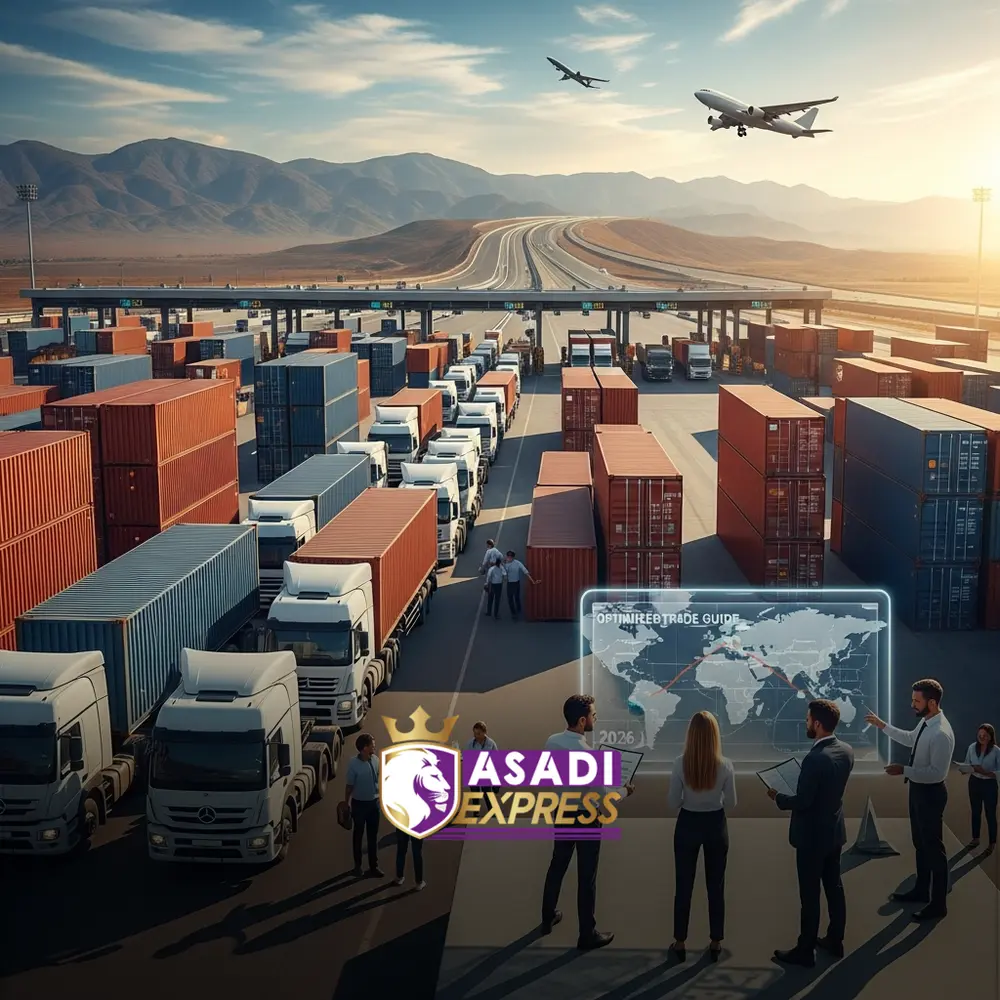
When considering shipping from Turkey to Iran, businesses have several transportation modes at their disposal, each offering distinct advantages in terms of cost, speed, and capacity. The choice of mode heavily depends on the nature of the goods, urgency, budget, and specific logistical requirements.
Land Transportation: The Backbone of Turkey-Iran Cargo
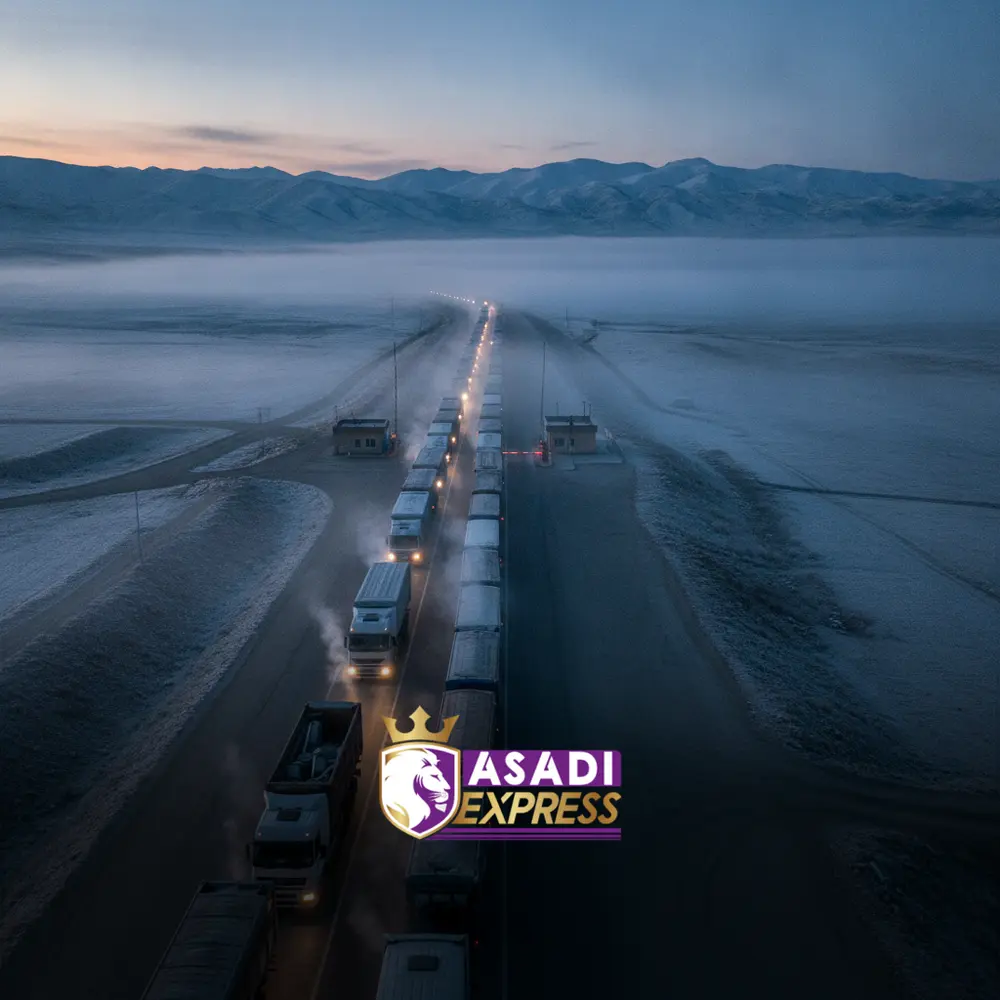
Road transport is arguably the most common and versatile mode for cargo between Turkey and Iran. Its primary advantages include door-to-door service, flexibility in scheduling, and suitability for a wide range of cargo types, from full truckloads (FTL) to less-than-truckload (LTL) shipments. The direct land connection via border crossings such as Bazargan and Gurbulak facilitates relatively quick transit times, making it ideal for goods requiring timely delivery. Professional freight forwarders specializing in this route possess extensive knowledge of customs procedures and road conditions, ensuring smooth passage. For companies seeking reliable cross-border road transport, exploring dedicated land freight solutions is often the most pragmatic approach.
Key Benefits of Land Freight:
- Cost-Effectiveness: Often more economical than air freight for bulk goods.
- Flexibility: Adaptable to various cargo sizes and delivery points.
- Speed: Faster than sea freight for regional distances.
- Door-to-Door Service: Minimizes handling and trans-shipment risks.
Air Freight: Speed and Efficiency for Time-Sensitive Shipments
For urgent or high-value cargo, air freight remains the fastest option. Major international airports in Turkey, such as Istanbul Airport (IST), connect efficiently with airports in Iran, including Imam Khomeini International Airport (IKA) in Tehran and Shiraz International Airport (SYZ). While more expensive than land or sea freight, air cargo offers unparalleled speed, reduced transit times, and enhanced security for sensitive goods. This mode is particularly favored for perishables, pharmaceuticals, electronics, and fashion items where rapid market entry or replenishment is critical. Companies involved in e-commerce or high-tech industries frequently opt for air cargo to maintain competitive edge and customer satisfaction.
The expertise of a reputable logistics company in Istanbul or Tehran can be invaluable in navigating the complexities of air freight, including booking cargo space, managing documentation, and ensuring compliance with international air transport regulations. For businesses needing to move goods from Shiraz to UAE or looking for general air freight and sea freight UAE options, understanding air freight capabilities is a must.
Ocean Freight: Economical for Bulk and Heavy Cargo
Though not a direct port-to-port route between Turkey and Iran, ocean freight plays a role in the broader Middle East logistics landscape. Goods can be transported via sea to UAE ports like Jebel Ali in Dubai or Port Khalifa in Abu Dhabi, then forwarded to Iran or vice-versa. This multi-modal approach, often involving international ocean shipping combined with land transport, is cost-effective for large volumes, heavy machinery, or non-urgent shipments. While slower, it offers significant economies of scale, making it suitable for industries dealing with bulk commodities.
For scenarios like cargo from Tehran to Dubai or shipping from Shiraz to UAE, sea freight offers a foundational layer for cost-efficient transport, albeit with longer transit times. Logistics providers specializing in freight forwarding UAE can coordinate these complex multi-modal shipments effectively.
Navigating Customs and Regulations for Iran-Turkey Freight
The success of shipping from Turkey to Iran heavily relies on a thorough understanding of customs procedures and regulatory frameworks in both countries. Compliance with these regulations is paramount to avoid delays, penalties, and unexpected costs. Both nations have specific import/export laws, tariffs, and documentation requirements that must be meticulously followed.
Essential Documentation for Cross-Border Shipments
Preparing the correct documentation is the first and most critical step. This typically includes:
- Commercial Invoice: Detailing the goods, value, seller, and buyer.
- Packing List: Itemizing the contents of each package.
- Bill of Lading (for sea freight) or Air Waybill (for air freight): The contract of carriage.
- Certificate of Origin: Proving where the goods were manufactured.
- Customs Declaration Forms: Required by both Turkish and Iranian customs authorities.
- Import/Export Licenses: For specific regulated goods.
Working with a knowledgeable shipping company in Dubai or Istanbul that has experience with the Iran-Turkey corridor can significantly streamline this process. They can advise on specific requirements and help prepare accurate documentation, reducing the likelihood of customs clearance issues.
Sanctions and Trade Restrictions
One of the most complex aspects of trade with Iran is navigating international sanctions. While some sanctions have been lifted or eased, others remain in place, particularly those imposed by the U.S. These sanctions can impact banking, insurance, and the types of goods that can be traded. Businesses must ensure full compliance with all applicable international and national regulations to avoid severe legal and financial repercussions. A reputable Middle East logistics solutions provider will have up-to-date information on these restrictions and guide clients accordingly.
Role of Customs Brokers and Freight Forwarders
For most businesses, engaging a professional customs broker or freight forwarder is essential. These experts possess the intricate knowledge of customs codes, tariffs, and regulatory changes in both Turkey and Iran. They can manage the entire customs clearance process, ensuring all duties and taxes are correctly calculated and paid, and that goods move across the border efficiently. Their expertise is particularly valuable for complex shipments or those involving regulated commodities, minimizing delays at critical checkpoints.
Tailored Logistics Solutions: From Personal Effects to E-commerce
The demand for shipping from Turkey to Iran is diverse, encompassing a wide array of client needs, from individuals sending personal items to large enterprises managing complex supply chains. Logistics providers must offer tailored solutions to meet these varied requirements, ensuring every shipment, regardless of size or type, receives appropriate attention and care.
Personal Cargo and Household Goods Relocation
Relocating across borders, whether for work or personal reasons, often involves transporting personal effects and household goods. This type of shipment requires careful packing, appropriate customs declarations, and often specialized handling to ensure items arrive safely and intact. Services such as specialized household moving from Turkey to Iran, Oman, or the UAE cater specifically to these needs, providing peace of mind to individuals undertaking international moves.
These services typically include:
- Professional Packing: Using high-quality materials to protect fragile items.
- Customs Assistance: Guiding through declaration requirements for personal effects.
- Insurance Options: Providing coverage against loss or damage during transit.
- Door-to-Door Delivery: Delivering directly to the new residence, often including unpacking services.
Business Shipping and Commercial Freight
For businesses, shipping commercial freight between Turkey and Iran is a regular operation. This can involve anything from raw materials for manufacturing plants to finished goods for retail markets. Logistics solutions for business shipping focus on efficiency, cost-effectiveness, and adherence to tight schedules. Providers offer services like FTL (Full Truckload) and LTL (Less-than-Truckload) to accommodate different volumes, as well as specialized transport for oversized or hazardous materials.
Companies often seek partners who can manage their entire supply chain, offering comprehensive solutions for cargo services in Dubai, Istanbul, or Tehran. This includes warehousing, distribution, and last-mile delivery. The goal is to optimize the flow of goods, reduce lead times, and enhance overall operational efficiency.
E-commerce Logistics and Express Delivery
The boom in e-commerce has created a surging demand for fast, reliable, and trackable express delivery services. Online retailers and customers expect seamless cross-border shipping, often with door to door cargo UAE or Iran options. E-commerce logistics providers facilitate this by offering:
- Integrated Tracking Systems: Allowing customers to monitor their parcels in real-time.
- Consolidation Services: Combining multiple small shipments into a larger one for cost savings.
- Last-Mile Delivery Solutions: Ensuring packages reach the final recipient efficiently.
- Return Logistics: Managing the process of returned goods.
The ability to handle these dynamic demands is crucial for any freight forwarding UAE or Middle East entity aiming to support the rapidly expanding digital marketplace.
Choosing the Right Logistics Partner for Your Turkey-Iran Shipments
Selecting the right logistics partner is perhaps the most critical decision when planning shipping from Turkey to Iran. A reliable partner can transform a potentially complex and stressful process into a smooth and efficient operation. Here’s what to look for:
Experience and Expertise in the Region
Opt for a logistics provider with demonstrable experience in the Turkey-Iran corridor and the broader Middle East. Their track record should reflect a deep understanding of the specific challenges, regulations, and best practices unique to this route. For example, a firm with extensive experience in cargo services Muscat Oman, or moving goods between Iran and Dubai, will possess valuable regional insights. Asadi Express Cargo, for instance, leverages years of regional experience to offer unparalleled services.
Comprehensive Service Offerings
A good logistics partner should offer a full suite of services, including:
- Multi-modal Transport: Capabilities across land, air, and potentially sea freight.
- Customs Clearance: Expert handling of all documentation and procedures.
- Warehousing and Distribution: If your supply chain requires storage and onward delivery.
- Cargo Insurance: Options to protect your goods against unforeseen events.
- Tracking and Visibility: Real-time updates on your shipment’s status.
Look for a company that can provide a holistic solution, rather than just basic transport. The comprehensive services offered by Asadi Express Cargo cover the entire logistics spectrum, ensuring a seamless experience.
Reliability and Communication
Punctuality, transparency, and effective communication are hallmarks of an excellent logistics partner. Delays can be costly, so a provider’s commitment to on-time delivery is paramount. Furthermore, clear and constant communication regarding shipment status, potential issues, and their resolutions is crucial for peace of mind. A partner who keeps you informed every step of the way demonstrates professionalism and reliability.
Competitive Pricing and Value
While cost is always a factor, it should not be the sole determinant. Compare quotes from several providers, but also weigh the value proposition. A slightly higher price might be justified by superior service, greater reliability, and fewer potential headaches. A transparent pricing structure, free from hidden fees, is also essential. For example, when considering cargo services in Dubai or freight forwarding UAE, ensure you understand the full cost breakdown.
Future Outlook: Innovations in Middle East Logistics
The logistics sector in the Middle East, including the crucial Turkey-Iran corridor, is poised for significant transformation driven by technological innovations and evolving trade dynamics. These advancements promise to enhance efficiency, reduce costs, and improve the overall reliability of shipping from Turkey to Iran.
Digitalization and Automation
The adoption of digital technologies such as Artificial Intelligence (AI), Machine Learning (ML), and blockchain is set to revolutionize logistics operations. AI-powered analytics can optimize routing, predict delays, and manage inventory more effectively. Blockchain technology can enhance transparency and security in documentation, streamlining customs procedures and reducing fraud. Automated warehouses and robotic solutions are also becoming more prevalent, improving handling efficiency and reducing labor costs, particularly in hubs like Dubai and Abu Dhabi.
Sustainability and Green Logistics
With increasing global awareness of environmental impact, sustainable logistics practices are gaining traction. This includes optimizing routes to minimize fuel consumption, investing in electric or hybrid fleets for land transportation, and exploring greener packaging solutions. Companies like those offering cargo from Tehran to Dubai are starting to incorporate eco-friendly practices, not only to comply with regulations but also to appeal to environmentally conscious clients.
Regional Infrastructure Development
Ongoing infrastructure projects in Turkey, Iran, and the UAE, such as new port expansions, railway networks, and improved road connectivity, will further bolster the efficiency of regional logistics. These developments will facilitate faster transit times and increase capacity, making the movement of goods more fluid and less prone to bottlenecks. Enhanced connectivity between major commercial centers like Istanbul, Tehran, Shiraz, and Muscat will create new opportunities for trade and economic growth.
Frequently Asked Questions (FAQ) about Shipping from Turkey to Iran
What are the typical transit times for shipping from Turkey to Iran?
Transit times vary significantly based on the mode of transport. For land freight, it typically takes 5-10 days, depending on the origin and destination cities and border clearance times. Air freight can deliver within 1-3 days, while multi-modal options involving sea freight to regional hubs may take longer, from 2-4 weeks.
What types of goods can be shipped from Turkey to Iran?
A wide range of goods can be shipped, including industrial machinery, automotive parts, textiles, electronics, agricultural products, and personal effects. However, certain goods are restricted or require special licenses due to sanctions or national regulations. It’s crucial to consult with your freight forwarder about specific item restrictions.
How do I choose between air, sea, and land freight for my shipment?
The best mode depends on your priorities:
- Air Freight: Best for urgent, high-value, or time-sensitive goods.
- Land Freight: Ideal for most commercial goods, offering a good balance of cost and speed for regional routes.
- Sea Freight (combined with land): Most cost-effective for large volumes or heavy cargo where time is not critical.
Your logistics partner can help you assess the most suitable option based on your specific needs, whether for logistics company in Istanbul or for connections like shipping from Shiraz to UAE.
What are the payment terms for international shipping services?
Payment terms can vary by logistics provider. Most companies require an upfront deposit or full payment before shipment, especially for new clients. Established clients might have credit terms. It’s important to clarify payment schedules and accepted methods (e.g., bank transfer, credit card) with your chosen freight forwarder before confirming services.
Can I track my shipment from Turkey to Iran?
Yes, most reputable logistics providers offer comprehensive tracking services. They will provide a tracking number that allows you to monitor your shipment’s progress online, from departure to arrival. This provides transparency and peace of mind, especially for international door to door cargo UAE or Iran routes.
Conclusion: Your Partner for Seamless Turkey-Iran Cargo
Navigating the complexities of shipping from Turkey to Iran in 2026 demands strategic planning, detailed knowledge of regulations, and the robust support of an experienced logistics partner. From the bustling markets of Istanbul to the industrial heartland of Tehran, and across vital hubs like Dubai and Muscat, the flow of cargo is fundamental to regional prosperity.
Whether you are transporting personal effects, managing commercial freight, or facilitating e-commerce deliveries, understanding the various modes of transport—land, air, and the multi-modal options—along with the intricacies of customs clearance, is paramount. By choosing a logistics provider that offers comprehensive services, deep regional expertise, and a commitment to reliability, you can ensure your shipments are handled efficiently and securely.
For businesses and individuals seeking unparalleled expertise in Middle Eastern logistics, Asadi Express Cargo stands as a trusted partner. With a strong presence and extensive network, we specialize in offering tailored solutions that meet the unique demands of this dynamic corridor. Embrace the future of regional trade with confidence, knowing your cargo is in capable hands.
Ready to streamline your shipping from Turkey to Iran? Contact us today to discuss your specific logistics requirements and receive a personalized quote. Visit our homepage for more information on our comprehensive logistics services.
More articles