






Tehran Cargo Hub: Istanbul Route Analysis and Middle East Logistics Mastery
The strategic importance of the Tehran-Istanbul cargo route in global trade cannot be overstated. As a vital artery connecting Asia and Europe, this corridor facilitates an immense volume of goods, driving economic growth and fostering international commerce. Tehran, serving as a primary cargo hub in the Middle East, leverages its geographical position to channel goods not only to Turkey but also across wider networks encompassing the UAE, Oman, and beyond. This analysis delves into the dynamics of the Tehran-Istanbul route, its multimodal logistics, and its profound impact on regional and international supply chains, particularly for businesses requiring comprehensive freight forwarding services.
The flow of goods along this route is characterized by a blend of diverse commodities, from industrial machinery and automotive parts to textiles, agricultural products, and consumer electronics. Businesses operating within these regions, from bustling metropolises like Dubai and Istanbul to industrial centers such as Tehran and Shiraz, rely on efficient and reliable logistics solutions to maintain their competitive edge. Understanding the intricacies of this route is crucial for anyone involved in international trade, seeking to optimize their shipping strategies across the Middle East.
The Strategic Significance of Tehran as a Regional Cargo Hub
Tehran stands as a pivotal economic and logistical nerve center in Iran, and by extension, the broader Middle East. Its extensive road and rail networks, coupled with significant international airports, position it as a natural aggregation and distribution point for cargo. The city’s industrial base, robust manufacturing sector, and consumer market generate substantial freight traffic, making it a critical node for both inbound and outbound shipments. For companies involved in Iran to UAE cargo or those navigating the complexities of shipping from Shiraz to UAE, Tehran often acts as a central consolidation point before goods embark on their international journey.
The city’s infrastructure, though continuously developing, supports a diverse array of cargo handling capabilities. This allows for seamless transitions between different modes of transport, a necessity for a hub that serves as a gateway to multiple regional markets. Furthermore, Tehran’s historical role as a trade nexus reinforces its current status, with established trade corridors extending in all directions. This robust foundation makes it a primary focus for any efficient land transportation services and integrated logistics operations aiming to serve the wider region effectively.
Istanbul: Europe’s Gateway and the Turkish Connection
On the other end of this vital corridor lies Istanbul, Turkey’s largest city and a formidable economic powerhouse. Strategically located at the crossroads of Europe and Asia, Istanbul boasts world-class ports, airports, and an extensive road network that seamlessly integrates with European transport infrastructures. This dual continent position makes it an indispensable gateway for goods moving between the Middle East and Europe, and vice-versa. For businesses seeking a reliable logistics company in Istanbul, the city offers unparalleled connectivity and a highly developed logistics ecosystem.
The port of Istanbul, along with other major Turkish ports like Mersin and Izmir, plays a crucial role in sea freight operations, while its international airports facilitate significant volumes of air cargo. This multimodal capacity is key to its function as a major transshipment point for various types of goods. The connection between Tehran and Istanbul is therefore not just about bilateral trade but also about enabling wider international supply chains, including those for Turkey to UAE freight or shipments destined for Western European markets.
Modes of Transportation on the Tehran-Istanbul Route
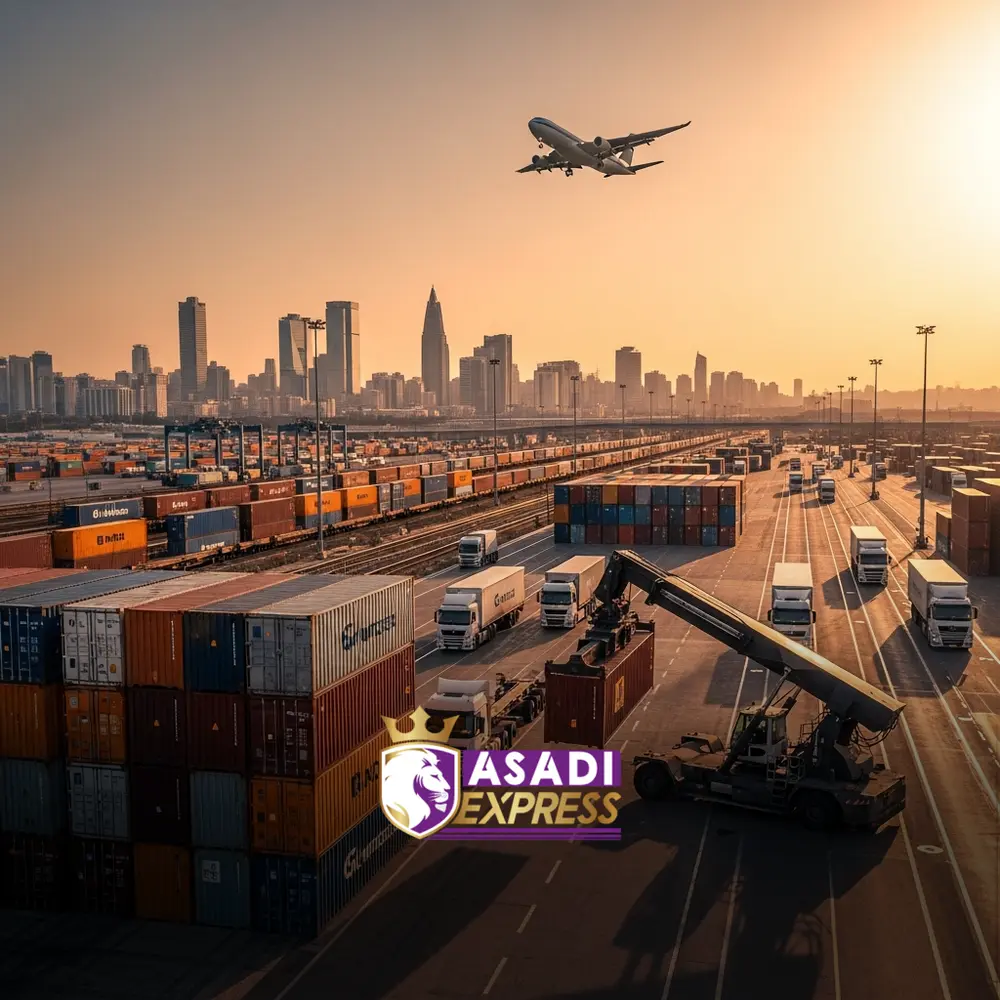
The Tehran-Istanbul corridor utilizes a combination of transport modes, each offering distinct advantages depending on the cargo type, urgency, and cost considerations. This multimodal approach is fundamental to providing flexible and comprehensive logistics solutions.
Road Freight: The Backbone of the Route
Land transportation, particularly by road, is arguably the most common and flexible mode for the Tehran-Istanbul route. Trucks traverse thousands of kilometers, crossing borders and delivering goods directly to their destinations. This method is preferred for its door-to-door cargo UAE capabilities and cost-effectiveness for a wide range of goods. Road networks are well-established, although they can be subject to geopolitical factors and border crossing efficiencies. Companies specializing in Iran to Turkey shipping solutions often rely heavily on this mode, navigating the complexities of customs and regulations at border points.
Air Freight: Speed and Efficiency
For urgent or high-value shipments, air freight offers unparalleled speed. Major airports in Tehran (Imam Khomeini International Airport) and Istanbul (Istanbul Airport and Sabiha Gökçen International Airport) are crucial for connecting the two hubs. This mode is essential for perishable goods, e-commerce products, and time-sensitive industrial components. While more expensive, the expedited air freight forwarding services significantly reduce transit times, making it a viable option for businesses prioritizing speed. Integrating air cargo into overall Middle East logistics solutions allows for rapid response to market demands across the region.
Rail Freight: A Growing Alternative
While less developed than road networks, rail freight is gaining traction as a sustainable and cost-effective option for bulk cargo. The rail connection between Iran and Turkey offers a secure and efficient way to transport large volumes of goods, reducing carbon footprint and offering predictability in transit times. As infrastructure improves, rail is set to play a more significant role in strengthening the logistical ties between the two nations and integrating them further into broader Eurasian rail corridors.
Extending Reach: Iran, Turkey, and the UAE/Oman Corridor
The Tehran-Istanbul route is not an isolated corridor but an integral part of a larger, interconnected Middle Eastern logistics network. Businesses often utilize this route as a bridge to other crucial markets, particularly the affluent and rapidly growing economies of the UAE and Oman.
Connecting to the UAE: Dubai, Abu Dhabi, and Sharjah
The UAE, with its world-class ports and logistics infrastructure in Dubai, Abu Dhabi, and Sharjah, serves as a major trade and re-export hub for the entire Middle East and beyond. Goods transported from Tehran via Istanbul can then be forwarded to the UAE, tapping into its vast consumer market and global distribution networks. This makes routes like Iran to UAE cargo and UAE to Iran shipping immensely important. Many international companies consider a shipping company in Dubai or a robust freight forwarding UAE partner essential for navigating this complex but rewarding trade landscape. Whether it’s cargo services in Dubai for general goods or specialized industrial components, the links between Tehran, Istanbul, and the UAE are crucial. Comprehensive Turkey to UAE and Oman cargo services provide vital connectivity for businesses looking to expand their reach across these strategic regions.
Oman: A Gateway to East Africa and Beyond
Similarly, Oman, with its developing logistics capabilities and strategic ports like Sohar and Duqm, offers another important connection point. Goods can be shipped from Turkey or Iran to Oman, acting as a gateway to East African markets and the Indian subcontinent. This diversification of routes strengthens regional trade resilience and offers alternative pathways for international cargo. For businesses seeking cargo services Muscat Oman, reliable logistics providers are key to unlocking these opportunities, ensuring efficient and timely delivery across varied terrains and customs regulations. The synergy between these hubs forms the backbone of modern Middle East logistics solutions.
Key Considerations for Iran-Turkey Freight and Beyond
Navigating the Tehran-Istanbul route and its extended corridors requires a deep understanding of several critical factors to ensure smooth and efficient operations.
Customs and Regulations
Each country on the route – Iran, Turkey, UAE, and Oman – has its own set of customs duties, import/export regulations, and documentation requirements. Compliance is paramount to avoid delays and penalties. A proficient logistics partner is invaluable for managing customs declarations, obtaining necessary permits, and ensuring all legal formalities are meticulously observed. This is particularly true for complex shipments or those involving specific industries.
Security and Risk Management
Ensuring the security of cargo throughout the transit is a primary concern. This involves robust packing, secure transportation, and comprehensive insurance coverage. Mitigating risks such as theft, damage, or unforeseen delays requires proactive planning and continuous monitoring. A reputable freight forwarder employs advanced tracking systems and adheres to stringent security protocols.
Cost Optimization
Balancing speed, reliability, and cost is a constant challenge in logistics. Businesses must analyze various factors such as fuel prices, transit fees, customs duties, and storage costs to optimize their overall shipping expenses. Leveraging consolidation services, choosing the right mode of transport, and negotiating favorable rates with carriers are strategies to achieve cost-effectiveness for routes like cargo from Tehran to Dubai or shipping from Shiraz to UAE.
Partnering with Experts
Given the complexities of international shipping, partnering with an experienced logistics provider is essential. Such a partner can offer end-to-end solutions, from freight booking and customs clearance to warehousing and last-mile delivery. Their expertise in regional regulations, carrier networks, and risk management ensures that cargo reaches its destination efficiently and safely. This specialized support is critical for any business looking for reliable door to door cargo UAE services or robust air freight and sea freight UAE options.
Why Choose Asadi Express Cargo for Your Middle East Logistics Needs
When it comes to navigating the intricate logistics landscape between Tehran, Istanbul, and the wider Middle East, choosing a partner with profound regional expertise is crucial. Asadi Express Cargo stands out as a premier logistics provider, offering tailored solutions that address the specific challenges and opportunities presented by these vital trade routes. With a dedicated focus on customer satisfaction and operational excellence, Asadi Express Cargo ensures your shipments are handled with utmost care and efficiency.
Whether you require expedited air freight, cost-effective sea freight, or flexible land transportation, Asadi Express Cargo leverages its extensive network and local knowledge to deliver seamless logistics services. From managing complex customs procedures in Tehran and Istanbul to facilitating smooth deliveries in Dubai, Abu Dhabi, Sharjah, and Muscat, our team is equipped to handle diverse cargo requirements. We specialize in comprehensive expedited air freight forwarding and multimodal transport solutions, making us the preferred choice for businesses seeking reliability and expertise.
Frequently Asked Questions About Tehran-Istanbul Cargo and Middle East Logistics
What are the primary modes of transport between Tehran and Istanbul?
The primary modes include road freight (trucking), air freight for urgent shipments, and a growing rail network for bulk cargo. Each mode offers different advantages in terms of cost, speed, and capacity.
How long does it typically take for cargo to travel from Tehran to Dubai?
Transit times can vary significantly based on the mode of transport, specific route, customs clearance, and the logistics provider. Road freight via land routes might take 5-10 days, while air freight could be 1-3 days. Sea freight, if applicable, would take longer.
What challenges might I face when shipping goods from Iran to the UAE?
Key challenges include navigating customs regulations in both countries, managing transit times, ensuring cargo security, and understanding geopolitical factors that might impact routes or border crossings. Partnering with an experienced freight forwarding UAE company is highly recommended.
Can I track my cargo when shipping from Turkey to Muscat, Oman?
Most reputable logistics providers offer advanced cargo tracking systems, allowing you to monitor your shipment’s progress in real-time from origin to destination, including routes between Turkey and Oman.
What types of cargo are commonly transported on the Tehran-Istanbul route?
A wide variety of goods are transported, including industrial machinery, automotive components, textiles, petrochemicals, agricultural products, electronics, and general consumer goods. The type of cargo often dictates the most suitable mode of transport and specific handling requirements.
Conclusion: Mastering the Middle East Logistics Network
The Tehran-Istanbul cargo route is undeniably a cornerstone of Middle Eastern and Eurasian trade, offering crucial connections that extend deep into the UAE and Oman. Its significance as a conduit for diverse goods and a driver of economic interaction will only continue to grow. For businesses to thrive in this dynamic environment, a comprehensive understanding of the route’s intricacies, combined with a strategic partnership with an expert logistics provider, is indispensable. From navigating the complexities of customs to optimizing transit times and costs, a reliable partner ensures that your cargo moves seamlessly across borders.
By leveraging efficient land, sea, and air freight options and an extensive network, businesses can confidently connect with markets in Dubai, Abu Dhabi, Sharjah, Muscat, and beyond. This integrated approach to logistics is not merely about moving goods; it’s about building resilient supply chains that power global commerce. For all your shipping needs across these vital regions, discover how tailored logistics solutions can drive your business forward. Visit Asadi Express today to learn more about our comprehensive services.
More articles