
Transparency in Shipping: Turkey to Oman
Transparency in Shipping: Turkey to Oman
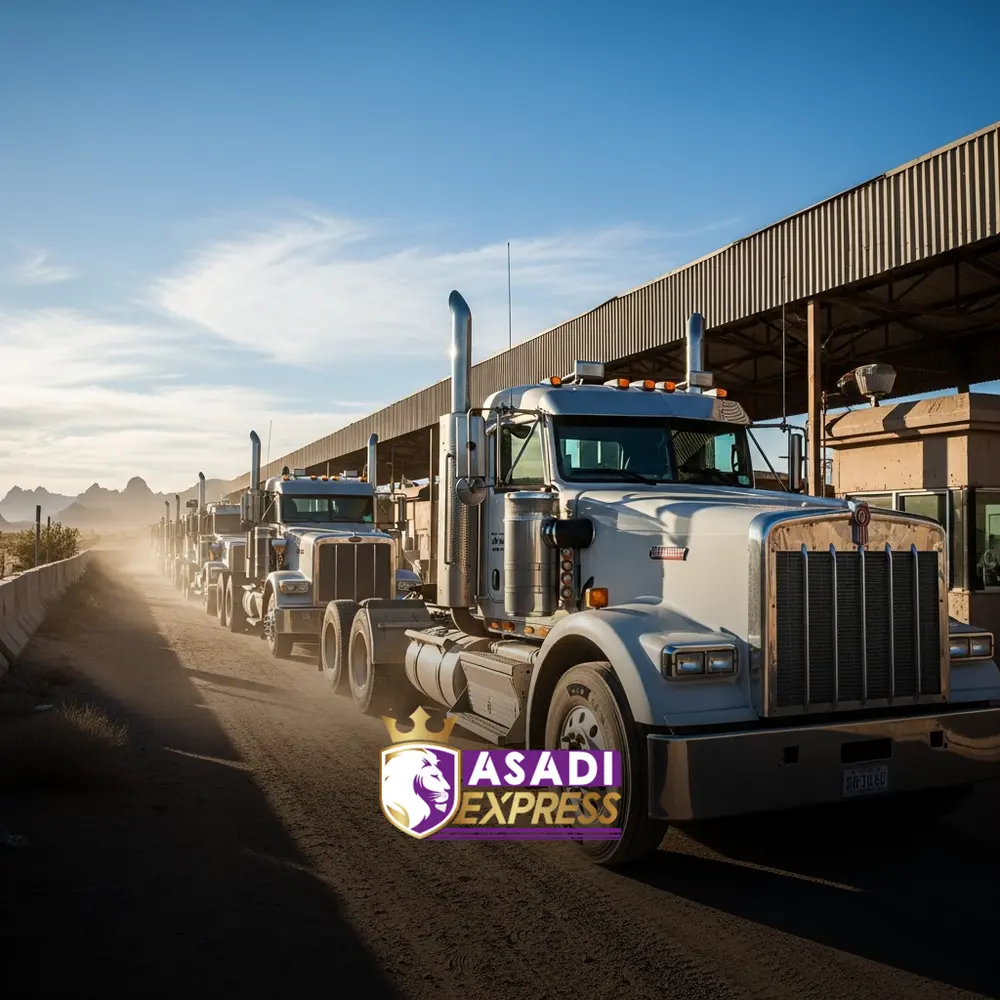
The customs office at the Hatta-Al Wajajah border crossing is often choked with long-haul trucks carrying textiles from Istanbul. I once stood by a trailer that had been waiting for three days, the driver meticulously checking his manifests against the stamps in his passport, worried that a single discrepancy in the weight of the fabric rolls would lead to a total offload. That moment of tension at the border is exactly where the need for total shipping transparency becomes real. When moving freight from Turkey to Oman, the distance is significant, the transit points are many, and the room for hidden errors is surprisingly small.
Transparency in the context of Middle East logistics means more than just tracking a package on a screen. It is about knowing the precise port fees in Mersin, understanding why a truck might be rerouted through Sharjah to avoid a specific bottleneck, and getting a clear breakdown of why your goods are being held for documentation review. Clients often lose money not because of high freight rates, but because of the surprise add-ons that appear when a container arrives at a secondary transit point. A professional forwarder must provide a clear line of sight from the factory floor in Turkey to the final warehouse doorstep in Muscat.
Managing the Logistics Chain from Istanbul to Muscat
Moving cargo from the heart of Turkey to the port cities of Oman requires a complex choreography of land, sea, and bureaucratic procedures. The journey often begins in the industrial corridors of Istanbul or Bursa, where goods are consolidated into forty-foot containers or high-cube units. From there, these units move toward the Mediterranean ports or embark on the long, rugged drive through the border crossings of the Levant and the Arabian Peninsula. Every kilometer of this route presents a unique challenge, from fluctuating fuel surcharges to the stringent import regulations enforced by Omani authorities.
In my years arranging shipments between Tehran and Dubai, I learned that the most reliable transit plans are those that account for the unexpected before it even happens. Transparency is built by providing a comprehensive logistics strategy that acknowledges the reality of these regional transit times. When you move goods across these borders, you are navigating different jurisdictions, each with its own set of paperwork requirements and inspection standards. A failure to synchronize these documents often leads to delays that can sit a container in a yard for weeks, incurring daily detention fees that were never factored into the original budget. Proper planning prevents this by ensuring that all customs declarations are cleared in advance of the vessel or vehicle arrival.
The physical handling of your goods is as critical as the paperwork. Whether it is palletized machinery or delicate textiles, the method of securing the load for the trek across the desert is non-negotiable. Experienced logistics partners will utilize equipment that is suited for the intense heat and the long-haul transit conditions that define Middle East logistics. Asadi Express Cargo operates with a focus on these specific regional nuances, ensuring that your inventory is handled with the care it deserves throughout the entire transit process.
Optimizing Routes for Efficiency and Cost
Route optimization is not simply about picking the shortest path on a digital map. It involves analyzing which ports are currently experiencing congestion and which border crossings offer the most streamlined passage for specific types of cargo. For instance, shipping from Turkey to Oman might involve a hybrid approach where land transportation is utilized to get the goods to a major hub, followed by ocean freight for the final leg. This combination helps balance the speed of delivery against the overall cost of the shipment.
Every decision in this chain should be communicated to the client with full clarity. If a vessel is delayed due to weather in the Arabian Sea, transparency requires an immediate update that includes the new estimated arrival time and a summary of any potential impacts on your supply chain. There is no room for ambiguity when your inventory depends on a fixed arrival date. By prioritizing consistent communication, you reduce the risk of stockouts and maintain a more stable flow of goods. You can find detailed information on specialized land transportation options that help bridge these difficult geographic gaps while maintaining strict control over the cargo.
Navigating Customs and Regulatory Landscapes
Regulatory compliance is the bedrock of international shipping. Oman has specific requirements for the importation of goods, particularly concerning packaging standards, labeling, and hazardous material documentation. Attempting to bypass these requirements or failing to provide accurate data will almost certainly result in your cargo being flagged for inspection. When your shipment is held at customs, transparency means getting a clear explanation of what is needed to release the cargo, whether it is an additional certificate of origin or a specialized laboratory analysis for chemical products.
A seasoned freight agent views customs as a partner rather than an obstacle. By staying ahead of regulatory updates and ensuring all filings are submitted correctly the first time, you avoid the common pitfalls that plague many international traders. It is important to work with a team that understands the specific import codes of the destination country. This expertise is particularly vital when dealing with high-value goods or sensitive industrial equipment. Relying on professional insights into shipping from China to Dubai often yields transferable knowledge that applies to other complex trade routes across the broader region.
The Importance of Real-Time Cargo Visibility
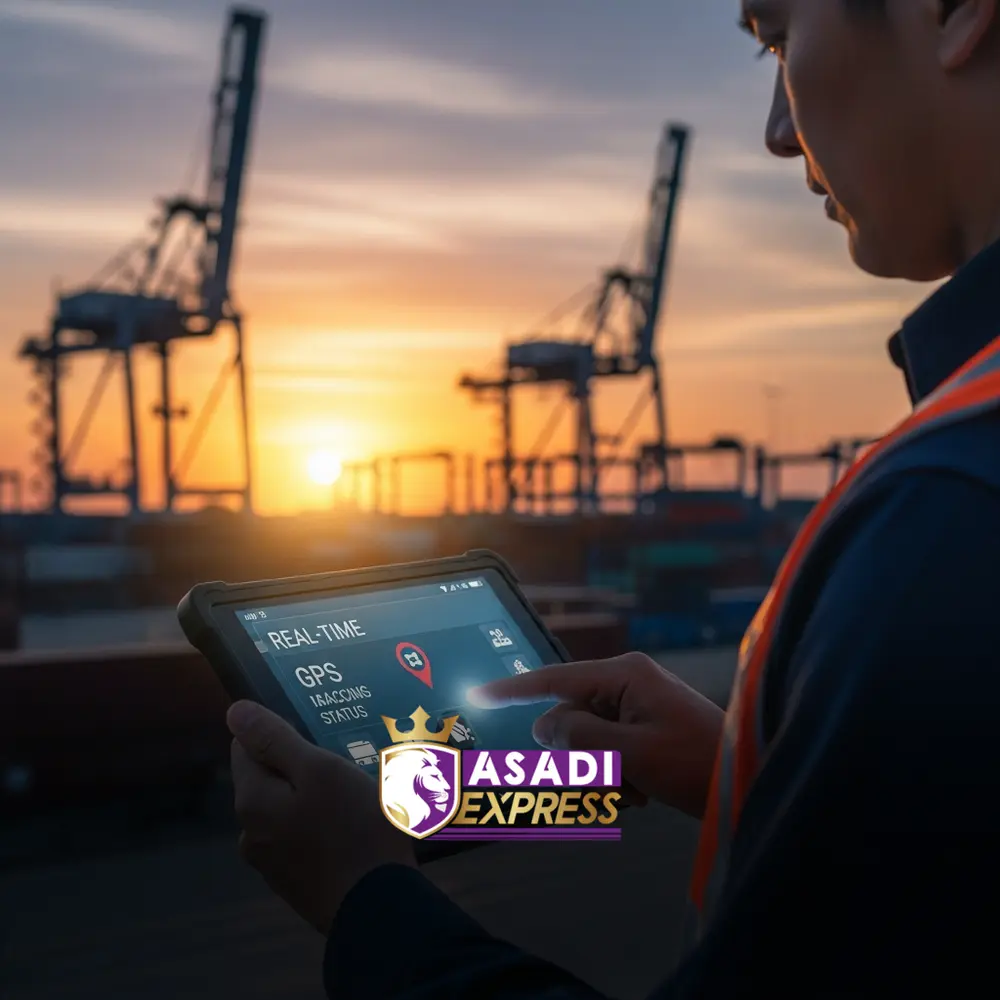
We have all encountered the frustration of a black-box shipping process. You send the payment, your goods disappear into a terminal, and you are left waiting for a vague notification that arrival is imminent. True transparency removes this mystery by providing real-time updates that are rooted in actual data rather than guesses. This is achieved through integrated tracking systems that link your shipment to port databases, carrier GPS feeds, and agent status updates.
Visibility serves a dual purpose. It satisfies your need for control, and it allows you to plan your operations around the actual location of your assets. If you know exactly when a container will clear customs, you can schedule your labor, arrange for onward distribution, and manage your customer expectations with confidence. Asadi Express Cargo emphasizes this level of insight to ensure that our clients never feel like they are left in the dark during the long transition from Turkey to their final destination in Oman. You may want to visit our services page to see how we integrate these tracking protocols into our standard operating procedures for all types of cargo.
Building Long-Term Logistics Resilience
Resilience in the supply chain is born from consistent, reliable, and transparent processes. It is not about avoiding problems, because global trade will always involve some level of friction. It is about how quickly and effectively those problems are identified and resolved. A business that understands its logistics chain, from the raw cost of shipping to the minute details of port storage, is far better equipped to scale its operations than one that operates based on hopes and loose estimates.
By creating a roadmap for your shipments, you begin to see the patterns in your logistics spend. You identify which seasons bring price volatility, which carriers offer the best value, and which routes are most stable. Transparency provides the data required for this long-term strategy. It allows you to transform shipping from a recurring cost center into a predictable operational advantage. For those looking to understand the broader capabilities of a modern shipping partner, examining our company profile provides a deeper look into the operational standards that drive our commitment to excellence.
Frequently Asked Questions
What is the typical transit time for cargo moving from Turkey to Oman? The duration depends heavily on the method chosen. If we are moving goods by sea, you are generally looking at twenty to thirty days depending on port congestion. Road transit is often faster but subject to the stability of the routes through the intervening countries. We always provide a realistic window before we start moving your goods.
How does transparency reduce the total cost of shipping? It reduces costs by eliminating surprises. When you have a clear understanding of the fees involved, including port charges, documentation taxes, and handling fees, you can budget accurately. You avoid detention and demurrage fees because you are alerted to potential delays before they escalate into expensive crises.
What documents are essential for clearing cargo in Oman? You will need a commercial invoice, a detailed packing list, and a certificate of origin for starters. Depending on the product, you might also require specialized safety data sheets or health certificates. We handle the verification of these documents before the goods ever depart the origin to ensure everything is perfect upon arrival.
Can you manage the inland transport once my goods arrive at the Omani port? Yes, we provide full door-to-door solutions. Once your container is cleared at the port, we coordinate with reliable local transport teams to ensure your cargo reaches its final destination in Muscat or any other region in Oman without further involvement required on your part.
Shipping between diverse nations requires a partner that keeps you informed at every turn. If you are ready to move your goods with total clarity and professional oversight, start by reviewing the main landing page of Asadi Express Cargo. We are here to ensure your supply chain remains transparent and efficient, no matter how long the road from Turkey to Oman may be. Reach out to our office to discuss your next shipment and let us provide you with the breakdown you need to make informed decisions for your business.


Leave a Reply
Want to join the discussion?Feel free to contribute!