
High-End Logistics: Istanbul to Tehran
High-End Logistics: Istanbul to Tehran
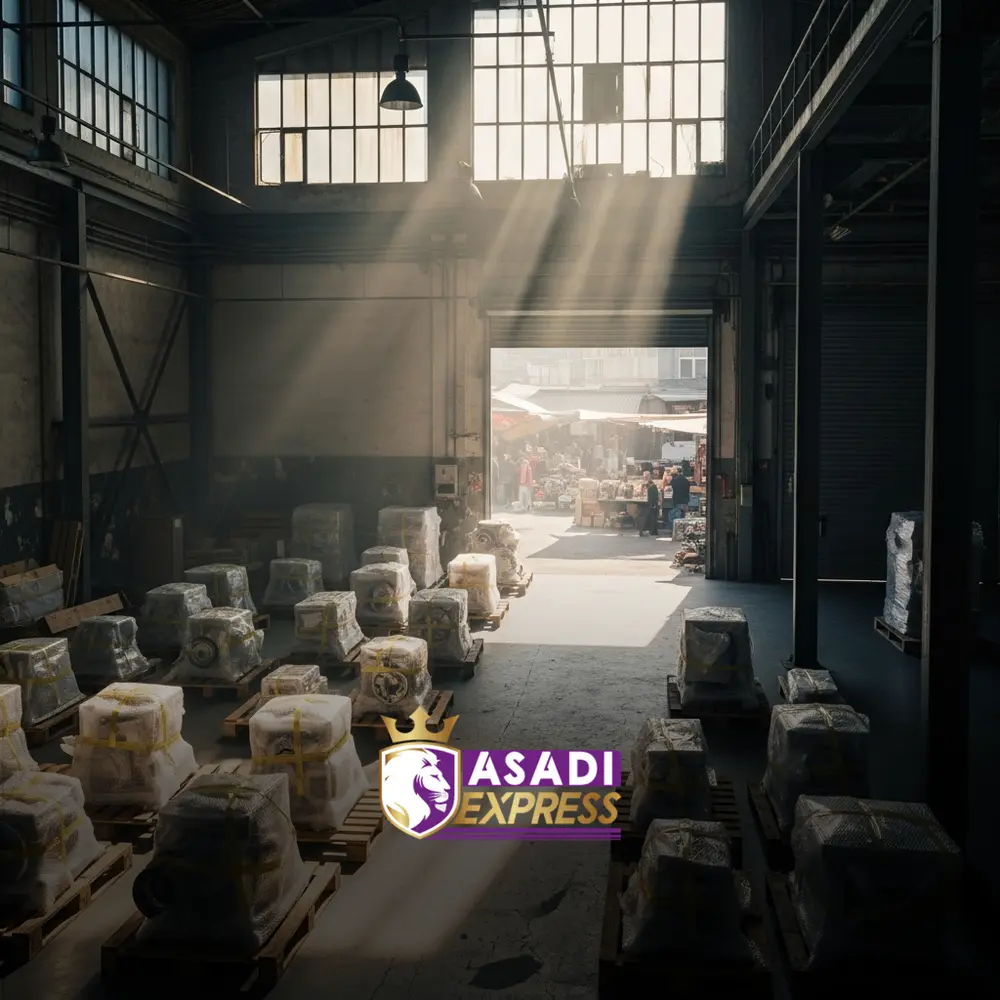
Standing in the bustling heat of a warehouse near the Grand Bazaar in Istanbul, I watch as a team packs delicate industrial components destined for the Iranian capital. The air is thick with the scent of coffee and diesel, a stark reminder of the massive trade corridor that connects the heart of Turkey to the industrial centers of Iran. Getting goods from the Marmara region to the plateau of Tehran is rarely straightforward. You deal with shifting customs protocols, mountain passes that demand a specific type of vehicle, and a documentation chain that has to be near perfect. It is the kind of route that sorts the true logistics experts from the casual shippers.
High-end logistics here means more than just moving boxes from A to B. It requires an intimate knowledge of the border crossing at Bazargan, where the long lines of trucks often tell the story of bureaucratic bottlenecks. When you are shipping sensitive electronics or high-value machinery, you cannot afford to leave transit to chance. You need a clear strategy that accounts for the distinct climate of Anatolia and the high-altitude terrain you encounter once you cross into Iran. This is the reality of moving high-value freight across these borders, where experience is the only currency that actually guarantees delivery.
Managing Complexity in Cross-Border Freight
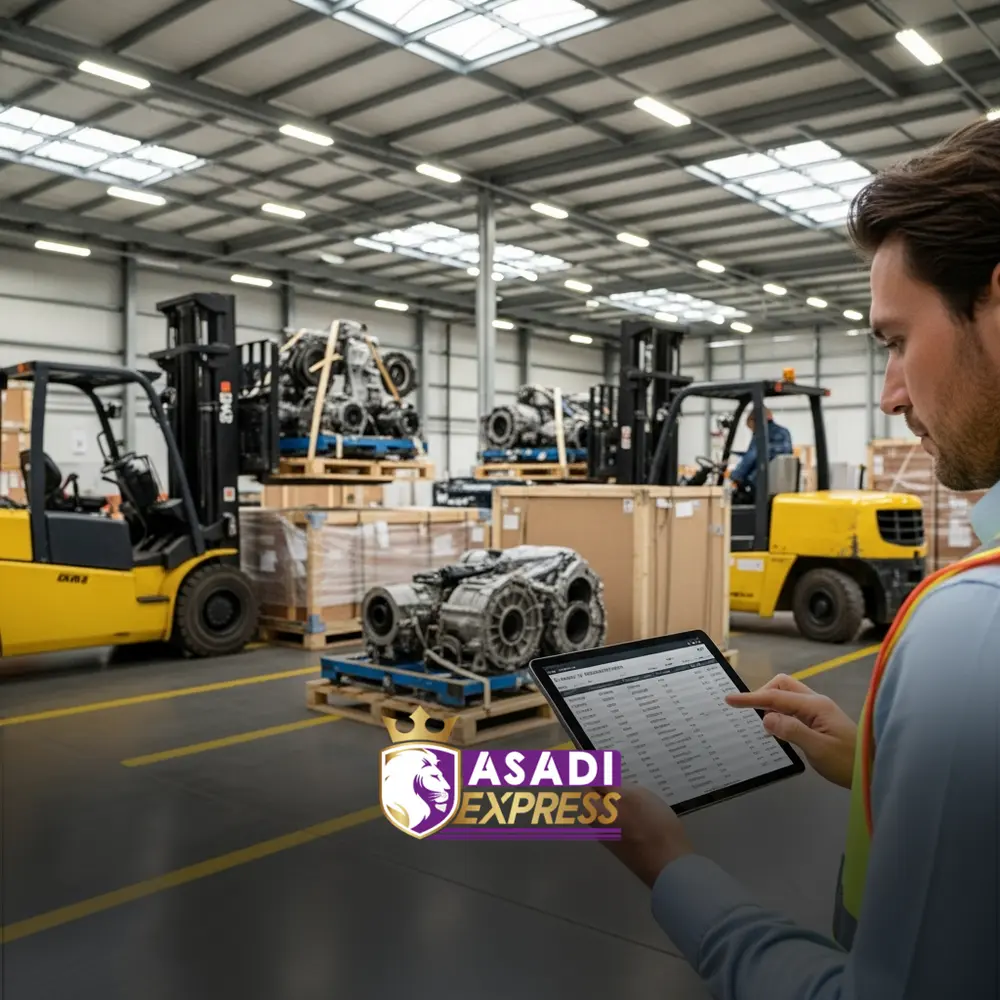
In my years arranging shipments between Tehran and Dubai, I have learned that the Turkey-Iran corridor is a beast of its own. Unlike the relatively predictable sea routes, the land journey through the North-West of Iran involves navigating varying road quality and specific hours of operation for customs clearance. If your documentation misses a single stamp on the Certificate of Origin, your shipment sits idle in the cold while the costs mount. High-end logistics is ultimately about risk mitigation.
Businesses often underestimate the degree of professional coordination required to bridge these two markets. You are dealing with two separate banking systems, differing regulatory frameworks, and distinct transit preferences. Some traders insist on door-to-door delivery, while others need bonded warehousing for temporary storage. When moving goods between these nations, professional specialized land transportation services ensure that your cargo remains secure throughout the long haul, reducing the chance of unnecessary delays that plague inexperienced providers.
Optimizing the Transit Route
Choosing the right transport mode is the first decision that dictates the fate of your freight. For heavy machinery or bulk textiles coming out of Istanbul, road transport is almost always the standard. However, the exact configuration of the trailer matters. For fragile loads, air-ride suspension is not a luxury; it is a necessity to survive the transition from the paved highways of Turkey to the challenging stretches within the Zagros Mountains. I have seen perfectly good electrical components damaged by nothing more than poor vehicle choice on the final approach to Tehran.
We often see cargo that requires multi-modal handling. Perhaps the freight arrives at the Port of Mersin before it is transferred to trucks for the cross-border journey. This creates a chain of custody issue. You must document every touchpoint to ensure that nothing goes missing between the warehouse in Istanbul and the final unloading site in a Tehran industrial zone. Asadi Express Cargo operates by tightening this chain, ensuring that every hand-off is logged and verified, which is critical when the value of the cargo is high and the margin for error is nonexistent.
The Human Factor in Logistics
Technology does not drive a truck through a mountain pass. People do. The drivers who handle this route are the real backbone of the trade. They know exactly which rest stops offer secure parking for high-value freight and which routes become impassable during a winter storm in Eastern Anatolia. Relying on a team that understands the local nuances is the only way to manage expectations regarding transit times. A client might want their cargo in Tehran in six days, but if the weather at the border is severe, the professional response is to advise on the reality of a nine-day window.
Transparency is everything. If you are shipping luxury household items or specialized commercial equipment, you should demand real-time status reports. A high-end logistics partner provides this visibility without having to be asked. When you have a clear professional corporate overview of the capabilities of your chosen provider, you are better equipped to understand the depth of their reach, from local customs brokers in the border towns to the final distribution fleets in Iran.
Navigating Regulatory and Customs Challenges
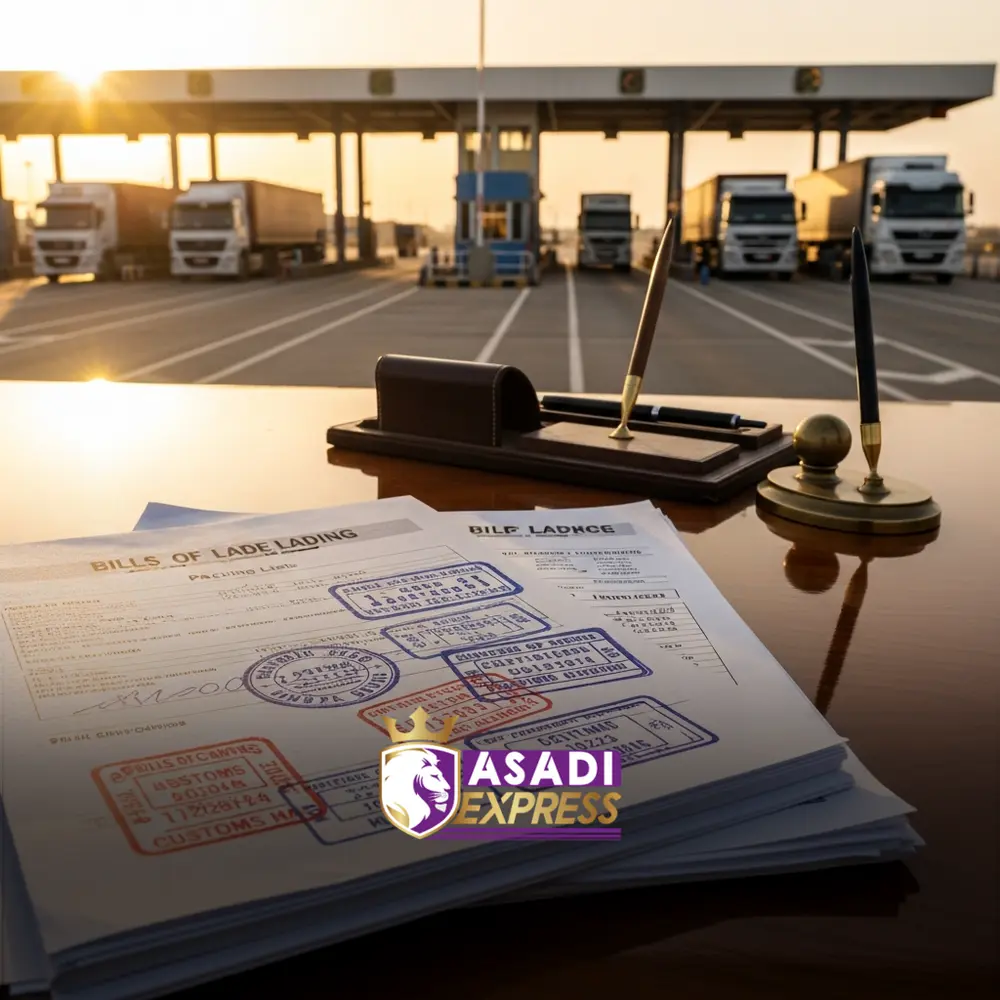
Customs clearance is where many shipments die. It is not just about having the paperwork; it is about having the right connections at the border office. I have witnessed traders panic because their invoices lacked a specific reference number required for Iranian import verification. You have to anticipate these requirements weeks before the truck is even loaded. A high-end logistics partner acts as an extension of your own export team, auditing your documents to ensure every detail matches the manifest perfectly before it hits the port of entry.
Think of the customs process as a gatekeeper. If you do not have the right key, you do not pass. This is where expertise in regional trade agreements becomes vital. For companies operating across the Middle East, understanding the nuances of transit between neighboring regions helps simplify the broader movement of goods. For instance, sometimes it is smarter to ship through specific free zones. If you are curious about the broader regional connectivity, you can review our main landing page to see how these localized hubs facilitate the massive logistical network we support across the Middle East.
Specialized Needs for High-End Cargo
Household moving is perhaps the most sensitive category of logistics. When a family relocates from Istanbul to Tehran, they are not just moving items; they are moving their life. The packaging techniques for antiques or high-end electronics must be robust enough to withstand a week of road transit. We use custom crating, moisture-resistant wrapping, and shock-absorbent padding. It is a level of care that sets professional moving apart from standard cargo transport.
If you are looking for guidance on how to manage this, you might find that certain specialized household relocation options provide the framework for these complex moves. High-end logistics means providing climate-controlled trailers for sensitive goods or dedicated security escorts for high-value commercial shipments. Asadi Express Cargo prioritizes this granular level of service because we know that once the reputation of your company is on the line, there is no room for amateur mistakes.
Logistics as a Long-Term Strategic Asset
Infrastructure is changing across the Middle East. New roads and improved border facilities are slowly lowering transit times, but the complexity of cross-border documentation remains. To stay ahead, you must treat your logistics provider as a long-term partner, not a utility service you swap out for a cheaper quote. The time you save by having a partner who already knows your product codes and tax profiles is worth far more than the minor savings from a low-cost, high-risk freight forwarder.
Successful logistics is a cycle of improvement. Every shipment should yield data that makes the next one faster, cheaper, and safer. If you are also managing trade with other regional hubs, exploring intercontinental cargo services can help you consolidate your supply chain under one roof, making it easier to track your stock levels across multiple borders. This is how the most successful traders in the region scale their operations without losing control of their inventory.
Frequently Asked Questions
How do you handle the unpredictable nature of the Iran-Turkey border crossing? We rely on local agents who are on the ground at the border 24/7. They provide us with real-time updates on queue lengths and permit requirements, allowing us to pivot or adjust schedules before a vehicle gets stuck in a multi-day delay.
What makes household goods moving different from standard commercial freight? It is the difference between moving a box and moving a home. We use specialized packing materials, bespoke crating for furniture, and meticulous inventory lists for customs, all while ensuring the transition through customs is handled by our internal team to avoid any damage or loss.
Why is a professional freight forwarder necessary for this route? Because of the administrative burden. Navigating the customs requirements in both Turkey and Iran requires precise documentation that changes frequently. An experienced forwarder ensures your documents are compliant, preventing costly seizures or indefinite storage at the border.
Can you guarantee the safety of high-value cargo during transit? We use a combination of secure vehicle options, such as GPS-tracked fleets and, where appropriate, dedicated transit security. Our focus is on proactive management, meaning we identify risks like severe weather or civil unrest and reroute or delay transit to protect your assets.
The movement of high-end cargo from Istanbul to Tehran is a challenge that rewards careful planning and deep regional expertise. By choosing a partner who understands the specific terrain, the complex customs landscape, and the necessity of real-time communication, you ensure that your business remains on schedule and your goods arrive exactly as they were loaded. Do not settle for vague promises of speed. Instead, look for concrete processes that protect your investment every kilometer of the way. If you have a specific shipment on your radar, reach out to our team at Asadi Express Cargo to walk through a custom route plan that accounts for your cargo type and deadline.


Leave a Reply
Want to join the discussion?Feel free to contribute!