






Exporting from Turkey to Oman Made Simple
The trade corridor between Turkey and the Sultanate of Oman has witnessed a remarkable surge in recent years, driven by a mutual desire to diversify economies and strengthen bilateral ties. For businesses operating out of industrial hubs like Istanbul, the Omani market presents a wealth of opportunities in sectors ranging from construction materials and textiles to machinery and food products. However, navigating the complexities of international trade requires a deep understanding of logistics, customs regulations, and transit routes. Understanding that exporting from Turkey to Oman made simple is not just a slogan but a logistical necessity allows companies to scale their operations across the Middle East with confidence and efficiency.
The logistics landscape in this region is characterized by its diversity. Whether you are moving commercial goods from Istanbul to Muscat or coordinating complex shipments that involve transit through the United Arab Emirates, the choice of your logistics partner is paramount. The journey from the Mediterranean or the Marmara Sea to the Arabian Peninsula involves several geographical and administrative hurdles. By leveraging specialized knowledge in Middle East logistics solutions, exporters can minimize delays and ensure that their goods arrive at their destination in optimal condition, regardless of whether they are utilizing air, sea, or land routes.
The Strategic Importance of the Turkey-Oman Trade Route
Turkey serves as a vital bridge between Europe and Asia, while Oman occupies a strategic position at the mouth of the Persian Gulf. This geographic synergy makes the trade route between the two nations one of the most significant in the region. Istanbul, as a primary departure point, offers world-class infrastructure, including modern ports and high-capacity airports. On the receiving end, Muscat and the Port of Salalah serve as gateways not only to the Sultanate but also to the wider Indian Ocean trade network. For many businesses, the process of exporting from Turkey to Oman made simple begins with recognizing these regional hubs as the pillars of their supply chain.
In addition to direct trade, many exporters utilize the logistics infrastructure of neighboring countries to optimize their routes. For instance, the UAE’s highly developed ports often serve as transshipment points. Companies frequently look for a reliable shipping company in Dubai to handle the final leg of a journey or to manage integrated distribution throughout the GCC. This interconnectedness means that a shipment leaving Turkey might benefit from the established Turkey to UAE freight corridors before making its way to the Omani border, showcasing the fluidity of modern Middle Eastern logistics.
Choosing the Right Logistics Company in Istanbul
Selecting a partner to manage your exports is a decision that impacts your bottom line and your brand’s reputation. Asadi Express Cargo has established itself as a leader in this field, providing comprehensive support for businesses looking to penetrate the Omani market. A high-quality logistics company in Istanbul should offer more than just transportation; they should provide end-to-end visibility, insurance options, and expert advice on Turkish export documentation. This level of service is essential for navigating the legislative requirements of both the Turkish Ministry of Trade and the Omani customs authorities.
When evaluating potential partners, it is crucial to look for those who understand the nuances of the regional market. This includes knowledge of local holidays, port congestion patterns, and the specific requirements for different types of cargo. For instance, if you are shipping perishable goods or high-value electronics, the provider must demonstrate a track record in handling sensitive freight. By partnering with a firm that offers leading logistics solutions, exporters can offload the stress of daily logistics management and focus on their core business growth within the Sultanate.
The Role of Freight Forwarding UAE in Regional Distribution
While the primary focus may be Turkey and Oman, the role of the United Arab Emirates cannot be ignored. The UAE acts as a massive logistics magnet for the entire region. Utilizing freight forwarding UAE services allows exporters to tap into a network that links Istanbul to Muscat through a series of highly efficient checkpoints. This is particularly useful for smaller shipments or e-commerce businesses that require frequent, smaller deliveries rather than large, infrequent bulk shipments. The synergy between Turkish exporters and UAE-based forwarders creates a resilient supply chain that can adapt to changing market demands.
Understanding Transportation Modes: Air, Sea, and Land
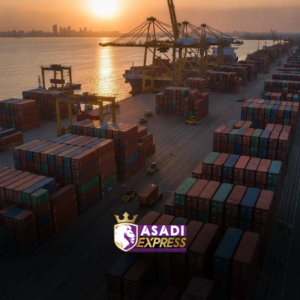
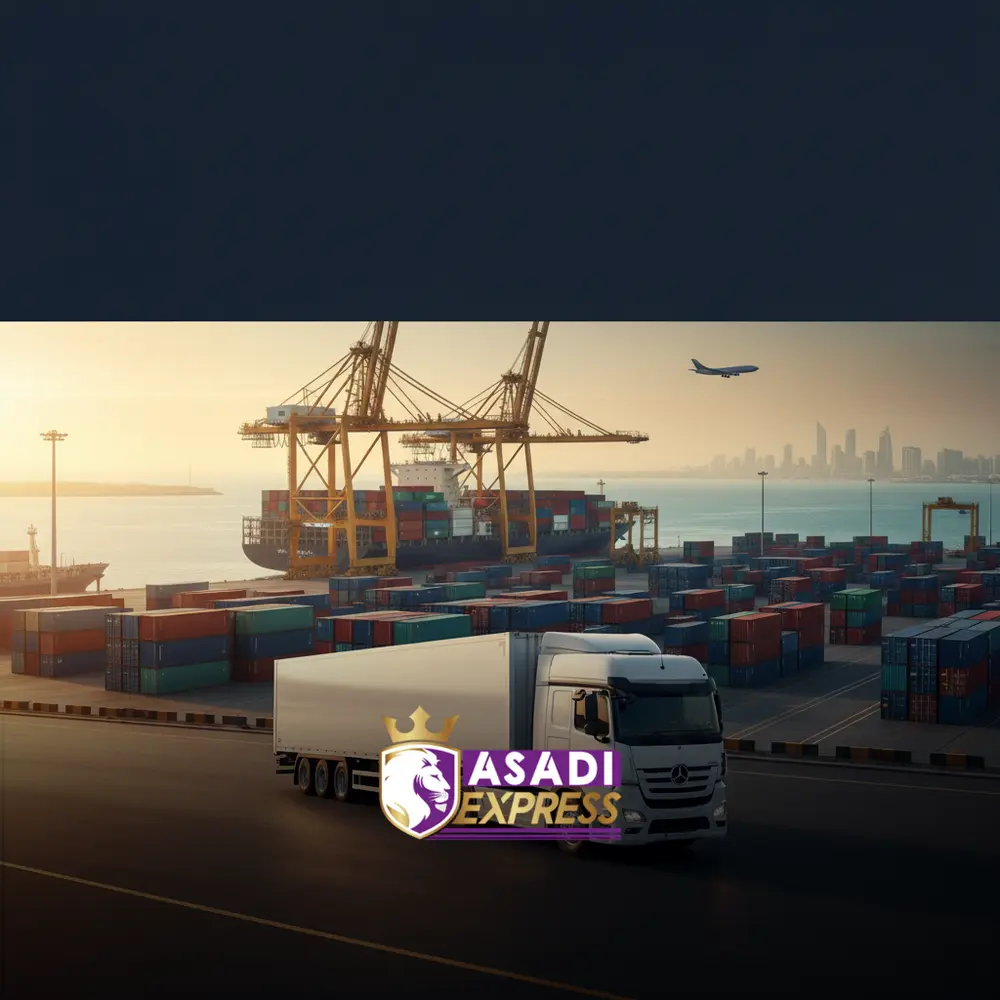
The choice of transport mode is a balancing act between cost and speed. For many, the preferred method for large volumes is maritime transport. Utilizing sea freight services offers the most cost-effective solution for heavy machinery, construction materials, and bulk commodities. Ships departing from Turkish ports such as Ambarli or Mersin travel through the Suez Canal, eventually reaching the Omani ports of Sohar or Muscat. While this route takes longer than air travel, the economies of scale are unmatched for large-scale commercial exports.
For time-sensitive shipments, air freight forwarding is the optimal choice. Istanbul’s new airport is one of the largest air cargo hubs in the world, offering daily flights to Muscat. This mode is ideal for pharmaceuticals, high-fashion textiles, and urgent spare parts. Although the cost per kilogram is higher, the reduction in transit time—from weeks to just a few hours—can be a decisive factor for maintaining competitive advantages in the Omani market. Furthermore, many providers now offer hybrid solutions, combining sea and air to find a middle ground in terms of both budget and delivery speed.
Land Transportation and Door-to-Door Solutions
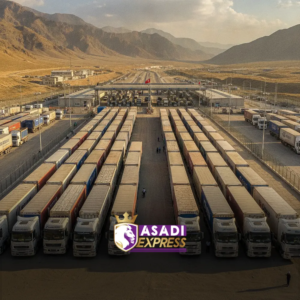
Land routes, while more complex due to border crossings, remain a viable option for certain types of cargo, especially those destined for the northern parts of the Arabian Peninsula. Utilizing established land transportation routes can provide a “middle way” for cargo that is too heavy for air but requires faster delivery than sea. Moreover, many businesses now demand door to door cargo UAE and Oman services, where the logistics provider handles everything from the warehouse in Istanbul to the final retail shelf in Muscat. This level of integration is what truly makes exporting from Turkey to Oman made simple for the modern entrepreneur.
Cargo Services in Dubai and the UAE Transit Route
Dubai’s position as a global logistics hub makes it a frequent stopover for cargo traveling from Turkey to Oman. The cargo services in Dubai are world-renowned for their efficiency and speed. Many Turkish exporters choose to ship their goods to Jebel Ali Port or Dubai South, where they are then sorted and forwarded to Muscat or Salalah. This “hub-and-spoke” model is highly effective for companies that distribute goods to multiple GCC countries simultaneously. By using Dubai as a central node, a business can manage its cargo services Muscat Oman requirements alongside its UAE distribution from a single point of contact.
Furthermore, the connectivity between the UAE and Oman is bolstered by excellent road networks. Once goods clear customs in the UAE, they can be trucked to Oman within hours. This makes the UAE-Oman border one of the busiest for commercial traffic in the region. For businesses looking for air freight and sea freight UAE options, the flexibility offered by this transit route is a major asset. It allows for quick adjustments if one port is experiencing delays, ensuring that the supply chain remains uninterrupted and the Omani consumers are consistently served.
Real Use Cases: Personal Cargo, Business Shipping, and E-commerce
The need for reliable logistics is not limited to large corporations. Individual entrepreneurs and expatriates often require specialized services. For example, a small business owner might need to send cargo from Tehran to Dubai before consolidating it with Turkish goods for a final shipment to Muscat. In another scenario, a family moving from Istanbul to Muscat would require specialized household moving services that handle everything from packing to customs clearance. These personal and small-scale use cases benefit significantly from the same professional networks used by industrial giants.
E-commerce is another booming sector where the Turkey-Oman route is vital. Turkish fashion and home décor are highly popular in Oman. For an e-commerce brand, the ability to provide fast and affordable shipping is the difference between a sale and a lost customer. By utilizing professional cargo networks, these brands can offer reliable delivery timelines. Whether it is shipping from Shiraz to UAE or Istanbul to Oman, the integration of tracking technology and local delivery partners ensures that even the smallest parcel is treated with the same priority as a commercial container.
Business Shipping and Bulk Commodities
On the industrial side, Turkey’s export of marble, steel, and machinery to Oman requires heavy-duty logistics. These shipments often involve specialized equipment like flat-rack containers or temperature-controlled units. Asadi Express Cargo specializes in these complex requirements, ensuring that industrial goods are secured properly for the long sea voyage. The coordination between the loading teams in Turkey and the unloading teams in Oman is a testament to how refined the “exporting from Turkey to Oman made simple” process has become for the industrial sector.
Navigating Customs and Documentation for Middle East Logistics
The administrative aspect of exporting is often where businesses encounter the most friction. Both Turkey and Oman have specific documentation requirements that must be met to avoid fines or seizures. Key documents typically include the Commercial Invoice, Certificate of Origin, Bill of Lading (for sea freight) or Airway Bill (for air freight), and a detailed Packing List. For certain goods, health certificates or standards compliance certificates (such as those required by the Oman Centre for Standards and Metrology) may also be necessary.
Working with a provider that understands the nuances of Iran to UAE cargo and UAE to Iran shipping can also be beneficial, as these providers often have a broader understanding of the regional regulatory environment. They can advise on how to correctly value goods for customs, how to apply for duty exemptions under various trade agreements, and how to navigate the electronic “Bayan” system used by Omani customs. Professional handling of documentation is the final piece of the puzzle in making the export process seamless and predictable.
Frequently Asked Questions
How long does it typically take to ship from Istanbul to Muscat?
The duration depends on the mode of transport. Air freight usually takes 1 to 3 days, including customs clearance. Sea freight typically takes between 15 to 25 days, depending on the shipping line and whether the vessel is direct or involves transshipment in ports like Jebel Ali.
What are the most commonly exported goods from Turkey to Oman?
Major exports include furniture, carpets, clothing, processed foods, construction materials (like marble and cement), and electrical machinery. The “Made in Turkey” label is highly regarded in Oman for its quality-to-price ratio.
Are there any specific items that are restricted for import into Oman?
Yes, like most countries, Oman has restrictions on certain items including alcohol, pork products, and materials that may be considered offensive to local culture. Additionally, certain medications and chemicals require prior approval from the relevant Omani ministries.
Can I track my shipment during the journey?
Most modern logistics providers, including Asadi Express Cargo, offer real-time tracking systems. You will be provided with a tracking number that allows you to monitor your cargo’s progress from the moment it leaves the warehouse in Istanbul until it arrives at its destination in Oman.
Conclusion
The bridge of trade between Turkey and Oman is stronger than ever, and for businesses ready to take the leap, the rewards are substantial. While the geographical distance is significant, the logistical gap has been closed by advanced transportation networks and expert freight forwarding services. From the bustling streets of Istanbul to the serene coastline of Muscat, the flow of goods is a testament to the economic vitality of the region. By focusing on the principle that exporting from Turkey to Oman made simple is achievable through the right partnerships, businesses can thrive in this lucrative market.
Whether your needs involve Dubai to Muscat cargo transshipments or direct Turkey to UAE freight solutions, the key is to work with a partner who understands the local landscape. Asadi Express Cargo is dedicated to providing the expertise, reliability, and local knowledge required to navigate the Middle Eastern trade corridors. If you are ready to expand your reach, streamline your supply chain, and ensure your goods reach the Sultanate with ease, now is the time to act. Contact a specialist today to receive a tailored quote and experience firsthand how we make regional logistics a competitive advantage for your business.
More articles