






Reliability Redefined: Turkey to Muscat Cargo
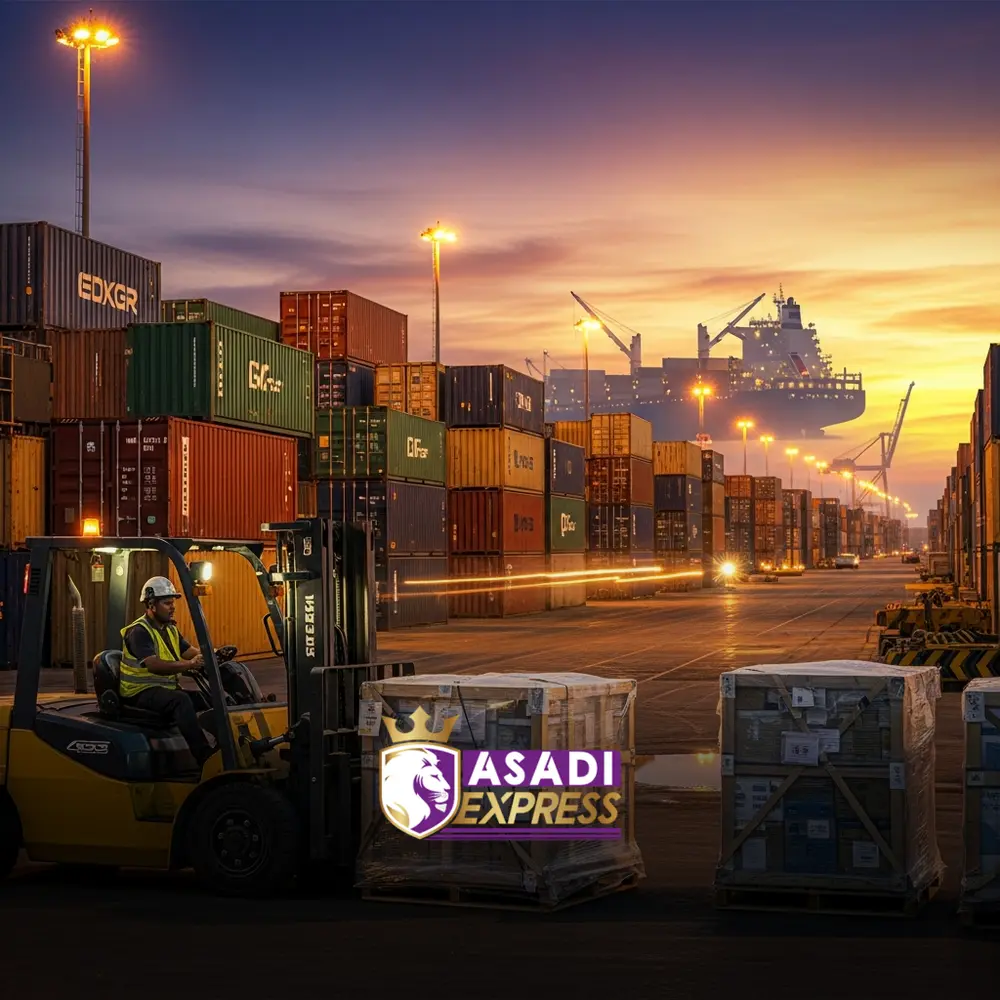
The humidity in the port of Muscat hits you the moment you step out of the terminal. I stood there watching a forklift operator navigate a stack of pallets marked for a distribution center in Barka, while a shipment from Istanbul sat nearby waiting for final clearance. It is a messy, beautiful, and sometimes grueling business that relies on more than just the vessel schedules. Every trader knows that the distance between a warehouse in Istanbul and a storefront in Oman is measured in more than kilometers. It is measured in the friction of customs, the wait times at Jebel Ali, and the sheer persistence required to keep goods moving in the Middle East.
Navigating the logistics between Turkey and Oman demands a deep familiarity with the shifting ground of regional trade. You cannot treat a pallet of textiles from Laleli the same way you treat high-value electronics or industrial machinery. My years arranging shipments between Tehran and Dubai taught me that reliability is not a marketing term but a result of knowing exactly which road to take when the main arterial routes are congested. When you move cargo from Turkey to Muscat, you are navigating a complex corridor that touches the heart of the Gulf market.
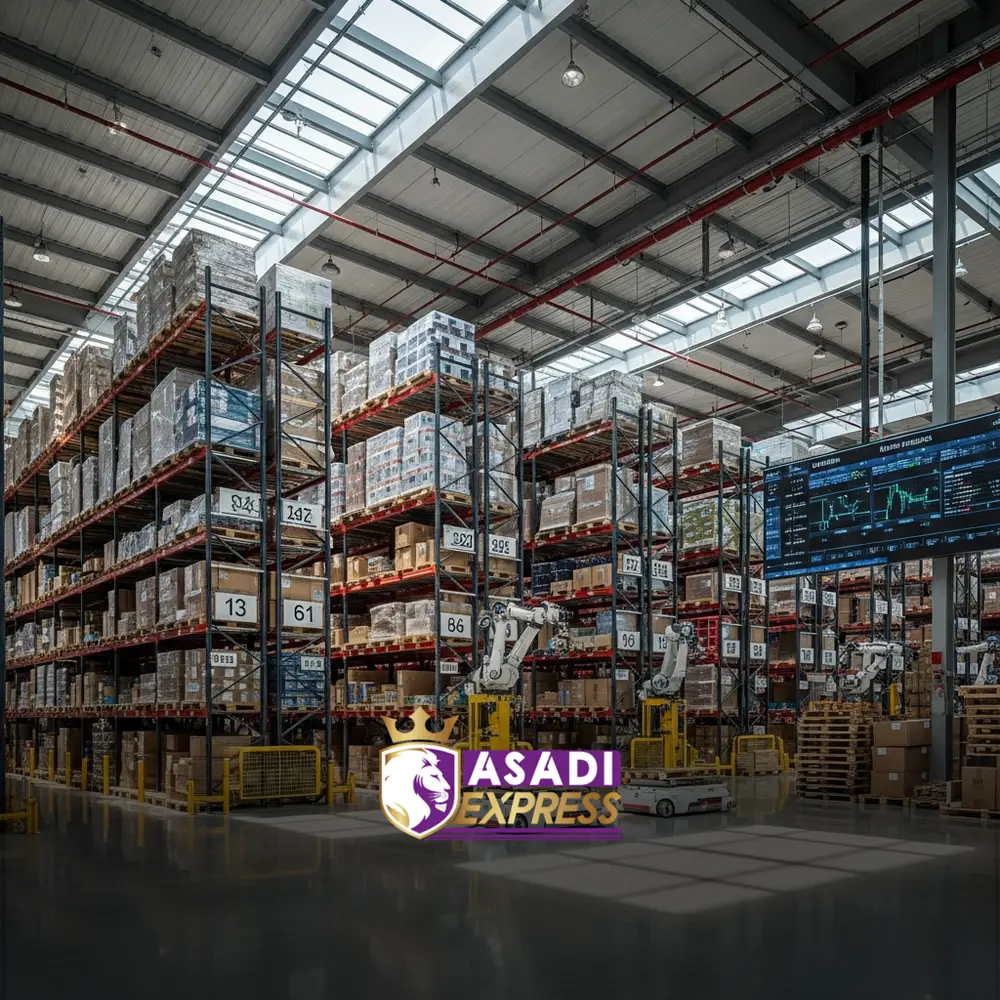
The Architecture of Modern Middle East Logistics
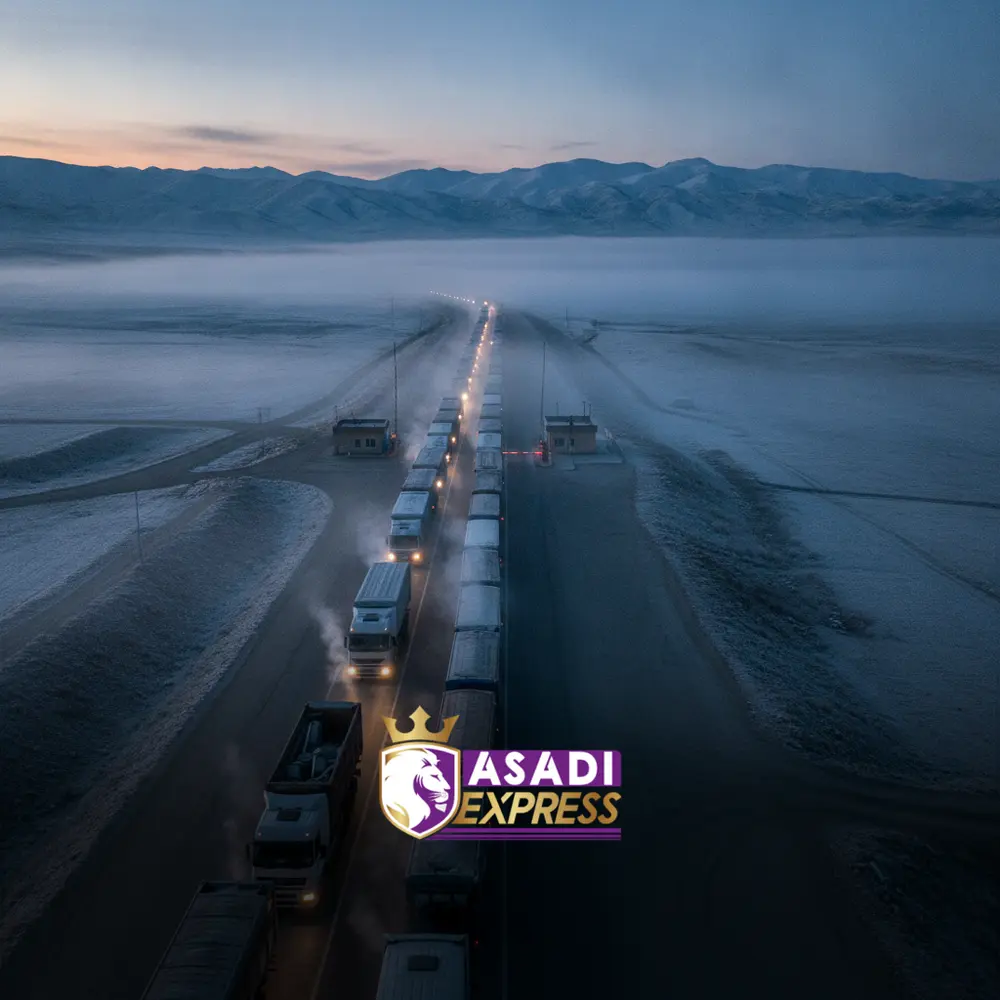
Logistics in our region is not about finding the cheapest rate. It is about understanding the intersection of land, sea, and air capacity. A shipment leaving Istanbul might traverse the road through Iran, or it might take a sea route through the Mediterranean and the Suez Canal. Choosing the right path is where the planning happens. If you are shipping bulk goods, you have to consider how the temperature shifts from the Anatolian highlands down to the coastal heat of the Gulf of Oman.
Efficiency in this sector comes down to local presence. You need someone at the border crossings who knows the protocol, just as you need a partner who understands the documentation requirements for professional land transportation services to ensure your goods do not end up stranded in a customs yard for days. Reliability is built on these small, often invisible, layers of operational control. When the transit documentation is flawed, the best vessel in the world cannot save your deadline.
Optimizing Routes for Turkey to Muscat Cargo
I recall a client who insisted on sending automotive parts through a route that was notoriously slow during the seasonal rains. By re-routing their containers through a combination of sea and regional transit hubs, we shaved nearly six days off their typical lead time. It was a simple adjustment that had a massive impact on their inventory turnover. That is the reality of moving cargo from Turkey to Oman; it is a game of constant refinement.
The Turkey to Muscat corridor benefits from the versatility of combining different freight modes. We often see businesses mixing air freight for urgent samples or high-value parts, while bulk stock follows a more economical land or sea path. This hybrid approach is common practice among seasoned traders who operate across the Istanbul-Muscat axis. Maintaining control over these fragmented parts of the supply chain requires a level of coordination that most standard shipping agencies simply cannot provide.
Asadi Express Cargo manages these transitions by keeping a close eye on the regional shifts. Whether it is a change in border policy or a bottleneck at a major port, our operational team adapts the routes in real time. We prefer to focus on the stability of the long-term flow rather than chasing the momentary dip in shipping rates. True reliability is knowing your cargo will reach the destination even when the regional environment becomes volatile.
Navigating Customs and Regulatory Frameworks
The customs environment in the Gulf is robust but requires precision. Documentation errors are the primary cause of delay for Turkey to Muscat cargo. A missing certificate of origin or a slight discrepancy in the packing list can stop a shipment in its tracks at the port of arrival. When you move goods across several borders, you have to anticipate the requirements of each jurisdiction, ensuring that the paper trail is as solid as the physical cargo itself.
I have seen shipments of household goods, often requiring specialized handling, get caught in limbo because the paperwork did not account for the specific transit regulations of the intermediary countries. This is why having an expert handle the specialized household moving documentation is critical. When the paperwork is handled with the same care as the freight, the cargo flows through the borders with the ease you expect.
You must also stay updated on the import restrictions and trade agreements between Turkey and the GCC. The rules do change. Last year, we saw adjustments in how certain categories of raw materials were processed, and those who were not informed paid for it in storage fees and port charges. It is about foresight and maintaining a constant connection with the regulatory agencies on the ground.

Logistics Strategies for Business Growth
When your business relies on a constant influx of goods, your shipping partner becomes an extension of your own company. You should be looking for a strategy that emphasizes scalability. If you are currently shipping a few containers a month, your logistics plan should be robust enough to handle ten times that volume during peak seasons without requiring a total overhaul of your processes. This requires a partner who treats your supply chain with the same attention you give to your sales and marketing efforts.
Small to medium enterprises often struggle with the complexity of these international corridors because they try to manage every stage manually. By outsourcing the management of your freight to Asadi Express Cargo, you remove the burden of daily troubleshooting from your staff. You gain access to a team that spends their entire day dealing with the realities of the road and the sea. For those expanding their footprint, we provide a foundation that supports consistent growth across the Turkey, UAE, and Oman triangle.
Building a resilient supply chain is an investment in your market reputation. If your customers in Muscat can count on you for on-time delivery every single time, your business builds a level of trust that competitors find difficult to match. My focus is always on ensuring that the logistics do not become the bottleneck for your commercial success. It is about providing a foundation of certainty in an uncertain world.
Managing Specialized Cargo Requirements
Not all goods are created equal. Some items require temperature-controlled containers to survive the transit from the cooler Turkish climate into the sweltering heat of the Omani summer. Others might be oversized industrial pieces that require specialized trailers and careful permit management for every transit country on the route. Recognizing these needs early in the planning phase is the hallmark of a professional freight forwarder.
If you are shipping heavy equipment, you cannot just look for the lowest price per kilometer. You need to consider the load capacity of the vehicles and the stability of the securing mechanisms. I have handled projects where the physical constraints of the route dictated the type of vessel and vehicle used, simply to ensure that the cargo arrived in the same condition it left the warehouse. This is the level of detail that separates basic freight movement from comprehensive logistics management.
A successful shipping strategy is always defined by the specific needs of the product. Whether it is perishables or heavy steel, the logistics must be designed to accommodate the physical reality of the cargo. By utilizing the expertise available at air freight forwarding services for your time-sensitive consignments, you gain the agility needed to react to sudden market changes while keeping your heavy items on the more cost-effective land routes.
Developing a Resilient Supply Chain
The Middle East logistics corridor is constantly evolving. New infrastructure projects and shifting trade policies mean that the route you used last year might not be the most efficient one today. Asadi Express Cargo monitors these trends constantly. We believe that a long-term shipping strategy is only as good as the information that informs it. We work closely with our clients to evaluate their current shipping volumes and find ways to optimize the entire process.
Your goal should always be to maximize the efficiency of every shipment. This means looking at the total cost of logistics, which includes not just the freight rates but also the indirect costs of delays, inventory holding, and customer dissatisfaction. A truly efficient supply chain creates value for your business at every step of the journey. When you stop looking at shipping as an expense and start looking at it as a strategic asset, your business begins to function at a higher level.
For businesses looking to broaden their operations beyond the traditional routes, there are many opportunities to explore. For instance, you might want to look into shipping from China to Dubai as a way to supplement your inventory before distributing it to your secondary markets in Oman or the broader region. Diversification is a natural step for any company that has mastered the core Turkey to Muscat route. It is about building a logistics network that is as dynamic and ambitious as your business plan.
Common Questions About Turkey to Muscat Logistics
How long does it usually take to move goods from Istanbul to Muscat? It depends on the mode, but for land transit, you are generally looking at about 12 to 18 days including border crossings. Air is much faster, often taking just a few days, but it comes at a premium. Sea freight is the slowest but best for large volumes, typically taking 20 to 30 days depending on the port congestion.
What are the biggest risks when shipping via land through the regional routes? The main risks are delays at border crossings and potential issues with transit documentation. Being prepared with all the correct paperwork and having a local partner who knows the authorities helps mitigate these risks significantly. Most delays occur because of incomplete or incorrect manifests rather than road conditions.
Do I need to worry about storage in Dubai if I am using it as a transit hub? Dubai acts as a major consolidation point for many shipments moving into Oman. If your goods are staying in a free zone, you have several options for short-term or long-term warehousing. You can find more information about how this works by checking our frequently asked questions page, which covers the specific transit requirements for cargo moving through the UAE.
What documentation do I need to start the process? At a minimum, you need a commercial invoice, a packing list, and a certificate of origin. Depending on the nature of the cargo, you may also need specific health certificates or safety permits. We provide a full checklist to our clients before the cargo ever leaves the warehouse to ensure everything is in order.
Reliability is the foundation of our service. If you are ready to stabilize your supply chain and move your goods with confidence, reach out to our team. We can perform an audit of your current shipping requirements and provide a customized plan that reflects your actual volume and specific commodity needs. Send us an email with your cargo details, and we will get back to you within one business day to discuss your routing options.
More articles