






Comprehensive Guide to Shipping Large Volumes: Turkey to Oman
The trade corridor between Turkey and the Sultanate of Oman has witnessed significant growth over the last decade, driven by industrial expansion, infrastructure development, and a shared vision for economic diversification. For businesses and individuals, shipping large volumes: Turkey to Oman involves a complex interplay of international regulations, logistics planning, and multi-modal transport solutions. Whether you are moving industrial machinery from Istanbul or a massive consignment of consumer goods to Muscat, understanding the nuances of Middle East logistics is essential for a cost-effective and timely delivery.
Logistics in the Middle East is characterized by its strategic location connecting East and West. Oman, with its modernized ports like Salalah and Sohar, serves as a gateway to the Arabian Peninsula. Simultaneously, Turkey serves as a manufacturing powerhouse for the region. Managing the flow of goods between these two points requires more than just transport; it requires a strategic approach to customs, warehousing, and regional distribution networks that often intersect with other major hubs like Dubai, Abu Dhabi, and Tehran.
The Strategic Importance of Turkey to Oman Logistics
Shipping large volumes: Turkey to Oman is not merely about moving boxes; it is about sustaining supply chains that fuel the construction, retail, and energy sectors in Muscat and beyond. As Turkey continues to be a top choice for sourcing raw materials and finished products, the demand for specialized cargo services has spiked. A professional cargo and transportation services from Turkey ensures that large-scale shipments are handled with the necessary equipment and expertise to navigate transshipment points across the region.
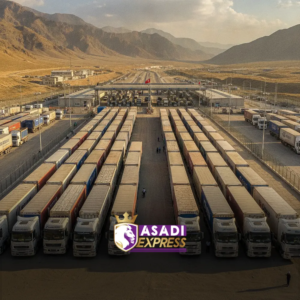
When dealing with bulk inventory or heavy machinery, the choice of a logistics company in Istanbul can make or break a project’s timeline. Istanbul acts as the primary exit point for Turkish exports. From here, goods may travel via road through neighboring countries or be loaded onto vessels heading toward the Persian Gulf. For many Omani enterprises, the reliability of these routes is paramount to maintaining inventory levels and meeting project deadlines in the competitive Gulf market.
Air Freight vs. Sea Freight for Large Consignments
When shipping large volumes: Turkey to Oman, the two primary modes of transport are air and sea. Each offers distinct advantages depending on the urgency and nature of the cargo. While air freight is faster, sea freight remains the gold standard for high-volume, heavy-duty logistics due to its cost-efficiency and capacity to handle oversized items.
Ocean Freight: The Backbone of Bulk Shipping
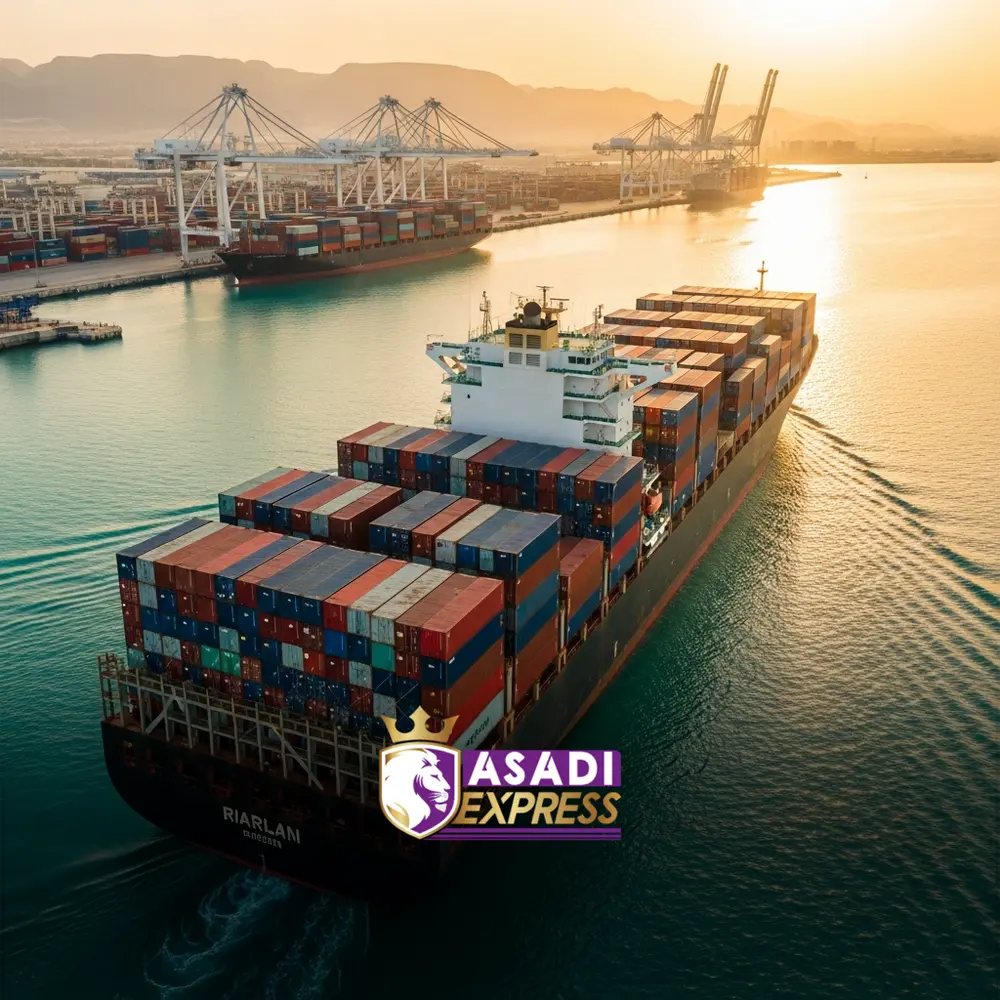
Sea freight is the most common method for shipping large volumes between Turkey and Oman. It allows for the use of Full Container Loads (FCL), which is ideal for businesses that have enough cargo to fill 20-foot or 40-foot containers. By utilizing comprehensive ocean freight forwarding, shippers can secure better rates and ensure their goods are protected from the elements during the long journey around the Arabian Peninsula or through the Suez Canal. This method is particularly suited for industrial components, building materials, and large-scale retail stock.
Air Freight: When Speed is the Priority
While more expensive, expedited air freight forwarding is essential for high-value items or urgent replacement parts that cannot wait for the weeks-long transit of a container ship. Large volumes in the aerospace or pharmaceutical sectors often rely on air transport to Muscat Oman. Even for bulk quantities, air freight provides a level of security and speed that minimizes the risk of supply chain disruptions, particularly when shipping from Istanbul’s major international airports.
Key Cargo Hubs and Regional Connectivity
The success of shipping large volumes: Turkey to Oman often depends on the efficiency of regional transit hubs. While the destination is Oman, the cargo often passes through or is managed by entities in the UAE or Iran. Dubai, in particular, serves as a massive re-export hub for the entire Middle East. A reputable shipping company in Dubai often manages the final leg of the journey for Turkish goods bound for Muscat or Salalah.
Furthermore, the logistics landscape involves integrated routes such as cargo from Tehran to Dubai and shipping from Shiraz to UAE, which highlight the interconnected nature of Middle East logistics solutions. Businesses often find that consolidating their regional operations through a single provider who understands the intricacies of freight forwarding UAE can streamline their documentation and reduce overall transit times. Whether your cargo is moving through Abu Dhabi or Sharjah, the regional infrastructure is designed to support the heavy flow of international trade.
Customs Clearance and Documentation in Oman
One of the most challenging aspects of shipping large volumes: Turkey to Oman is navigating the customs requirements. Oman has strict regulations regarding the import of industrial goods, chemicals, and consumer products. Proper documentation, including certificates of origin, commercial invoices, and packing lists, must be meticulously prepared. Errors in paperwork can lead to costly delays at the port of entry, which is why working with a seasoned logistics provider is crucial.
Expert cargo services Muscat Oman will handle the “Bayan” system (the Sultanate’s online customs single window) to ensure all duties are paid and clearances are obtained before the vessel even docks. This proactive approach is a hallmark of professional Middle East logistics solutions, allowing for a seamless transition from the high seas to the local warehouse.
Shipping Large Volumes: Turkey to Oman Use Cases
The requirement for large-volume shipping varies across different demographics and business sectors. Understanding these use cases helps in selecting the right service level and transport mode.
1. Industrial and Construction Projects
Oman’s “Vision 2040” has sparked numerous infrastructure projects requiring massive amounts of steel, machinery, and specialized equipment from Turkey. Shipping large volumes: Turkey to Oman in this sector often involves break-bulk cargo or specialized containers. These shipments require heavy-lift equipment at both the origin in Istanbul and the destination in Sohar or Muscat. Reliable logistics partners ensure that these critical components arrive in sequence to prevent construction delays.
2. E-commerce and Retail Consolidation
With the rise of online shopping in the GCC, Turkish textiles and home goods have become highly sought after. Retailers often consolidate large volumes of orders into a single container to save on costs. Utilizing a shipping company in Dubai for regional distribution or direct air freight and sea freight UAE services allows these retailers to maintain a steady flow of “Made in Turkey” products to the Omani market, ensuring that shelves are always stocked and customer demands are met.
3. Large-Scale Personal Relocations
Expatriates moving between Istanbul and Muscat often need to transport the contents of an entire villa. This is where specialized household relocation services become invaluable. Shipping personal effects in large volumes requires careful packing, moisture control for sea transit, and a door to door cargo UAE or Oman service that manages the move from the old doorstep in Turkey to the new one in Muscat.
Why Choose Asadi Express Cargo for Your Shipping Needs?
When it comes to the complex task of shipping large volumes: Turkey to Oman, Asadi Express Cargo stands out as a leader in the field. With deep roots in the Middle Eastern logistics sector, the company provides a bridge between Turkish manufacturers and Omani consumers. Their expertise extends beyond simple transport; they offer a comprehensive suite of services that include warehousing, customs brokerage, and local distribution.
By choosing Asadi Express Cargo, clients benefit from a network that spans Istanbul, Tehran, Dubai, and Muscat. This regional presence allows for real-time tracking and localized support, ensuring that even the most massive consignments are handled with precision. Whether you are looking for cargo services in Dubai to assist with a transshipment or need a direct route from Turkey, their team provides the reliability required for high-stakes international trade.
Optimizing Costs for High-Volume Shipments
Cost optimization is a primary concern for any business shipping large volumes: Turkey to Oman. Several strategies can be employed to reduce the financial burden of international logistics:
- Consolidation: If your volume doesn’t quite fill a container, LCL (Less than Container Load) shipping allows you to share space and costs with other shippers.
- Strategic Route Planning: Sometimes, shipping via a secondary hub like Sharjah or through land-sea combinations via Iran can offer significant savings compared to direct air freight.
- Warehouse Management: Utilizing bonded warehouses in the UAE or Oman can help manage cash flow by deferring duty payments until the goods are ready for local distribution.
Effective freight forwarding UAE companies often suggest these strategies to their clients to help them stay competitive. In a market where fuel prices and port fees can fluctuate, having a flexible and knowledgeable partner is the best way to safeguard your logistics budget.
The Role of Technology in Modern Shipping
The modern era of shipping large volumes: Turkey to Oman is powered by digital tools. From GPS tracking of containers to blockchain-based documentation, technology has increased transparency and reduced the likelihood of human error. For large volumes, being able to track a shipment’s progress in real-time is not just a luxury; it is a necessity for inventory management and customer service. High-quality professional logistics across the Middle East now include digital platforms where clients can view their shipping history, track current movements, and manage their invoices in one place.
Frequently Asked Questions
How long does it take for shipping large volumes: Turkey to Oman?
The transit time depends on the mode of transport. Sea freight from Istanbul to Muscat typically takes between 18 to 25 days, depending on the route and any transshipment stops. Air freight is significantly faster, usually taking 3 to 7 days, including customs clearance and ground handling.
What are the restricted items when shipping to Oman?
Oman has specific restrictions on items such as alcohol, pork products, and certain telecommunications equipment. For large industrial volumes, it is vital to check for any required permits for chemicals or heavy machinery before the shipment leaves Turkey.
Is insurance necessary for large volume cargo?
Yes, marine and transit insurance is highly recommended when shipping large volumes: Turkey to Oman. Given the value of the cargo and the distances involved, insurance protects your investment against unforeseen events such as heavy weather, handling damage, or port delays.
Can I track my shipment from Turkey to Oman?
Most modern logistics providers offer digital tracking. When you work with a top-tier reliable shipping partners, you will receive a tracking number that allows you to monitor the location of your container or air pallet from the moment it leaves the warehouse in Turkey until it arrives in Oman.
Conclusion: Seamless Logistics for Your Growth
Shipping large volumes: Turkey to Oman is a multifaceted process that requires local knowledge, international expertise, and a robust infrastructure. As trade between these two nations continues to flourish, the need for sophisticated logistics solutions has never been higher. From the bustling ports of Istanbul to the growing industrial zones of Muscat and Sohar, the flow of goods is the lifeblood of regional development.
By leveraging the services of a dedicated partner like Asadi Express Cargo, you can navigate the complexities of Middle East logistics with confidence. Their commitment to excellence ensures that your large-scale shipments are handled with care, efficiency, and a focus on cost-effectiveness. Whether you are managing industrial projects, retail supply chains, or personal relocations, the right logistics strategy will pave the way for success in the vibrant markets of Oman and the wider GCC region. Contact a specialist today to streamline your shipping routes and experience the benefits of a truly integrated transport network.
More articles