






Commercial Freight Experts: Turkey to Iran
The trade corridor between Turkey and Iran has historically served as a bridge between East and West, acting as a vital artery for the flow of goods across Eurasia. For businesses operating in this region, navigating the complexities of international borders requires more than just a truck or a plane; it requires the guidance of Commercial Freight Experts: Turkey to Iran. As geopolitical and economic landscapes shift, the demand for reliable, efficient, and cost-effective logistics has never been higher. Whether it is industrial machinery moving from the factories of Istanbul to the industrial zones of Tehran, or consumer goods distributed to the markets of Shiraz, a specialized logistics approach is essential for success.
In today’s globalized market, logistics is the backbone of commerce. For companies trading between these two regional powerhouses, the stakes are high. Delays at customs, improper documentation, or inefficient route planning can lead to significant financial losses. By partnering with established professionals who understand the nuances of Middle East logistics solutions, businesses can streamline their supply chains. This article explores the various facets of shipping between Turkey and Iran, the strategic role of major cities like Dubai and Muscat in the regional network, and how professional freight forwarding ensures that goods reach their destination safely and on time.
Strategic Logistics Solutions for the Turkey-Iran Trade Corridor
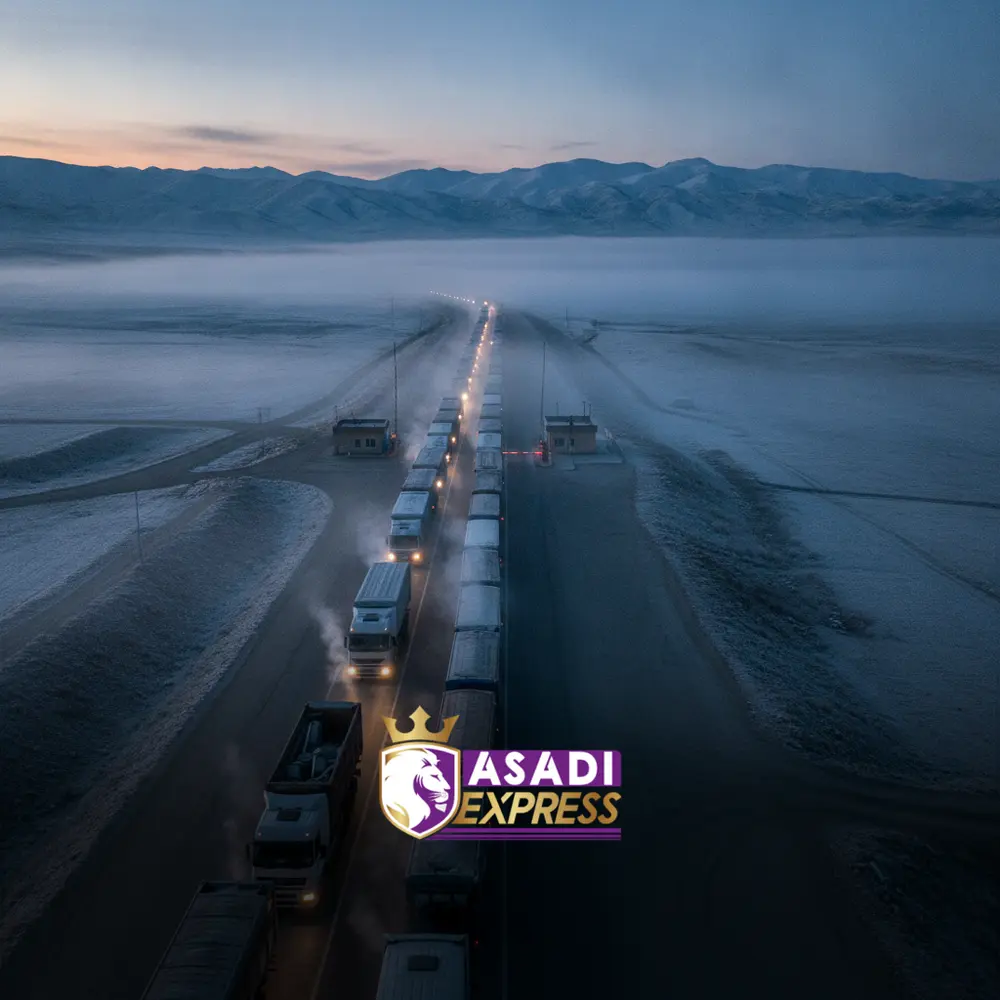
The logistics network connecting Turkey and Iran is multifaceted, involving land, air, and sometimes multimodal routes that leverage the strengths of various transport modes. Istanbul, serving as the primary hub in Turkey, acts as a consolidation point for goods coming from Europe and domestic Turkish producers. From here, the journey to Iran involves crossing the rugged terrain of eastern Turkey before entering the Iranian plateau. Commercial Freight Experts: Turkey to Iran prioritize route optimization to avoid seasonal disruptions and ensure the shortest possible transit times.
A leading professional shipping between Iran and Turkey service provides more than just transport; it offers peace of mind through comprehensive risk management. This includes real-time tracking, cargo insurance, and deep knowledge of the Bazargan border crossing—the most significant land gateway between the two nations. For commercial entities, understanding the capacity of these routes is vital for managing inventory levels and meeting the demands of customers in Tehran, Tabriz, and Mashhad.
Furthermore, the integration of Turkish logistics with the broader GCC market is a growing trend. Many businesses look to coordinate their shipments through a comprehensive shipping company in Dubai to manage a wider distribution network. This allows for a more centralized control over shipments that might eventually move toward Abu Dhabi, Sharjah, or even Muscat, Oman, creating a truly regional logistics strategy.
Land Transportation and Road Freight: The Backbone of Trade
Road freight remains the most popular method for transporting commercial goods between Turkey and Iran. The flexibility of trucking allows for door-to-door delivery, which is often the most cost-effective solution for medium to large-scale shipments. When engaging with cross-border land transportation, companies can choose between Full Truckload (FTL) and Less than Truckload (LTL) services, depending on their volume requirements.
FTL is ideal for large industrial shipments, such as automotive parts, construction materials, and raw chemicals, where the entire vehicle is dedicated to a single consignee. On the other hand, LTL allows multiple businesses to share space on a single truck, making it an excellent choice for smaller enterprises or e-commerce sellers who need to move inventory from Istanbul to Tehran without the expense of a full vehicle. The role of Commercial Freight Experts: Turkey to Iran is to manage these consolidations efficiently, ensuring that cargo from different sources is handled with the same level of care and precision.
Key transit points in Iran, such as the Shahriar and Payam customs offices, require specific handling and local expertise. A reputable logistics company in Istanbul will have strong partnerships with local agents in Tehran to facilitate smooth offloading and final-mile delivery. This connectivity ensures that whether the cargo is destined for a warehouse in the capital or a retail outlet in Shiraz, the transition is seamless.
Air Freight Solutions for Urgent Commercial Cargo
When time is the most critical factor, air freight is the preferred choice for high-value or perishable goods. Commercial Freight Experts: Turkey to Iran utilize the extensive flight networks between Istanbul Airport (IST) and Tehran Imam Khomeini International Airport (IKA). Air transport significantly reduces transit time from several days to just a few hours, which is essential for electronics, pharmaceutical products, and time-sensitive spare parts for the oil and gas industry.
Utilizing expedited air freight and sea freight UAE services can also be a strategic move for businesses that use the UAE as a transshipment hub. For instance, goods may be flown from Istanbul to Dubai and then re-routed to Iran or other parts of the Middle East. This multimodal approach provides flexibility in the face of changing regulations or capacity constraints on direct routes. Asadi Express Cargo excels in managing these complex itineraries, ensuring that even the most urgent shipments are prioritized and tracked at every stage of the journey.
Handling Customs and Regulations in Turkey and Iran
The most challenging aspect of shipping between Turkey and Iran is often not the physical movement of goods, but the bureaucratic hurdles involved. Each country has its own set of import/export regulations, tariff structures, and prohibited items list. Failure to comply with these can result in lengthy delays at the border or even the seizure of goods. This is where the expertise of a professional shipping company in Dubai or Istanbul becomes invaluable.
Customs clearance involves the preparation of various documents, including commercial invoices, packing lists, certificates of origin, and transport documents like the CMR for road freight. In Iran, the customs process can be particularly intricate due to specific currency regulations and import licenses required for certain categories of goods. Commercial Freight Experts: Turkey to Iran stay updated on these regulatory changes, advising clients on how to structure their shipments to minimize duties and avoid penalties.
For businesses looking to expand their reach, understanding the customs landscape in the UAE is also beneficial. Many firms operating in the Turkey-Iran corridor also utilize freight forwarding UAE services to manage their broader regional presence, taking advantage of the free zones in Dubai and Sharjah to store and re-export goods efficiently.
Regional Connectivity: Expanding to the UAE, Oman, and Beyond
While the focus is often on the direct route between Turkey and Iran, the modern logistics landscape is far more interconnected. Asadi Express Cargo recognizes that many businesses require a comprehensive regional strategy that includes the UAE and Oman. The transit of goods from Istanbul to the Gulf requires a sophisticated understanding of maritime and air routes.
For example, freight services from Istanbul to Dubai are a critical link for companies that distribute goods throughout the Arabian Peninsula. From Dubai, cargo can easily be moved via road to Abu Dhabi or Sharjah, or via sea to Muscat, Oman. This network creates a “logistics triangle” that connects the Mediterranean, the Persian Gulf, and the Caspian Sea. Commercial Freight Experts: Turkey to Iran often leverage these broader networks to provide clients with redundant options when primary routes are congested.
Strategic locations such as the Port of Jebel Ali in Dubai or the Port of Salalah in Oman serve as vital nodes in this network. By integrating these hubs, a logistics company can offer air freight and sea freight UAE services that connect the entire Middle East. This is particularly useful for cargo from Tehran to Dubai or shipping from Shiraz to UAE, where businesses seek to tap into the high-spending consumer markets of the Emirates.
Real-World Use Cases: Business and Personal Shipping
The need for professional logistics spans across various sectors and scales. Here are three common use cases where Commercial Freight Experts: Turkey to Iran provide essential value:
1. Business-to-Business (B2B) Industrial Shipping
A Turkish textile manufacturer needs to send large quantities of fabric to a garment factory in Tehran. This requires a dedicated FTL service with specific moisture-controlled containers to protect the fabric during transit across the mountains. The freight forwarder manages the entire process, from pickup in Bursa to customs clearance at the Razi border, ensuring the factory’s production line stays on schedule.
2. E-commerce and Retail Distribution
An online retailer based in Istanbul expands its market to include customers in Dubai and Muscat. By using door to door cargo UAE services, the retailer can consolidate small orders into a single shipment to a warehouse in Dubai, from which local couriers handle the final delivery to Abu Dhabi and Sharjah. This minimizes individual shipping costs and provides a faster delivery experience for the end consumer.
3. Personal Effects and Household Relocation
An Iranian family moving from Shiraz to Turkey requires help with their household goods. This specialized service involves professional packing, secure loading, and navigating the personal effects exemption rules at customs. By using a reputable shipping company in Dubai with offices in both Turkey and Iran, they ensure their life’s belongings arrive safely in their new home in Istanbul.
The Importance of Cargo Services in Dubai for Regional Trade
Dubai has solidified its position as the logistics capital of the world, and its impact on the Turkey-Iran trade route is significant. For many, Asadi Express Cargo acts as the central coordinator for regional operations. The availability of world-class cargo services in Dubai allows for the storage, labeling, and redistribution of goods with unparalleled efficiency.
Whether it is managing cargo services Muscat Oman or facilitating a complex shipment from Tehran to the UAE, the infrastructure in Dubai—such as Dubai South and the Logistics District—provides the necessary tools for freight forwarders to excel. The ability to switch between air and sea freight seamlessly makes the UAE an indispensable partner for any business serious about Middle East logistics. For those moving goods between Turkey and Iran, the UAE often serves as the financial and logistical “plan B,” providing stability in a region known for its volatility.
Advanced Tracking and Technology in Logistics
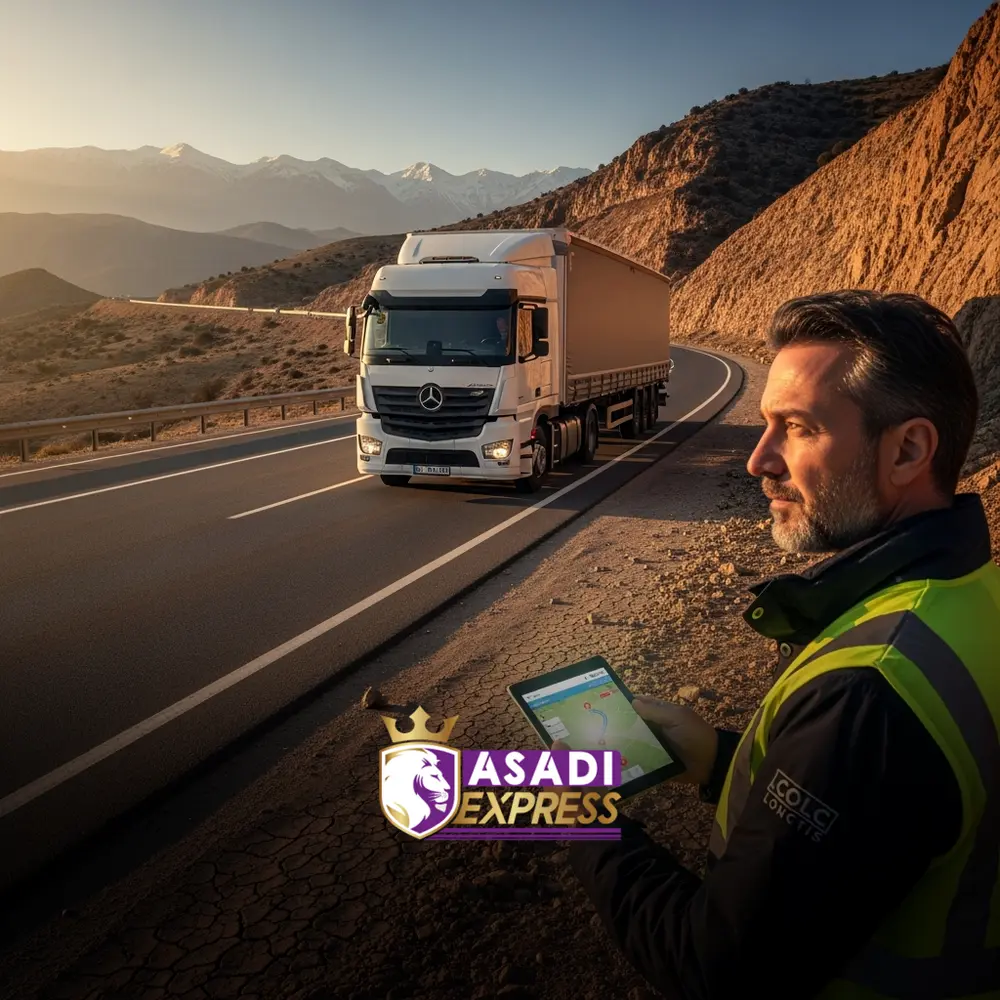
In the modern era, Commercial Freight Experts: Turkey to Iran must utilize advanced technology to remain competitive. This includes GPS tracking for trucks, digital documentation platforms to speed up customs, and AI-driven route optimization. For a shipping company in Dubai, providing clients with a digital dashboard where they can see the exact location of their cargo—whether it’s in a warehouse in Istanbul or a truck crossing into Iran—is no longer a luxury; it is a requirement.
These technological investments reduce human error and provide transparent communication between the shipper, the forwarder, and the consignee. In the context of Turkey-Iran trade, where border wait times can be unpredictable, having real-time data allows businesses to adjust their expectations and manage their operations accordingly.
Frequently Asked Questions
What is the average transit time for land freight from Turkey to Iran?
Typically, land freight from Istanbul to Tehran takes between 5 to 8 days, depending on customs clearance times at the border and weather conditions. Commercial Freight Experts: Turkey to Iran can often expedite this through pre-filed documentation and efficient border handling.
Do I need an import license to ship commercial goods to Iran?
Yes, most commercial goods require an import license and registration with the Iranian Ministry of Industry, Mine, and Trade. A professional logistics company can guide you through the “Saban” system and ensure all regulatory requirements are met before the shipment leaves Turkey.
Can I ship refrigerated goods (reefer cargo) on this route?
Absolutely. Specialized reefer trucks are available for perishable items like food, chemicals, and pharmaceuticals. These vehicles maintain a constant temperature throughout the journey from Turkish producers to Iranian distributors.
How are shipping costs calculated for Turkey to Iran freight?
Costs are generally based on the weight and volume of the cargo (chargeable weight), the type of goods, the chosen mode of transport (land vs. air), and any additional services like insurance or door-to-door delivery. Requesting a quote from a Asadi Express Cargo representative is the best way to get an accurate estimate.
Is insurance mandatory for international shipments between Turkey and Iran?
While not always legally mandatory, it is highly recommended. Cargo insurance protects your investment against theft, damage, or loss during transit. Given the geographical terrain and the value of commercial shipments, insurance is a standard part of any professional freight forwarding package.
Conclusion: Choosing Your Logistics Partner
Navigating the trade routes of the Middle East requires a partner that combines local knowledge with global standards. For those seeking Commercial Freight Experts: Turkey to Iran, the choice of logistics provider can make the difference between a thriving international business and a logistical nightmare. By focusing on strategic hubs like Istanbul, Tehran, and Dubai, and utilizing a mix of land, air, and sea solutions, businesses can overcome the challenges of cross-border trade.
Asadi Express Cargo stands ready to support your commercial ambitions with tailored logistics solutions that span the entire region. From cargo services in Dubai to specialized freight from Turkey to Iran, our team ensures your goods are handled with the highest level of professionalism. Whether you are shipping to Abu Dhabi, Muscat, or Shiraz, we provide the connectivity you need to grow in today’s competitive market. Contact us today to learn how we can optimize your supply chain and provide the reliable shipping services your business deserves.
More articles