





Experience Excellence: Asadi Express Logistics
The heat radiating off the tarmac at Dubai International Airport in mid-August is enough to make a seasoned logistics coordinator rethink their career choice. I remember standing near the cargo bays, watching ground crews maneuver palletized electronics destined for Tehran while the temperature gauge hit forty-eight degrees Celsius. That specific efficiency, the ability to maintain a cold chain or protect fragile goods under such brutal conditions, defines whether a shipment succeeds or sits rotting in a storage hangar. True logistics excellence in the Middle East is not about fancy software or marketing jargon. It is about understanding the geography of the Gulf, the bureaucratic nuances of border crossings between Iran and Oman, and the reality that transit times are often dictated by forces far beyond a simple shipping schedule.
Navigating the complex trade lanes of the Middle East requires more than just trucks and ships. You need a deep knowledge of the distinct regulatory environments found in Dubai, Istanbul, and Shiraz. Many companies attempt to manage these routes without local boots on the ground, only to find their cargo stuck in limbo because of a minor error in a packing list or a misinterpretation of regional transit regulations. Consistency is the primary currency here, and those who survive the volatile market fluctuations are the ones who prioritize reliability over the lowest possible quote. Logistics in this region demands a blend of patience and aggressive problem-solving.
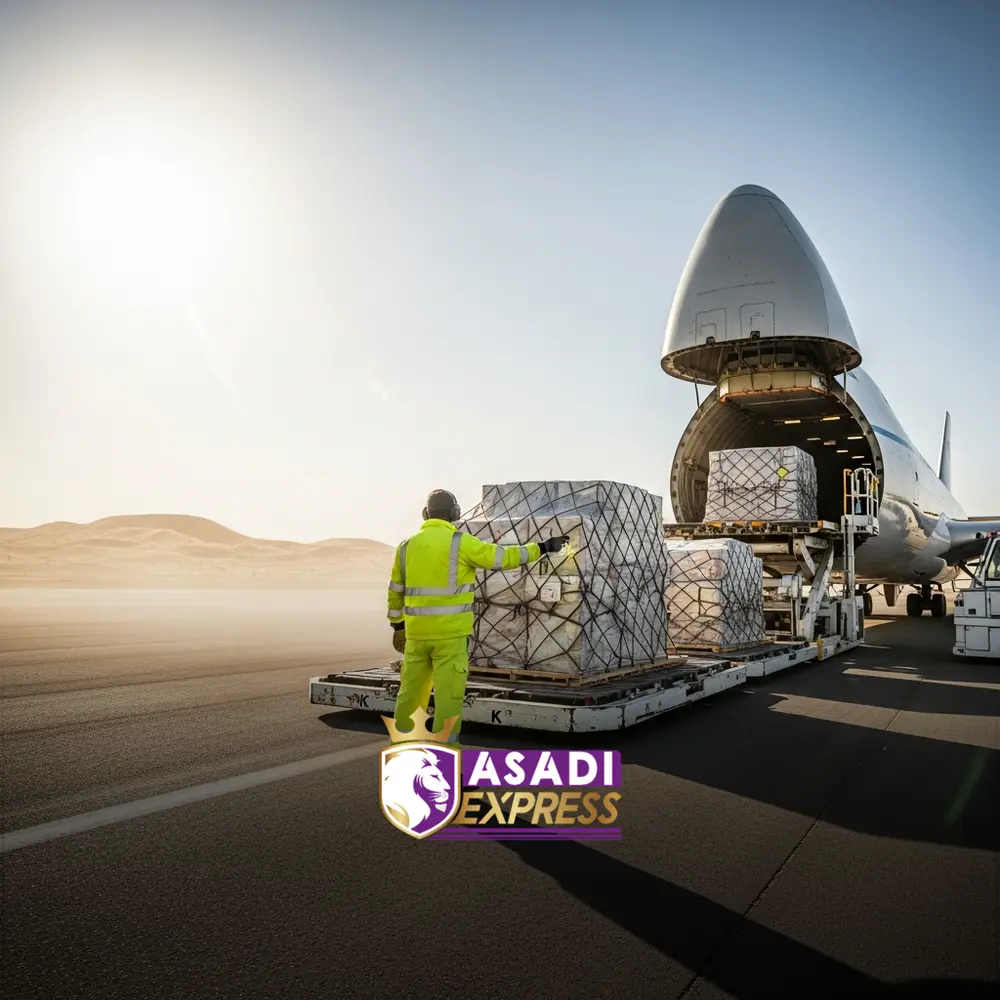
Mastering Middle East Freight Dynamics
Moving goods across these borders involves a meticulous dance between air, sea, and land infrastructure. When you look at the flow of commerce from the bustling markets of Istanbul to the distribution centers in Sharjah, you are dealing with a chain that stretches across disparate political and economic zones. A successful delivery starts with the documentation phase, where even a single incorrect digit on an airway bill can stall a shipment for days at a customs checkpoint. You must plan for the worst-case scenario, such as a sudden shift in port congestion at Jebel Ali or unexpected documentation requirements at the border of Iran and Turkey.
In my years arranging shipments between Tehran and Dubai, I have learned that the most effective strategy is to stay light on your feet. You might start a project planning for ocean freight, only to realize that an urgent inventory shortage demands a sudden shift to air cargo to keep a retail operation afloat in Abu Dhabi. Understanding these variables allows a logistics partner to steer a shipment around potential disasters. This flexibility is what separates professional operations from those that simply act as brokers. Reliable air freight forwarding services become the backbone of any firm needing to react to the high-speed demands of the modern trading environment between UAE and international hubs.
The Reality of Iran to UAE Cargo Routes
I recall visiting a small warehouse in the outskirts of Tehran where the owner was trying to move high-value textiles to a retail partner in Dubai. The level of anxiety in the room was palpable because the shipment represented their entire quarterly revenue. The challenges of shipping from Iran to the UAE are legendary, involving complex banking hurdles and strict adherence to shifting customs protocols. It is not enough to simply load a truck and hope for the best. You require a partner who understands the legal framework of both countries to ensure that the transition from a land transport vehicle in Iran to a sea vessel in a regional port goes off without a glitch.
The transit duration is another factor that businesses often underestimate when dealing with regional cross-border trade. While the geographical distance might appear manageable on a map, the reality on the ground includes lengthy inspections and mandatory documentation checks that can add significant time to the transit. For companies that are scaling, integrating shipping between Iran and Dubai into their core operations requires a predictable, repeatable process. Consistency in timing is usually more important than absolute speed, as it allows for better inventory planning and cash flow management for the businesses involved.
Optimizing the Turkey to UAE Trade Lane
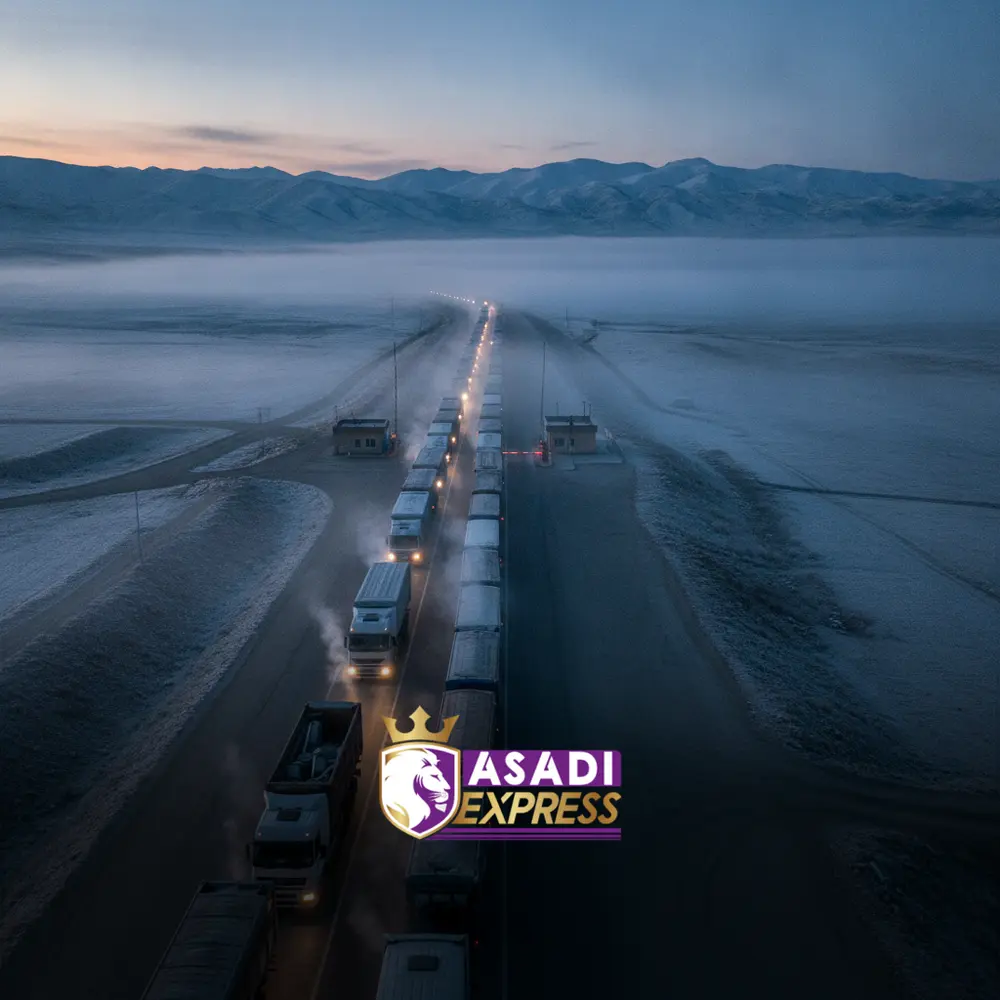
The highway stretches between Istanbul and the Gulf, cutting through mountains and borders that test the endurance of even the best heavy-duty transport fleets. When you look at the cargo coming out of Turkey, you see everything from machine parts and raw industrial materials to luxury consumer goods. Managing this volume requires a sophisticated approach to land transportation that accounts for driver fatigue, vehicle maintenance, and the seasonal changes in regional weather that can impact travel times significantly. A broken axle in a remote region can cascade into a missed deadline for a major construction site project in Dubai.
For firms moving large, bulky equipment or sustained volumes of inventory, the focus shifts toward cost efficiency and security. Asadi Express Cargo has refined these routes by establishing clear communication channels that span from the loading dock in Turkey to the final delivery in a warehouse in Sharjah. It is the small details that make the difference here. Proper wrapping of pallets to survive the long haul on a trailer, securing loads against the vibrations of rugged mountain roads, and having a plan for vehicle swaps at borders are all mandatory for success. When these elements align, the transit becomes a systematic operation rather than a logistical headache.
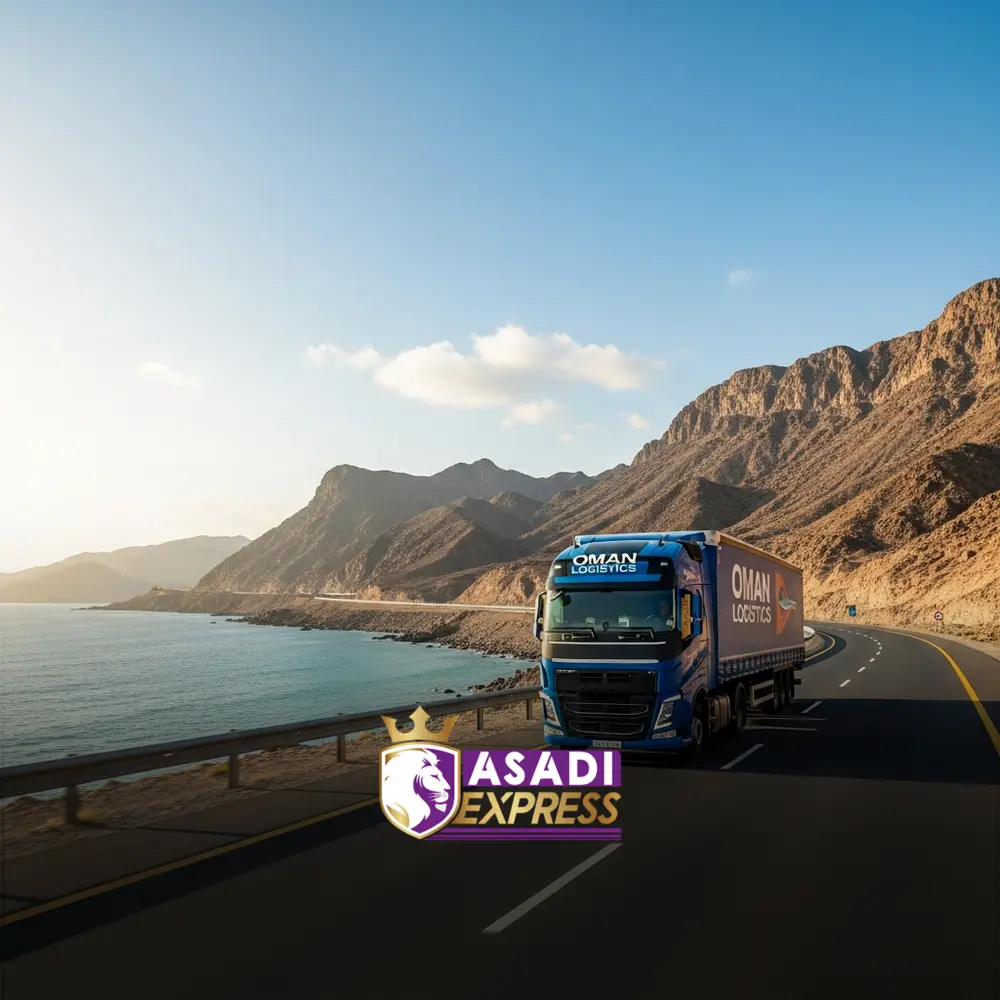
Expanding Operations to Oman
Logistics in Oman presents a unique landscape that is distinct from the high-speed race of Dubai. Whether you are moving cargo from Muscat into the interior or coordinating shipments coming across the border from the UAE, the pace requires a different mindset. The market here is increasingly vital for trade, acting as a gateway for many who want to diversify their supply chains away from the traditional bottlenecks found in other regional ports. Shipping between Dubai and Oman is a route that rewards those who invest in local partnerships and deep knowledge of the coastal transit routes.
Working with experts who handle shipping between Dubai and Oman allows companies to scale their footprint without worrying about the underlying infrastructure. It is critical to recognize that Oman’s regulatory environment has evolved significantly over the last few years, favoring those who are transparent and diligent with their customs paperwork. For an exporter, this means that your cargo moves faster and with fewer inspections if your declarations are accurate and timely. This is the difference between a shipment that arrives on Tuesday morning and one that stays in the port until the following week.
Building Reliable Global Supply Chains
Global trade is inherently messy. Every container move involves a web of entities, from port operators and customs officials to drayage companies and last-mile delivery teams. The challenge for any business in Dubai or Tehran is to distill this chaos into a manageable schedule. Asadi Express Cargo acts as the bridge that manages these external complexities, allowing the client to focus on their actual business goals. It is the ability to handle the unexpected, like a port closure or a sudden change in duty rates, that proves a logistics partner is truly valuable to your operations.
If you are exploring ways to streamline your global logistics, it is worth looking into the broader capabilities of a comprehensive shipping company in Dubai. Many businesses start with a single lane, such as importing electronics from China, and then expand into regional distribution as their confidence grows. This growth trajectory is only possible if you have a partner that understands your long-term vision. Efficiency in logistics is a compound interest. Each successful shipment creates more data and better processes for the next one, ultimately lowering your overhead and increasing your market competitiveness over time.
Common Questions About Middle East Freight
How do I know if I should use air freight or sea freight for my cargo? It really comes down to your margin and the urgency of the goods. If you are shipping high-value electronics from China, the inventory carrying cost usually justifies the expense of air transit. For bulk construction materials or heavy machinery, sea freight is the only logical path because the cost difference is massive. Most clients we work with use a hybrid approach where base stock comes via sea and smaller, urgent replenishments come via air.
What are the biggest challenges with customs clearance in this region? The primary issue is almost always incomplete or inconsistent paperwork. Customs authorities are very strict about the accuracy of descriptions, weights, and values. If the documentation does not match the physical contents of the container exactly, you will face delays and potential fines. We spend a significant amount of time helping clients get their documentation right before the cargo even leaves the origin port, which is the best way to ensure smooth sailing through clearance.
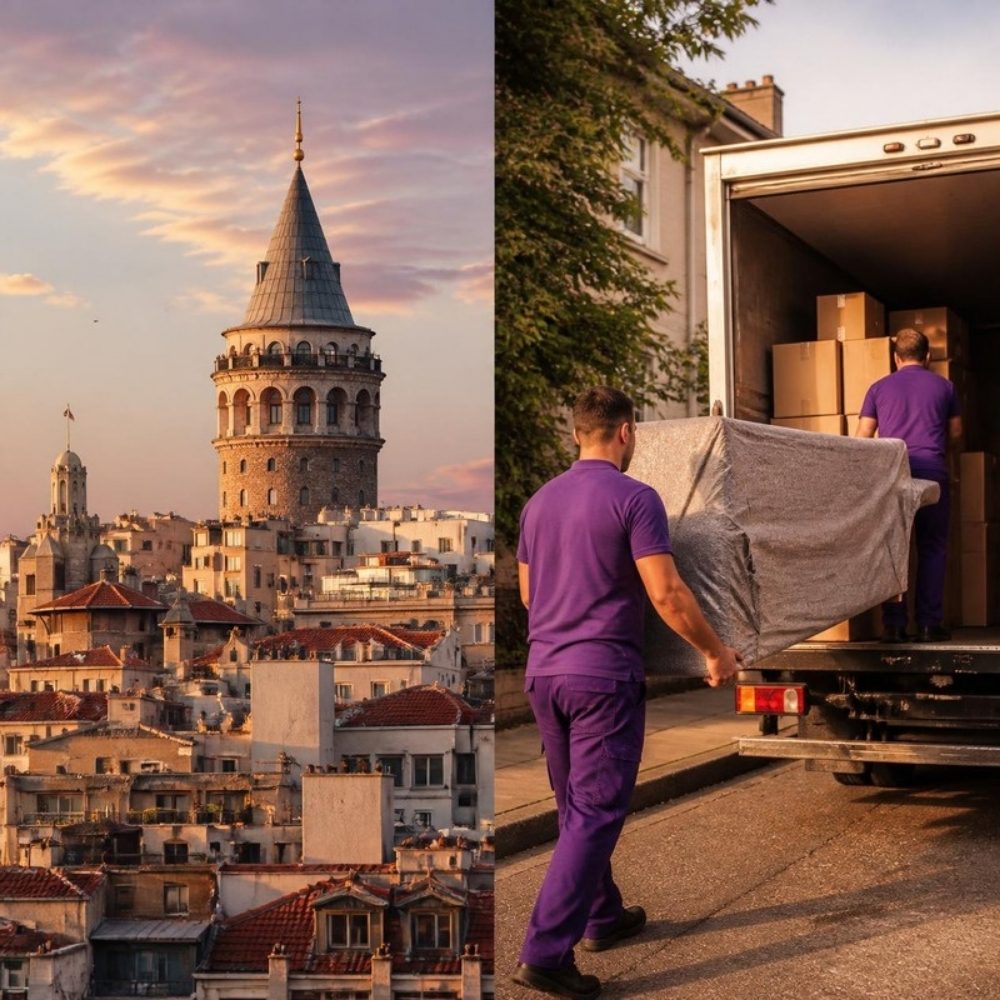
Can you handle household goods moving between countries? Yes, this is a specialized field that requires a completely different approach than commercial freight. Moving household items like furniture and personal effects across borders requires meticulous packing and high levels of protection to prevent damage during transit. It is a service that focuses on peace of mind and safety for the owner, whereas commercial logistics is entirely focused on throughput and cost-to-weight ratios.
Why do transit times vary so much for the same route? Even if the distance is identical, seasonal traffic at border crossings, port congestion in places like Jebel Ali, and the specific vessel schedule all play a role. We always advise clients to build a buffer into their supply chain to account for these unpredictable factors. It is far better to have your goods arrive two days early than to have a manufacturing line stop because a ship was delayed by a storm or a port strike.
Working with a professional firm is the best way to handle the intricacies of modern regional logistics. Whether you are dealing with a small personal shipment or large-scale corporate supply chains, the fundamental principles of preparation and clear communication remain the same. The logistics landscape is constantly shifting, but with the right team and a proactive mindset, you can navigate it effectively. Reach out to our logistics consultants to audit your current shipping lanes and identify exactly where you can save time and money on your next major move.
More articles