







Fast Cargo: Istanbul to Tehran Hub
The movement of goods between major commercial centers in the Middle East and Eurasia requires a sophisticated network of transportation professionals. At the heart of this network lies the “Fast Cargo: Istanbul to Tehran Hub” corridor, a vital link connecting the industrial might of Turkey with the growing consumer markets and transit potential of Iran. This route serves as a gateway for global trade, enabling businesses to bridge the gap between Europe and the Persian Gulf with unprecedented efficiency. Whether it involves raw materials for manufacturing or high-demand consumer electronics, the logistics infrastructure surrounding this hub is designed to minimize delays and maximize security.
In the modern global economy, speed is a competitive advantage. The Fast Cargo: Istanbul to Tehran Hub utilizes a combination of road, rail, and air transit to ensure that shipments reach their destination within strict timelines. As trade volumes between Turkey and its neighbors continue to rise, the importance of having a reliable logistics company in Istanbul cannot be overstated. By leveraging strategic geographic positioning, these hubs facilitate smoother customs transitions and offer integrated warehousing solutions that cater to both local and international enterprises.
The Strategic Significance of the Istanbul-Tehran Trade Route
The geographical proximity of Turkey and Iran has historically positioned them as natural trading partners. However, in the 21st century, this relationship has evolved into a high-tech logistics operation. Istanbul acts as the primary collection point for goods originating from across Europe, while Tehran serves as the central distribution node for the Iranian domestic market and a transit point for further shipments into the GCC. For many businesses, establishing a connection through the Fast Cargo: Istanbul to Tehran Hub is the most cost-effective way to manage regional supply chains.
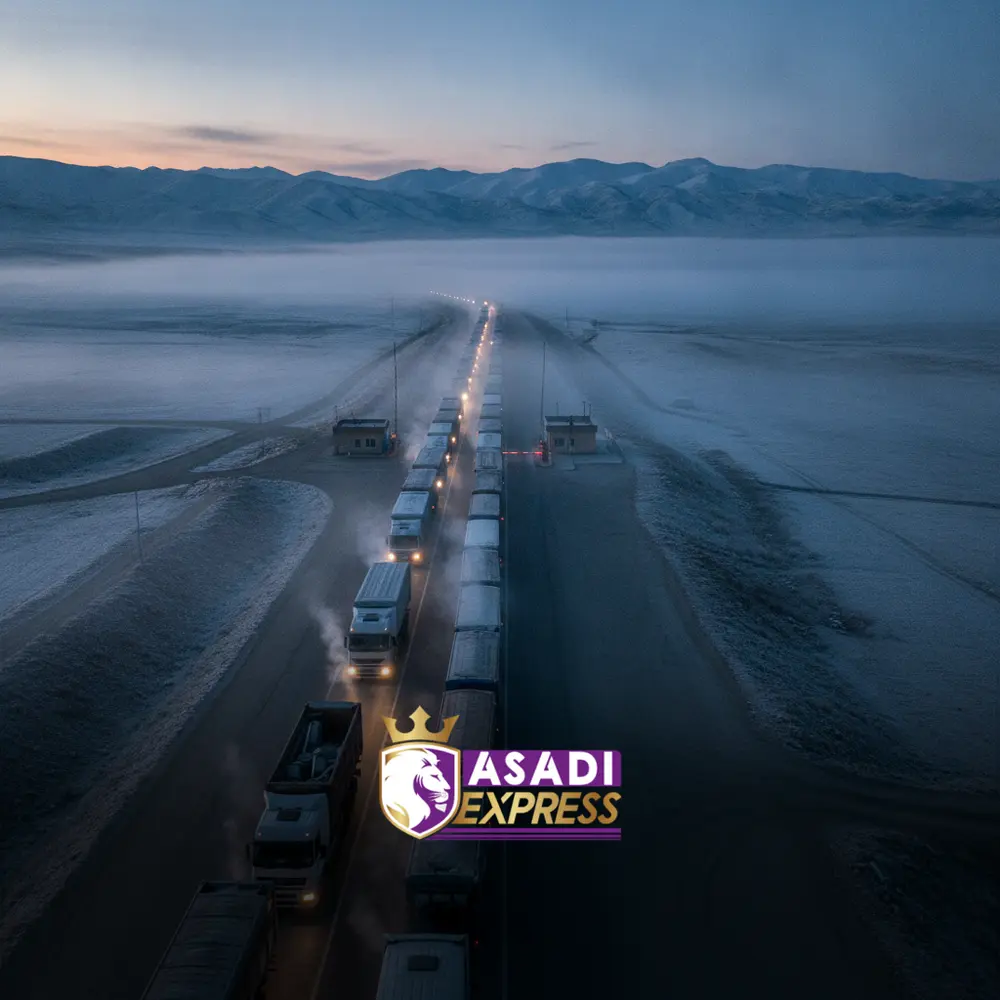
Operating a shipping between Iran and Turkey service requires deep knowledge of border regulations and seasonal transit variations. During peak trade periods, the land border crossings at Bazargan and Gurbulak see thousands of trucks daily. To avoid bottlenecks, specialized freight forwarders implement advanced tracking and pre-clearance documentation, ensuring that the “fast cargo” designation remains a reality rather than just a marketing slogan. This efficiency is critical for time-sensitive industries such as textiles, automotive parts, and perishables.
Multi-Modal Transport Options
To maintain the integrity of the Fast Cargo: Istanbul to Tehran Hub, logistics providers offer various modes of transport. Road freight remains the most flexible option, allowing for leading regional shipping solutions that deliver directly to warehouse doors. However, for those requiring even tighter schedules, air freight and sea freight UAE connections often intersect with this route. A shipment might travel by road from Istanbul to Tehran, only to be redirected via air to Dubai or Sharjah for global redistribution.
Rail transport is also gaining traction as a sustainable and high-capacity alternative. The Trans-Asia Railway project aims to further solidify the Istanbul-Tehran link, offering a middle ground between the speed of air travel and the affordability of road transport. For heavy industrial equipment or bulk commodities, rail provides a stable platform that is less susceptible to weather-related road closures in the mountainous regions separating the two nations.
Dubai and the UAE: The Pivotal Third Pillar of Middle East Logistics
While the focus is often on the direct link between Turkey and Iran, the United Arab Emirates plays an indispensable role in the wider regional logistics landscape. Many goods passing through the Fast Cargo: Istanbul to Tehran Hub are destined for the UAE or use Dubai as a re-export base. Finding a reputable shipping company in Dubai is often the final step for businesses looking to penetrate the Arabian Peninsula. The synergy between Istanbul’s industrial output and Dubai’s world-class ports creates a powerful trade triangle.
Asadi Express Cargo understands the nuances of these cross-border movements, providing specialized services that connect Anatolian manufacturing with the bustling markets of the Emirates. From cargo services in Dubai to complex freight forwarding UAE operations, the integration of these routes allows for seamless transit. This is particularly relevant for cargo from Tehran to Dubai, where documentation accuracy is paramount to avoid delays at Jebel Ali or Dubai World Central.
Cargo Services in Abu Dhabi and Sharjah
The demand for efficient logistics extends beyond Dubai. Abu Dhabi, with its growing industrial zones like KIZAD, and Sharjah, known for its busy air cargo hubs, are essential components of the UAE shipping network. Businesses often require door to door cargo UAE services that can handle the final mile delivery from Tehran-originated shipments. By utilizing a central hub in Tehran, providers can consolidate goods and then distribute them across the different Emirates, optimizing truck space and reducing overall shipping costs for the end-user.
Key Logistics Advantages in the UAE:
1. Advanced infrastructure and automated port handling.
2. Strategic location between East and West.
3. Favorable free zone regulations for re-exporting goods.
4. High-frequency air freight and sea freight UAE schedules.
Fast Cargo: Istanbul to Tehran Hub for E-commerce and Retail
The rise of digital marketplaces has transformed the Fast Cargo: Istanbul to Tehran Hub into a critical artery for e-commerce. Consumers in Tehran and other major Iranian cities like Shiraz frequently seek out Turkish-made fashion and home goods. Conversely, Turkish businesses are increasingly looking toward the Gulf for luxury items and technology. The speed of delivery is the primary factor influencing customer satisfaction in this sector.
Logistics providers have responded by developing priority air cargo services that can move parcels from an Istanbul warehouse to a Tehran doorstep in as little as 48 to 72 hours. This “express” capability is what defines the modern hub. It involves not just the physical movement of goods, but also the digital integration of tracking systems, allowing customers in the UAE, Iran, and Turkey to monitor their shipments in real-time. This transparency is vital for maintaining trust in cross-border trade.
Shipping from Shiraz to UAE
While Tehran is the primary hub, other Iranian cities play significant roles. For example, shipping from Shiraz to UAE is a common requirement for agricultural exports and traditional handicrafts. Shiraz’s proximity to the Persian Gulf ports makes it an ideal exit point for maritime cargo heading toward Dubai or Muscat. This regional diversity ensures that the logistics network is resilient and capable of handling various types of cargo, from heavy machinery to delicate saffron shipments.
Specialized Cargo and Moving Services
Not all shipments are commercial. The Fast Cargo: Istanbul to Tehran Hub is also used extensively by individuals and families. Whether it is an expatriate moving for work or a student relocating, the need for relocating personal effects across borders is a constant demand. Handling household goods requires a different level of care compared to standard industrial freight. It involves professional packing, detailed inventorying, and a sensitive approach to customs declarations for used items.
Asadi Express Cargo offers tailored solutions for these personal moves, ensuring that furniture, electronics, and sentimental items are protected throughout the journey from Istanbul to Tehran and beyond. These services often include door to door cargo UAE options, where the logistics provider manages everything from the initial pick-up in Turkey to the final assembly in a new home in Dubai or Abu Dhabi. This comprehensive approach removes the stress of international relocation for thousands of families every year.
Industrial and Heavy Lift Cargo
At the other end of the spectrum is the movement of oversized and heavy-lift cargo. The energy and construction sectors in both Turkey and Iran frequently require the transport of massive components that cannot fit in standard containers. The Fast Cargo: Istanbul to Tehran Hub infrastructure includes specialized low-bed trailers and heavy-duty cranes capable of managing these loads. Expert freight forwarding UAE firms often coordinate these movements, ensuring that all permits for wide-load transit are obtained across multiple jurisdictions.
The Oman Connection: Extending the Reach to Muscat
The logistics strategy of the Middle East is not complete without mentioning the Sultanate of Oman. As part of a broader regional vision, the route from Istanbul through Tehran often extends southward to the Omani ports. Cargo services Muscat Oman have become increasingly popular as an alternative entry point to the GCC, offering a strategic bypass to the occasionally congested Strait of Hormuz. For many international traders, shipping via Oman provides an extra layer of security and logistical flexibility.
Developing logistics from Istanbul to the GCC through the Tehran hub allows for a multi-faceted distribution strategy. A business can send a large shipment to Tehran, split it, and send portions to Dubai, Muscat, and Tehran simultaneously. This “hub and spoke” model is the pinnacle of modern supply chain management, reducing the need for multiple long-distance shipments and allowing for more localized inventory control.
Navigating Customs and Regulatory Frameworks
The primary challenge in any international cargo operation is the complexity of customs. The Fast Cargo: Istanbul to Tehran Hub operates across different regulatory environments, each with its own set of tariffs, prohibited items, and documentation standards. A successful shipping company in Dubai or Istanbul must maintain a dedicated customs brokerage team to navigate these hurdles. Without correct paperwork, even the fastest truck or plane will be delayed at the border.
Key documents typically required include:
- Commercial Invoice and Packing List.
- Certificate of Origin.
- Bill of Lading or Air Waybill.
- Insurance Certificates.
- Special permits for restricted goods (chemicals, electronics, etc.).
By centralizing these processes within the Tehran hub, logistics providers can offer a “cleared and delivered” service, where the client pays a single fee that covers all duties and taxes. This simplicity is a major draw for small and medium-sized enterprises (SMEs) that may not have their own internal logistics departments.
Why Efficiency Matters in Middle East Logistics
The Middle East is a region of rapid growth but also significant complexity. Efficiency in the Fast Cargo: Istanbul to Tehran Hub means more than just speed; it means reliability. When a construction project in Sharjah depends on components coming from Turkey, or a retail chain in Abu Dhabi needs the latest seasonal inventory, any delay can have a massive financial ripple effect. This is why choosing a trusted logistics partner is the most important decision a supply chain manager can make.
Asadi Express Cargo has built a reputation on its ability to handle these high-pressure scenarios. By maintaining a presence in both Istanbul and Tehran, as well as the major UAE hubs, they provide a continuous chain of custody for every shipment. This end-to-end control is the hallmark of a premier logistics company in Istanbul and is what allows the “Fast Cargo” promise to be fulfilled daily.
Frequently Asked Questions
1. How long does shipping take from Istanbul to Tehran?
For standard road freight, the journey typically takes between 5 to 7 days, depending on customs clearance at the border. However, our Fast Cargo: Istanbul to Tehran Hub service offers express air options that can reduce this time to 2-3 days for urgent shipments.
2. Can you handle door-to-door delivery from Turkey to the UAE?
Yes, we specialize in door to door cargo UAE services. We can pick up goods from any location in Istanbul or other Turkish cities and deliver them directly to your specified address in Dubai, Abu Dhabi, or Sharjah, handling all transit and customs requirements in between.
3. What types of goods can be shipped through the Tehran hub?
We handle a wide variety of cargo, including commercial merchandise, industrial machinery, spare parts, textiles, and personal household items. We also provide specialized handling for shipping from Shiraz to UAE for agricultural and fragile goods.
4. Do you provide insurance for international shipments?
Absolutely. We highly recommend cargo insurance for all international movements. We offer various insurance tiers to protect your investment against unforeseen circumstances during transit across the Fast Cargo: Istanbul to Tehran Hub.
5. How do I track my shipment?
Every shipment is assigned a unique tracking number. Our digital platform allows you to monitor the status of your cargo as it moves through Istanbul, across the border, into the Tehran hub, and finally to its destination in the UAE or Oman.
Conclusion: Your Gateway to Seamless Middle East Trade
The Fast Cargo: Istanbul to Tehran Hub is more than just a transportation route; it is the backbone of trade for thousands of businesses across Turkey, Iran, and the UAE. By combining local expertise in Tehran and Istanbul with a robust presence in Dubai and Muscat, logistics providers have created a system that is resilient, fast, and cost-effective. In an era where the global supply chain is constantly tested, having a reliable partner who understands the intricacies of freight forwarding UAE and the unique challenges of the Iranian market is essential.
Whether you are shipping industrial bulk, e-commerce parcels, or relocating your entire home, the right infrastructure makes all the difference. Asadi Express Cargo remains committed to bridging these borders, ensuring that your goods are delivered with the care and speed they deserve. Contact us today to receive a customized quote and discover how we can optimize your shipping route from Turkey to the heart of the Middle East. Let us handle the complexity while you focus on growing your business in the region’s most dynamic markets.
More articles