






Navigating Global Trade: Istanbul to Oman Logistics
The narrow, crowded streets of Istanbul’s Laleli district are buzzing with activity long before dawn, where textile traders haggle over bolt counts for shipments heading to the Gulf. I once stood in a warehouse near the Zeytinburnu district, watching crates being tagged with labels for Muscat, while the drivers checked their manifests against the upcoming border crossing schedules. That specific energy defines the movement of goods between Turkey and the Sultanate of Oman. It is a calculated dance involving multiple transit points, customs formalities, and a deep understanding of the diverse terrain stretching from the Bosphorus to the shores of the Arabian Sea.

The Evolution of Turkey to Oman Freight Routes
In my years arranging shipments between Tehran and Dubai, I have seen how the corridor through the Middle East has hardened into a reliable, albeit complex, logistics backbone. Turkey acts as a massive manufacturing hub, and Oman has rapidly emerged as a critical entry point for the wider Gulf region. Moving cargo from Istanbul involves more than just loading a truck; it requires navigating the intricate political and geographical layers of Iran and the UAE. Most operators now prefer a combination of road transport through Iran followed by a ferry connection to reach the Omani ports. This route has become the standard for companies aiming to balance speed against the high cost of pure air freight.
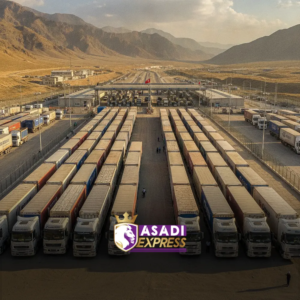
The transit times vary significantly based on the cargo volume and the chosen border crossings. A standard full truckload usually makes the journey in roughly ten to fourteen days if the paperwork is clean. However, seasonal fluctuations can impact these timelines, especially during peak demand periods. Effective land transportation management becomes the most vital factor here, as the drivers must be adept at handling the transit documents across multiple sovereign borders. Delays often happen at the Iranian-Turkish border or at the port facilities where cargo must transition from land vehicles to maritime vessels.
Strategic Considerations for Middle East Logistics
When you sit in a shipping office in Dubai or Istanbul, the conversation eventually turns to the reliability of the supply chain. You cannot simply trust a random agent with high-value goods. The geography is unforgiving. Extreme temperatures in the summer months necessitate climate-controlled trailers for sensitive items like electronics or pharmaceuticals. If you are shipping textiles, moisture control is a constant battle during the sea-leg portion of the journey. Experienced agents understand these nuances, ensuring that the packing materials are robust enough to withstand both the heat and the constant vibration of long-haul travel.
Customs clearance is the silent killer of project timelines. Each country in the transit chain has its own set of requirements, import restrictions, and tariff structures. A documentation error in Istanbul can lead to a truck sitting idle at the Bazargan border for days, incurring massive detention fees. This is why many traders prefer utilizing a freight forwarding entity that maintains a consistent presence along the route. By managing the flow of information as strictly as the flow of physical goods, the logistics provider minimizes the likelihood of getting flagged by local authorities. Constant communication with the customs brokers at each border is simply part of the daily operating procedure.
Personal Cargo and Household Moving Challenges
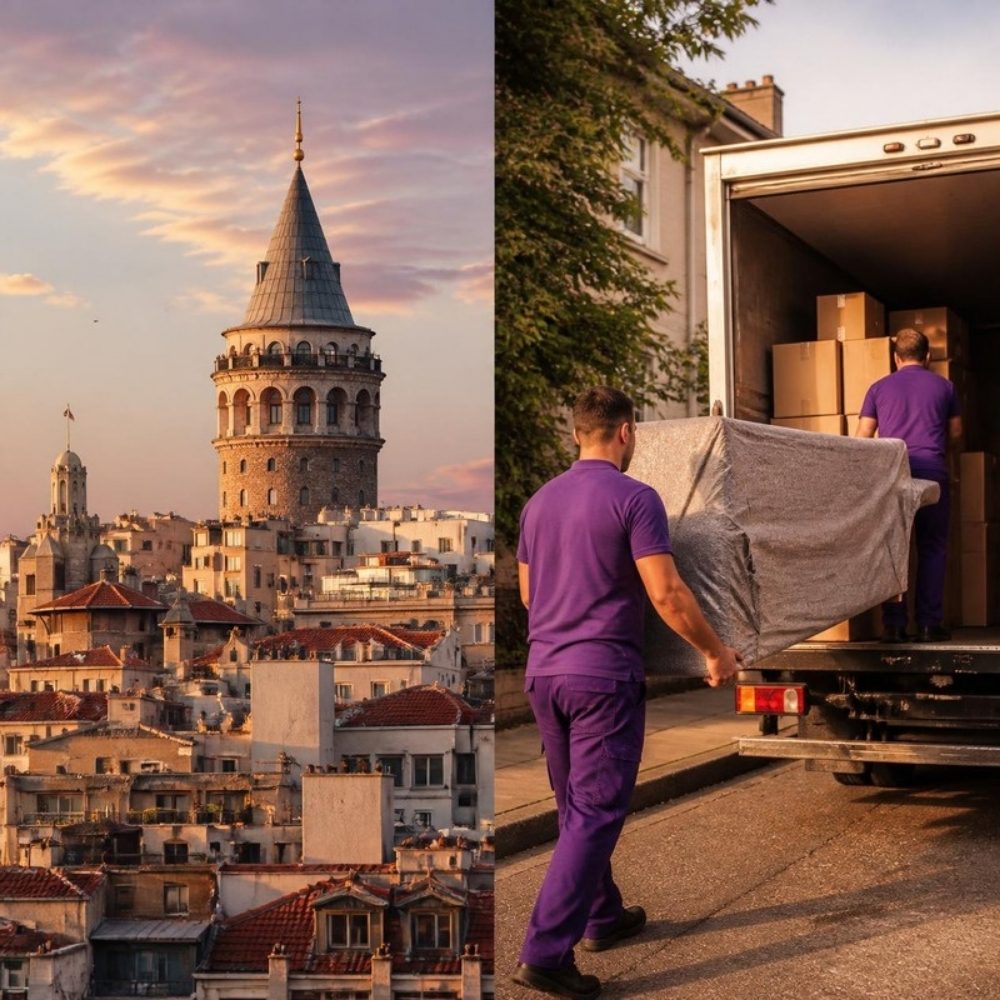
Moving a household from the historic apartments of Istanbul to the modern villas of Muscat presents a unique set of hurdles. Unlike commercial trade, where standardized pallets rule the day, residential moves involve fragile items, sentimental pieces, and irregular furniture shapes. You need a team that understands how to crate a grand piano or wrap delicate antique lighting so it survives a three-thousand-kilometer journey across varied road conditions. It is not just about moving boxes; it is about ensuring that the life you are transporting remains intact upon arrival.
For those looking to relocate or send personal effects, it is helpful to look into specialized household moving services that understand these regional routes. There is a peace of mind that comes with knowing the carrier has specific experience with the specific customs regulations of the destination country. You should always obtain a detailed inventory list and ensure that the insurance coverage reflects the actual market value of your belongings. Do not settle for generic shipping advice when your personal items are at stake.
Commercial Freight: From Manufacturing Hubs to Gulf Markets
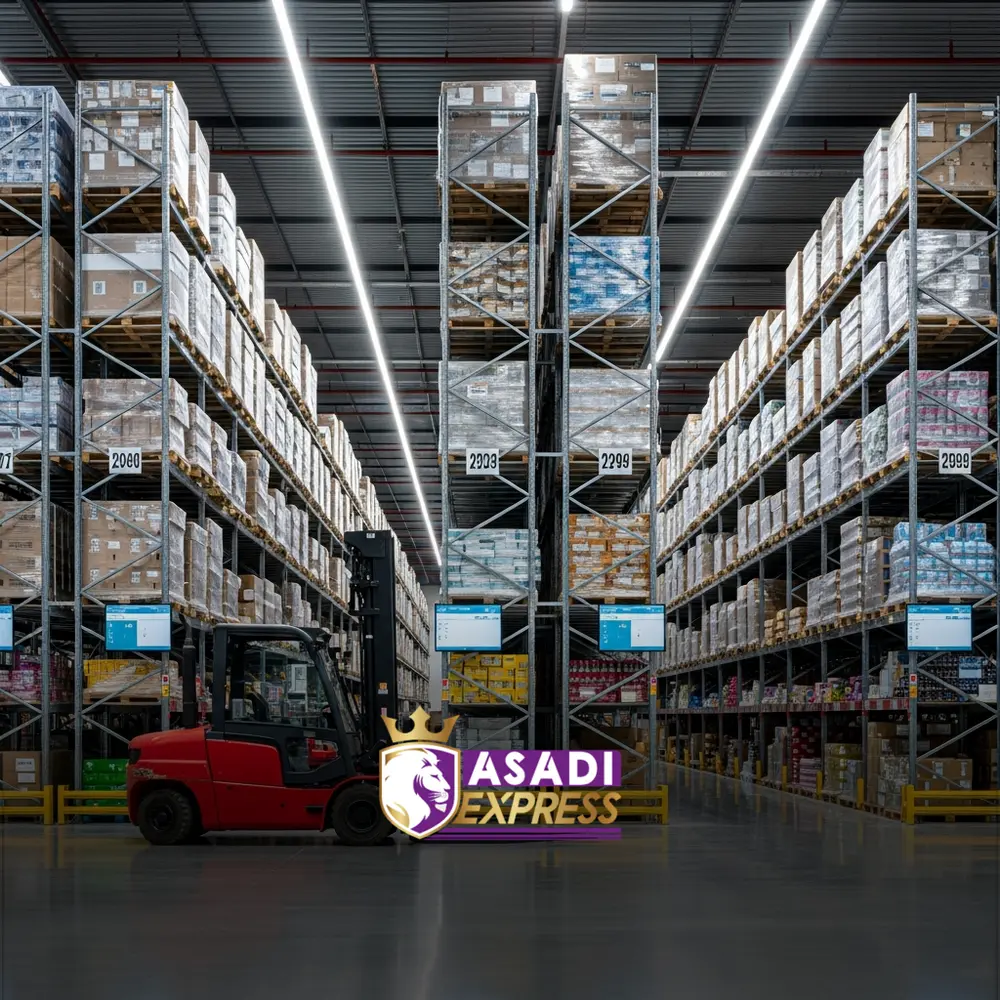
The manufacturing sector in Turkey has become the primary source for retail goods appearing in Omani shops. From construction materials to consumer electronics, the volume of exports is consistently high. However, the profitability of these trades depends entirely on the efficiency of the freight forwarding process. A well-managed supply chain ensures that goods reach the warehouse shelves just in time for market demand cycles. If the flow breaks, the business stops. This is where Asadi Express Cargo steps in to bridge the gap, leveraging established routes to keep the goods moving regardless of the geopolitical noise that sometimes permeates the region.
For businesses scaling their operations, identifying the right shipping modality is key. While air freight is faster, the costs can become prohibitive for heavy industrial machinery. Sea freight offers the most economical solution for bulk cargo, though it requires longer planning cycles. A balanced strategy often incorporates both, keeping essential stock flowing via trucks and sea, while urgent inventory or high-margin products travel via air. Selecting the right air freight forwarding options allows companies to react to sudden surges in demand in the Omani market without needing to hold massive levels of safety stock in expensive warehouses.
Regional Hubs: Why the Dubai Connection Matters
No discussion about shipping between Turkey and Oman is complete without acknowledging the role of the UAE. Dubai serves as the ultimate logistics nexus for the entire Middle East. Often, cargo moving from Istanbul will route through Jebel Ali, where it is consolidated, palletized, and then shipped across to Muscat via sea or land. The efficiency of the port facilities in the UAE is world-class, making them an ideal stopping point for re-exporting goods to the wider region. It is standard practice to treat Dubai as a secondary distribution hub rather than just a transit point.
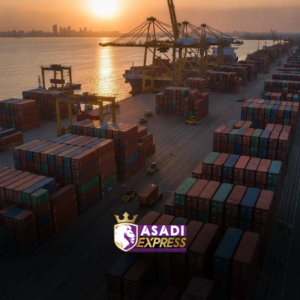
Managing the flow through these ports requires a sophisticated digital tracking system. If you cannot pinpoint your container in the vast yards of the port, you lose control of your supply chain. We often see that importers who integrate their systems with their shipping agents experience far fewer disruptions. The standard procedures used for shipping from China to Dubai often provide a template that companies can adapt for their Turkey-to-Oman routes. These systems emphasize transparency and real-time status updates, which are essential when your capital is tied up in goods sitting on a ship or in a bonded warehouse.
Frequently Asked Questions
What is the most cost-effective way to move cargo from Turkey to Oman? Most of the time, a combined road and sea route is your best bet. You save significantly compared to air freight while avoiding the extreme delays that can sometimes plague purely land-based routes depending on the current geopolitical climate at specific border crossings. We usually suggest this for non-urgent bulk shipments where lead time is somewhat flexible.
How long does it typically take to clear customs in Oman? It really depends on the completeness of your documents. If your certificates of origin and commercial invoices are in perfect order, it can take as little as forty-eight hours. However, if there are discrepancies in your description of the goods or your valuation, it can easily extend to a week or more. Having an experienced agent on the ground to manage the interface with local authorities is the best way to keep things moving.
Do I need special insurance for my cargo moving through Iran? Absolutely. Because the transit involves several borders and transit modes, standard policies often have gaps. You should ensure your cargo is covered for the entire journey, including the maritime segments. Asadi Express Cargo provides comprehensive insurance options that address the risks inherent to long-haul Middle Eastern transit, ensuring you are not left out of pocket in the event of an accident or delay.
Can I ship perishables between Turkey and Oman? It is possible, but it requires refrigerated containers and strict management of the cooling system throughout the journey. You need a service provider who can guarantee the continuous power supply or fuel for the cooling units during transit. I always advise my clients to double-check the transit route’s infrastructure before committing to a shipping schedule for perishable goods.
Planning for Future Growth
As the regional market matures, the logistics infrastructure will continue to improve, providing more options for traders. The key to staying competitive is to remain flexible and prioritize partners who understand the local realities of the Middle East. Building a resilient supply chain is an ongoing process of refining routes, vetting new carriers, and keeping a close eye on the regulatory landscape. When you look at the broader services provided by our company, you see the importance of a holistic approach to logistics that handles everything from the initial pickup in a factory to the final delivery at a warehouse door. Reliable logistics is not a mystery; it is simply the result of consistent effort and deep regional expertise.
Start by auditing your current shipping costs and transit times to identify where the bottlenecks are occurring. If you find your cargo frequently delayed at specific borders, it may be time to switch to a route with fewer checkpoints or a partner who has better local representation. Take the initiative today to review your logistics strategy before the next busy season hits. A conversation with our logistics team can help you map out a more efficient path for your future shipments from Istanbul to Muscat, ensuring your goods reach their destination safely and on schedule.
More articles