






Comprehensive Guide: Moving to Tehran and How to Ship Your Furniture Professionally
Relocating to a new city is a monumental life event, and when that city is a bustling metropolis like Tehran, the complexity increases. Moving to Tehran involves navigating unique customs regulations, understanding regional geography, and selecting a logistics partner capable of handling delicate household goods across international borders. Whether you are relocating from the glitzy skyscrapers of Dubai, the historic streets of Istanbul, or the coastal beauty of Muscat, shipping your furniture requires meticulous planning and a deep understanding of Middle East logistics solutions.
Tehran, the heart of Iran, is a city of contrasts where traditional architecture meets modern urban sprawl. For expatriates and returning citizens alike, bringing personal belongings—especially large furniture items—is essential for turning a house into a home. However, the logistics of transporting heavy sofas, antique wardrobes, and fragile dining sets from places like the UAE or Turkey into Iran can be daunting without the right information. This guide provides a deep dive into everything you need to know about moving to Tehran and ensuring your furniture arrives safely and on time.
Understanding the Logistics of Moving to Tehran
The journey of your furniture to Tehran often begins in major regional hubs. If you are currently based in the United Arab Emirates, you are likely looking for cargo services in Dubai or Abu Dhabi to initiate the process. The proximity of the UAE to Iran makes it a primary corridor for household relocations. Similarly, for those residing in Turkey, a logistics company in Istanbul will be your primary point of contact for terrestrial or maritime routes into the Iranian capital.
Moving to Tehran is not just about the distance; it is about the transition between different regulatory environments. Each item, from your bed frame to your kitchen appliances, must be documented correctly to pass through customs without significant delays or unexpected costs. Professional freight forwarders specialize in these routes, offering door to door cargo UAE to Iran services that simplify the experience for the homeowner.
The Role of Geographical Hubs
Logistics in the Middle East relies on strategic nodes. For furniture shipping, the route often involves moving goods through Sharjah or Jebel Ali port in Dubai, then across the Persian Gulf to southern Iranian ports like Bandar Abbas, before being trucked north to Tehran. If you are shipping from Oman, cargo services Muscat Oman offer specialized routes that connect the Sultanate to the Iranian market, often utilizing a mix of sea and land transport.
Choosing the Right Shipping Method: Air Freight vs. Sea Freight
When planning your move, the choice between air and sea freight will be determined by your budget, timeline, and the volume of furniture you possess. Each method has distinct advantages depending on whether you are moving a small apartment or a large villa.
Sea Freight: The Cost-Effective Choice for Large Moves
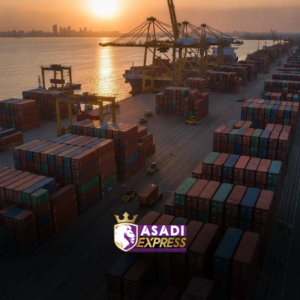
For the majority of people moving to Tehran, sea freight is the most logical choice. Large pieces of furniture occupy significant volume, making air transport prohibitively expensive. By utilizing a shipping company in Dubai, you can book a 20-foot or 40-foot container. Full Container Load (FCL) shipping ensures that your belongings are the only items in the container, providing maximum security. Alternatively, Less than Container Load (LCL) allows you to share space with other shipments, which is ideal if you are only moving a few key pieces of furniture.
Air Freight: Speed and Convenience
If you need your furniture immediately or are only transporting high-value, smaller items, reliable air freight forwarding is the fastest route. While more expensive, it reduces the transit time from weeks to days. This is particularly useful for professionals relocating to Tehran on short notice who need their essential home office or bedroom furniture set up quickly.
Shipping Furniture from Turkey to Tehran: A Growing Trend
In recent years, the route between Turkey and Iran has become increasingly popular for household relocations. Many families choose to purchase high-quality furniture in Istanbul and have it shipped directly to their new homes in Tehran. Asadi Express Cargo has observed a significant rise in demand for specialized transport along this corridor.
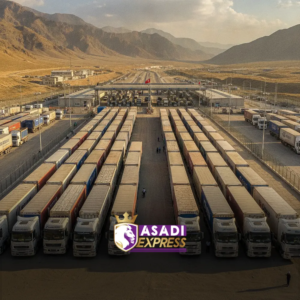
The process of household moving from Turkey usually involves road transport. Large trucks travel from Istanbul or Ankara, crossing the border at Gürbulak-Bazargan, and then proceed directly to Tehran. This land-based route is often more efficient than sea freight for those moving from the northern or western parts of the region. It allows for a more direct “load and go” process, minimizing the number of times your furniture is handled, which in turn reduces the risk of damage.
The Process of Moving Household Goods from the UAE to Iran
The UAE serves as a massive staging ground for regional shipping. When shipping from Shiraz to UAE or vice-versa, the logistics are well-established. For those moving to Tehran, the “UAE to Iran” route is the most common. Here is a breakdown of the typical workflow:
- Survey and Quoting: A representative from a freight forwarding UAE firm visits your home in Dubai, Abu Dhabi, or Sharjah to assess the volume and fragility of your furniture.
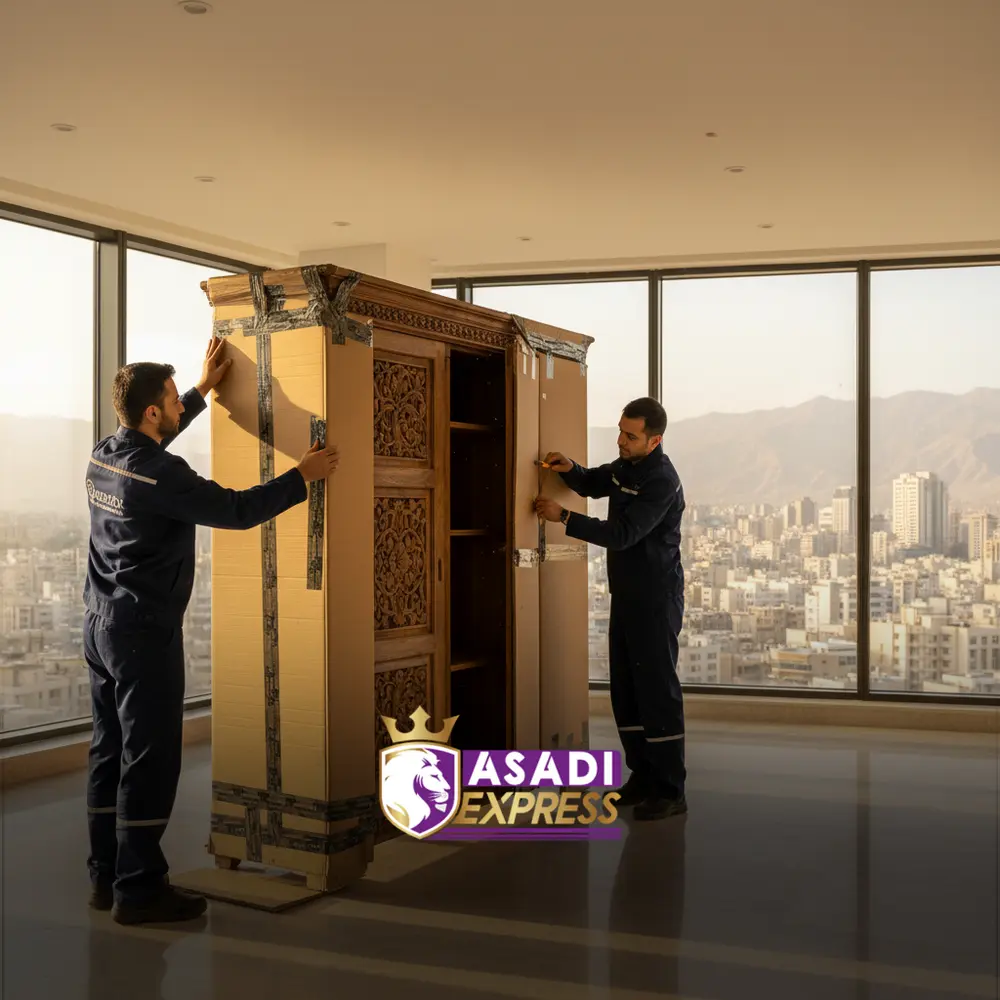
- Professional Packing: Furniture is disassembled and wrapped in multi-layered protective materials. Specialized crates may be built for glass-top tables or delicate antiques.
- Export Documentation: The shipping company handles the paperwork required by UAE customs to export your personal effects.
- Transit: Your cargo is loaded onto a vessel heading to an Iranian port or a truck for the ferry crossing.
- Import Clearance: Once the goods arrive in Iran, they must be cleared through customs, a process that requires the owner’s passport and often a residency permit or proof of relocation.
- Final Delivery: The furniture is transported by road to your new residence in Tehran, where it is unpacked and reassembled.
Using a reputable logistics provider ensures that each of these steps is handled with professional oversight, preventing common pitfalls such as customs impoundment or transit damage.
Essential Documentation and Customs Clearance in Iran
Moving to Tehran requires a clear understanding of Iranian customs laws regarding “Lavazem-e-Manzel” (household goods). Generally, Iranian citizens returning after a period of living abroad and expatriates with valid work permits are allowed to import used household goods duty-free, provided the items have been in their possession for at least six months.
Required Documents
To ensure a smooth transition, you will typically need:
- Original Passport and residence visa.
- A detailed packing list (Inventory) in both English and Persian.
- A Bill of Lading (for sea freight) or Air Waybill (for air freight).
- A letter of authorization for your clearing agent.
It is important to note that certain items, such as alcohol, satellite equipment, or materials deemed contrary to local cultural norms, are strictly prohibited. A professional logistics company in Istanbul or Dubai will provide you with a comprehensive list of restricted items to ensure your container does not face issues at the border.
Packaging and Protecting Your Furniture for Long-Distance Transit
The journey from a warehouse in Sharjah to an apartment in Tehran involves significant movement. Your furniture will experience vibrations, temperature changes, and potentially multiple loading and unloading cycles. High-quality packaging is the only way to mitigate these risks.
Cargo from Tehran to Dubai and the reverse route often involves crossing the sea, where humidity can be a factor. Professional movers use “Export Wrap,” a heavy-duty bubble wrap combined with corrugated cardboard, to protect wooden surfaces from scratches and moisture. For upholstered items, plastic covers are used to prevent dust and stains. When shipping between Iran and Dubai, it is also advisable to use desiccants inside the container to manage humidity levels during the sea crossing.
Specialized Crating
For high-value items, such as Persian marquetry (Khatam-kari) furniture or heavy marble pieces, bespoke wooden crates are essential. These crates provide a rigid outer shell that prevents any external pressure from reaching the item itself. This level of care is what distinguishes premium cargo services in Dubai from standard transport companies.
Real Use Cases: Moving to Tehran
Case Study 1: The Corporate Relocation
A family moving from Abu Dhabi to Tehran for a three-year corporate assignment. They needed to move a full four-bedroom villa’s worth of furniture. By choosing a comprehensive shipping company in Dubai, they utilized a 40-foot container. The logistics provider managed the entire process, including the complex customs clearance at the port of Bandar Abbas, allowing the family to focus on settling into their new life in Tehran.
Case Study 2: Shipping from Turkey
An Iranian expatriate living in Istanbul decided to move back to Tehran. They had acquired several high-end Turkish furniture pieces. Instead of selling them, they used a road-based logistics solution. The furniture was loaded in Istanbul and arrived at their doorstep in Tehran just 10 days later, proving that specialized household moving via land is a highly viable option.
Why Local Expertise in Middle East Logistics Matters
The Middle East logistics landscape is unique. It requires a partner who understands the nuances of the Dubai to Muscat cargo routes as well as the terrestrial paths through the Zagros Mountains into Tehran. Asadi Express Cargo prides itself on this regional expertise. Having a partner who speaks the local languages, understands the seasonal weather patterns (such as the extreme heat in the Persian Gulf), and maintains relationships with customs officials is invaluable.
A global shipping giant might have the scale, but a regional specialist understands the specific requirements of shipping from Shiraz to UAE or the intricacies of the Tehran traffic permit system, which restricts large truck movements in certain parts of the city during the day. For more information on our specific capabilities, you can view our comprehensive logistics solutions page.
FAQ: Moving to Tehran and Furniture Shipping
1. How long does it take to ship furniture from Dubai to Tehran?
Typically, sea freight takes between 15 to 25 days, including customs clearance. If you use road transport via a ferry from Sharjah, the time can be reduced to approximately 10 to 14 days, depending on the speed of customs processing at the port of entry.
2. Is it better to sell my furniture or ship it to Tehran?
This depends on the quality of your furniture. High-quality or sentimental items are worth shipping, as purchasing new high-end furniture in Tehran can be expensive due to import taxes. However, for basic or easily replaceable items, the cost of international shipping might exceed the item’s value.
3. Can I track my shipment during its journey to Tehran?
Yes, most professional firms provide tracking numbers. When moving to Tehran with Asadi Express Cargo, you will receive regular updates as your cargo moves through major milestones, such as departure from the origin port, arrival at the Iranian border, and final dispatch to your Tehran address.
4. Are there any items I cannot ship with my furniture?
Yes. You should not include liquids, perishable foods, flammable materials, or any prohibited cultural items. It is also advised not to hide small electronics or jewelry inside furniture drawers, as this can lead to fines during customs inspections.
Conclusion: Your Seamless Transition to Tehran
Moving to Tehran is an exciting venture that marks the beginning of a new chapter. While the logistics of shipping furniture across borders can seem overwhelming, it is entirely manageable with the right strategy and a professional partner. By focusing on quality packing, choosing the correct transport mode, and ensuring all documentation is in order, you can ensure that your cherished belongings arrive in perfect condition.
From the initial consultation in Dubai or Istanbul to the final delivery in the heart of Tehran, Asadi Express Cargo is dedicated to providing reliable, transparent, and efficient shipping services. Whether you are looking for air freight and sea freight UAE options or specialized land transport from Turkey, we have the regional expertise to make your move a success.
Ready to start your journey? Contact Asadi Express Cargo today for a personalized quote and expert advice on your move to Tehran. Let us handle the heavy lifting while you focus on exploring your new home in one of the world’s most vibrant cities.
More articles