






Premium Logistics: Istanbul to Tehran Route
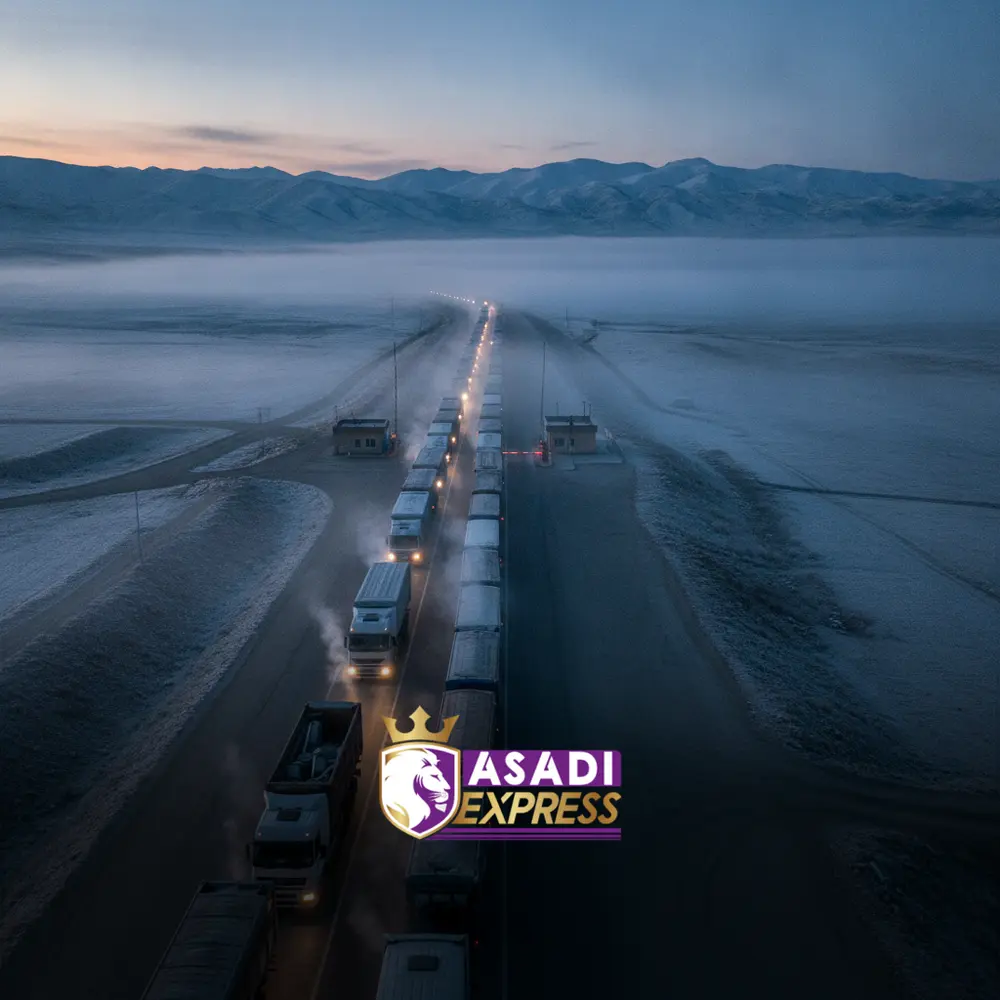
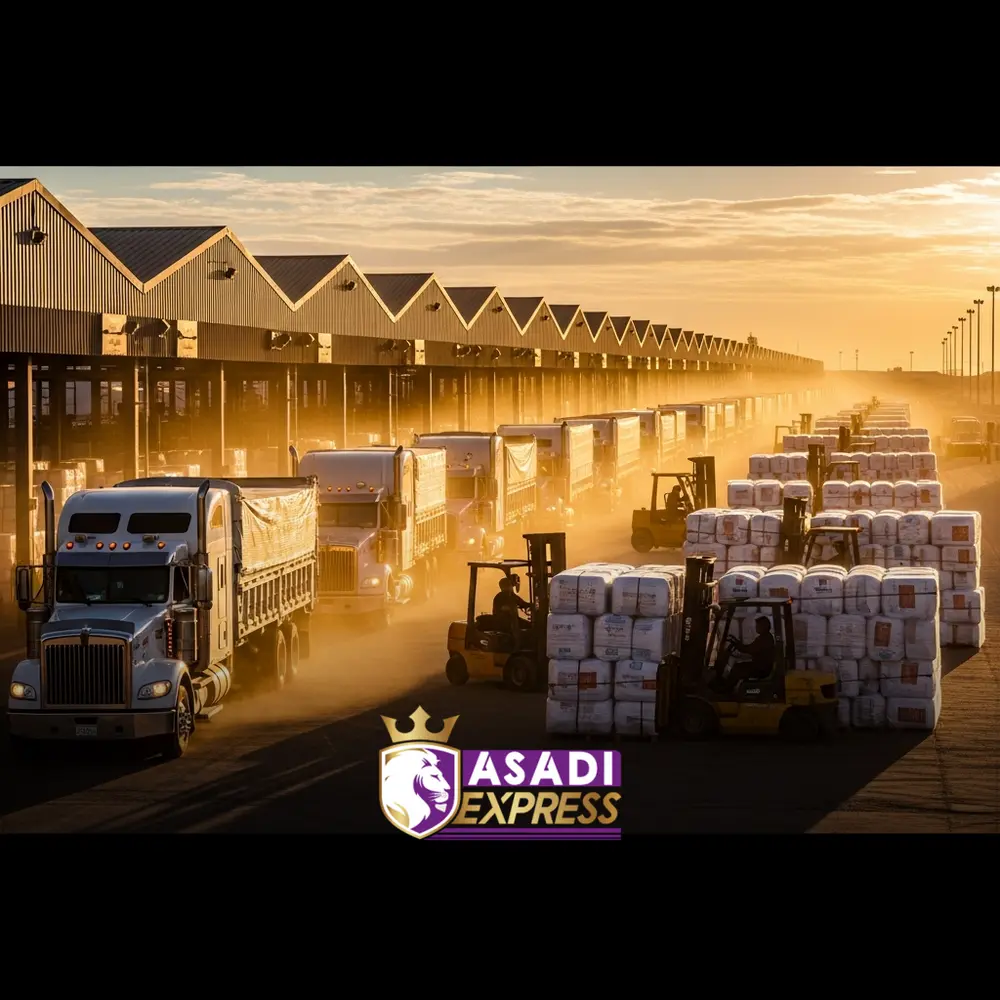
The dust inside a customs warehouse at the Bazargan border crossing tells a story of its own. I remember standing there in the heat, watching stacks of textile rolls from Istanbul being moved to waiting Iranian trucks, the engine hum echoing against the corrugated metal walls. It is a slow, methodical dance of paperwork and physical inspection that defines the lifeblood of regional trade. Moving goods across this corridor is not merely about trucks driving on highways; it is about navigating the complex intersection of Eurasian trade routes where the pace of commerce depends entirely on the precision of your documentation and the reliability of your transport partners.
When you shift commercial cargo from Turkey to Iran, the logistics landscape transforms significantly. Many traders struggle with the transition from the bustling markets of Laleli to the industrial hubs in Tehran because they overlook the transit requirements through mountainous terrain. Proper coordination here is the difference between a truck clearing customs in two days or sitting for a week. Experience in these specific border regulations is non-negotiable for those expecting consistency.
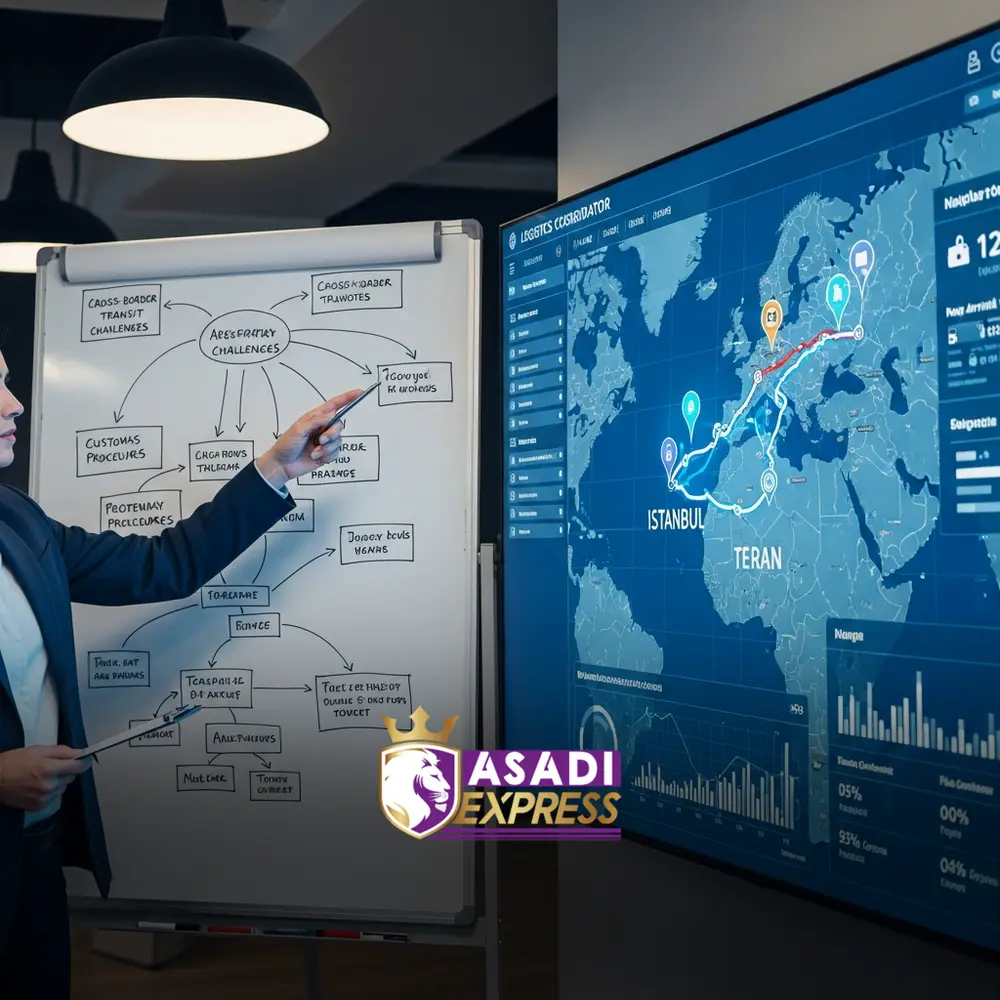
Understanding the Complexities of Turkey to Iran Logistics
Success on the Istanbul to Tehran route hinges on a deep understanding of transit permits and regional transport protocols. Unlike domestic shipping, this corridor crosses major geographic barriers and multiple legislative zones. A driver departing an industrial site in Istanbul might face varying weather conditions before even reaching the border, and the vehicle requirements often change once you enter Iranian territory. Managing the technical aspects of these shipments requires a partner who treats every manifest as a priority rather than just another load.
In my years arranging shipments between Tehran and Dubai, I have seen far too many businesses attempt to self-manage these routes only to lose margin to unexpected storage fees. Logistics is about minimizing those friction points. Whether you are dealing with electronics, automotive parts, or finished textiles, the requirement for a consistent transit schedule is paramount. Cargo movement across these regions demands high-level communication between the dispatch office in Turkey and the receiving facility in Iran to ensure that everything is staged correctly for final delivery.
Strategic Advantages of Professional Freight Management
Moving cargo via road remains the most common choice for the Istanbul to Tehran corridor. Trucks provide a level of flexibility that air freight cannot match, especially when you need to deliver bulk goods directly to a warehouse floor. However, road freight in the Middle East is heavily reliant on the technical health of the fleet and the driver’s familiarity with local border nuances. When you secure space on a reliable route, you are essentially purchasing peace of mind against the volatility of transit delays.
For high-value goods, companies often choose to augment their supply chain by diversifying how they move items throughout the region. For instance, exploring air freight forwarding can be a wise move when the urgency of the market exceeds the speed of a truck. Utilizing specialized transport ensures that sensitive items remain protected from the extreme temperatures often found during the transit through eastern Anatolia. Experienced teams focus on these small but critical details to maintain the integrity of your shipment from the first pickup to final drop-off.
Managing Documentation and Border Compliance
Customs clearance is the heartbeat of international logistics. If your paperwork is not perfectly aligned with the declarations expected by officials at the border, even the fastest truck becomes a static object. This is especially true for routes originating in Turkey, where the intensity of inspections varies based on the cargo category. I have often coached clients on the importance of getting the Commercial Invoice and the Packing List right the first time, as errors here lead to painful bottlenecks.
The administrative burden shifts once you integrate your supply chain into a wider Middle Eastern network. For companies managing imports into Oman or the UAE, navigating customs is a process that requires local knowledge. You can learn more about the broader requirements by reviewing our logistics solutions portfolio to see how we handle these administrative layers. It is much easier to let a dedicated firm handle the declarations while you focus on your core sales and production cycles.
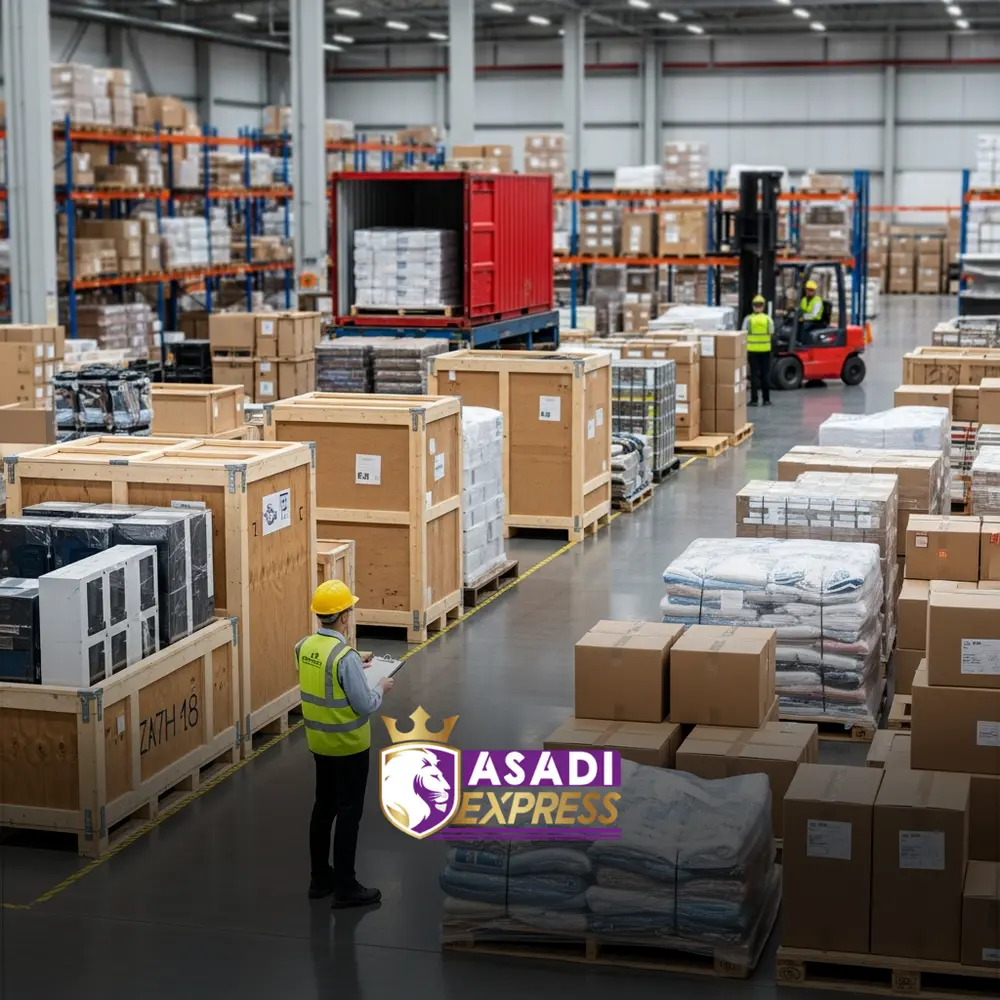
Logistics Solutions for Diverse Cargo Types
Whether you are handling personal household moves or consistent commercial e-commerce replenishment, the approach must be tailored. Personal cargo requires a high degree of transparency and careful handling of fragile items, whereas commercial cargo is measured strictly by transit speed and unit cost efficiency. Asadi Express Cargo operates by recognizing that the customer needs are never identical. We apply the same level of rigorous attention to a small pallet of specialized spare parts as we do to a full container load destined for a retail chain.
Some businesses find that they need a multi-modal approach to balance their budgets. If you are moving items that originated in China but are currently being routed through Istanbul, you should consider the efficiency of existing shipping from China to Dubai options to see if your supply chain can be optimized. By looking at the route holistically, we can often suggest paths that lower the overall expenditure while maintaining a high standard of service for your end-users in Tehran or other major Iranian cities.
Expanding Your Reach via Regional Hubs
Tehran serves as a primary hub, but the wider Middle East provides significant opportunities for companies that can pivot their logistics strategy. By leveraging the expertise of a professional firm, you can open doors to markets that were previously difficult to penetrate due to logistical complexity. Asadi Express Cargo specializes in connecting these disparate points on the map, ensuring that a shipment moving from Istanbul doesn’t stall when it reaches the regional border transitions.
It is important to maintain a pulse on the fluctuating costs of fuel and the shifting availability of transport lanes. When you have a dedicated partner, they handle the heavy lifting of monitoring these changes so you do not have to. A good logistics partner acts as an extension of your own office. You should frequently check our main landing page to stay updated on the latest service expansions and lane availability that could benefit your business operations across the Middle East.
Frequently Asked Questions Regarding Regional Transit
How long does it typically take for a truck to clear the border between Turkey and Iran? This duration is highly dependent on the current flow of traffic and the accuracy of your documentation. While we always aim for the shortest possible duration, we advise clients to budget for standard processing times to avoid any disappointment. If your paperwork is filed correctly before arrival, we can often bypass the common delays that plague less prepared shippers.
Can we track our cargo once it leaves Istanbul? Yes, modern logistics requires visibility. We provide updates at critical milestones as your shipment moves toward Tehran. You are never left in the dark wondering where your cargo is located during the transit. We prioritize clear communication because we know that information is just as valuable as the goods themselves when it comes to supply chain management.
What should I do if my goods are fragile? Protecting fragile cargo requires specialized packing and the correct selection of transport equipment. We assess the nature of your items before they are even loaded at the Istanbul warehouse. It is vital to communicate the specific dimensions and handling requirements of your shipment early in the planning phase. If you have specific needs for other regions, such as needing to organize shipping between Dubai and Oman, we apply these same rigorous safety standards to ensure the items arrive in perfect condition.
Optimizing Your Future Shipping Strategy
The journey from Istanbul to Tehran is a vital link in the regional economy, and it demands a professional touch to be navigated correctly. Asadi Express Cargo understands the nuances of this route, from the initial loading in the Turkish market to the final delivery in the heart of Iran. We take pride in ensuring that your cargo moves through the various administrative checkpoints with minimal friction. Reliability is not a luxury, but a necessity for those who want to thrive in these markets.
By streamlining your logistics, you allow your business to scale and reach customers that were once considered too far away. We encourage you to move beyond the stress of self-managed shipping and partner with experts who know the local terrain, the customs agents, and the realities of the road. Let us handle the complexities of your next shipment from Turkey to Iran so you can return your focus to your company’s growth.
More articles