





Proven Reliability: Istanbul to Oman Cargo
The humidity in the port of Sohar hits you before you even see the crane operators moving containers off the decks. I remember standing there last July, watching a forklift operator struggle with a crate that had clearly been poorly packed in Istanbul. It was a pallet of Turkish industrial textiles that had shifted during the transit, leaking fabric onto the pier because the original shipping documentation was light on details regarding weight distribution. Those moments are when the real cost of logistics becomes clear: it is not just about the freight rate, but about who is handling the transition from the bustling markets of Zeytinburnu to the growing industrial hubs of Oman. When you move goods from Turkey to the Gulf, the geography is unforgiving, and the paperwork at the border crossings requires a level of precision that few operators manage to maintain consistently.
Navigating the Turkey to Oman Trade Corridor
Shipping from Istanbul to Oman is a sophisticated operation that bypasses the standard, simplified freight models often peddled by bulk providers. You are essentially balancing three distinct logistics zones: the internal Turkish road haulage, the regional transit across the Middle East, and the final maritime or land arrival into the Sultanate. Many shippers make the mistake of assuming that once the goods leave the factory in Istanbul, the process is automated. In reality, the transit through regional checkpoints is where most cargo experiences delays or unexpected storage fees. You need a partner who understands the nuance of the TIR Carnet system and has active relationships with customs brokers in the key transit hubs along the route.
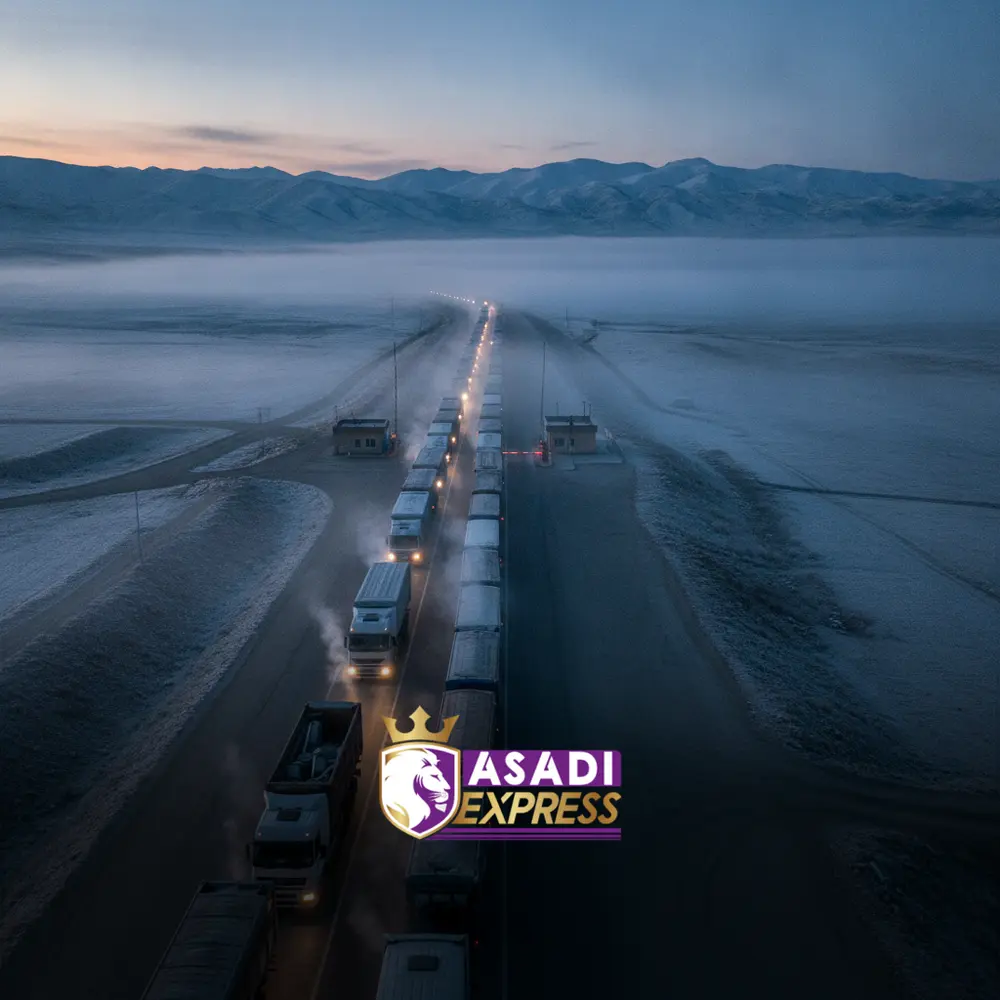
The choice between land and sea transport often dictates the viability of your margins. While sea freight is cost-effective for heavy machinery or bulk furniture, the land route through Iran provides a speed advantage that can keep supply chains tight during seasonal demand peaks. If you are moving high-value components or time-sensitive retail goods, the land route remains the preferred artery. However, this demands a high degree of transparency regarding the movement of your assets. In my years arranging shipments between Tehran and Dubai, I have seen too many companies lose thousands because they treated the transit as a black box rather than an active logistics project requiring oversight.
Professional oversight ensures that your documentation, from the Certificate of Origin to the specific invoices required for Omani customs, stays perfectly aligned with regional regulations. Relying on a comprehensive land transportation service is vital when the route crosses multiple borders and requires specialized handling to ensure that temperature-sensitive or fragile cargo remains intact from the moment it leaves the Turkish border to its arrival in Muscat.
Managing Cargo Complexity and Customs Compliance
Customs officials in Salalah or Sohar operate with strict protocols, and any ambiguity in your paperwork can lead to indefinite holds in the heat. It is vital to categorize goods accurately according to HS codes before they even reach the Turkish port or warehouse. Errors here are not just administrative headaches; they lead to physical inspections that damage packaging and invalidate warranty documents for the end user. I have personally assisted traders who tried to cut corners on the documentation, only to find their cargo stuck in a climate-controlled warehouse for weeks, accruing fees that quickly surpassed the value of the shipment itself.
Efficiency in this region is defined by the depth of your local network. Whether you are dealing with government clearances in Oman or navigating the intricate bureaucracy of export permits in Turkey, having a team that operates on the ground is non-negotiable. It is why Asadi Express Cargo focuses heavily on the verification phase, where we check the packing lists against the physical state of the cargo before it ever touches a transit vessel. This level of rigor prevents the common pitfalls of regional shipping, such as unexpected demurrage charges at the port or sudden requests for additional transit documentation in transit countries.
For businesses looking to broaden their operations beyond the traditional UAE hubs, it is often necessary to review the shipping between Dubai and Oman connections, as many logistics chains from Turkey utilize the UAE as a central distribution point before the final leg into the Sultanate. By integrating these routes, you gain the ability to buffer against supply chain disruptions by shifting cargo between sea and road modes as conditions dictate.
Tailored Solutions for Diverse Cargo Requirements
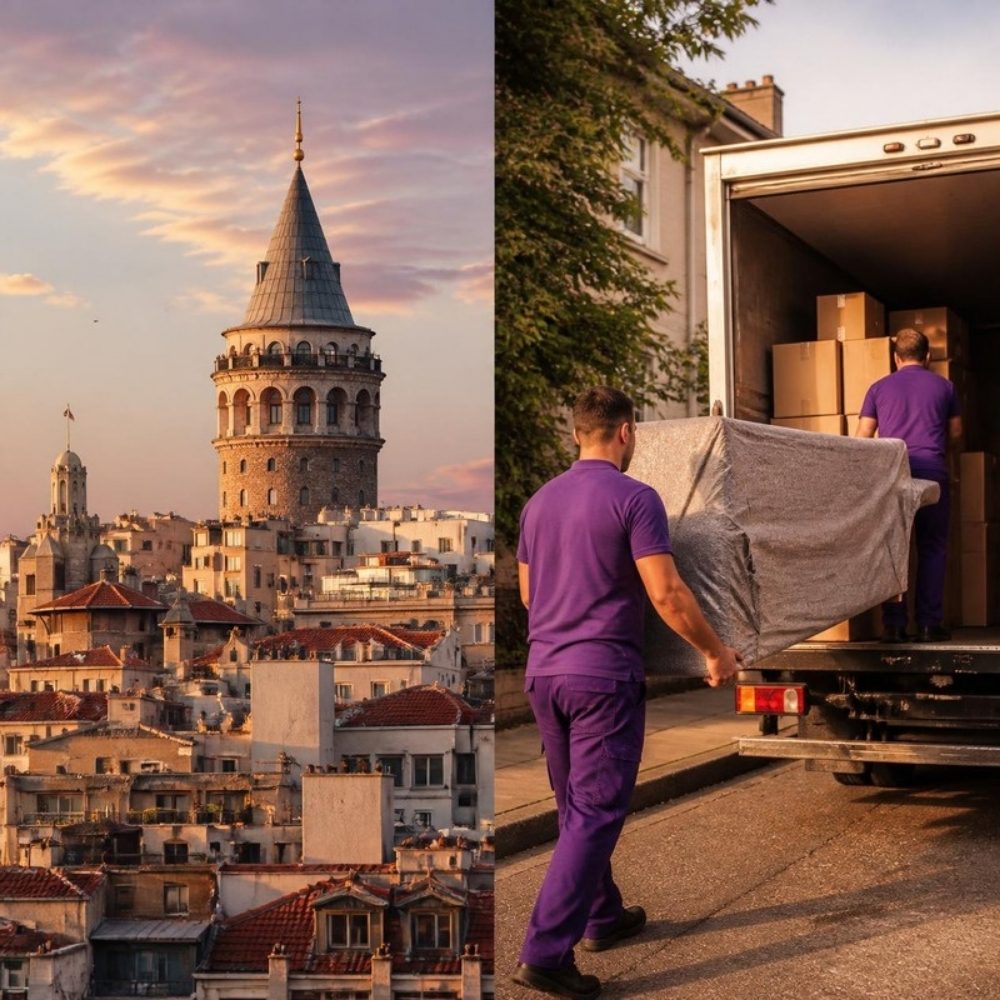
Personal effects and household goods require an entirely different level of care compared to commercial bulk. When a family is relocating from Istanbul to Muscat, the priority shifts from throughput to protection. A crate of antique furniture or high-end electronics needs moisture-proof packing and climate-controlled storage options if the transit involves extended port stays. We treat these items with the same technical scrutiny applied to heavy machinery because the emotional and financial cost of damage is significant.
E-commerce, on the other hand, demands speed and visibility. A retailer shipping cosmetics or fashion accessories from Istanbul to an Omani distribution center cannot afford a lack of tracking updates. These traders require real-time reporting that accounts for every stop along the way, ensuring that stock levels in Oman can be accurately predicted to match consumer demand. This is where specialized logistics firms differentiate themselves, providing granular detail on the current position of the cargo instead of vague status updates like “in transit.”
Many of our clients find that their logistics needs extend into various territories, often requiring expertise in shipping between Iran and Turkey to maintain a competitive supply chain. Understanding the interconnectedness of these corridors is what allows a shipper to optimize costs while ensuring that the cargo remains compliant with all regional trade policies.
Infrastructure and Transit Reliability
The port of Jebel Ali, with its towering gantry cranes and endless rows of shipping containers, remains the beating heart of Middle East logistics. I recall visiting a warehouse in Jebel Ali where a shipment of electronics was being re-palletized for a onward journey into Oman. The precision of the automated systems was impressive, but the real value lay in the manual checks being performed by the handlers. They were manually verifying the humidity levels of the protective wrapping. Modern infrastructure provides the framework, but human attention to detail is what ensures the shipment arrives in saleable condition.
Reliable logistics from Turkey to the Middle East rely heavily on the robustness of the transit fleet. Heavy-duty trucks equipped for the harsh desert climate, along with sea freight vessels that prioritize stable route times, form the foundation of this reliability. It is not sufficient to simply have a vehicle available; you need a vehicle that has been maintained specifically for long-haul regional travel. Asadi Express Cargo maintains a fleet that is regularly inspected, ensuring that the transition from a cool Istanbul autumn to the sweltering heat of the Omani coast does not compromise the structural integrity of your shipment.
If you are exploring further regional expansion, you might want to look at shipping from China to Dubai as a way to consolidate your regional inventory management. Using a centralized hub in the Gulf allows you to manage shipments from both East and West under one cohesive logistics strategy, reducing the complexity of dealing with multiple isolated vendors across different continents.
Common Logistics Hurdles and Strategic Mitigation
Transit times are perhaps the most common source of friction between freight forwarders and their clients. It is easy to quote a time-table on paper; it is entirely different to execute that schedule when a sandstorm closes a border crossing or a port undergoes an unexpected terminal strike. When we plan a route, we build in buffers. We assume that the unexpected will happen. This is the difference between a reactive agent and a proactive logistics partner. When you account for these variances, you provide your client with a realistic expectation of delivery, which builds trust over the long term.
Effective communication is just as important as the physical movement of goods. When an issue arises at a checkpoint in the middle of the night, you need a contact point that is active and able to make decisions. The logistics landscape is constantly shifting, and a rigid, corporate approach that requires approvals for every minor adjustment is often the reason a container misses its slot on the next vessel. Resilience in shipping is built on the ability to pivot when the original plan encounters a roadblock.
This is precisely why we emphasize working with partners who have deep local roots. Understanding the language, the customs, and the regional peculiarities allows for the faster resolution of any issues that crop up during the journey. Proper planning and honest communication remain the only ways to guarantee a reliable service.
FAQ: Logistics and Freight Questions
How long does it typically take for cargo to move from Istanbul to Muscat? Generally, you are looking at two to three weeks for sea freight, depending on the vessel schedule and terminal congestion. Road transport through Iran can be significantly faster, sometimes cutting that time in half, but it requires more complex customs documentation to account for the border crossings.
Are there weight limits for door-to-door shipments? There are always limits based on the vehicle type and road safety regulations in each country we cross. For standard shipments, we manage these through container capacity, but for oversized or heavy industrial equipment, we perform a site survey to ensure the route and the transport equipment can handle the weight and dimensions.
Do I need to handle my own insurance for this route? We always recommend full coverage for international transit. While we implement every security and safety protocol available, the transit covers thousands of kilometers across diverse terrain. Having a clear insurance policy provides peace of mind that protects your investment from the moment the goods leave your facility.
How do I get an accurate quote for my cargo? Provide us with the exact dimensions, weight, and the nature of the goods. Include the pickup and delivery addresses. We do not offer generic estimates because the cost varies drastically based on the specific requirements, such as whether the goods are hazardous, fragile, or require specialized transport containers.
Streamlining Your Middle East Trade Routes
Maintaining a reliable link between Turkey and Oman requires a blend of local knowledge, technical foresight, and operational agility. It is not just about the distance; it is about the transitions. Every border, every port, and every warehouse represents an opportunity for delay, and success is defined by how well those opportunities for error are eliminated. We have spent years refining our processes, from the initial packaging in Turkey to the final delivery in the Omani interior, ensuring that each shipment receives the dedicated attention it requires to move safely.
If you have any questions about specific routes or need assistance with your next shipment, our team is ready to analyze your requirements and build a logistics plan that fits your budget and timeline. You can explore more of our capabilities at the company website to see how we handle different freight categories across the wider region. Let us handle the complexities of the route so you can focus on your trade. Whether you are moving industrial equipment or household goods, the priority remains the same: a clear plan, constant communication, and the proven reliability that keeps your business moving forward through every mile of the journey.
More articles