






Reliable Freight Forwarding: Turkey to Iran
The geopolitical and economic landscape of the Middle East has positioned Turkey and Iran as two of the most critical trade partners in the region. For businesses and individuals alike, establishing Reliable Freight Forwarding: Turkey to Iran is not just a logistical requirement but a strategic necessity. Turkey, acting as the gateway between Europe and Asia, serves as a primary manufacturing and transit hub, while Iran remains a massive market for industrial goods, consumer products, and raw materials. Navigating this corridor requires more than just trucks and planes; it demands a deep understanding of regional customs, border dynamics at crossings like Bazargan, and the specialized needs of diverse cargo types. Whether you are shipping from the bustling industrial zones of Istanbul to the commercial heart of Tehran, the complexity of cross-border logistics necessitates a partner with local boots on the ground and international standards of service.
Logistics in this region involves a sophisticated dance between various modes of transport. Road freight remains the backbone of the Turkey-Iran trade route, yet air freight is increasingly preferred for high-value electronics and urgent medical supplies. Understanding how to optimize these routes is essential for maintaining a competitive edge. This guide explores the intricacies of shipping across these borders, the importance of regional hubs like Dubai in the broader Middle East logistics network, and how to ensure your goods move safely and efficiently from the Bosphorus to the Alborz mountains.
The Logistics Landscape of Turkey to Iran Shipping
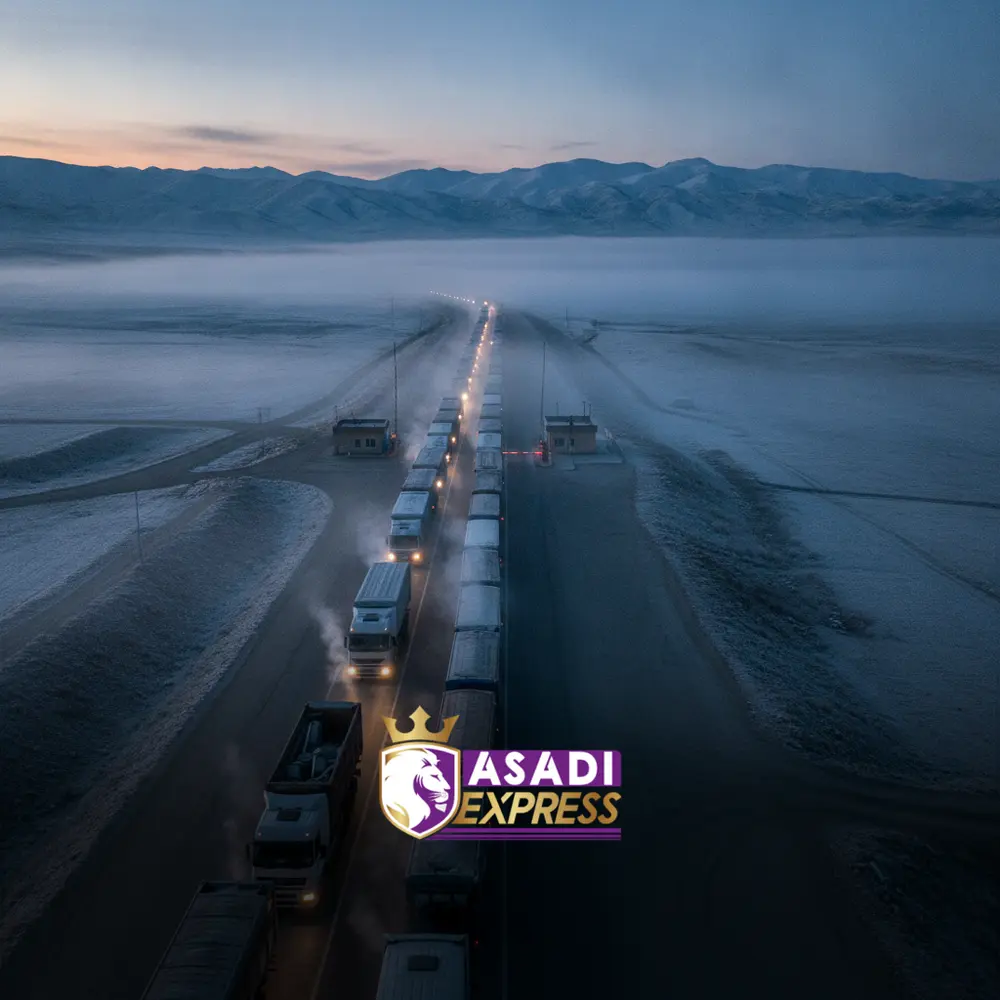
Turkey’s position as a global logistics powerhouse is centered around Istanbul. As a premier logistics company in Istanbul would attest, the city serves as the collection point for goods coming from across Europe and Turkey’s own interior. From here, freight is consolidated and prepared for the long haul eastward. The primary route for Reliable Freight Forwarding: Turkey to Iran involves traversing the Anatolian plateau toward the eastern borders. The most significant gateway is the Gurbulak-Bazargan border crossing, which handles the lion’s share of bilateral trade. Efficiency at this border is the deciding factor in transit times, making it imperative for freight forwarders to have excellent relationships with customs officials and a thorough grasp of documentation requirements.
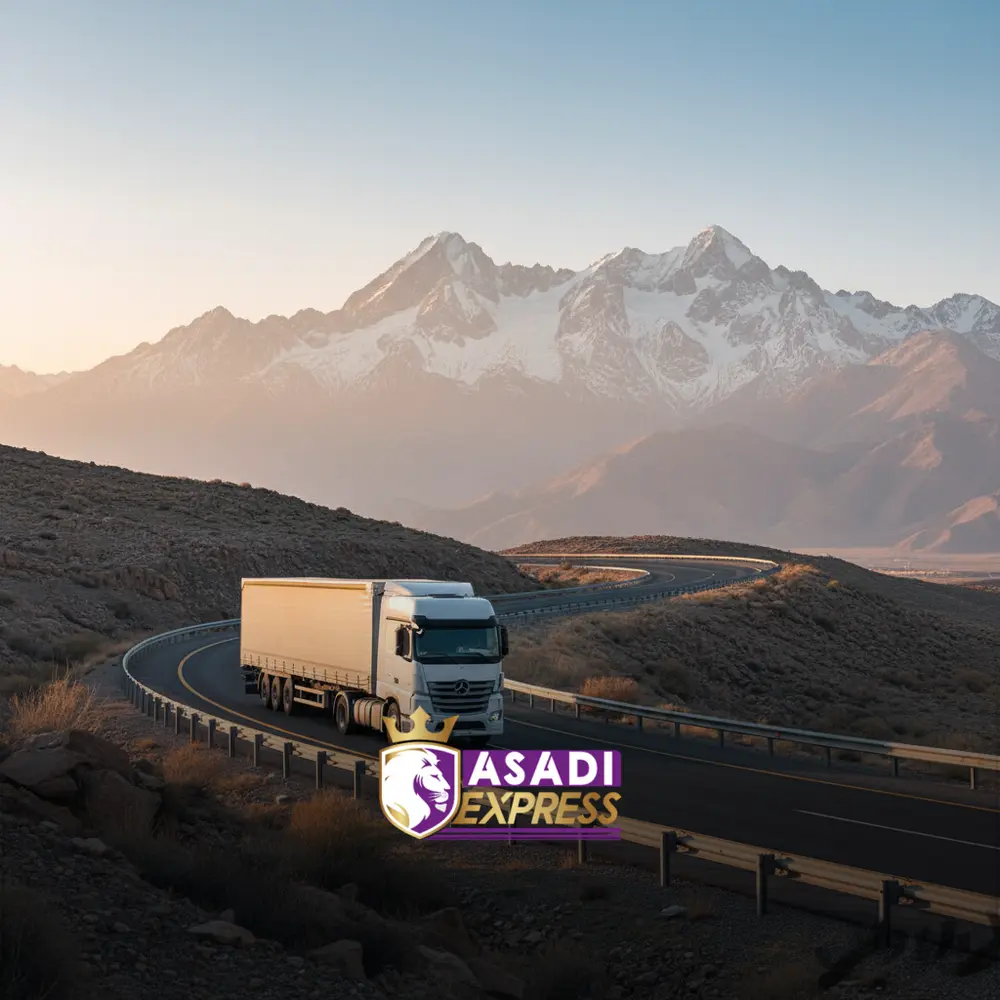
For those looking for comprehensive shipping between Iran and Turkey, the process begins with professional packing and inventory management in Turkish warehouses. Goods are often categorized by their sensitivity and urgency. Industrial machinery from Bursa or textiles from Izmir are frequently loaded into standard semi-trailers, while perishable items require temperature-controlled reefers. The journey from Istanbul to Tehran typically spans approximately 2,000 kilometers, a distance that demands reliable vehicles and experienced drivers familiar with the mountain passes and seasonal weather shifts that can impact delivery schedules.
The Role of Tehran and Shiraz in Iranian Logistics
Tehran serves as the primary destination for most Turkish exports. As the administrative and economic capital, it possesses the largest customs infrastructure in the country, including the Imam Khomeini International Airport (IKIA) for air freight and various inland dry ports for road cargo. However, the logistics network extends far beyond the capital. Cities like Shiraz play a vital role in distributing goods to the southern provinces. For many businesses, the goal is often to facilitate cargo from Tehran to Dubai or other GCC markets, creating a multi-modal chain where Iran acts as a transit bridge. Asadi Express Cargo has observed that the integration of Iranian logistics with the wider Persian Gulf region is a growing trend, allowing for a seamless flow of goods from Turkey, through Iran, and onward to the UAE and Oman.
Modes of Transport: Air, Land, and Sea
Choosing the right mode of transport is critical when securing Reliable Freight Forwarding: Turkey to Iran. Each method offers a different balance of speed, cost, and safety. Land transport is undoubtedly the most common. Utilizing efficient land transportation services allows for door-to-door delivery, which is often the most cost-effective solution for bulk shipments and consumer goods. Trucks can be dispatched daily from Istanbul, arriving in Tehran within 5 to 7 days under normal border conditions.
Air freight, while more expensive, is the gold standard for urgency. Air freight and sea freight UAE providers often collaborate with Turkish counterparts to manage shipments that need to reach Tehran or Shiraz within 24 to 48 hours. This is particularly relevant for the pharmaceutical sector and the automotive industry, where “just-in-time” delivery of spare parts is essential to keep production lines moving. Sea freight, though less common for the direct Turkey-Iran route due to the efficiency of land borders, remains a viable option for massive project cargo that may travel from Turkish ports like Mersin to Iranian ports like Bandar Abbas via the Suez Canal and the Arabian Sea.
Multimodal Solutions and the UAE Connection
In many cases, the most effective logistics strategy involves a combination of transport modes. This is where the concept of freight forwarding UAE becomes relevant. Many companies use Dubai as a regional redistribution center. Goods may be trucked from Turkey to Iran, then shipped across the Gulf to Sharjah or Jebel Ali. This connectivity ensures that businesses are not limited to a single market but can easily pivot their inventory between Tehran, Muscat, and Abu Dhabi. Asadi Express Cargo specializes in these complex, multi-country routes, ensuring that the documentation for each leg of the journey is handled with precision.
Regional Integration: Connecting the Middle East
The trade corridor between Turkey and Iran does not exist in a vacuum. It is part of a larger, interconnected Middle East logistics solutions network. For instance, many shipments originating in Istanbul are destined for the broader Gulf region, passing through Iranian territory to reach the UAE or Oman. This makes cargo services in Dubai a vital component of the Turkey-to-Iran supply chain. Dubai acts as a “logistics heart,” where goods can be stored in free zones before being dispatched to their final destinations.
We see a significant volume of UAE to Iran shipping that complements the Turkey-Iran route. A business might import raw materials from Turkey to a factory in Tehran and then export the finished product to Muscat or Dubai. This circular trade requires a shipping company in Dubai that understands the nuances of regional sanctions, currency fluctuations, and varying import duties. By utilizing cargo services from Turkey to the GCC, traders can minimize their overheads and maximize their market reach across the entire Western Asia region.
Logistics Hubs: From Istanbul to Muscat
The efficiency of Reliable Freight Forwarding: Turkey to Iran is heavily dependent on the infrastructure of major cities. In the UAE, Abu Dhabi and Sharjah provide world-class port and airport facilities that rival any in the world. Meanwhile, cargo services Muscat Oman are becoming increasingly important as Oman positions itself as a neutral trade gateway. For a logistics provider, being able to offer door to door cargo UAE services means having a network that spans from the European side of Istanbul all the way to the coastal refineries of Muscat. This regional synergy is what allows for the smooth transit of goods across multiple borders with minimal delays.
Real Use Cases: Personal and Business Cargo
Logistics is not just for large corporations; it is a vital service for individuals and small businesses as well. One common use case is specialized household moving. Families relocating between Istanbul and Tehran, or perhaps moving from Turkey to Dubai, require a service that handles personal effects with care and ensures they pass through customs without being flagged as commercial shipments. This requires detailed packing lists and a deep understanding of “used personal effects” exemptions in various jurisdictions.
For businesses, the use cases are even more varied:
- E-commerce: Turkish fashion brands shipping directly to consumers in Tehran and Shiraz.
- Industrial Equipment: Heavy machinery for Iran’s energy and construction sectors, often requiring low-bed trailers and special permits.
- FMCG: Fast-moving consumer goods that require consistent, weekly schedules to keep retail shelves in Tehran stocked.
- Inter-regional Trade: Using Iran as a transit point for shipping from Shiraz to UAE, effectively connecting southern Iran’s agricultural output with Dubai’s hungry markets.
In every instance, the common thread is the need for reliability. A delay of just a few days can result in lost sales for a retailer or a complete halt in production for a manufacturer. This is why working with a proven brand like Asadi Express is essential for those who cannot afford logistical hiccups.
Navigating Customs and Documentation
The primary hurdle in Reliable Freight Forwarding: Turkey to Iran is often not the distance, but the paperwork. Iranian customs regulations can be complex and are subject to frequent changes. Necessary documents typically include the Commercial Invoice, Packing List, Certificate of Origin, and the Bill of Lading or CMR (for road transport). Furthermore, certain goods may require specific permits from the Iranian Ministry of Industry, Mine and Trade.
Expert freight forwarders provide “Pre-Clearance” services, where documents are reviewed before the truck even leaves Istanbul. This proactive approach identifies potential issues early, preventing costly storage fees at the border. Additionally, for goods moving from Turkey through Iran to the UAE, the “TIR Carnet” system is often used. This international customs transit system allows goods to travel across borders in sealed containers without undergoing full inspections at every frontier, significantly speeding up Turkey to UAE freight movements.
Customs Procedures in the UAE and Oman
When the cargo extends its journey to the GCC, the rules change again. Cargo services in Dubai must comply with UAE Federal Customs Authority regulations. Fortunately, the UAE is known for its highly digitalized and efficient customs processes. Whether you are dealing with shipping from Shiraz to UAE or Dubai to Muscat cargo, the electronic filing of manifests and the use of sophisticated scanning technology at ports like Khalifa Port in Abu Dhabi or Port Rashid in Dubai ensure that the final leg of the journey is as fast as the first. Success in this region depends on a premier freight solutions provider who can bridge the gap between the varying bureaucratic styles of Turkey, Iran, and the Arab states.
Strategic Importance of the Middle East Logistics Network
The broader Middle East logistics solutions market is currently undergoing a transformation. With the expansion of rail networks and the modernization of ports, the speed of trade is increasing. However, the Turkey-Iran-UAE corridor remains a unique challenge due to its geography and political climate. A reliable shipping company in Dubai must be agile enough to handle these challenges. Asadi Express Cargo prides itself on being at the forefront of this evolution, offering integrated services that cover air, land, and sea.
By optimizing Reliable Freight Forwarding: Turkey to Iran, businesses can tap into a combined market of over 160 million people. The flow of goods is not one-way; the return trips often carry Iranian petrochemicals or minerals back to Turkey, or onward to international markets via Dubai. This high volume of “backhaul” cargo helps keep shipping rates competitive, as trucks and ships rarely travel empty. This efficiency is the cornerstone of sustainable trade in the region.
Frequently Asked Questions
What is the average transit time for road freight from Turkey to Iran?
Typically, road freight from Istanbul to Tehran takes between 5 to 8 days. This includes the time required for border crossing at Bazargan. Factors such as weather conditions in Eastern Turkey and the volume of traffic at customs can influence this timeline.
Can you handle specialized household moving from Istanbul to Dubai?
Yes, specialized services are available for household relocations. This involves professional packing, the creation of a detailed inventory for customs, and door-to-door delivery. Such moves often utilize a combination of land transport through Iran and sea freight across the Persian Gulf.
What are the most common goods shipped from Turkey to Iran?
The most common exports include textiles and ready-to-wear clothing, automotive spare parts, industrial machinery, plastic raw materials, and household appliances. Turkey’s manufacturing sector is a primary supplier for the Iranian consumer market.
Do you offer door-to-door cargo services in the UAE for Iranian imports?
Absolutely. We provide comprehensive door to door cargo UAE services. This includes picking up the cargo in Iranian cities like Tehran or Shiraz, handling the export documentation, shipping across to Dubai or Sharjah, and performing the final delivery to the customer’s warehouse or residence.
How are shipping rates calculated for this route?
Rates are determined by the weight and volume of the cargo (chargeable weight), the mode of transport (air vs. land), the type of goods (hazardous, perishable, or general), and the specific pick-up and delivery locations. Customs brokerage fees and insurance are usually calculated separately.
Conclusion
Securing Reliable Freight Forwarding: Turkey to Iran is the key to unlocking the vast economic potential of the Middle East. From the industrial hubs of Istanbul to the growing markets of Tehran, and extending to the global trade centers of Dubai and Muscat, the flow of goods defines the prosperity of the region. Navigating this corridor requires a partner with technical expertise, local knowledge, and a commitment to transparency. Whether you are looking for freight forwarding UAE, cargo services Muscat Oman, or specialized Turkey to UAE freight solutions, the goal remains the same: safe, timely, and cost-effective delivery. As the regional landscape continues to evolve, staying connected through a robust logistics network is more important than ever. Trust your cargo to those who understand the heart of Middle Eastern trade and can turn complex logistical challenges into seamless business opportunities.
More articles