





Secure Logistics: Turkey to Iran Specialists
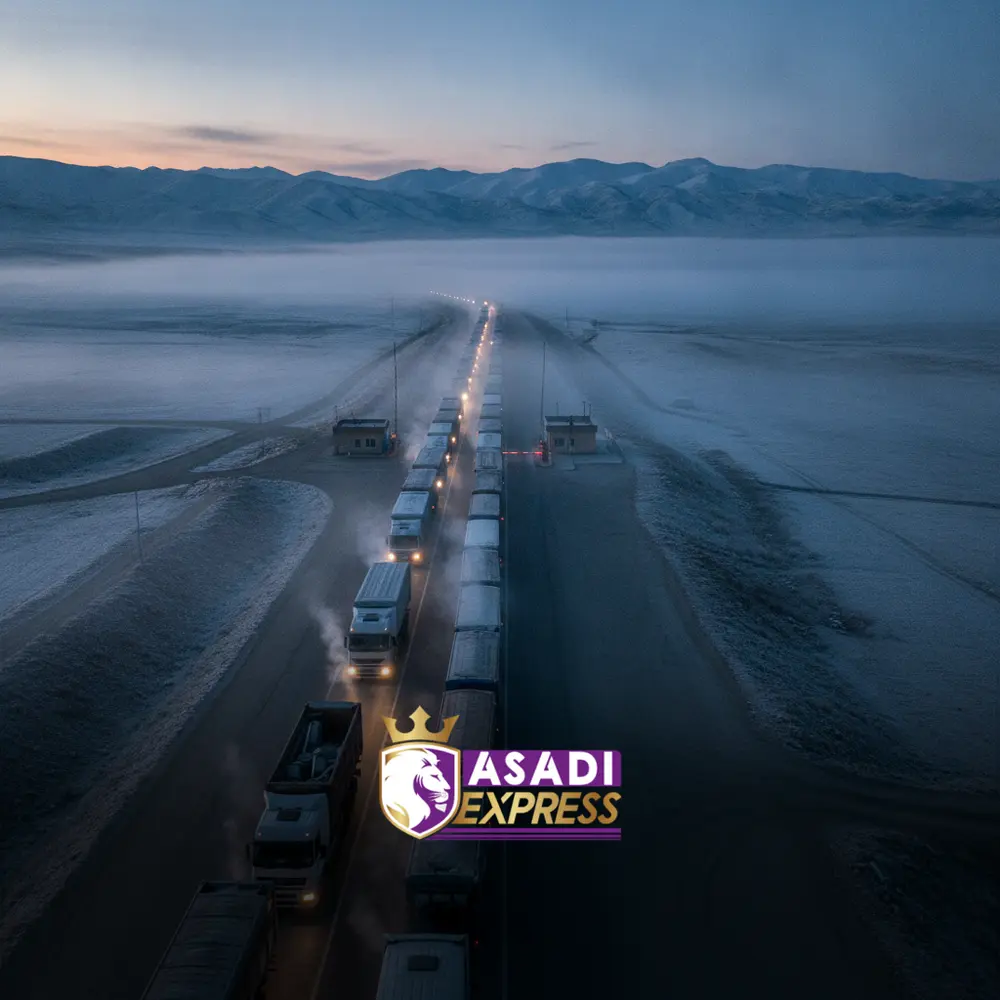
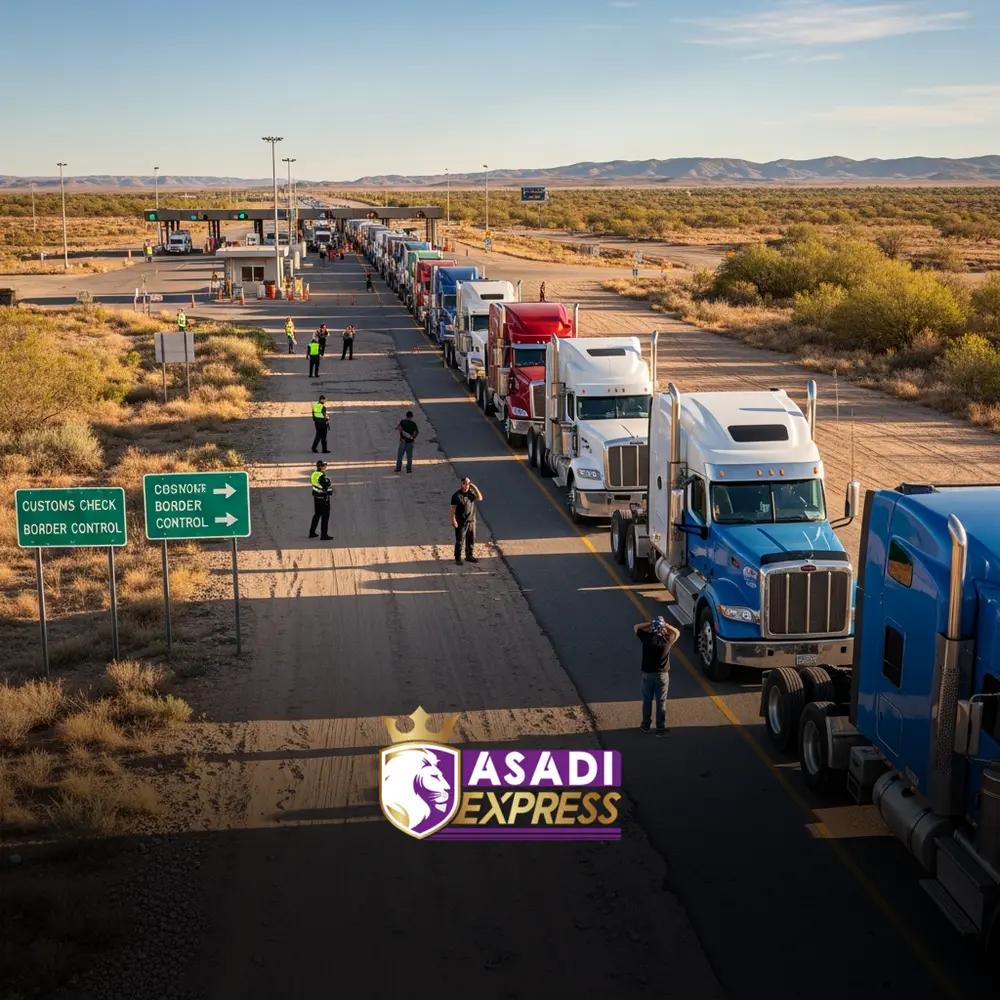
The queue at the Gurbulak-Bazargan border crossing often stretches for kilometers, a serpentine line of heavy-duty trucks idling under the harsh Anatolian sun. I remember standing near a driver from Konya who had been waiting for three days to clear customs with a shipment of high-end textile machinery. He wasn’t just worried about the heat or the schedule; he was worried about the sensitive nature of the electronics packed in his trailer. In this corridor, where the terrain transitions from the rugged mountains of Eastern Turkey to the sprawling plains of Northern Iran, secure logistics is not a luxury. It is a technical necessity for anyone moving cargo from Turkey to Iran.
Managing this transit requires more than just a truck and a driver. It demands deep knowledge of the specific customs regimes governing the Ankara-Tehran trade route. Whether you are moving industrial parts, raw materials, or specialized household items, the complexities of bond management and transit documentation remain constant. Getting it right requires a granular understanding of how regional border authorities interact with international freight requirements. This is where specialized freight forwarding UAE and regional experts make the difference between a successful delivery and a month-long clearance bottleneck.
Navigating the Turkey to Iran Transit Corridor
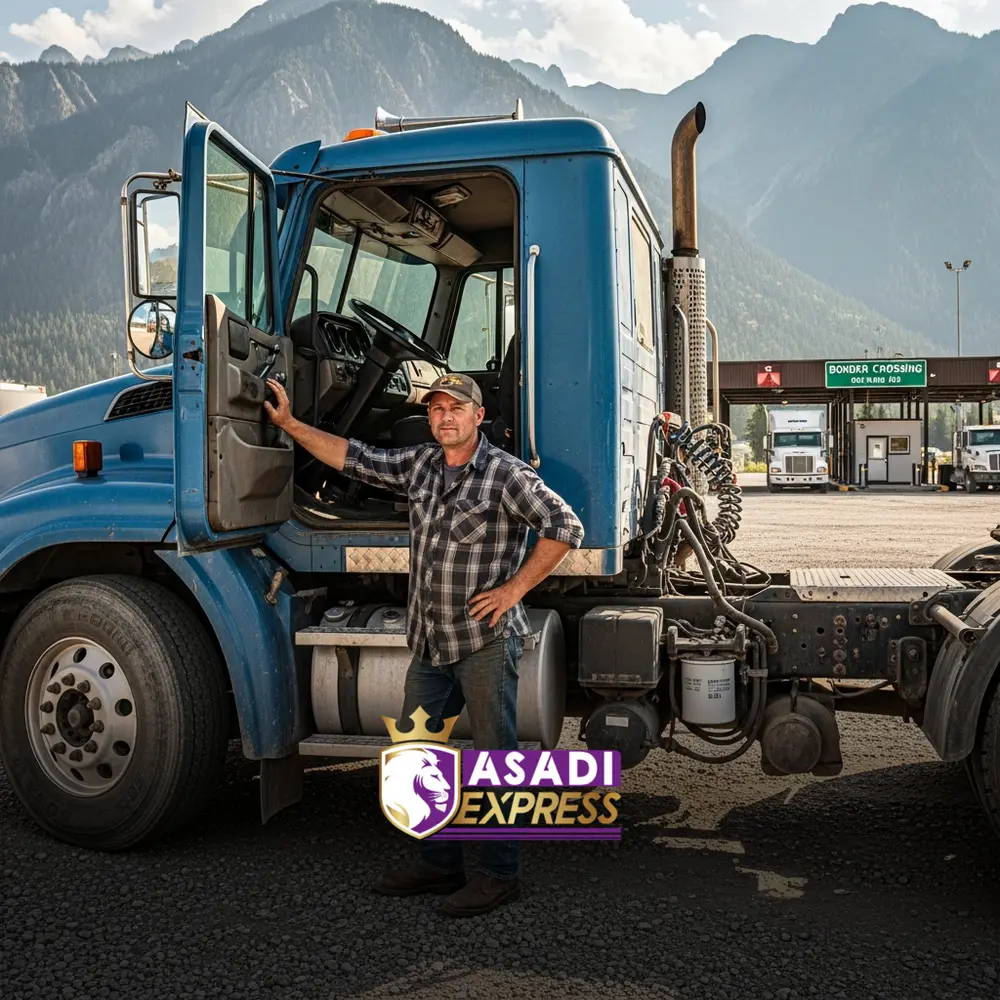
Success on the road between Istanbul and Tehran is built on preparation. Before a single pallet is loaded in Laleli, we must verify the authenticity of the TIR carnet and ensure that the cargo manifest aligns perfectly with the HS codes accepted by the Iranian customs office. Errors here lead to immediate impoundment. Dealing with Middle East logistics involves mitigating risks at every single transit point, from the loading bay in an Istanbul warehouse to the final delivery in Tehran or Shiraz.
Customs protocols change with little notice. For instance, temporary entry requirements for industrial machinery moving from Turkey into Iranian free zones often involve a distinct set of paperwork compared to consumer goods. We frequently see businesses falter by applying general shipping assumptions to these specific trade lanes. Utilizing a partner who handles land transportation services allows you to bypass the guesswork and focus on your supply chain velocity. It is about understanding the cadence of the border, knowing when to push and when to wait.
Security Measures for High-Value Cargo
Security is the silent pillar of our operation. When we move high-value electronics or fragile medical equipment across the border, we treat the entire journey as a chain of custody rather than a simple haulage job. This means real-time tracking, hardened trailer locks, and a selection of vetted drivers who understand the route’s specific vulnerabilities. In my years arranging shipments between Tehran and Dubai, I have seen too many companies lose cargo simply because they opted for the cheapest quote without verifying the security infrastructure behind it.
It is not just about physical protection. It is about legal protection. Ensuring your cargo is insured correctly for the transit from Turkey to Iran is the single most important document check you can perform. Many standard policies terminate at the border, leaving the shipper exposed for the remaining leg of the journey through Western Iran. You need to ensure your freight forwarder provides comprehensive coverage that extends through the entire inland route. Properly structured documentation acts as a shield against bureaucratic delays that frequently stall non-compliant shipments.
Adapting to Varying Cargo Requirements
Not every shipment fits neatly into a standard 40-foot container. Moving specialized industrial components from factories in Bursa to sites in Tabriz often requires flatbed trailers or tilt-top trucks designed to accommodate heavy, oversized machinery. The loading and lashing process for these goods is an engineering task in itself. If the weight distribution is even slightly off, the mountain passes between Dogubayazit and Maku can become incredibly hazardous for the driver and the cargo alike.
When you have smaller, time-sensitive shipments, air freight becomes the logical pivot. While the bulk of trade moves by road, certain high-value components require the speed and security of air transit. Air freight forwarding is an option when you absolutely cannot afford a week-long wait at the border or if the cargo is particularly delicate. Managing these variations is the mark of a seasoned logistics partner who understands that every shipment has its own rhythm and its own set of risks.
Strategic Advantages of Regional Connectivity
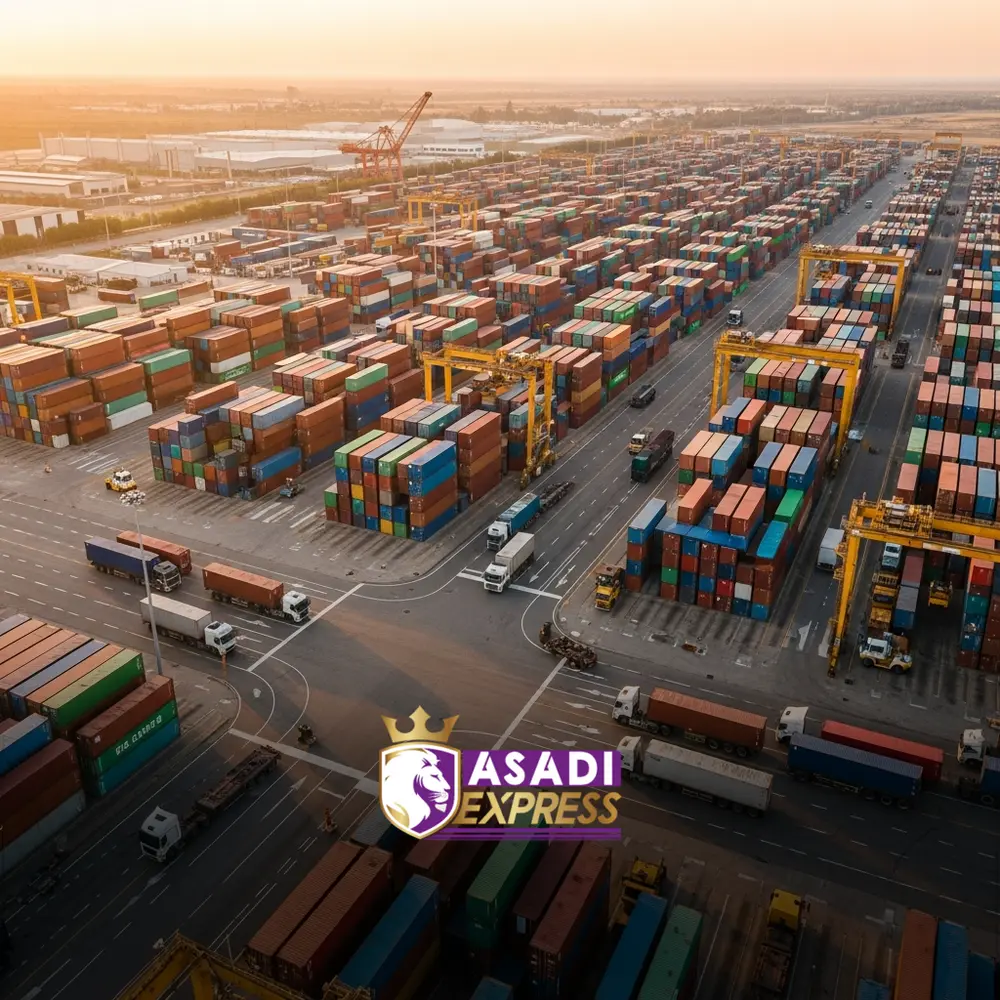
The trade flow between Turkey, Iran, and the broader Middle East is deeply interconnected. Many of our clients do not just ship Turkey to Iran; they manage complex triangular routes that include distribution points in the UAE and Oman. By leveraging an integrated hub, you can centralize your logistics management. Think of Dubai as the central nervous system for your Middle Eastern operations. With its proximity to both the Iranian market and the massive logistical gateway of Jebel Ali, the city serves as a perfect staging area for goods originating in Europe or Turkey.
Using shipping between Dubai and Oman as a secondary link allows companies to diversify their entry points into the region. If a specific port in Iran becomes congested, having a secondary route through the UAE provides the flexibility needed to keep supply chains moving. Asadi Express Cargo has focused on building these redundant pathways to ensure that our clients are never left with only one option when a border delay occurs. This proactive approach to route management is what differentiates a professional forwarder from a simple broker.
Documentation and Compliance Standards
Documentation is the language of logistics. If you miss a seal number or get a weight declaration wrong by a few kilograms, the entire shipment can be held indefinitely at the border gate. We spend a significant portion of our time auditing paperwork before the truck even leaves the facility in Turkey. This includes everything from the certificate of origin to specific health and safety permits for chemicals or food products. It is tedious, necessary work that saves weeks of downtime.
Working with the right shipping company in Dubai and across the region ensures that your documentation remains consistent. When you maintain a single point of contact for your cross-border trade, the institutional memory of your shipping history stays intact. We know how your products are packed, we know the requirements of your recipients, and we know exactly which customs brokers at the border are the most efficient. This is the difference between a smooth operation and a logistical headache.
Consistency in customs handling is the ultimate goal.
Managing Household and Industrial Relocation
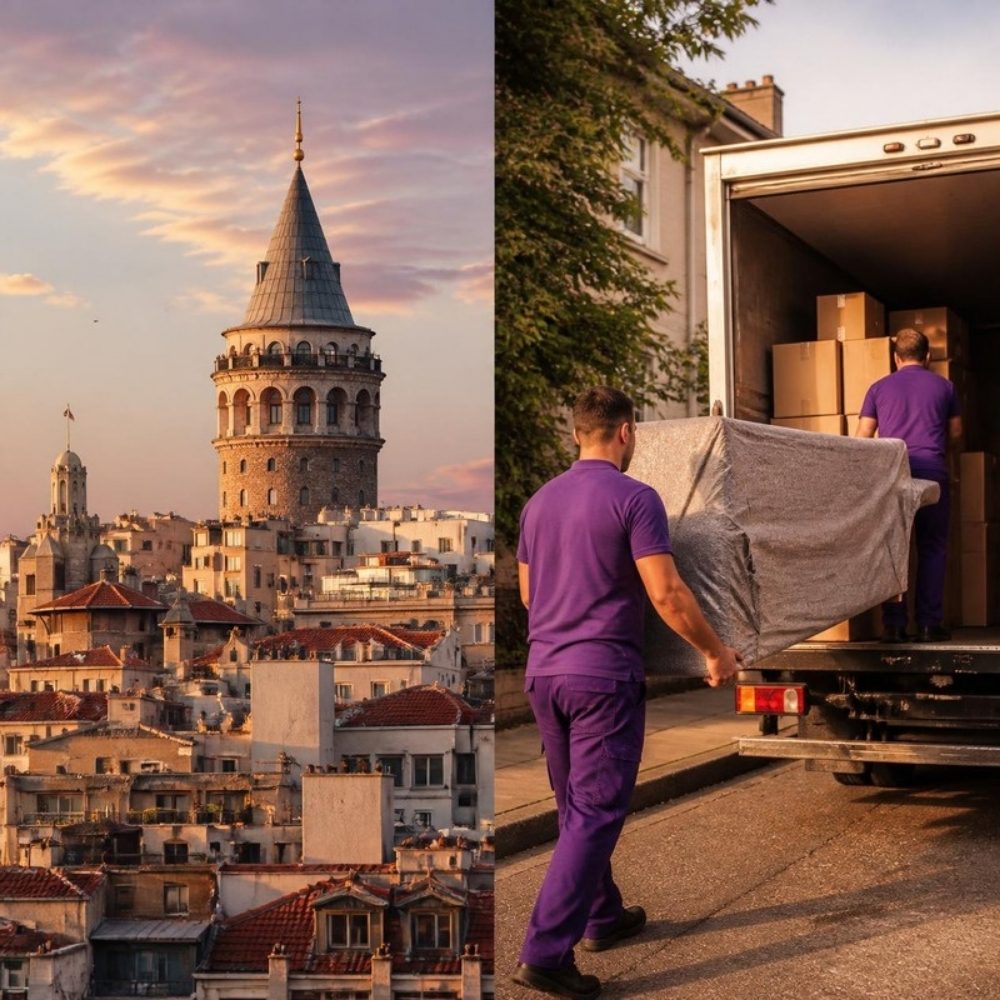
Relocation is the most personal side of our industry. Moving households from Istanbul to Tehran or Muscat is far more complex than moving containerized freight. You are dealing with people’s livelihoods and personal belongings. The process requires a high degree of care, from the packing stage where furniture is wrapped to withstand the road vibrations to the final delivery where items are unpacked in a new home. The logistics of this are demanding, requiring a clear roadmap for transit through each customs station.
For industrial clients, this translates into asset relocation. We have managed the transfer of entire production lines from Turkish manufacturers to new facilities in the Middle East. It involves careful planning to avoid damaging sensitive sensors and calibration equipment. Using specialized specialized household moving solutions, we ensure that every piece of equipment, whether it belongs in a home or a factory, receives the same level of attention during the long transit. The goal is always to deliver the cargo in the same state it was in when it left the loading dock.
Frequently Asked Questions
What is the current average transit time for road freight from Turkey to Tehran? Usually, you are looking at seven to ten days under normal conditions. This accounts for the loading in Turkey, the transit time through the mountains, the border clearance at Gurbulak-Bazargan, and the final stretch to Tehran. During peak seasons or when there is heavy snow in the winter months, we advise clients to build in a buffer of three to five extra days for safety.
Do I need to handle my own customs clearance in Iran? It is strongly recommended to use a local clearance agent who has a direct working relationship with the customs office at your destination. Trying to handle the intricacies of Iranian customs documentation remotely is nearly impossible for international businesses. A reliable forwarder like Asadi Express Cargo will manage this as part of the total logistics package, ensuring all duties and taxes are settled correctly.
How does the recent geopolitical climate affect trucking through these routes? While borders remain operational, there are fluctuations in inspection intensities and documentation requirements. We monitor these changes daily. Our drivers are briefed on the latest border protocols before they depart. The primary impact is usually increased scrutiny on transit documentation, which is why we emphasize perfect paperwork before the truck leaves the warehouse.
Is it possible to consolidate shipments for smaller businesses? Yes, groupage or less-than-container-load services are standard. This allows smaller enterprises to share the cost of a truck, provided the goods are compatible for shipping together. We organize these consolidations in our Turkish hubs to ensure that the transit times remain competitive even when you are not filling an entire trailer on your own.
Conclusion
Logistics in the Middle East requires a blend of local expertise and global standards. The route between Turkey and Iran is demanding, often unpredictable, and always requires a human touch to navigate successfully. By partnering with experts who understand the nuances of the regional terrain and the specific demands of border customs, you mitigate the risks that come with moving high-value cargo. Asadi Express Cargo continues to facilitate these vital trade links by prioritizing security, documentation, and operational transparency above all else.
If you have a shipment currently sitting in an Istanbul warehouse or you are planning a recurring supply route to Tehran, do not settle for generic shipping advice. Reach out to our team to discuss your specific volume, cargo type, and delivery deadlines. We can provide a detailed logistical assessment that helps you streamline your transit times and lower your risk profile. Contact us to start your next shipment with a clear, reliable, and expert-backed strategy.
More articles