






Mastering Logistics: Navigating Turkey-Iran Borders and Regional Trade Routes
In the dynamic landscape of Middle Eastern trade, the logistical links between Turkey and Iran stand as crucial arteries for commerce, connecting East and West. Businesses and individuals alike depend on efficient, reliable, and secure shipping between Iran and Turkey to move goods across borders. This intricate network extends beyond these two nations, influencing and integrating with the broader Middle East logistics solutions, particularly those involving the UAE and Oman. Understanding the complexities of customs, diverse transportation modes, and regional specifics is paramount for successful cross-border operations. From bustling trade hubs like Istanbul and Tehran to vital ports in Dubai and Muscat, the demand for sophisticated freight forwarding and cargo services is ever-growing.
The Strategic Importance of Turkey-Iran Logistics Corridors
The geographical position of Turkey and Iran makes them indispensable players in the transit of goods across Eurasia. Turkey acts as a gateway to Europe, while Iran provides a critical link to Central Asia and beyond. This unique positioning fosters significant trade volumes, driven by a diverse range of commodities, from industrial machinery and electronics to textiles and agricultural products. Effective comprehensive land freight solutions are particularly vital, traversing extensive road networks that connect major cities like Istanbul, Ankara, Tabriz, and Tehran. Beyond bilateral trade, these corridors facilitate transit cargo destined for various regions, underscoring their strategic importance for companies looking to optimize their supply chains in the Middle East.
Navigating Turkey-Iran logistics borders involves more than just geographical proximity; it demands a deep understanding of geopolitical factors, economic policies, and cultural nuances. The robust infrastructure in key hubs such as Istanbul, a major European-Asian transit point, complements Iran’s developing logistical capabilities, especially around its capital, Tehran, and industrial centers like Shiraz. The synergy between these two nations creates a powerful pathway for cargo, making the region a focal point for international trade. Businesses frequently seek partners with extensive local expertise to manage the intricacies of this cross-border movement, ensuring timely and cost-effective delivery.
Diverse Transportation Modes for Turkey-Iran Cargo
The movement of cargo between Turkey and Iran, and onward to destinations like the UAE and Oman, utilizes a combination of transportation modes, each offering distinct advantages:
Land Freight: The Backbone of Cross-Border Movement
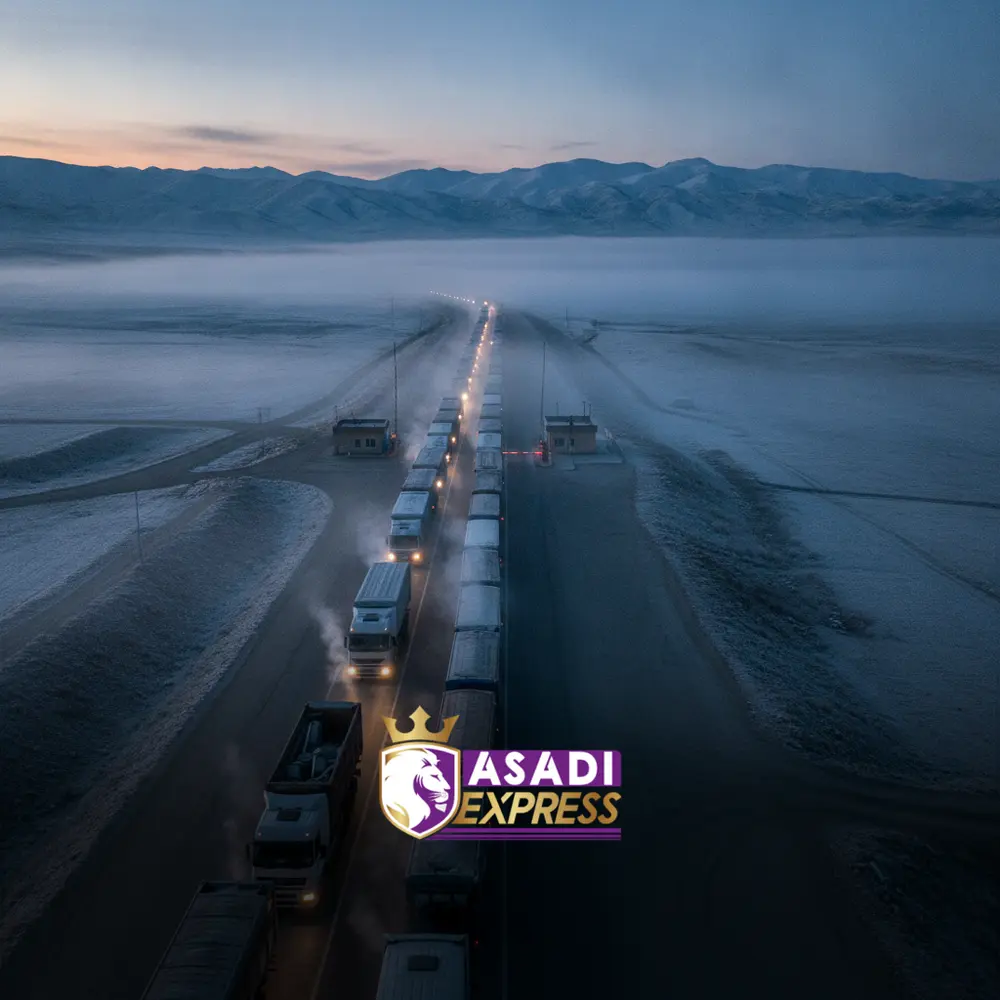
Road transport is arguably the most prevalent and flexible mode for Turkey-Iran logistics. Trucks carry a vast majority of goods, offering door-to-door cargo services and flexibility in scheduling. The efficiency of land transportation is crucial for businesses operating within this corridor. Key routes pass through border crossings such as Gurbulak-Bazargan, facilitating the smooth flow of goods. Experienced logistics providers excel at managing the necessary documentation, customs clearance procedures, and vehicle requirements to ensure uninterrupted transit. For businesses requiring rapid ground movement or transporting oversized cargo, dedicated road services are often the preferred choice. The ability to handle diverse cargo types, from standard pallets to specialized industrial equipment, further solidifies land freight’s role as a cornerstone of regional shipping.
Air Freight: Speed and Efficiency for Urgent Shipments
When time is of the essence, air freight becomes the go-to solution for urgent or high-value shipments. Major international airports in Istanbul (IST), Tehran (IKA), and Dubai (DXB/DWC) serve as critical hubs for air cargo. This mode offers significantly reduced transit times, making it ideal for perishable goods, e-commerce express deliveries, and critical manufacturing components. Air freight forwarding UAE services, for instance, connect swiftly with Istanbul, enabling rapid distribution across the Gulf. While typically more expensive than sea or land, the speed and reliability of air cargo often justify the cost for businesses needing to meet tight deadlines or minimize inventory holding costs. Companies specializing in air freight forwarding manage everything from cargo consolidation to customs clearance at airports, ensuring seamless delivery.
Sea Freight: Economical for Bulk and Heavy Cargo
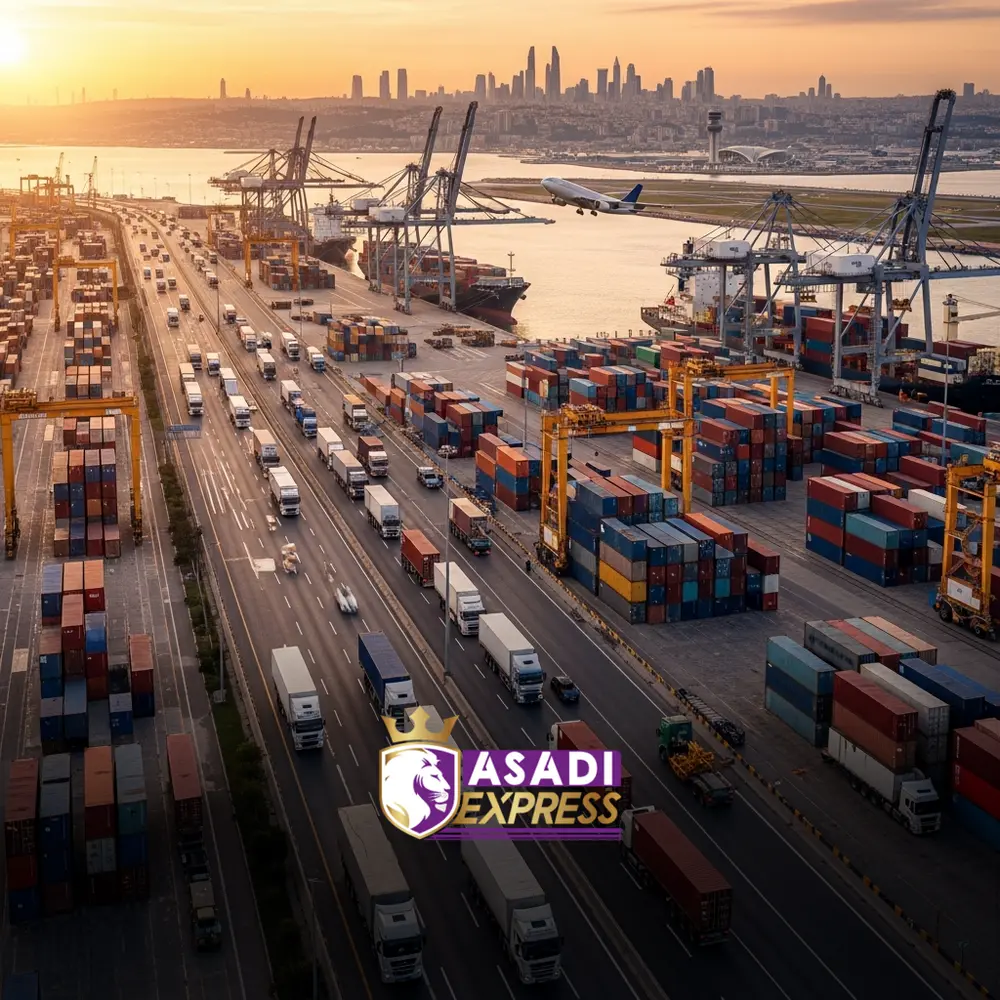
For bulk commodities, non-urgent shipments, or heavy/oversized cargo, sea freight offers the most cost-effective solution. Although Turkey and Iran are not directly connected by sea in this context (for direct routes), sea freight is instrumental for connecting these nations to the broader Middle East, particularly the UAE and Oman. Goods can be transported by land to Turkish or Iranian ports (e.g., Mersin, Bandar Abbas) and then shipped to Jebel Ali Port in Dubai or Port Sultan Qaboos in Muscat. This multi-modal approach ensures that businesses have options for large-volume movements. Companies providing ocean freight forwarding services manage containerized cargo (FCL and LCL), bulk cargo, and roll-on/roll-off (RoRo) services for vehicles, streamlining the complex process of international maritime shipping.
Key Cities and Trade Hubs in the Logistics Network
The efficiency of Turkey-Iran logistics and its regional extensions hinges on a network of strategically important cities and trade hubs:
Istanbul, Turkey: The Eurasian Bridge
As Turkey’s largest city, Istanbul is a vital commercial and logistical hub, straddling two continents. Its extensive port facilities, major international airport, and dense road network make it a gateway for goods entering and leaving Europe, the Middle East, and Central Asia. A leading Asadi Express Cargo logistics company in Istanbul is crucial for managing the flow of goods, whether destined for Iran, the UAE, or other global markets. From Istanbul, goods can be dispatched efficiently via land to Iran or flown to destinations across the Gulf.
Tehran & Shiraz, Iran: Core of Iranian Commerce
Tehran, the capital, is Iran’s economic heart, generating immense demand for both imports and exports. Its strategic location and extensive industrial base make it a primary destination and origin for global shipping solutions. Shiraz, a major city in southern Iran, is another important hub, particularly for agricultural and industrial goods. Companies offering cargo from Tehran to Dubai or shipping from Shiraz to UAE often rely on a combination of land and sea routes to facilitate trade, emphasizing the need for expert freight forwarding services that understand local regulations.
Dubai, UAE: The Gulf’s Logistics Powerhouse
Dubai stands as an undisputed leader in Middle East logistics. Jebel Ali Port, one of the world’s busiest, and Dubai International Airport are crucial for air freight and sea freight UAE operations. The city serves as a re-export hub for goods from Turkey and Iran to the wider GCC region and beyond. Businesses seeking cargo services in Dubai or a reliable shipping company in Dubai will find a highly developed ecosystem of logistics providers offering cutting-edge solutions, including advanced warehousing and distribution networks. Freight forwarding UAE companies play a pivotal role in connecting trade lanes between Iran, Turkey, and the international market via Dubai.
Abu Dhabi & Sharjah, UAE: Expanding Regional Reach
Beyond Dubai, Abu Dhabi and Sharjah contribute significantly to the UAE’s logistics capabilities. Abu Dhabi’s Khalifa Port and growing industrial zones enhance its role in regional trade, while Sharjah’s strategic location and diverse free zones offer alternative gateways for goods. These emirates provide expanded capacity and specialized services, reinforcing the UAE’s position as a comprehensive logistics hub for cargo coming from Turkey and Iran, and destined for other Middle Eastern countries.
Muscat, Oman: A Strategic Maritime Link
Muscat, with its modern port facilities like Port Sultan Qaboos and Port of Sohar nearby, is an increasingly important player in regional logistics. It offers a viable alternative and complementary route for Dubai to Muscat cargo and general Middle East logistics solutions. The focus on developing logistics infrastructure makes Oman an attractive option for companies seeking efficient cargo services Muscat Oman, especially for goods moving between Iran, the UAE, and the wider Indian Ocean region. This ensures diversification of routes and enhanced resilience in supply chains.
Real-World Use Cases: Tailored Logistics Solutions
The complexities of Turkey-Iran logistics, extending to the UAE and Oman, necessitate tailored solutions for diverse client needs:
Business-to-Business (B2B) Shipping
Manufacturers in Turkey frequently ship industrial components to factories in Iran, while Iranian businesses export raw materials or finished goods to Turkish markets. This B2B segment demands precise scheduling, compliance with international trade agreements, and often specialized handling for various commodities. A Turkey to UAE freight services provider, for instance, would manage everything from warehousing in Istanbul to last-mile delivery in Dubai for industrial clients. Similarly, Asadi Express Cargo ensures that critical supply chains remain unbroken, supporting the industrial growth of the region.
E-commerce Logistics and Door-to-Door Delivery
The rise of e-commerce has significantly boosted demand for expedited, reliable shipping. Online retailers in Turkey need efficient ways to send products to customers in Iran, and vice-versa. For the UAE market, the need for swift door to door cargo UAE solutions is paramount. This involves not only rapid transportation but also effective tracking, customs brokerage, and last-mile delivery to residential addresses. Specialized services cater to small parcels and consolidated shipments, optimizing costs while maintaining speed and security, which is critical for consumer satisfaction.
Personal Cargo and Household Relocations
Beyond commercial ventures, individuals often require assistance with personal effects, excess baggage, or even full household relocations between these countries. Expats moving from Istanbul to Dubai, or families relocating from Tehran to Muscat, need reliable services that handle everything from packing and documentation to customs clearance and delivery. Such services prioritize care, security, and clear communication, ensuring a stress-free transition for individuals and their belongings.
Challenges and Solutions in Cross-Border Shipping
Navigating Turkey-Iran logistics borders is not without its challenges. Sanctions, evolving customs regulations, and geopolitical shifts can impact transit times and costs. Solutions involve partnering with experienced freight forwarders who possess in-depth knowledge of international trade laws, local customs procedures, and robust networks. This expertise ensures compliance, minimizes delays, and provides contingency plans for unforeseen circumstances. Furthermore, leveraging technology for real-time tracking, digital documentation, and transparent communication enhances efficiency and customer confidence. A strong logistics partner acts as an extension of your business, mitigating risks and streamlining complex cross-border movements.
Frequently Asked Questions About Middle East Logistics
What are the primary modes of transport used for shipping between Turkey, Iran, and the UAE?
The primary modes include land freight (especially for Turkey-Iran routes), air freight for urgent or high-value shipments, and sea freight for bulk or heavy cargo, connecting to hubs like Dubai and Muscat.
How long does it typically take to ship cargo from Istanbul to Tehran?
Land freight from Istanbul to Tehran typically takes 3-7 days, depending on customs clearance, route, and cargo type. Air freight can deliver within 1-3 days.
What are the customs regulations for Iran to UAE cargo?
Customs regulations vary based on the type of goods, their value, and the specific port of entry in the UAE (e.g., Jebel Ali, Khalifa Port). It is crucial to have accurate documentation, including commercial invoices, packing lists, and certificates of origin. Working with a knowledgeable freight forwarding UAE company is highly recommended to ensure compliance.
Can I get door-to-door cargo services from Turkey to Dubai?
Yes, many logistics providers offer comprehensive door to door cargo UAE services from Turkey to Dubai. This includes pickup from the origin, transportation (air or sea), customs clearance, and final delivery to your specified address in Dubai.
Why is Dubai considered a major logistics hub for the Middle East?
Dubai’s strategic geographical location, world-class infrastructure (Jebel Ali Port, international airports), business-friendly environment, and extensive network of logistics companies make it a central hub for cargo services in Dubai and the entire Middle East. It facilitates efficient transit and distribution across the region and beyond.
Conclusion: Your Trusted Partner in Regional Logistics
The intricate web of Turkey-Iran logistics borders, extending into the vibrant markets of the UAE and Oman, requires a logistics partner with unparalleled expertise and a commitment to excellence. Whether you are dealing with complex air freight and sea freight UAE operations, managing cargo from Tehran to Dubai, or need specialized shipping from Shiraz to UAE, a robust logistics strategy is your key to success. By understanding the unique demands of each route and leveraging a diverse range of transportation solutions, businesses can unlock significant growth opportunities in this critical economic corridor. Choose a partner that offers comprehensive, integrated, and reliable our full range of logistics services to streamline your supply chain and expand your reach across the Middle East. Contact us today to discuss how we can optimize your shipping needs and help you navigate the complexities of regional trade with confidence.
More articles