






Navigating Turkey-Iran Logistics Borders: Your Gateway to Seamless Trade
The dynamic corridor connecting Turkey and Iran represents a pivotal artery for trade, facilitating the flow of goods across the Middle East and beyond. This strategic geographical link, rich in history and economic potential, requires sophisticated logistics solutions to overcome its unique challenges. For businesses and individuals eyeing opportunities in the vibrant markets of the UAE and Oman, understanding the intricacies of Turkey-Iran logistics borders is paramount. From Istanbul’s bustling ports to Tehran’s industrial hubs, and onward to the commercial centers of Dubai, Abu Dhabi, Sharjah, and Muscat, efficient cargo management is the bedrock of successful regional commerce. This article delves into the critical aspects of this trade route, highlighting the comprehensive services available to ensure your cargo reaches its destination safely, efficiently, and on time.
The Strategic Importance of Turkey-Iran Trade Corridors
Turkey and Iran share more than just a long border; they possess deeply intertwined economic interests that drive substantial cross-border trade. Turkey serves as a crucial bridge between Europe and Asia, while Iran offers a gateway to Central Asia and the broader Middle East. The established trade routes, primarily relying on robust land transportation networks, are essential for regional stability and economic growth. This geographical advantage makes the Turkey-Iran corridor indispensable for cargo movement, particularly for goods destined for or originating from the Gulf Cooperation Council (GCC) countries like the UAE and Oman.
The significance of these logistics borders extends beyond bilateral trade. They act as a vital transit point for international shipments, enabling quicker and more cost-effective access to diverse markets. Companies seeking to expand their reach into the Middle East often leverage these established routes, requiring expert navigation of customs regulations, infrastructure, and geopolitical considerations. The ability to streamline operations across these borders is a key differentiator for any logistics provider operating in the region.
Comprehensive Freight Solutions Across the Borders
Effective logistics across the Turkey-Iran border demands a multifaceted approach, utilizing various modes of transportation to suit different cargo types, urgencies, and budgets. A robust freight forwarding UAE network is crucial for connecting these strategic points.
Land Transportation: The Backbone of Cross-Border Trade
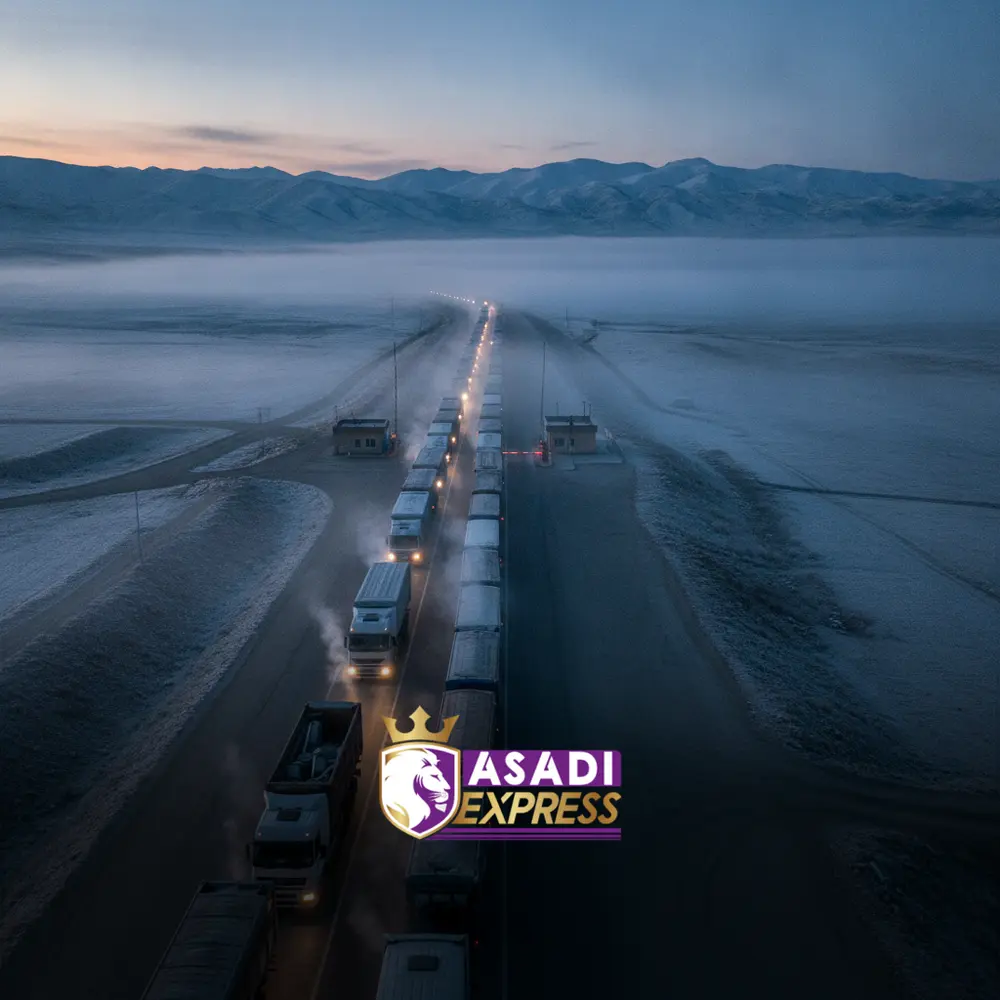
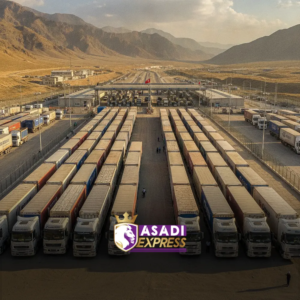
Land routes form the primary channel for cargo movement between Turkey and Iran. The extensive road networks facilitate the transport of everything from industrial machinery to consumer goods. Expert land transportation services are essential for handling customs clearance at border crossings efficiently, ensuring minimal delays. Specialized carriers offer full truckload (FTL) and less than truckload (LTL) options, providing flexibility for diverse shipment sizes. This method is particularly cost-effective for bulk goods and offers greater accessibility to inland destinations like Tehran and Shiraz. Our expertise in road freight solutions ensures seamless transit across challenging terrains and borders.
Air Freight: Speed and Efficiency for Time-Sensitive Shipments
For urgent deliveries and high-value goods, air freight offers unparalleled speed. Major airports in Istanbul and Tehran serve as critical hubs, connecting businesses to global markets, including Dubai, Abu Dhabi, and Muscat. Air cargo services are ideal for perishable goods, electronics, and e-commerce shipments where rapid delivery is a competitive advantage. Navigating the complexities of air cargo requires precision in documentation, customs procedures, and handling, all of which are expertly managed to ensure expedited delivery. Discover our comprehensive air freight services designed for speed and reliability.
Sea Freight: Economical Solutions for Large Volumes
While Turkey and Iran do not share a direct sea border, both countries have access to strategic waterways that are integral to their broader logistics networks. Turkey’s access to the Mediterranean and Black Seas, and Iran’s access to the Persian Gulf via ports like Bandar Abbas, link them to global shipping lanes. For large volume cargo, sea freight remains the most economical option. Goods can be transported by road or rail to ports in Turkey or Iran, then shipped internationally to destinations such as Jebel Ali Port in Dubai or Port Sultan Qaboos in Muscat. This multimodal approach optimizes cost and capacity for heavy and oversized shipments.
Key Shipping Routes: Connecting Turkey, Iran, UAE, and Oman
The logistical framework extending from Turkey and Iran into the UAE and Oman is complex, involving multiple transit points and customs protocols. Companies specializing in Middle East logistics solutions are critical for navigating this intricate web.
Turkey to Iran: The Direct Overland Link
The primary route between Turkey and Iran is overland, connecting key cities like Istanbul to Tehran and Shiraz. This route is fundamental for the movement of goods, industrial components, and agricultural products. Experienced logistics providers handle all aspects, from cargo consolidation to customs clearance, ensuring smooth cross-border operations. For businesses focused on efficient cross-border shipping between Iran and Turkey, a reliable partner is indispensable.
Iran to UAE Cargo: A Bustling Trade Corridor
The maritime connection between Iran and the UAE is a vibrant trade route. Goods shipped from Bandar Abbas in Iran regularly arrive at UAE ports, particularly Jebel Ali in Dubai. This route is crucial for various industries, from construction to retail. The demand for Iran to UAE cargo services is consistently high, requiring well-coordinated sea and land transport operations. Similarly, UAE to Iran shipping caters to a wide range of goods, emphasizing efficiency and security.
Turkey to UAE Freight: Bridging Continents
For shipments originating in Turkey and destined for the UAE, a combination of air and sea freight is common. Air cargo provides rapid delivery to major airports in Dubai and Abu Dhabi, while sea freight from Turkish ports offers a cost-effective solution for larger volumes. The demand for Turkey to UAE freight has grown significantly, fueled by the UAE’s position as a regional trade hub. Companies seeking to transport goods require a logistics company in Istanbul with strong ties to the GCC market.
Dubai to Muscat Cargo and Beyond: Intra-Gulf Connections
Once goods arrive in the UAE, onward distribution to other GCC countries, notably Oman, is a frequent requirement. Dubai to Muscat cargo services are highly sought after, leveraging both land and sea routes across the Gulf. This efficient connection underscores the interconnectedness of the regional supply chain, where cargo services Muscat Oman play a crucial role in local distribution. Our integrated approach covers the entire journey, including comprehensive shipping services from Turkey to Dubai and Oman.
Tailored Logistics for Diverse Needs: From Personal to Commercial
Logistics solutions are not one-size-fits-all. Whether you are an individual relocating or a large corporation managing complex supply chains, the services must be tailored to your specific requirements.
Personal Cargo and Household Moving
Relocating across borders, especially from Turkey to the UAE or Oman, can be a daunting task. Specialized services for household moving ensure that personal effects are packed, transported, and delivered with utmost care. This includes handling customs declarations, fragile items, and even vehicle shipping. The focus is on providing a stress-free experience, offering door to door cargo UAE services for ultimate convenience.
Business Shipping and E-commerce Logistics
Businesses, from small e-commerce ventures to large industrial enterprises, rely heavily on dependable logistics. For e-commerce, quick and efficient delivery is paramount to customer satisfaction. For industrial clients, the transport of heavy machinery, raw materials, and finished products requires specialized equipment and careful planning. Companies often require cargo services in Dubai and a trusted shipping company in Dubai that can manage everything from warehousing to final delivery. Our expertise at Asadi Express Cargo ensures that your business benefits from streamlined supply chain management.
Specialized Cargo and Project Logistics
Certain industries require highly specialized logistics. This includes the transport of oversized cargo, hazardous materials, or goods requiring temperature control. Project logistics involves the coordination of complex, large-scale shipments for industrial projects, often to remote locations. These services demand meticulous planning, adherence to strict safety regulations, and a deep understanding of international compliance standards. Asadi Express Cargo is adept at handling diverse and challenging cargo requirements, ensuring peace of mind for our clients.
Overcoming Logistics Challenges in the Middle East
The Middle East logistics landscape, while promising, presents its own set of challenges. These include varying customs regulations, bureaucratic processes, infrastructure limitations in certain areas, and geopolitical sensitivities. An experienced logistics partner must possess the knowledge and network to navigate these complexities seamlessly.
Key challenges often include:
- Customs and Regulations: Each country, including Iran, Turkey, UAE, and Oman, has its own set of import/export regulations, tariffs, and documentation requirements. Non-compliance can lead to significant delays and penalties.
- Geographical Nuances: The region spans diverse terrains, from deserts to mountains, which can impact transit times and transport methods.
- Infrastructure: While major cities boast modern infrastructure, remote areas may pose logistical hurdles, requiring innovative solutions.
- Language and Culture: Effective communication and cultural understanding are vital for smooth operations and problem-solving with local authorities and partners.
A reputable logistics company in Istanbul or Dubai will have a proven track record of successfully overcoming these challenges, offering peace of mind to clients. They leverage local expertise, established networks, and advanced tracking systems to ensure transparency and efficiency throughout the shipping process. From cargo from Tehran to Dubai to shipping from Shiraz to UAE, every detail is managed with precision.
Frequently Asked Questions (FAQ)
Q1: What types of cargo can be shipped between Turkey, Iran, UAE, and Oman?
We handle a wide array of cargo, including general commodities, industrial goods, machinery, personal effects, vehicles, perishable items, and project cargo. Our diverse fleet and multimodal capabilities ensure we can accommodate almost any shipment size or type, from a single parcel to multiple containers.
Q2: How long does shipping typically take from Turkey to the UAE or Iran?
Transit times vary significantly based on the mode of transport and the specific route. Air freight from Istanbul to Dubai can take 2-5 days. Land transportation from Turkey to Iran might range from 7-14 days. Sea freight, depending on the route and port congestion, can take 15-30 days to reach UAE ports from regional hubs. We provide estimated transit times for each specific shipment upon inquiry.
Q3: What documents are required for international shipping in this region?
Commonly required documents include a commercial invoice, packing list, bill of lading (for sea freight) or air waybill (for air freight), certificate of origin, and potentially permits or licenses depending on the nature of the goods. Our team assists clients in preparing all necessary documentation to ensure smooth customs clearance.
Q4: Do you offer door-to-door cargo services?
Yes, we specialize in comprehensive door-to-door services, particularly for door to door cargo UAE. This means we manage the entire logistics chain from the pickup point at the origin (e.g., Istanbul or Tehran) to the final delivery destination (e.g., Dubai, Abu Dhabi, Sharjah, or Muscat), including all customs procedures and intermediate transportation stages.
Q5: How can I track my shipment?
We provide advanced online tracking systems that allow you to monitor your cargo’s journey in real-time. You will receive a tracking number upon booking, enabling you to stay informed about your shipment’s status from pickup to delivery.
Conclusion: Your Reliable Partner for Middle East Logistics
Navigating the complex Turkey-Iran logistics borders and extending into the crucial markets of the UAE and Oman requires more than just transportation; it demands a strategic partner with deep regional expertise. The ability to seamlessly connect Istanbul, Tehran, Shiraz, Dubai, Abu Dhabi, Sharjah, and Muscat through efficient air freight and sea freight UAE options, coupled with robust land transportation, is vital for success.
By offering tailored solutions for diverse needs—from personal household moving to complex industrial projects—a trusted logistics provider can transform challenges into opportunities. With a focus on reliability, efficiency, and transparent communication, we ensure that your cargo journey is smooth and successful. Choose a partner that understands the nuances of Middle East trade and is committed to delivering excellence every step of the way. Contact us today to discuss your specific shipping requirements and discover how Asadi Express Cargo can streamline your logistics operations.
More articles